

With its fluffy body, unique and beautiful coat, and sharp face, the Somali cat is truly captivating, exuding a certain wild charm.
Doesn't it resemble the Abyssinian? That's because the Somali is actually a long-haired Abyssinian. Their coat color and body shape are very similar, but are their personalities similar too?
In this article, we will delve into the characteristics and history of the Somali, its personality, how to care for it, and the differences between the Somali and Abyssinian.
Somali Characteristics
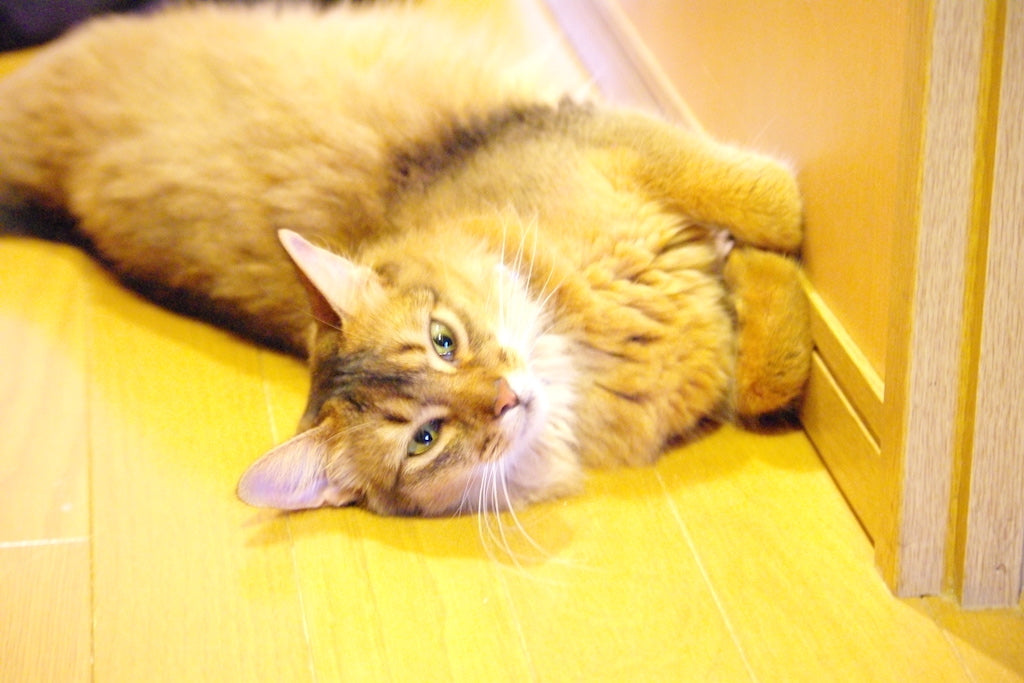
The Somali has a very beautiful coat color that appears to change as it moves.
This type of fur coloring is called "ticking," where each individual hair is banded with four to six colors. The color becomes darker towards the tip of the hair, which is why the coat color appears to subtly change.
This pattern, unique to the Somali and Abyssinian, is called "ticked tabby," or "agouti tabby," "Abyssinian tabby." When you stare at it, it's so charming that you might even start thinking, "It looks delicious..."!
Coat Color Names
Somali coat colors recognized by the CFA are Rudy, Red (Sorrel), Fawn, and Blue, while the TICA also recognizes Silver.
Rudy is a type with orange-brown and black or dark brown ticking, characterized by an apricot-like color. This color may be the strongest image associated with Somali and Abyssinian cats.
Red or Sorrel has chestnut fur with cinnamon ticking, while Fawn has pinkish-beige fur with dark ticking. Recently, Blue has also become popular, characterized by warm blue-gray fur with dark gray ticking.
Roots in Egypt?
Both Somali and Abyssinian cats have green or gold eyes. Their large, almond-shaped eyes are framed by a thin, black eyeliner on the inside, and a lighter eyeliner on the outside. They are truly mystical.
This Cleopatra line, along with the M-shaped scarab mark on their forehead, strongly resembles the cats depicted in Egyptian wall paintings, leading to the belief that their roots lie in Egypt.
Differences Between Somali and Abyssinian
Somali and Abyssinian cats are almost identical in terms of coat color, body type, and personality. Both have slender, smooth body lines and long legs that give them a tiptoeing appearance. While there are slight differences in the weight of adult cats, the only significant difference is the length of their fur.
History of the Somali
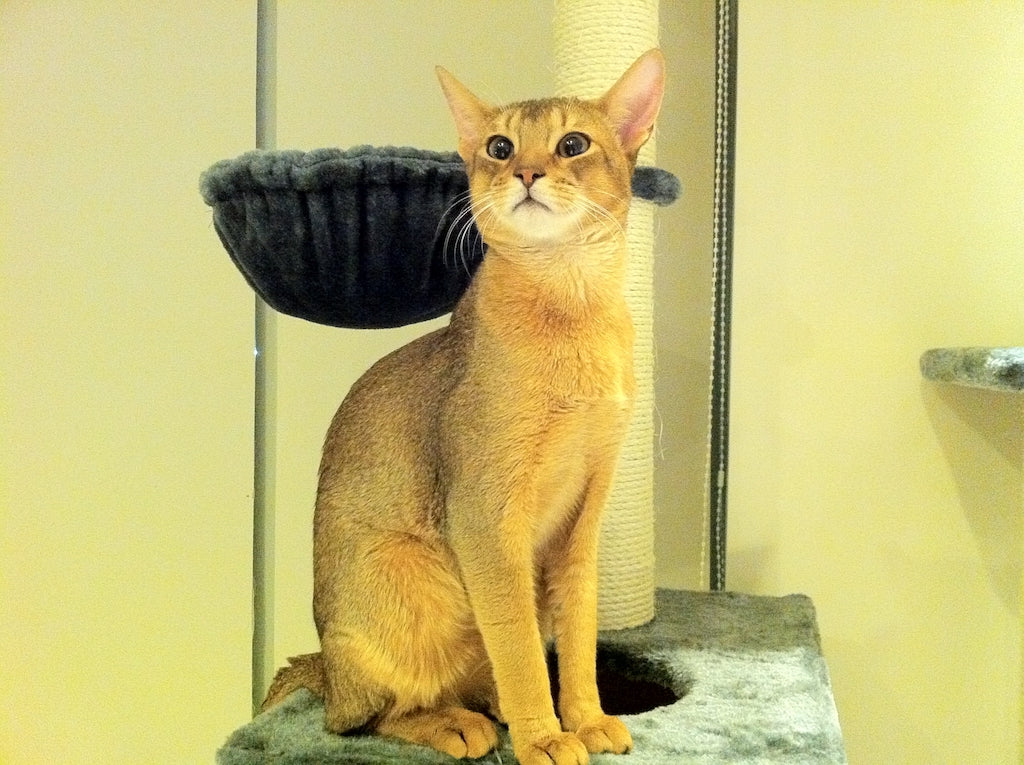
The Abyssinian, from which the Somali originated, is believed to be the oldest cat breed, with roots along the Indian Ocean coast and Southeast Asia. Although the exact details are unknown, it was established as a cat breed in England.
It first appeared in cat shows in 1871 and became a popular breed in America in the early 1900s.
During the planned breeding of Abyssinians, long-haired Abyssinians were occasionally born. Although they were thought to be a mutation of the short-haired Abyssinian, a judge at a Canadian cat show in 1963 was captivated by their appearance, and the breeding of long-haired Abyssinians began.
Later, the long-haired Abyssinian was named "Somali" and recognized by the CFA (the world's largest cat registry) in 1972. Incidentally, the name Abyssinian comes from "Abyssinia" (present-day Ethiopia), and the name Somali comes from "Somalia," a country neighboring Abyssinia.
Somali Personality
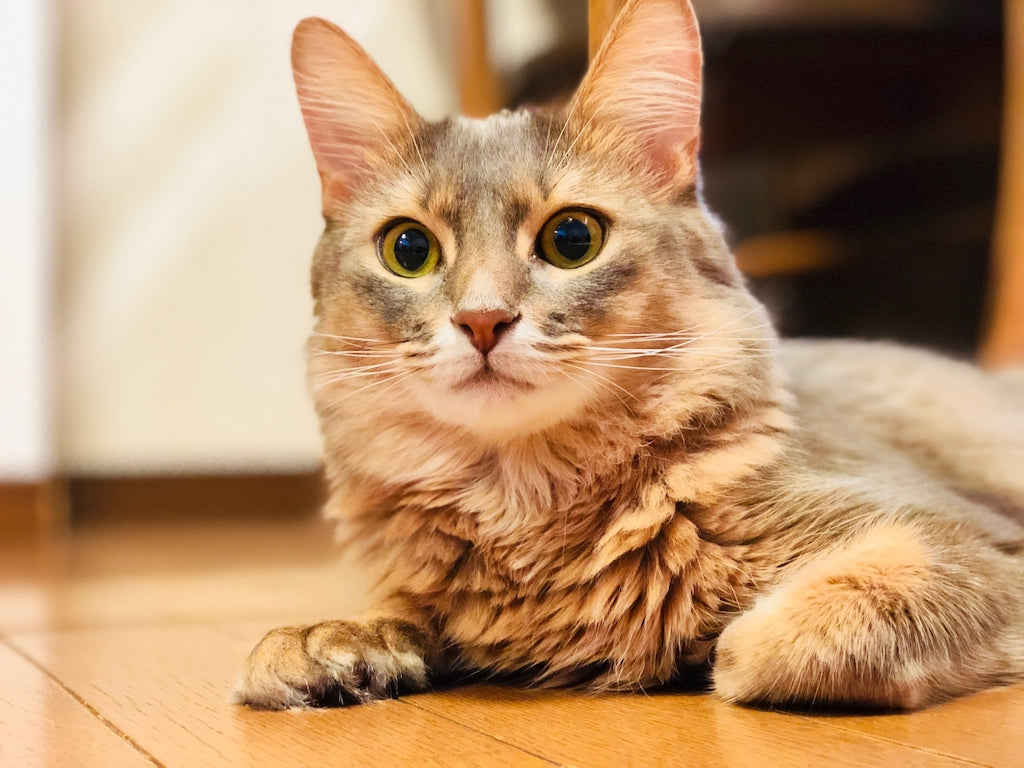
To describe the Somali's personality in a word, it is a "curious and affectionate cat." Despite its wild appearance, it is a calm and composed cat.
They are active, have a lot of energy, and love to play, but they have a gentle personality that loves to be close to their owners. They always want to be with people, so they are sometimes said to "have a dog-like personality."
However, they also have a lonely side, so they can become stressed if left alone. This makes them a sensitive breed. Make sure to set aside time every day for play and physical affection with your cat.
Their sweet meows, like a rolling bell, and their affectionate gestures towards their owners are incredibly endearing.
Things to Know About Somali Cats
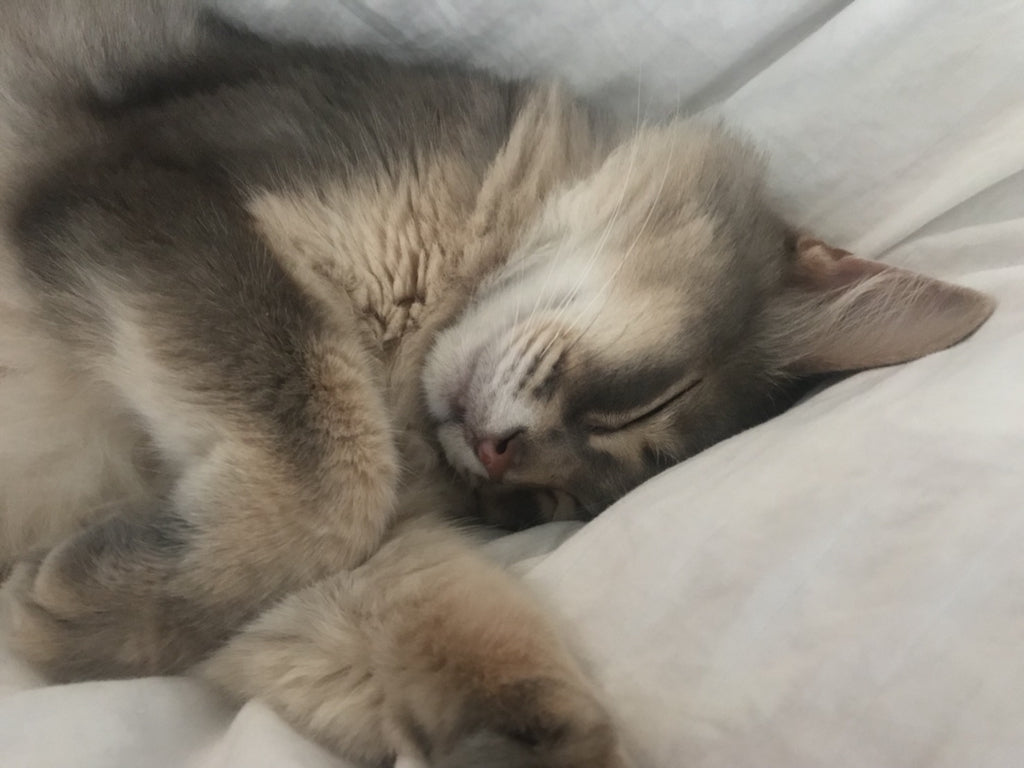
The Somali cat, proud of its fluffy long fur, requires daily brushing because it is a long-haired breed.
Also, because they are active cats, they need an environment where they can exercise, such as a cat tree. Being affectionate and prone to loneliness, they can become stressed if they don't receive enough attention from their owners, which can sometimes lead to stress-related dermatitis.
There are also other diseases that Somali cats are prone to, so it's important to be aware of them.
Diseases Somali Cats Are Prone To
Somali cats are genetically prone to diseases such as "retinal atrophy" and "pyruvate kinase deficiency."
"Retinal atrophy" is a disease where the retina at the back of the eye thins, and as it progresses, there is a risk of visual impairment or blindness. Unfortunately, there is no specific cure, and they live by managing visual impairment.
"Pyruvate kinase deficiency" is a disease in which red blood cells are destroyed due to a lack of the enzyme pyruvate kinase, leading to anemia. Symptoms such as fatigue and loss of appetite may be observed, so if you notice anything concerning, consult a veterinarian.
Summary
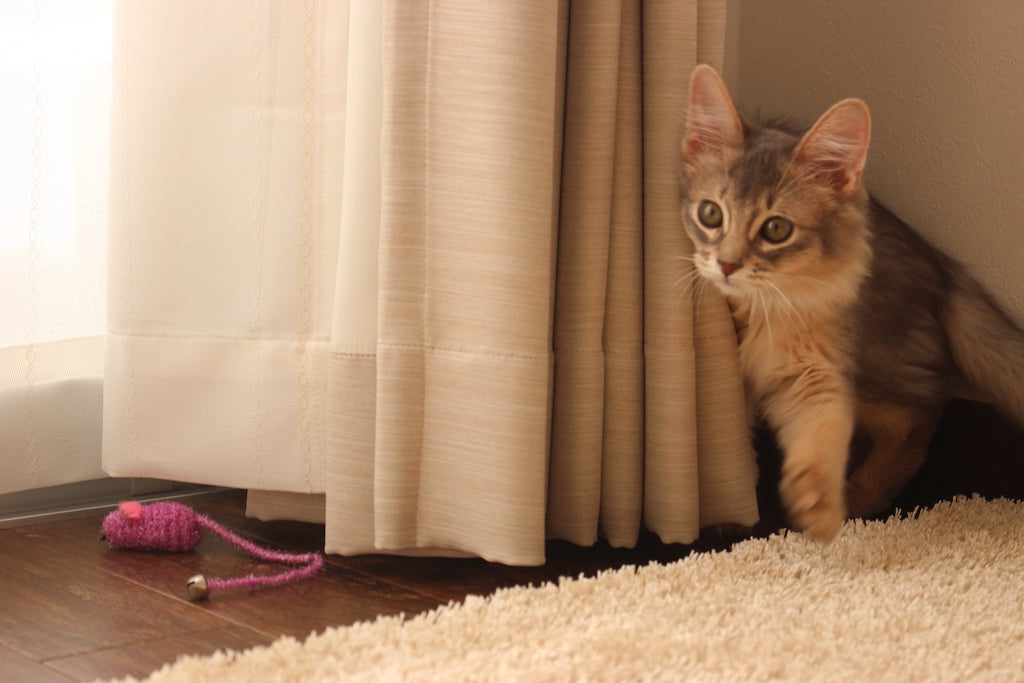
The Somali is an enchanting cat with a beautiful coat that appears to change color as it moves, and mystical eyeliner. It deeply loves its owners and is very affectionate, but it can get stressed if it doesn't receive enough attention.
The reason why it has a coat color similar to that of the Abyssinian is because the Somali is a long-haired version of the Abyssinian. Thanks to the efforts of a breeder captivated by the charm of a long-haired Abyssinian born through a mutation, it has been established as a new cat breed.
Maintaining the strong and beautiful body lines of the Abyssinian, the Somali, with its fluffy fur, is popular worldwide. Enjoy life with your cat and the affectionate, bell-like meows of your Somali.
Author Profile




![[New Product] The joy of choosing for you, gentle comfort for your beloved cat. Graphic cat collars are here!](http://www.poponeko.jp/cdn/shop/articles/090600107_93c9c9e5-aa57-4ec7-bbdc-23c6ff1f104b.jpg?height=400&v=1751956036)
![[New Product] Improved fit & feel! Our cotton corduroy cat collars have been renewed!](http://www.poponeko.jp/cdn/shop/articles/240900219_fe07798b-62e5-4c12-9b56-7f12cde11ae1.jpg?height=400&v=1763642459)
![[Defective] Cat-friendly Cat Wear, Cat Warm, Border (Sleeveless)](http://www.poponeko.jp/cdn/shop/products/DSC_6996.jpg?v=1675832276&width=600 "[Defective] Cat-friendly Cat Wear, Cat Warm, Border (Sleeveless)")
![[Set] Leaf Ribbon & Scrunchie Cat Collar, Gingham Check, Tomato Red](http://www.poponeko.jp/cdn/shop/files/DSC00091_c37cc8a7-d056-4cf1-a8ec-9defb7c0c502.jpg?v=1780663891&width=600 "[Set] Leaf Ribbon & Scrunchie Cat Collar, Gingham Check, Tomato Red")
![[Set] Leaf Ribbon & Cat Collar - Gingham Check Pale Lavender](http://www.poponeko.jp/cdn/shop/files/DSC00112_63ffeab6-aadb-4f1e-87d0-1061074971ac.jpg?v=1780663891&width=600 "[Set] Leaf Ribbon & Cat Collar - Gingham Check Pale Lavender")

![[Set] Leaf Ribbon & Scrunchie Cat Collar - Petit Fleur - Purple](http://www.poponeko.jp/cdn/shop/files/2608_00419.jpg?v=1789946167&width=600 "[Set] Leaf Ribbon & Scrunchie Cat Collar - Petit Fleur - Purple")
![[Set] Leaf Ribbon & Scrunchie Cat Collar, Gingham Check, Blue](http://www.poponeko.jp/cdn/shop/files/DSC00092_346b4b0c-da46-4b7b-b5e9-8ab3dafb6534.jpg?v=1780663891&width=600 "[Set] Leaf Ribbon & Scrunchie Cat Collar, Gingham Check, Blue")
Leave a comment