
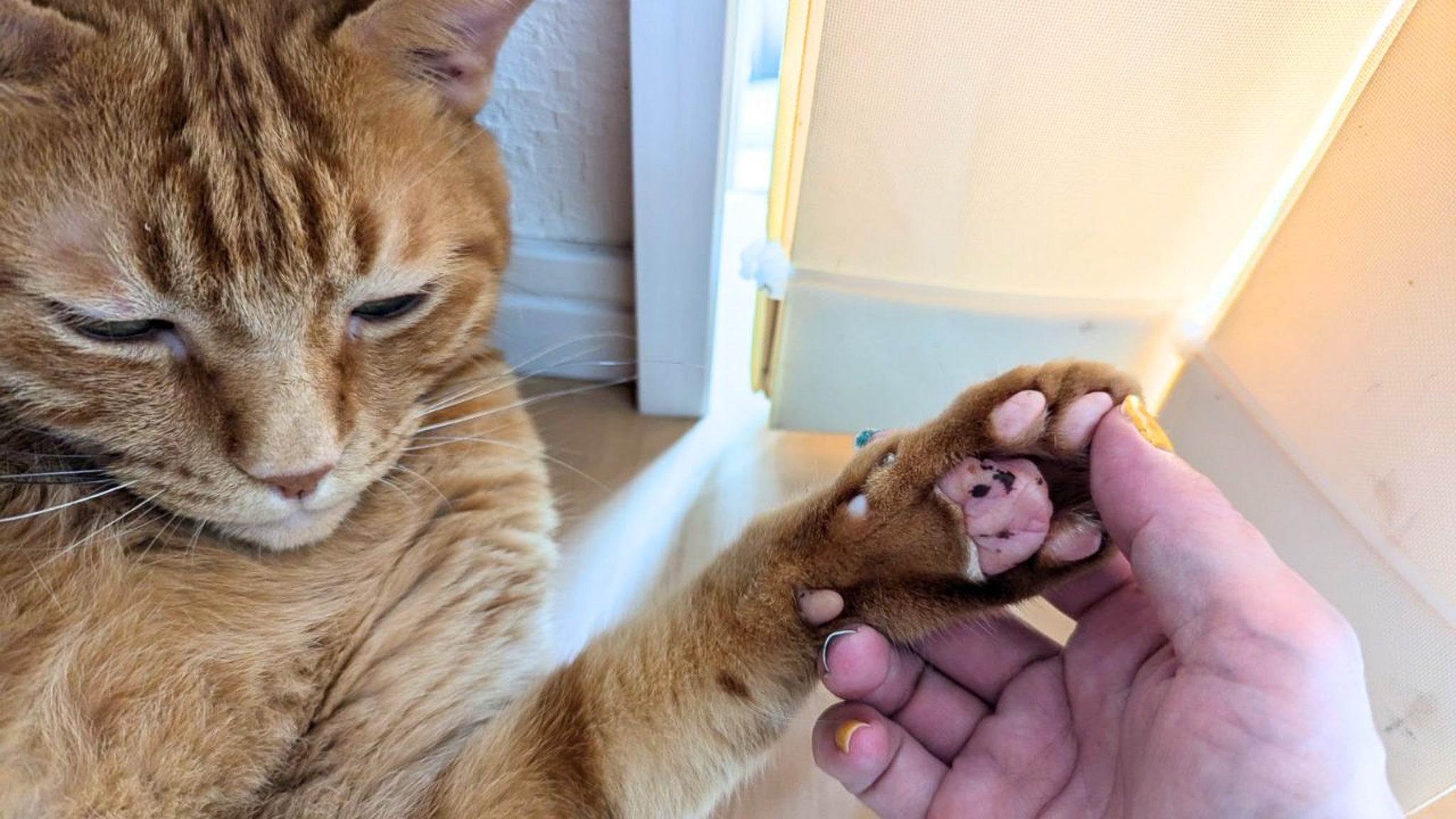
A cat’s paw pads are so adorable that you could touch them forever. However, many cats don't let you examine them closely, which means you might not notice anything unusual.
A few years ago, my beloved cat Leon’s paw pads suddenly swelled up, and mysterious bumps appeared and bled. It turned out to be a condition called “plasma cell pododermatitis.”
One day, his paw pads suddenly swelled up.
About three and a half years ago, one winter, as I was enjoying a paw pad squish, something I always begged Leon for, I was surprised to see his paw pads. They were a little cracked…
Perhaps it was due to the winter dryness. Maybe Leon, like me, had dry skin. Since people have different skin types, cats might also have unique paw pad textures, I thought, so I bought some cat moisturizing cream and applied it to his paws.

I hadn't yet realized the seriousness of the situation, so I was lighthearted, thinking, "Now I have a legitimate reason to squish his paw pads a lot!"
However, no matter how much moisturizing cream I applied, the condition of his paw pads didn't change. Eventually, I started to feel like they were "a little swollen."

Should I go to the vet? I finally started to worry and searched online for similar cases. I found a condition called "plasma cell pododermatitis."
This disease is said to be rare in cats. When I searched for various information, every site offered advice like, "Swollen paw pads may shrink, so let's observe them for now."

My cat showed no signs of pain and walked normally. He had a good appetite and was energetic, so I wanted to avoid stressing him by taking him to the vet, which might worsen his condition. For the time being, I decided to observe him. "Maybe he'll heal naturally," I thought, checking his paw pads daily.
No signs of pain, but his paw pads were bleeding!
However, his paw pads didn't improve and turned reddish-purple. Wart-like bumps appeared, and one day, they suddenly bled. When I woke up in the morning, I found bloody paw prints all over the room and panicked.
With "plasma cell pododermatitis," severely swollen paw pads can sometimes burst and bleed, but in Leon's case, it seemed the bleeding was from the wart-like bumps on his paw pads.

At this point, I realized I couldn't just observe anymore, so I rushed him to my regular vet. We decided to monitor him while administering steroid injections every three weeks.
This observation period was incredibly challenging… Since the bleeding from his paw pads hadn't stopped, Leon left bloody paw prints all over the room every time he walked. It was like a scary but cute horror movie.
The vet suggested putting gauze on his paw or cat socks to keep the room clean, but my furry overlord wouldn't easily accept such unusual inconveniences...

No matter how many times I tried, he'd get furious, as if to say, "Don't put this on me!" So, I thought it would be worse if it caused him stress, and I switched to a "let him make a mess" mindset.
I changed my way of thinking to, "It's just me cleaning, after all," and diligently cleaned the entire room with non-alcoholic wet wipes.
Steroid injections and a review of his diet.
During this time, I also spoke to other owners on X who were in similar situations and considered home care options. Among these, what I felt might have been effective was changing his food.
ほかの肉球もパンパンに腫れていましたが、アレルギー対応フードに変えて1ヶ月くらい経つと、風船が萎むみたいにシワシワになり、小さくなってきました。 pic.twitter.com/GnlxOzz58Q
— ゆあ | ライター🖊 (@yunc24291) March 6, 2020
Although the exact cause of "plasma cell pododermatitis" is not fully understood, I learned from other owners in similar situations that there is a theory that it tends to affect cats with allergies and that symptoms often appear during seasonal changes or in winter.
Many also shared that symptoms improved or worsened less when they switched to allergy-friendly food. So, I consulted with my veterinarian. He said, "It's worth a try," so I started feeding Leon Natural Balance "Green Pea & Duck."

A month later, the bumps on Leon's paw pads had shrunk, and the swelling in his paw pads themselves had subsided, leaving them looking shriveled. The vet said, "It will take about two more months to heal. However, if it doesn't improve, we'll have to remove the bumps, so be prepared..."
Removal of the bleeding bump.
Three weeks later, when I returned to my regular vet for his steroid shot, I was told that the healing was worse than expected, and they suggested removing the bump.
Before the surgery, I was told that "paw pads are difficult to stitch, and suturing may not always be successful," so I honestly had some internal conflict. However, if I were in Leon's shoes, I'd want any discomfort I was feeling, however slight, to be removed quickly, so I agreed to the surgery.

Even if he couldn't walk, I would protect him forever. I thought that when the time came, I would figure out a way to improve his quality of life.
The surgery was a day trip, and a pathological examination was also conducted. Fortunately, it was successful, but because paw pads don't easily stick together, I was instructed to absolutely keep an Elizabethan collar on him for three weeks to prevent him from licking the wound.
Plastic Elizabethan collars are stressful and pathetic, so I put various fabric Elizabethan collars on him. My family, who came to visit, called him "Sunflower."

Regarding life after surgery, the vet told me, "It's okay for him to live normally, not in a cage," so I let him move freely in the room.
However, the next day, Leon, for some reason, thought he could make it and jumped onto a low shelf. Afterward, he started limping slightly, which made me worried he might have fractured something, so I rushed him back to the vet.

He was told it might be due to bleeding inside the paw pad and swelling, so he had to spend a week in a cage to see if the symptoms subsided.
One week in a cage with an Elizabethan collar.
Nevertheless, cat cages are designed for cats to jump. Even if the cat steps are removed, there's a chance they might cleverly climb the mesh or jump.
Since I didn't have a pet playpen at the time, I used the cage horizontally to prevent injuries. Leon became despondent from being restricted. During this period, I felt apologetic and frustrated by my helplessness, which was very tough on me mentally.

How many times have I been helped by the encouragement of my followers, who said, "At times like these, the owner should stay cheerful. Don't worry, it makes them worried"?
A week later, when we visited the vet, I was relieved to hear that the bleeding in his paw pad had fortunately stopped and the wound was healing beautifully. I was also relieved by the pathological test results, which showed that the bump was not a malignant tumor.

(There were no abnormalities related to his bone marrow either.)
For a while, he had monthly injections. The Elizabethan collar was removed a month later, but the vet advised me to "brush him beforehand to prevent hairballs because he'll be grooming himself for a month's worth of missed grooming."
After treatment, his paw pads were like "deflated balloons."
When he finally returned to normal life, I noticed a slight change in Leon's attitude toward me.

Leon was the type of cat who "wouldn't fawn over anyone," so he rarely interacted with me playfully, but he started approaching me and being affectionate more often.
Even though I had forced him into such an uncomfortable life... I cried, thinking that Leon must be smart enough to understand, "That was all for my sake, right? Thank you."
Incidentally, Leon's paw pads, other than the one that was operated on, also showed swelling (though they deflated after treatment), so I continued to feed him allergy-specific food for a while.
必要な時以外はケージには入りたくねえ。しかし、うまいご飯は食べたいぜ。
— ゆあ | ライター🖊 (@yunc24291) March 17, 2020
その結果、器用にカリカリを取り出す泥棒猫になりました。 pic.twitter.com/HyhZasKyVd
However, he gradually went on strike, as if to say, "I don't want to eat this food anymore," so I slowly transitioned him back to his regular food. When switching, I would sometimes isolate him in his cage and give him allergy-specific food only during winter or from around November when his paw pads were dry until it got warmer, to observe him.
Since no abnormalities or worsening of symptoms were observed even after he started eating regular food, I completely transitioned his food over several years.
Currently, Leon's paw pads have regained their proper elasticity.

However, since his hand paw pads were also slightly swollen, they are now shaped like deflated balloons. This is a badge of honor for his diligent efforts in treatment.
"Plasma cell pododermatitis" is said to be related to immunity, so it's probably important to not only manage their health but also create an environment where they feel less stressed.
There's a possibility of Leon's condition recurring, so I want to continue checking his paw pads diligently to detect any changes early. (This is also a legitimate excuse to touch his paw pads.)

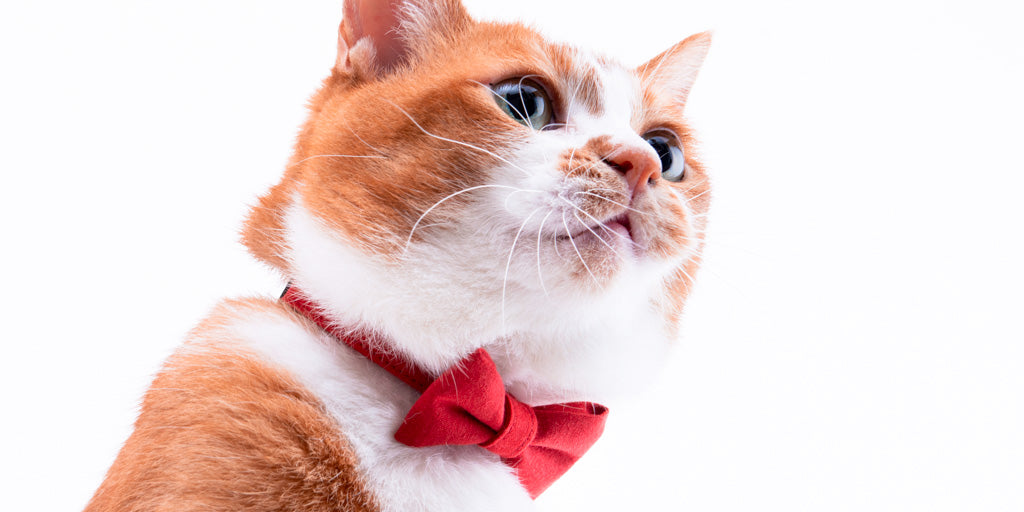


![[Summer Tradition] Seeking advice on how to mentally care for a cat who is a "dragger" and traumatized by fireworks](http://www.poponeko.jp/cdn/shop/articles/009_5a9d1394-584d-4d39-b787-f368a4b014d2.jpg?height=400&v=1727936570)

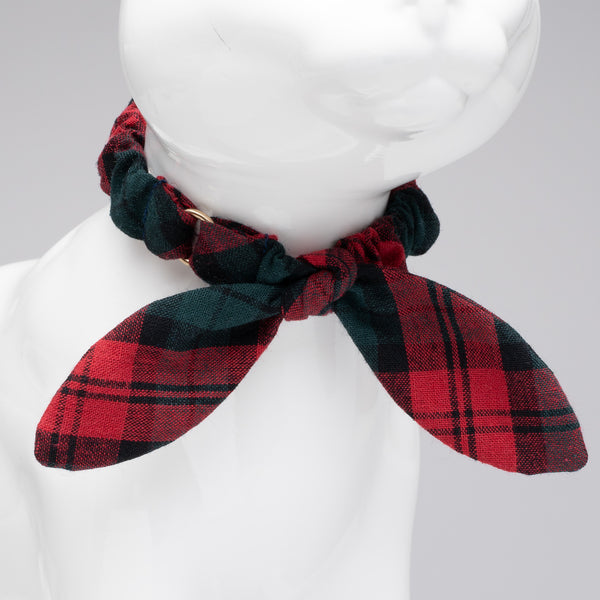
![[Set] Leaf Ribbon "Fleurage" Pink & Cat Collar "Belgian Linen" Wine Rose](http://www.poponeko.jp/cdn/shop/files/2608_00119.jpg?v=1789197487&width=600 "[Set] Leaf Ribbon \"Fleurage\" Pink & Cat Collar \"Belgian Linen\" Wine Rose")
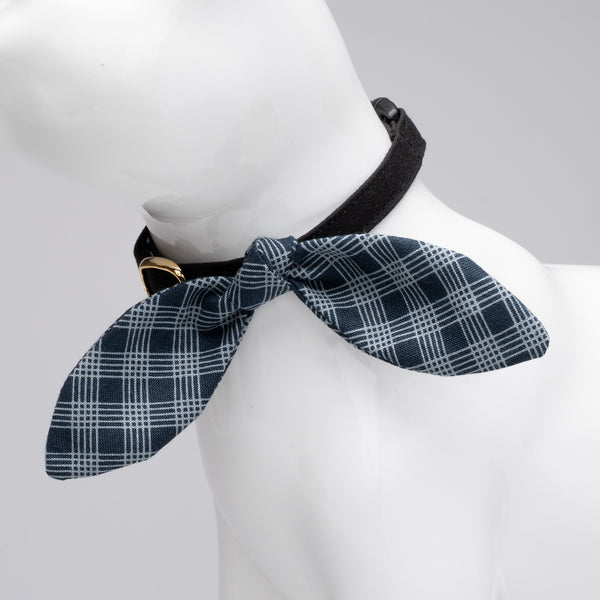
![[Set] Leaf Ribbon & Scrunchie Cat Collar Champ de Fleurs Pink](http://www.poponeko.jp/cdn/shop/files/DSC00086_92430f49-b816-4514-8687-7fd9a6e57988.jpg?v=1780663183&width=600 "[Set] Leaf Ribbon & Scrunchie Cat Collar Champ de Fleurs Pink")
![[Set Product] Leaf Ribbon by Moda Salutations & Cat Collar by MUJI Cotton Plain - Koubai](http://www.poponeko.jp/cdn/shop/files/260618_00176.jpg?v=1784451813&width=600 "[Set Product] Leaf Ribbon by Moda Salutations & Cat Collar by MUJI Cotton Plain - Koubai")
![[Set] Leaf Ribbon & Scrunchie Cat Collar, Petit Fleur, Pastel Pink [Limited Color]](http://www.poponeko.jp/cdn/shop/files/2608_00420.jpg?v=1789946167&width=600 "[Set] Leaf Ribbon & Scrunchie Cat Collar, Petit Fleur, Pastel Pink [Limited Color]")
Leave a comment