
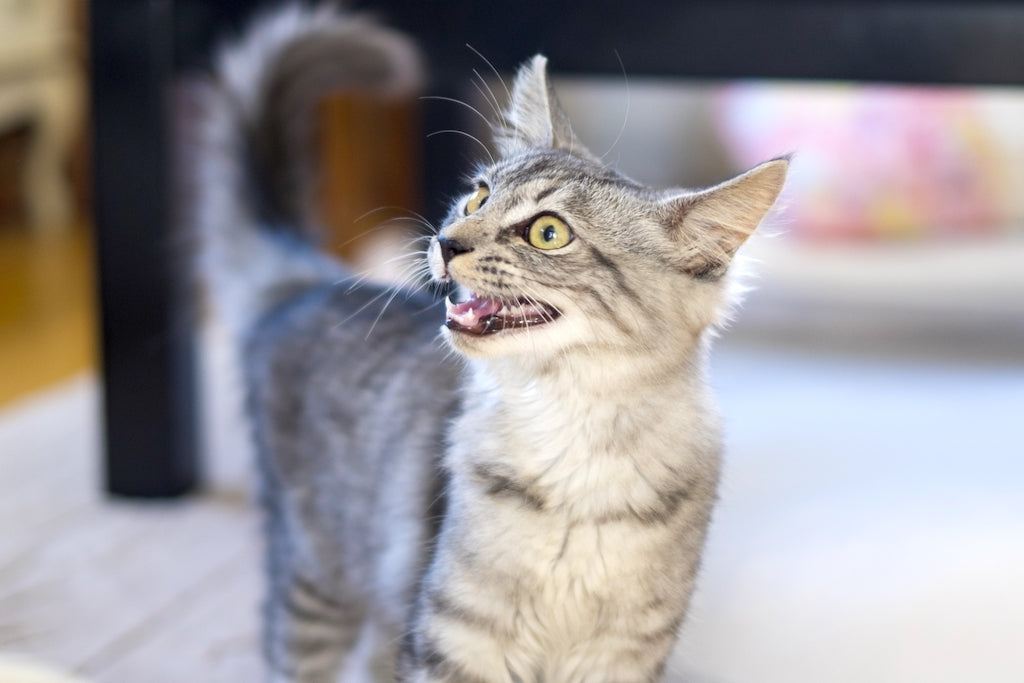
Living with a cat, you'll realize that they are surprisingly chatty.
Their meows and affectionate purrs are incredibly cute.
Beyond just "meow," their vocalizations are diverse, including sounds like "kururu," "kyuu," and "aoon." It's said there are **dozens of variations**. You naturally want to know what they're feeling and trying to convey, don't you?
So, this time, I'd like to explain the feelings and emotions that can be understood from a cat's meows.
Reasons Why Cats Meow
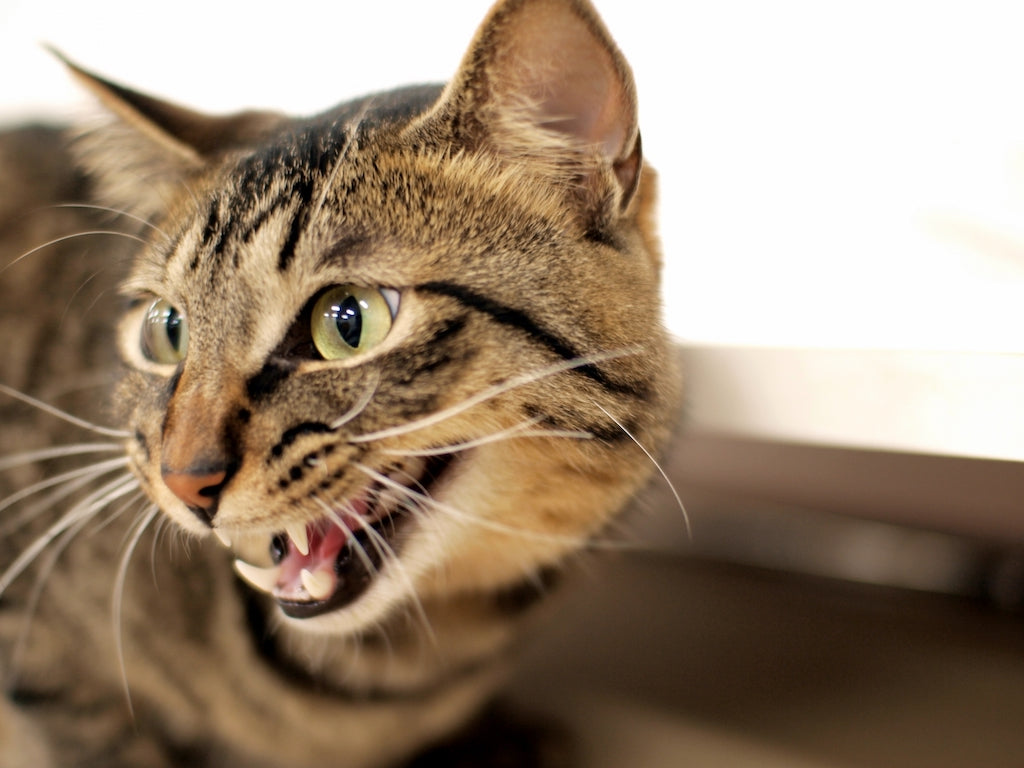
Actually, cats don't use vocalizations much for communication among themselves. Due to their wild instincts, they don't needlessly vocalize to avoid revealing their location.
Adult cats communicate their feelings through body language such as expressions, gestures, and tail movements. Vocalizations are seemingly limited to kittens soliciting their mothers, during estrus, or when intimidating.
In other words, cats only became chatty after starting to live with humans.
They might have thought it was more reliable to convey their feelings to humans through vocalizations, leading them to develop a variety of meows.
Cats Have a Rich Variety of Vocalizations
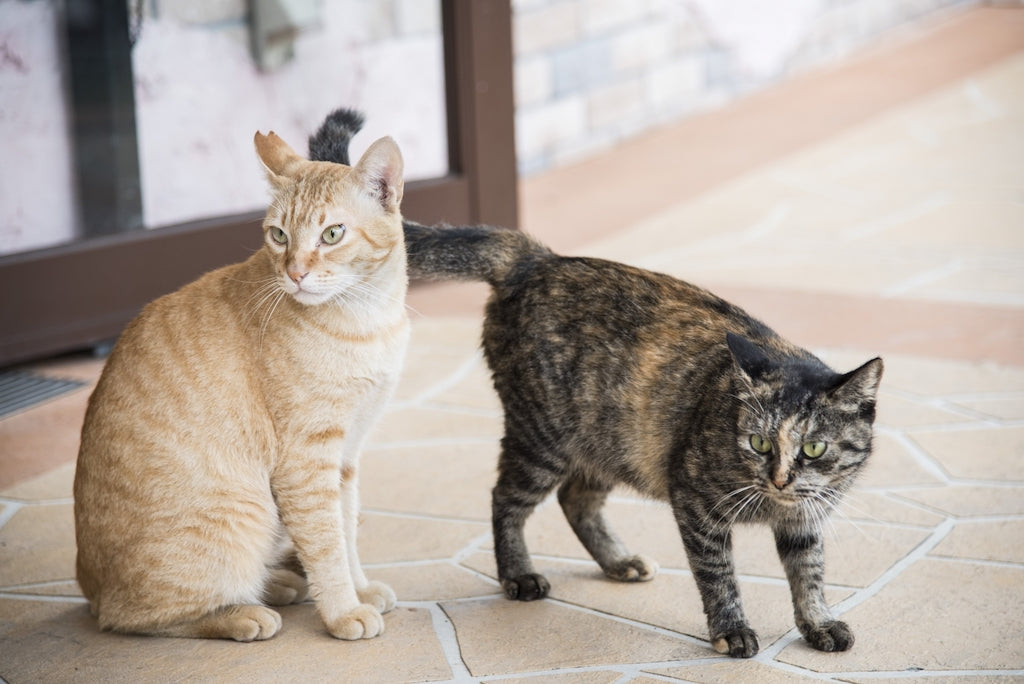
A cat's meow changes depending on their mood and emotions. Short meows, long meows, low-pitched meows – there's a corresponding emotional expression for each vocal variation.
Although it's said there are dozens of different cat vocalizations, they can be broadly categorized into three types: **"Affection/Demands," "Anxiety/Fear," and "Estrus/Intimidation."**
Let's try to interpret your cat's feelings and emotions from the variations in their meows.
Meows of Affection and Demands
When a cat meows at its owner, it's usually a meow of affection or a demand.
A short **"nya"** is a greeting. When they're in a good mood, they'll rub against you with a **"nyaa-nyaa"** or **"nyaan."**
An affectionate **"nyaoh"** hides feelings like wanting to be petted or happiness. When they're a little annoyed, they communicate their demands with a longer **"nyaa-aan"** or **"nyaon-nyaon."**
Just as kittens purr "kururu" to their mothers, cats may also "chat" with their owners by meowing **"kururu"** or **"pururu."** This is proof that they love and deeply trust their owners.
Meows of Anxiety and Fear
When they growl **"woo"** or **"foo,"** it's a warning to stay away. It's important to leave them alone rather than engaging with them excessively.
Also, continuous low, hoarse meows like **"nyaow-ow-ow"** or **"nyago-nyago-nyago-nyago"** indicate that they are feeling unpleasant. This might sound like they're complaining during a vet visit or when guests are over.
Be careful when they meow in a scream-like **"gyaa-aahh."** Besides anxiety and fear, they might be injured and in pain.
Meows of Estrus and Intimidation
Noisy meows during estrus are like groans: **"aoon"** and **"naoh."** First, the female cat in heat will start meowing loudly, and then male cats will respond with their own vocalizations.
When intimidating an opponent, they growl **"nng"** or **"vrrrow"** and then hiss **"shaa!"** to get ready for a fight. This vocalization is an instinctive behavior; even small kittens will arch their backs and hiss "shaa!" to intimidate.
Furthermore, when they spot an insect or bird outside the window, they might chatter **"kakaka"** or **"kekeke"** with their jaws trembling. This is called "chattering" or "clacking," where an excited cat makes sounds by clenching its teeth.
There's More! Variations in Cat Vocalizations

During interaction or brushing, cats might purr or make husky sounds, showing an enraptured expression.
These are signs that your cat feels your love. They are very relaxed, which makes us feel happy, doesn't it?
Purring and "Kururu" from the Throat
Cats purr when they are relaxed and content. While it originated as a sound a mother cat makes to soothe her kittens, they also purr to calm themselves.
Husky Meows and Silent Meows
When a cat is relaxed, it might make husky sounds, or it might make the gesture of meowing "nya" without much sound being heard.
This is commonly known as a **"silent meow,"** a way kittens solicit their mothers. Silent meows often occur when a cat is being held by its owner and feels secure.
Measures When Your Cat's Meowing is Loud
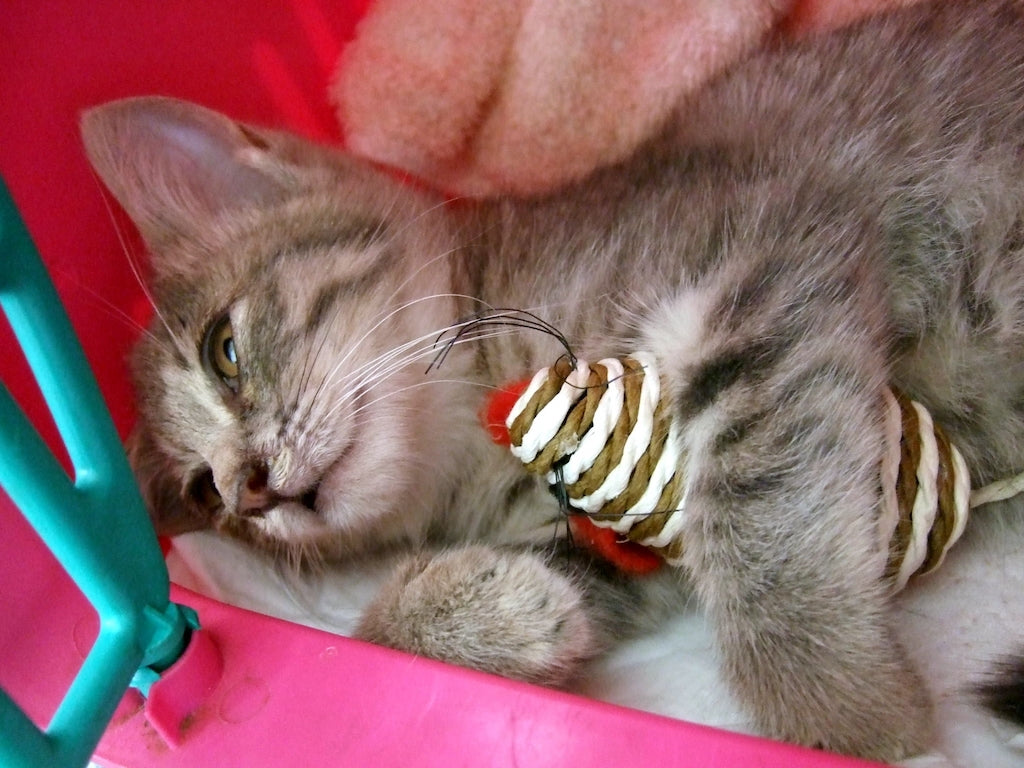
When a cat meows, it's either seeking affection from its owner or making a demand.
Try to meet their demands as much as possible, such as being hungry, having a dirty litter box, or wanting to play. However, it's also somewhat necessary to "train" them by, for example, waiting until they are quiet before responding, so they don't learn that meowing always gets them what they want.
If they meow loudly at night, try measures like playing with them a lot during the day, or reducing their meal portion and feeding them before bedtime.
Also, the noisy meows characteristic of a cat's estrus, such as "aoon" and "naoon," can be addressed by spaying or neutering. This leads to a reduction in physical and mental stress, so if there are no health issues, consider spaying or neutering.
What if their meow sounds different than usual?
If you notice that your cat's meow is different or unusual, it might be due to stress or illness. If you observe signs like lethargy or loss of appetite, take them to the vet.
Summary
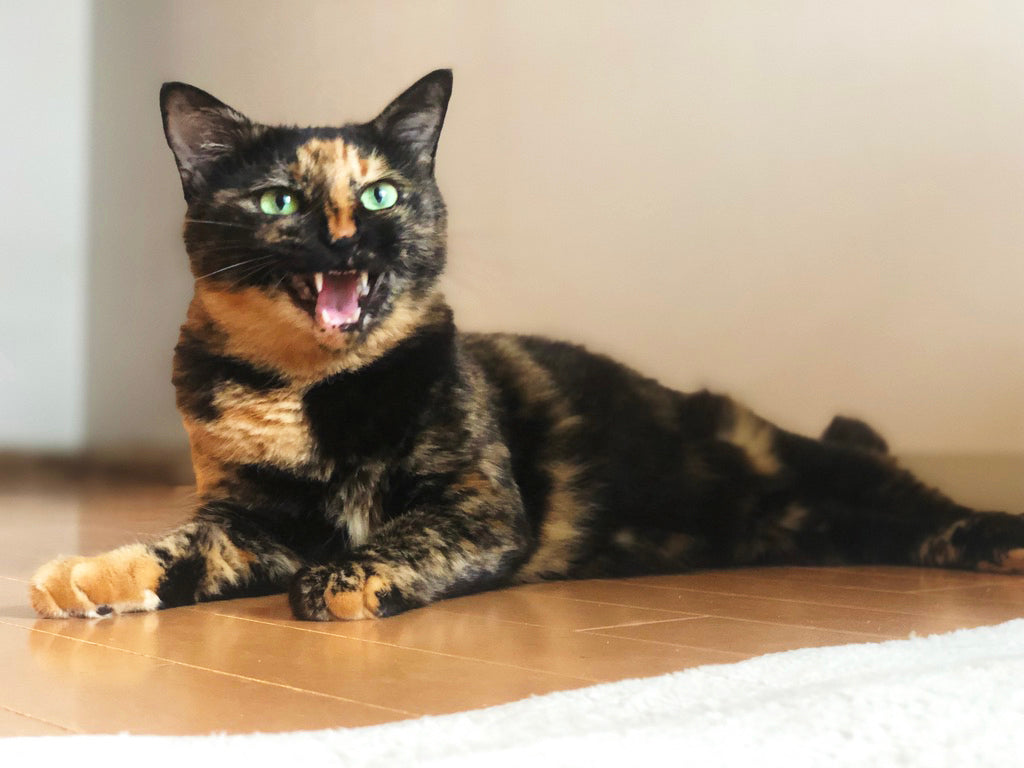
Once you can understand your cat's feelings and emotions from their meows, talking to them will likely become even more enjoyable.
Many owners say they naturally come to understand how their cat is feeling after living with them for a while.
Cats who meow a lot are said to be affectionate, while those who don't meow much are said to be less dependent on their owners. Some cats express emotions through gestures and facial expressions rather than meows, while others are simply very chatty. Each cat has its own unique personality.
Pay attention to even small changes to better empathize with your cat's feelings.
Author Profile




![[New Product] The joy of choosing for you, gentle comfort for your beloved cat. Graphic cat collars are here!](http://www.poponeko.jp/cdn/shop/articles/090600107_93c9c9e5-aa57-4ec7-bbdc-23c6ff1f104b.jpg?height=400&v=1751956036)
![[New Product] Improved fit & feel! Our cotton corduroy cat collars have been renewed!](http://www.poponeko.jp/cdn/shop/articles/240900219_fe07798b-62e5-4c12-9b56-7f12cde11ae1.jpg?height=400&v=1763642459)
![[Set] Leaf Ribbon & Cat Collar - Tartan Check Trench Beige](http://www.poponeko.jp/cdn/shop/files/2606_00015.jpg?v=1785759845&width=600 "[Set] Leaf Ribbon & Cat Collar - Tartan Check Trench Beige")
![[Set] Leaf Ribbon & Scrunchie Cat Collar, Arabesque Swirl, Red](http://www.poponeko.jp/cdn/shop/files/2608_00130.jpg?v=1789044775&width=600 "[Set] Leaf Ribbon & Scrunchie Cat Collar, Arabesque Swirl, Red")
![[Set] Leaf Ribbon "Fleurage" Pink & Scrunchie Cat Collar "Belgian Linen" Wine Rose](http://www.poponeko.jp/cdn/shop/files/2608_00132.jpg?v=1789197487&width=600 "[Set] Leaf Ribbon \"Fleurage\" Pink & Scrunchie Cat Collar \"Belgian Linen\" Wine Rose")
![[Set] Leaf Ribbon & Cat Collar - Gingham Check Tomato Red](http://www.poponeko.jp/cdn/shop/files/DSC00105_c3cf26db-19e7-4828-a848-34b8c51cbf24.jpg?v=1780663891&width=600 "[Set] Leaf Ribbon & Cat Collar - Gingham Check Tomato Red")
![[Set] Leaf Ribbon & Cat Collar - Gingham Check Pink](http://www.poponeko.jp/cdn/shop/files/DSC00107_be0c6dc2-1e03-4ba3-9fbe-dcb40be6c72c.jpg?v=1780663891&width=600 "[Set] Leaf Ribbon & Cat Collar - Gingham Check Pink")
![[Slightly Damaged] Cat-Friendly Cat Warm Shirt, Border (Short Sleeve)](http://www.poponeko.jp/cdn/shop/products/DSC_7661.jpg?v=1675832922&width=600 "[Slightly Damaged] Cat-Friendly Cat Warm Shirt, Border (Short Sleeve)")
うちの猫は呼んだ時「ポロキャーン」???と走りながら鳴いて駆け寄ってきます。
多分「なーに?」的な表現?なのかなぁ?と勝手に解釈してますがw
Leave a comment