

If you own a cat, it's likely they will experience diarrhea at least once. When this happens, what should a cat owner do?
There are numerous causes for diarrhea in cats. While your first instinct might be to visit the vet, the information you provide as the owner can significantly influence the treatment. Observe your cat's stool carefully without panicking. This article will explain the causes and treatments for diarrhea in cats.
Differences between Normal Cat Stool and Diarrhea
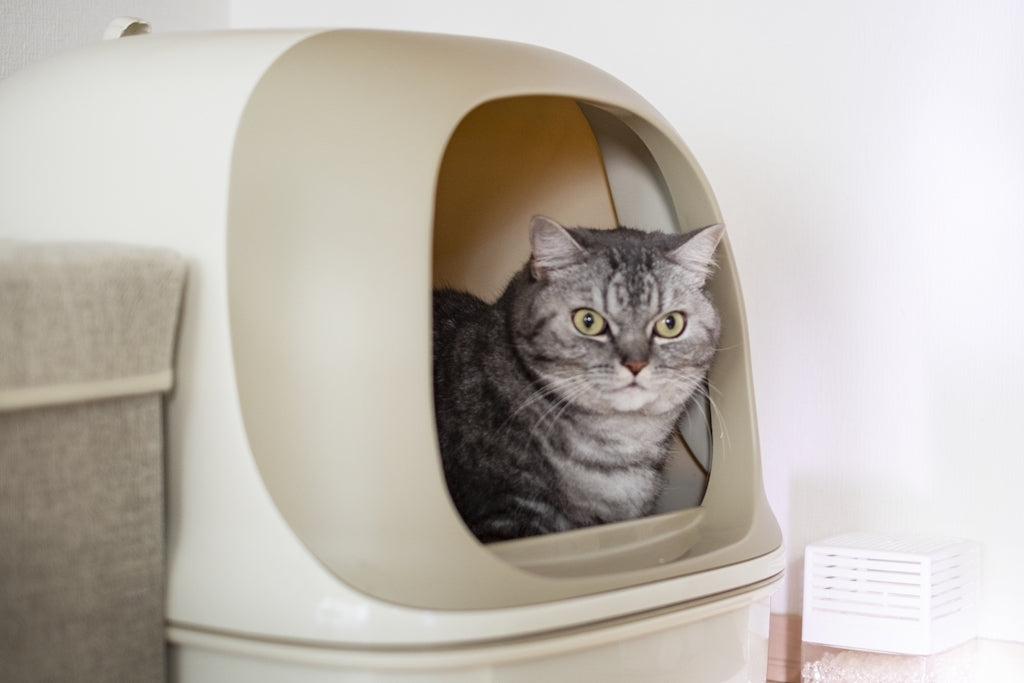
You might imagine cat stool as being firm and lacking moisture. In veterinary terms, normal stool contains about 70% water, while diarrhea is considered to be 80% or more water.
Let's understand the difference between normal stool and diarrhea.
Normal Stool
Normal cat stool has a firm shape with visible cracks on the surface. It might be slightly moist, but it retains its shape when picked up.
Diarrhea
Diarrhea refers to stool ranging from soft (loose stool) to completely liquid (liquid, watery, or muddy stool).
Loose stool is very soft. Its characteristic is that it falls apart when picked up.
Liquid stool is almost entirely fluid.
Causes of Diarrhea in Cats
There are many causes of diarrhea in cats. The main causes include stress, diet, and illness, with most cases of diarrhea being due to illness.
Stress
Environmental changes (moving, seasonal changes, visitors, etc.) can cause temporary stress. This can disrupt the balance of intestinal bacteria due to a weakened immune system, making diarrhea more likely.
Diet
If diarrhea occurs after switching to a food containing specific ingredients, it could be a food allergy. Additionally, food that has been open for a long time can deteriorate and cause diarrhea.
Cats cannot digest the lactose found in human milk. Giving human milk can also cause diarrhea.
Illness
Many illnesses can cause diarrhea. Here are some of the main ones:
・Parasitic Infections
Parasites like roundworms and tapeworms, as well as protozoa such as Giardia, Tritrichomonas foetus, and Coccidia, can cause diarrhea. Some are visible to the naked eye, while others can only be seen under a microscope.
・Viruses
Diarrhea caused by viruses can be fatal in kittens.
Of particular concern is the parvovirus, which has an extremely high mortality rate when infected. Furthermore, this virus is highly contagious, so if disinfection is not thorough, it can spread to other cats in the household.
Feline coronavirus also causes diarrhea, typically mild diarrhea in kittens. This virus is also the causative agent of FIP, which will be discussed later.
・Chronic Kidney Disease
Cats almost always develop chronic kidney disease as they age. Diarrhea is one symptom of chronic kidney disease.
Chronic kidney disease reduces the body's ability to excrete water as urine. This can lead to diarrhea because the cat cannot properly regulate the water content of its stool.
・Immunodeficiency
When cats contract Feline Immunodeficiency Virus (FIV) or Feline Leukemia Virus (FeLV), their systemic immunity is significantly compromised, allowing pathogenic bacteria in the gut to overgrow and cause diarrhea. Additionally, immunodeficient cats may develop severe stomatitis, leading to reduced appetite, abnormal intestinal motility, and diarrhea.
・Neoplastic Diseases
Among feline neoplastic diseases, those that develop in the abdomen can cause diarrhea. If inflammation becomes severe due to a tumor, it can spread to the intestinal tract, causing the intestines to swell. Swollen intestines contain a lot of water, making it easier for water to enter the stool, and the abnormal movement of the intestinal tract due to inflammation further causes diarrhea.
・FIP (Feline Infectious Peritonitis)
FIP occurs when the feline coronavirus, which causes mild diarrhea in cats as mentioned earlier, mutates in the intestines of an infected cat. FIP has various forms: the wet type, which accumulates abdominal or pleural fluid; the dry type, which forms granulomas (lumps) in the body; and a mixed type that exhibits both. Since the virus that initially causes diarrhea is the root cause, diarrhea is one of its symptoms. A cure for this disease has not yet been established, so most cats unfortunately succumb before a diagnosis can be made.
Treatment for Diarrhea in Cats
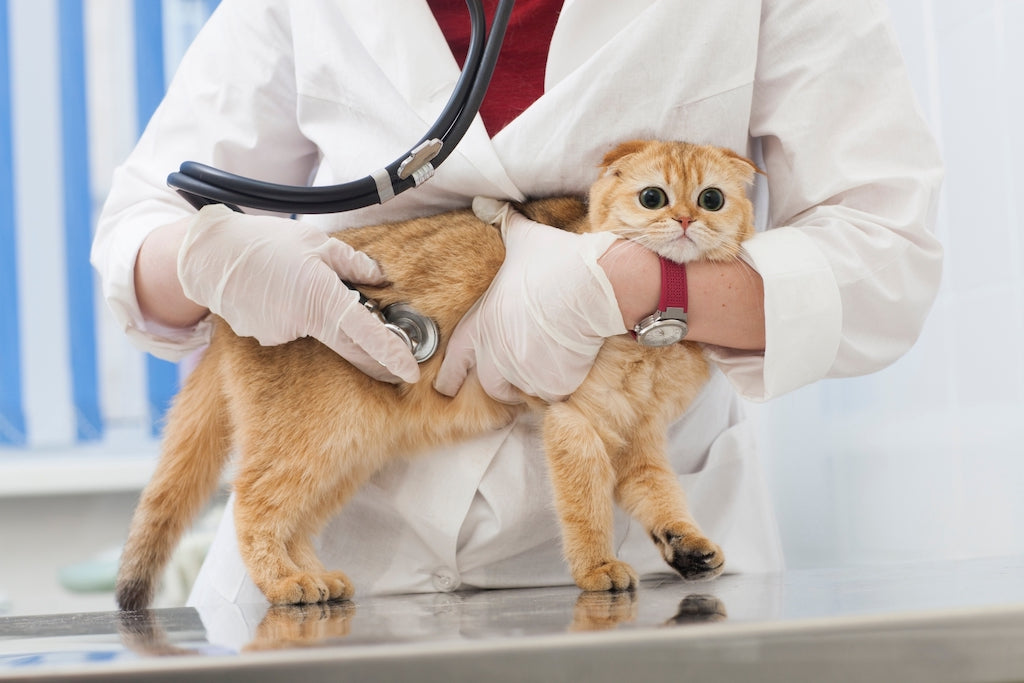
If your cat experiences diarrhea and it resolves quickly, you might be able to monitor them for a bit. However, if diarrhea occurs repeatedly, there's a risk of dehydration, so you should address it promptly.
Visit a veterinarian
If your cat has diarrhea, I highly recommend visiting a veterinarian. Most cases of diarrhea are due to underlying illnesses, and there's also a possibility of contagious diseases that can spread to other animals or humans. When you visit the vet, always bring a stool sample. The sample should be as fresh as possible.
Additionally, keep a record of the frequency of bowel movements, presence of other symptoms, type of food, and vaccination/flea and tick prevention history, and inform the veterinarian.
Review the food
If the food you are using has been open for a considerable amount of time, discard it immediately. Dry food should be used within one month of opening, and wet food within two days, even if refrigerated, after opening.
If you're giving regular milk, switch to cat-specific milk.
If your cat develops diarrhea after eating food with specific ingredients, it may be a food allergy, so switch to a completely different food. However, allergic reactions don't always subside immediately, so your cat might still have diarrhea for a while after changing food. Continue the new food for two weeks and observe the stool. If it worsens, consult a veterinarian.
Diagnosing allergies based solely on food changes is difficult, so always consult a veterinarian.
Consider stress
Cats can develop diarrhea due to environmental changes. While diarrhea caused by seasonal changes is difficult to manage, in cases of moving or visitors, allow your cat to stay in a quiet place until they calm down. Stress-induced diarrhea is temporary. It may be mitigated by probiotic supplements.
Summary

If your cat's diarrhea resolves quickly, it's probably okay to monitor them. However, if diarrhea is prolonged or occurs multiple times a day, your cat could become dehydrated, or if it's a progressive disease, it could worsen. Additionally, diarrhea caused by pathogens can spread to other animals and humans.
Regularly observe the frequency and condition of their stool, and if you notice any abnormalities, consult a veterinarian.

Author Profile


![Feline Infectious Peritonitis (FIP) Treatment Guide [2024 Edition]: Latest Information and Treatment Options](http://www.poponeko.jp/cdn/shop/articles/shutterstock_1633580878.jpg?height=400&v=1727181737)


![[Set] Leaf Ribbon Fleurage Blue & Cat Collar Belgian Linen Mustard](http://www.poponeko.jp/cdn/shop/files/2608_00121.jpg?v=1789197487&width=600 "[Set] Leaf Ribbon Fleurage Blue & Cat Collar Belgian Linen Mustard")
![[Set] Leaf Ribbon & Cat Collar - Gingham Check Pale Lavender](http://www.poponeko.jp/cdn/shop/files/DSC00112_63ffeab6-aadb-4f1e-87d0-1061074971ac.jpg?v=1780663891&width=600 "[Set] Leaf Ribbon & Cat Collar - Gingham Check Pale Lavender")
![[Set] Leaf Ribbon & Cat Collar - Champ de Fleurs (Grey)](http://www.poponeko.jp/cdn/shop/files/DSC00103_d587ccde-94a5-4f05-91f3-f4c88b18ab90.jpg?v=1780663183&width=600 "[Set] Leaf Ribbon & Cat Collar - Champ de Fleurs (Grey)")
![[Slightly Imperfect] Cat-Friendly Skin Protection Suit (Coverall) for Cats](http://www.poponeko.jp/cdn/shop/files/DSC05845.jpg?v=1769403729&width=600 "[Slightly Imperfect] Cat-Friendly Skin Protection Suit (Coverall) for Cats")
![[Set Product] Leaf Ribbon & Cat Collar - Champs de Fleurs Light Green](http://www.poponeko.jp/cdn/shop/files/DSC00102_e084695b-e8f0-442d-89e1-43de838500c2.jpg?v=1780663183&width=600 "[Set Product] Leaf Ribbon & Cat Collar - Champs de Fleurs Light Green")
お世話になります。
楽しく拝見させて頂きました。最近下痢気味で,食べ物かなと思っています。カニカマを与えたところ,下痢をしたので、それが原因かと思いやめましたが、まだ続いています。その他のご相談ですが、ドライフードを食べなくなってしまいました。そのかわり、カツオ節がえらく気にいったらしく、ドライフードに混ぜれば少しドライフードも食べてくれます。
かつお節なしでも食べる方法はありますでしょうか?かつお節を食べ過ぎてげりになってる気もします。よろしくお願い致します。
Leave a comment