

Have you ever heard a cat fart?
Probably not. Regular farts usually smell like, "Did someone just fart?" but if there's an abnormality in the intestines, they can become quite stinky.
This article will explain why cat farts smell bad and what symptoms warrant a vet visit.
Do cats fart?
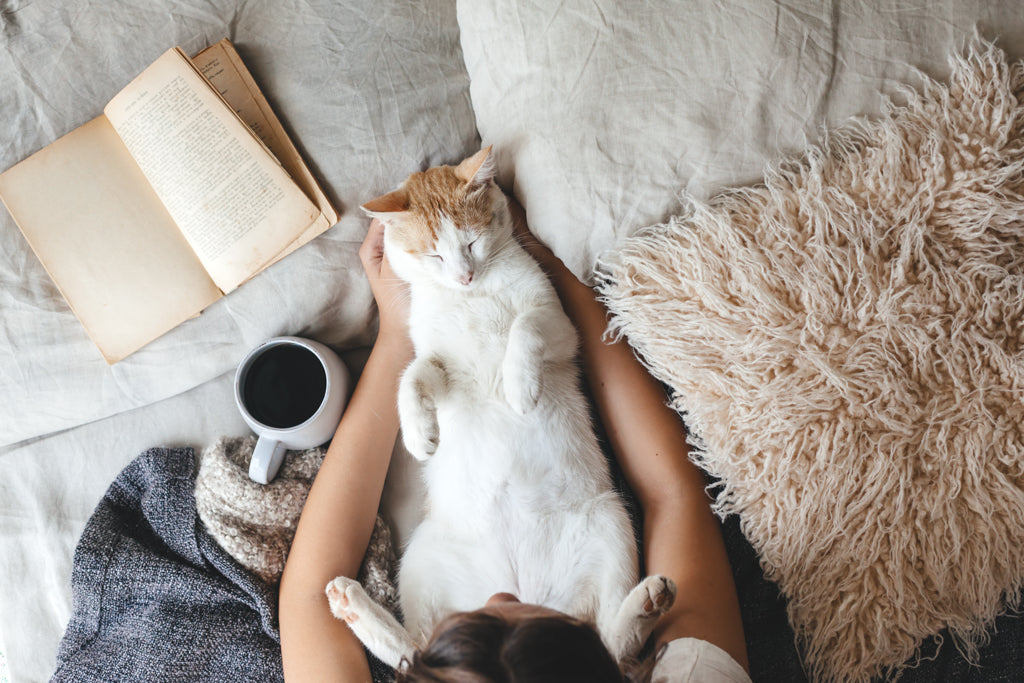
Cats fart, just like humans do. A fart is a phenomenon where air swallowed through the mouth and gas produced in the intestines mix, pass through the intestinal tract, and exit through the anus.
When food is broken down and fermented by intestinal bacteria, odor-causing substances are produced, which makes farts smell bad.
Cats don't usually make much noise when they fart. Even if they do make a sound, it's usually just a "pfft" or "pffft," and most of them are what you might call silent farts.
Why do cat farts smell bad?
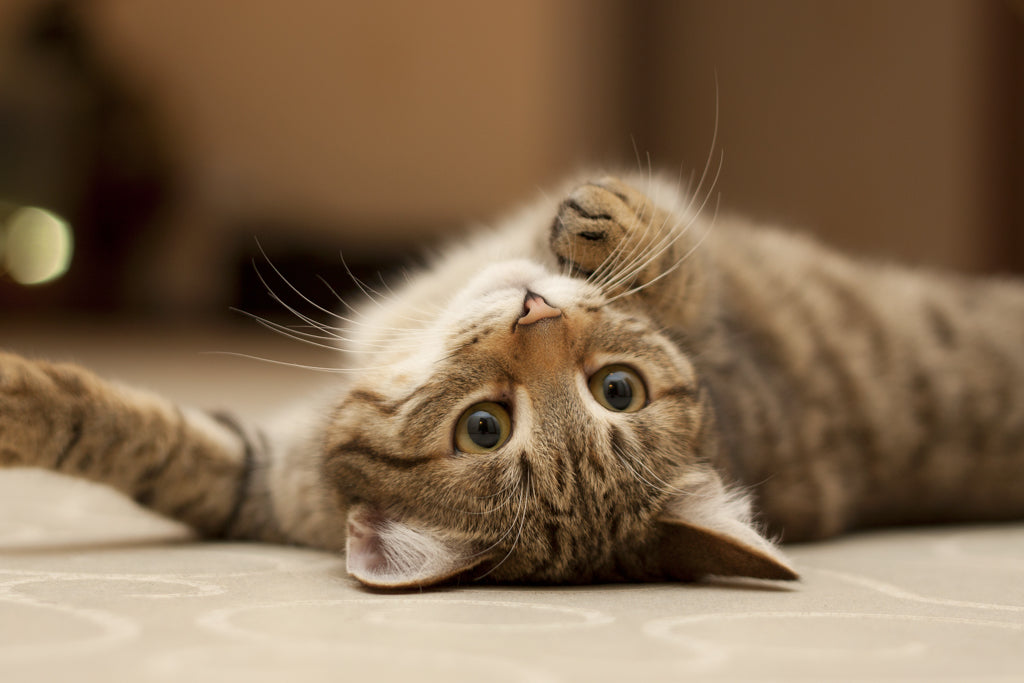
The smell of farts changes depending on the food eaten and the intestinal environment. Let's look at the reasons why farts can smell bad.
Food
Cats are carnivores and consume a lot of protein. When protein is consumed, it is broken down by harmful bacteria in the intestines, producing a foul odor. For this reason, cat farts are said to smell worse than human farts.
Different cat food manufacturers use different ingredients and formulations, leading to variations in protein content. Therefore, if you change your cat's food, you might notice a change in the smell, or it might become stronger.
Stress
When cats experience stress, their digestive tract's movement can weaken, and the balance of intestinal bacteria can shift. Even if you feed them the same food, they might develop soft stools, diarrhea, constipation, or their farts might start to smell bad.
Additionally, stressed cats may groom excessively, swallowing a lot of air in the process. The ingested loose hair can impair digestive function. Excessive grooming can lead to an increase in the frequency of farts or make them smell worse.
Aging
With aging, digestive function declines and the balance of intestinal bacteria is disrupted. When the balance of intestinal bacteria is disrupted, harmful bacteria that are the source of fart odor increase, and the smell changes.
Indigestion
When a cat has an upset stomach, its ability to digest and absorb food decreases, making food residue more likely to remain in the intestines for longer. This increases the amount of gas produced, leading to a stronger odor and more frequent farts.
In cases of indigestion, symptoms such as loss of appetite, diarrhea, soft stools, constipation, and other digestive issues may also appear.
Diseases
If there is an abnormality in the digestive tract, the smell of farts will become foul. When there is an abnormality in the digestive tract, not only does the smell of farts change, but other symptoms also appear. Symptoms will be explained later.
Chronic Diarrhea
If diarrhea persists for more than three weeks despite symptomatic treatment, it is called "chronic diarrhea." Chronic diarrhea can be caused by various factors, including diet, infection, pancreatitis, inflammatory bowel disease, or lymphoma.
Diarrhea is the main symptom, and the frequency and odor of farts will intensify.
Intestinal Obstruction (Ileus)
Intestinal obstruction can occur either physically, due to blockages like hairballs, foreign objects, or tumors, or functionally, due to paralysis of intestinal movement caused by various factors. When intestinal obstruction occurs, the contents of the intestines become difficult or impossible to pass, and gas also accumulates. If the obstruction is not complete, very foul-smelling farts may be released.
Exocrine Pancreatic Insufficiency
The pancreas is an organ that secretes hormones and digestive enzymes. Cats often suffer from pancreatitis, and chronic pancreatitis can lead to exocrine pancreatic insufficiency.
In exocrine pancreatic insufficiency, the digestive enzymes secreted by the pancreas are no longer produced, leading to maldigestion and malabsorption of carbohydrates, proteins, and fats. This results in characteristic diarrhea and significant weight loss.
The characteristic diarrhea involves white, greasy stools (steatorrhea). These are extremely foul-smelling, which also makes the farts smell bad.
Anal Glands
Sometimes what you think is a fart is actually discharge from the anal glands. The anal glands are secretory glands that open in two places near the anus and release a strong, fishy-smelling fluid.
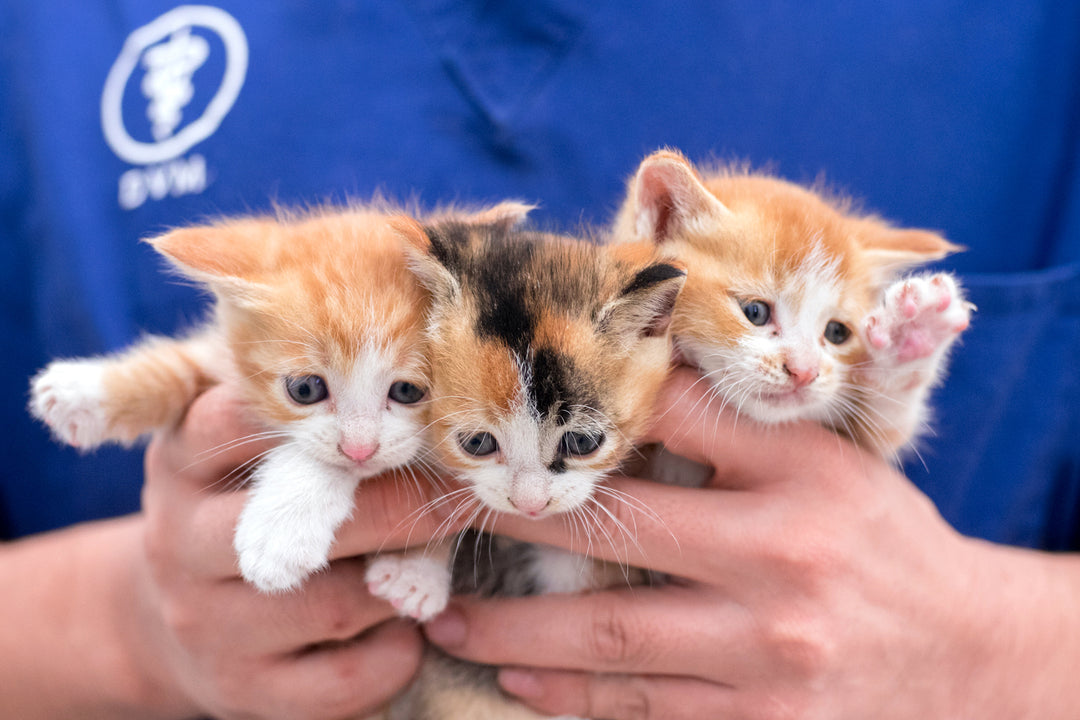
When cats get excited, anal gland secretions can sometimes squirt out. Some cat owners may have experienced a foul smell on them after holding their cat. Kittens, in particular, tend to release anal gland secretions more easily when excited.
While cats typically express their anal glands during defecation, if the secretions are not properly expelled, they can accumulate in the anal sacs and, in severe cases, rupture. It's common for owners to come to the vet thinking their cat's rear end smells, only to discover pus and blood coming from beside the anus.
Symptoms that warrant a vet visit
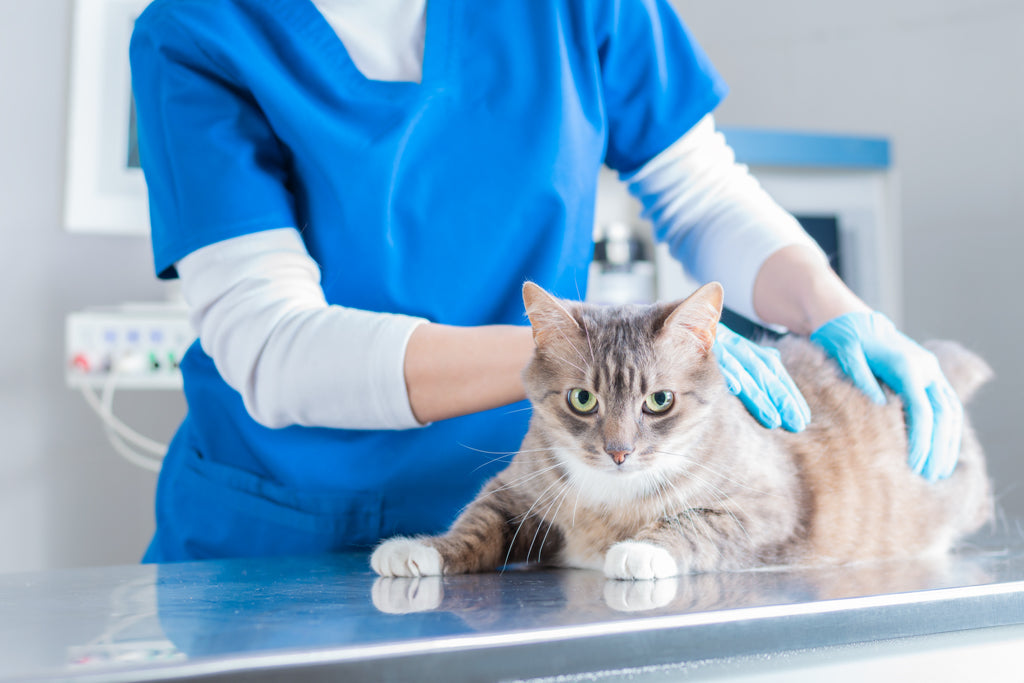
If your cat's farts are just smelly, you can try changing their diet or managing their stress. However, if there are other symptoms in addition to smelly farts, caution is advised.
Consult a veterinarian if you observe any of the following symptoms:
- Bloated abdomen
- Dislikes being touched on the abdomen
- Lack of energy or appetite
- Vomiting, diarrhea, soft stools, bloody stools, constipation
- Grooming so excessive it causes hair loss
- Dislikes being touched on the rear end
If there are symptoms other than just farts, there may be an intestinal disease. In particular, as mentioned earlier, intestinal obstruction can be life-threatening.
Intestinal obstruction is accompanied by severe abdominal pain, so seek immediate veterinary attention.
Summary
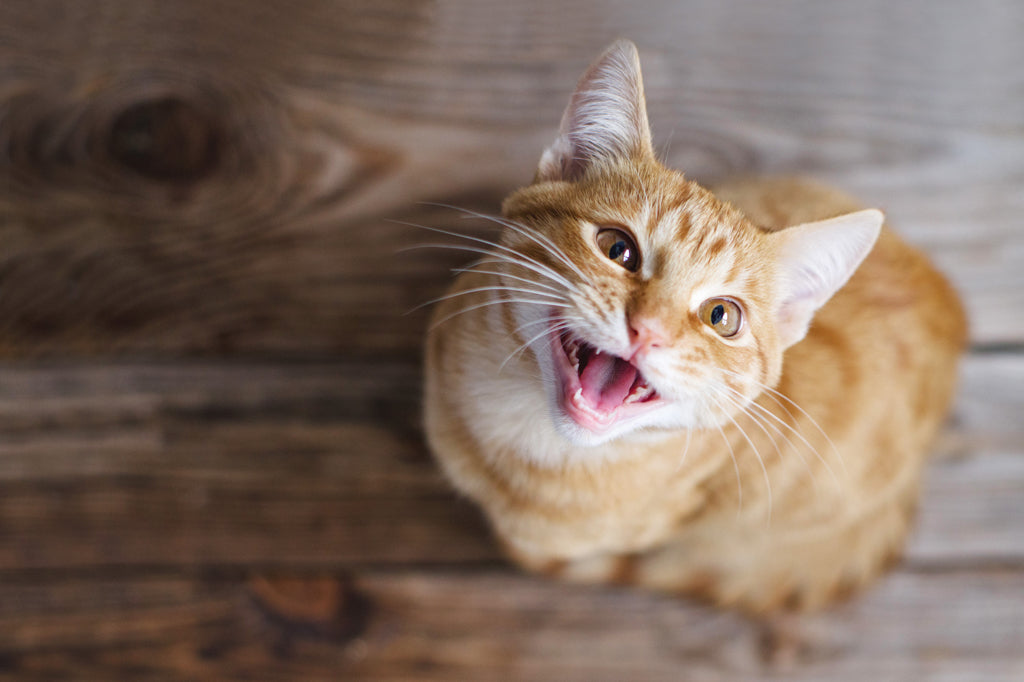
Farting is a natural physiological phenomenon, so it's not abnormal in itself. Also, if only the farts are smelly, it may improve by changing their food or managing stress. However, if there's an abdominal abnormality, other symptoms will always be present in addition to the farts.
In addition to farts, check the condition of their stool and if their abdomen is bloated, and if anything seems unusual, consult a veterinarian.

![Feline Infectious Peritonitis (FIP) Treatment Guide [2024 Edition]: Latest Information and Treatment Options](http://www.poponeko.jp/cdn/shop/articles/shutterstock_1633580878.jpg?height=400&v=1727181737)


![[Set] Leaf Ribbon moda Lydia Lace & Cat Collar Ayakasuri Akane](http://www.poponeko.jp/cdn/shop/files/260618_00159.jpg?v=1784451813&width=600 "[Set] Leaf Ribbon moda Lydia Lace & Cat Collar Ayakasuri Akane")
![[Set Product] Leaf Ribbon & Cat Collar - Champ de Fleurs Mustard](http://www.poponeko.jp/cdn/shop/files/DSC00104_6c37e71d-120f-40d9-a773-9a5b7e885760.jpg?v=1780663183&width=600 "[Set Product] Leaf Ribbon & Cat Collar - Champ de Fleurs Mustard")
![[Set Item] Leaf Ribbon & Scrunchie Cat Collar - Vidro - Lapis Lazuli](http://www.poponeko.jp/cdn/shop/files/2608_00414.jpg?v=1789826564&width=600 "[Set Item] Leaf Ribbon & Scrunchie Cat Collar - Vidro - Lapis Lazuli")
![[Set Item] Leaf Ribbon & Scrunchie Cat Collar, Petit Fleur, Pink](http://www.poponeko.jp/cdn/shop/files/2608_00405.jpg?v=1789946167&width=600 "[Set Item] Leaf Ribbon & Scrunchie Cat Collar, Petit Fleur, Pink")
Leave a comment