

Due to improvements in the living environments of cats and the widespread practice of spaying and neutering, many pet cats are now becoming obese.
When people think of obesity in humans, many are often concerned about diabetes, a lifestyle-related disease.
Did you know that cats can also develop diabetes?
Just like humans, cats can develop diabetes due to obesity. In this article, we will explain feline diabetes.
What is Feline Diabetes?
When an animal eats, food is broken down into nutrients like sugar, which are then absorbed into the bloodstream. While sugar in the blood provides energy for the body to function, it cannot be utilized just by being in the bloodstream. Sugar in the blood must be transported into the body's cells to be used as energy, a process facilitated by insulin, which is secreted by the pancreas.
Diabetes is a disease where insulin is either no longer produced at all or is secreted in insufficient amounts. Because of this insulin deficiency, blood sugar levels rise and sugar is detected in the urine (glycosuria).
Feline diabetes tends to be more common in male cats. Obese and senior cats are at higher risk of diabetes. It can also be caused by pancreatitis, tumors, or infectious diseases.
In cats, it is said that most cases involve a type where insulin is still being produced, but it becomes difficult for it to function properly rather than ceasing production entirely.
In cats, blood sugar can rise temporarily due to stress. Some cats may show high blood sugar levels indicative of diabetes when measured at a veterinary clinic. Diagnosis is determined by evaluating blood sugar levels in conjunction with a marker called fructosamine.
What are the symptoms of feline diabetes?
Diabetes manifests in various ways. Let's take a look at each of them.
Increased Thirst and Urination (Polydipsia and Polyuria)
When blood sugar levels rise, water is drawn into the bloodstream from the body, resulting in an increased volume of urine. As urine output increases, the body becomes dehydrated, which in turn leads to increased water intake. This condition is known as polydipsia and polyuria.
Increased Appetite (Polyphagia)
When a cat has diabetes, blood sugar increases, but because it cannot be converted into cellular energy, the body enters a state of starvation. This causes the cat to eat more than usual.
Weight Loss and Emaciation
Cats with diabetes tend to lose weight even though they are eating more. Despite high blood sugar, the cells are not receiving the necessary glucose, leaving the body in a starved state. Consequently, the body begins to break down its own proteins and fats for energy, leading to weight loss.
Changes in Gait
A normal cat walks on its toes with its hind heels elevated. However, diabetic cats often walk with their hocks flat against the ground.
Ketoacidosis
As diabetes worsens, the breakdown of fat accelerates, and the liver converts these components into ketone bodies. Since ketone bodies are mildly acidic, the blood begins to turn acidic (acidosis). This disrupts the body's electrolyte balance and causes vomiting and diarrhea. The cat's breath may develop a sweet, fruity odor (acetone breath), similar to rotting apples. Further progression can lead to a coma. Mortality rates increase significantly once ketoacidosis develops.
Can feline diabetes be cured? What are the treatments?
The goal of diabetes treatment is to control blood sugar levels.
Dietary Therapy
When diabetes is diagnosed, dietary therapy is implemented. By feeding a therapeutic diet restricted in carbohydrates, you can manage the cat's weight and control sugar intake.
In cases of feline diabetes, improving obesity can sometimes lower blood sugar levels.
Insulin Therapy
If dietary therapy is insufficient for controlling blood sugar, insulin therapy is initiated. Administering insulin injections helps stabilize blood glucose levels.
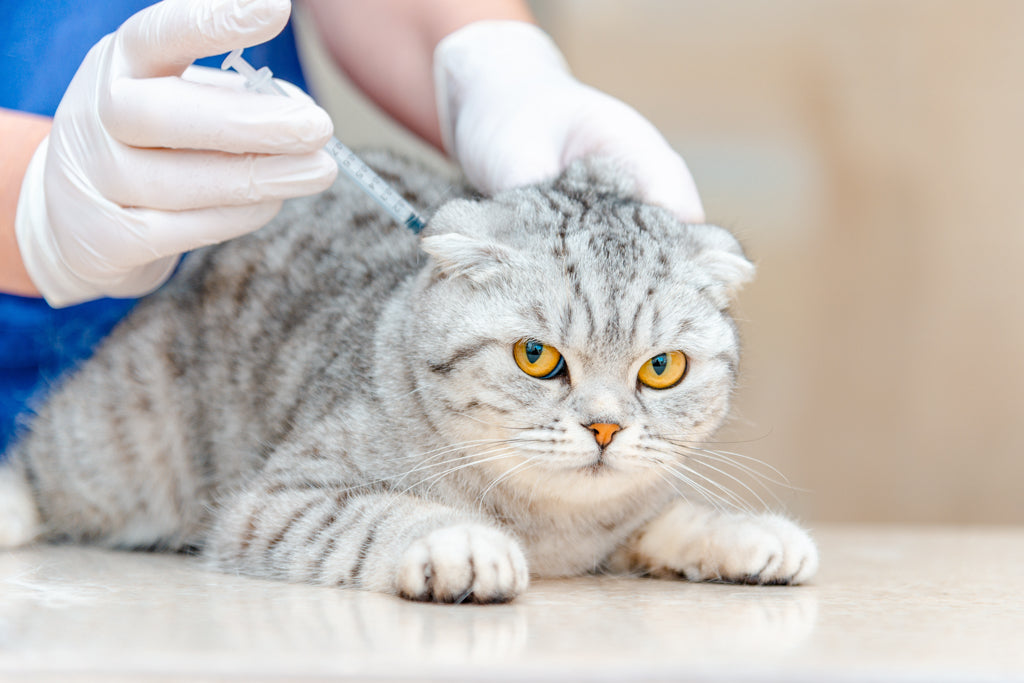
Insulin is injected subcutaneously twice a day. As it must be done daily, this is performed by the owner at home. Because the required insulin dosage varies by cat, you must receive detailed instructions from your veterinarian regarding the dosage and injection technique.
If the insulin dose is too high, it can cause hypoglycemia, resulting in lethargy, vomiting, or drooling. In such cases, administer glucose orally and contact your veterinary clinic immediately.
Summary

Feline diabetes can potentially be put into remission, meaning blood sugar levels become stable as the cat becomes more responsive to insulin once obesity or inflammation is resolved. For prevention, it is necessary to avoid obesity, minimize stress, and prevent infectious diseases. Obesity, in particular, can be managed through diet. Make sure to feed your cat the appropriate amount of food. If your cat is diagnosed with diabetes, be sure to switch to a therapeutic diet.
If undergoing insulin therapy, always administer the exact dose instructed by your veterinarian. It is also important to attend regular check-ups to monitor the diabetes. Ketoacidosis and hypoglycemia can be life-threatening. If your cat appears abnormal, consult your primary veterinarian immediately, or an emergency animal hospital if it is outside of regular clinic hours.
It is also important to receive regular health check-ups.
Health screenings often include not just blood tests, but also urine tests and ultrasounds. It is not uncommon for diabetes to be discovered incidentally during these check-ups.
Take care of your cat's health by scheduling a check-up once or twice a year.
|
【Related Articles】 |











Leave a comment