

It is said that many cats suffer from some kind of oral problem.
Among these, periodontal disease is very common, and data shows that 70% of cats by the age of two suffer from periodontal disease. If left untreated, feline periodontal disease can lead to an inability to eat, potentially becoming life-threatening.
This time, we will explain feline periodontal disease.
What causes feline periodontal disease?
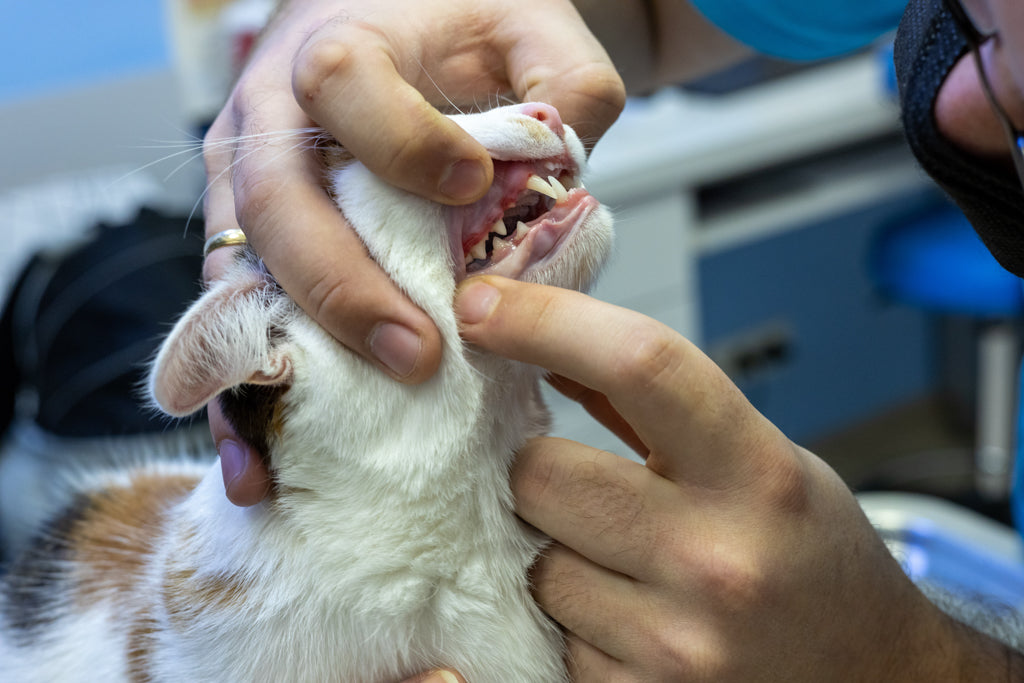
First, let's discuss cat teeth.
Cat teeth are supported by periodontal tissues, which consist of the gums, alveolar bone, periodontal ligament, and cementum. There is a slight groove between the tooth and the gum, called the "periodontal pocket."
When plaque and tartar accumulate in the periodontal pocket, inflammation occurs in the periodontal tissues. This inflammation is called "gingivitis."
Cats are said to be less prone to cavities and more prone to periodontal disease. While the human mouth is slightly acidic, a cat's mouth is alkaline. An alkaline environment makes it difficult for cavity-causing bacteria to thrive but easier for periodontal disease-causing bacteria to multiply. Additionally, cat saliva contains very little amylase, which breaks down starch into sugar, so sugar is less likely to accumulate in the mouth, creating an environment where cavity-causing bacteria, which feed on sugar, are less likely to grow. This is why cats are less prone to cavities and more prone to periodontal disease.
Most feline periodontal disease is caused by plaque, formed from food debris, accumulating in the periodontal pockets, where bacteria then multiply.
As plaque accumulates, it combines with minerals in saliva to form tartar. Tartar is very hard and cannot be removed by brushing. While it takes about 20 days for tartar to form in humans, it changes into tartar in about 7 days in cats.
As tartar accumulates, inflammation gradually occurs in the gums. The gums become red and bleed easily. The teeth may also become loose.
If it progresses further, it leads to a condition known as pyorrhea, where the tooth root and the bone supporting the tooth dissolve, causing the tooth to fall out. This state is also called periodontitis.
Periodontal disease causes pain as the inflammation intensifies. This can lead to a loss of appetite, and if not treated appropriately, can even be fatal.
Periodontal disease can occur in healthy cats, but it also develops and becomes difficult to treat in cases of infectious diseases that weaken the immune system, such as feline AIDS and feline leukemia.
What are the symptoms of feline periodontal disease?
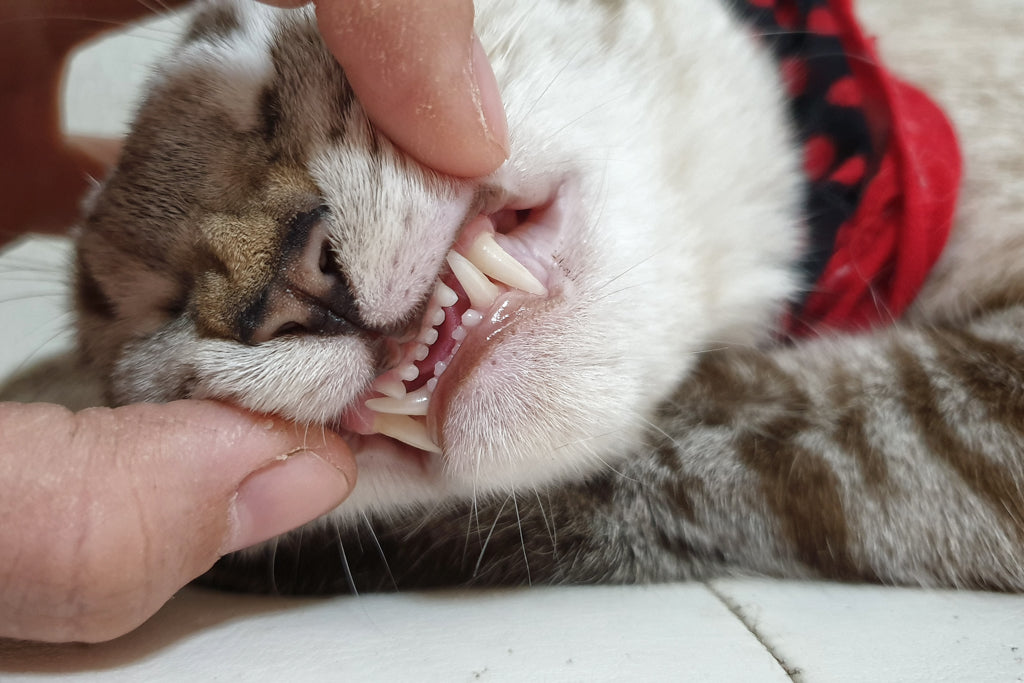
Symptoms of periodontal disease include loss of appetite and dehydration due to pain from inflammation. Due to the pain, cats may also become averse to having their face touched.
They may also drool excessively with a very foul odor. It is common to see their fur around the mouth matted with drool because they scratch their mouth area with their front paws.
If it worsens further, the entire face may swell, or a hole may open below the eye due to bone degradation.
Periodontal disease is caused by bacterial infection. Inflamed gum tissue from periodontal disease causes blood vessels to dilate, allowing bacteria to enter the bloodstream and affect various organs in the body, such as the kidneys, heart, and joints.
How to treat feline periodontal disease?
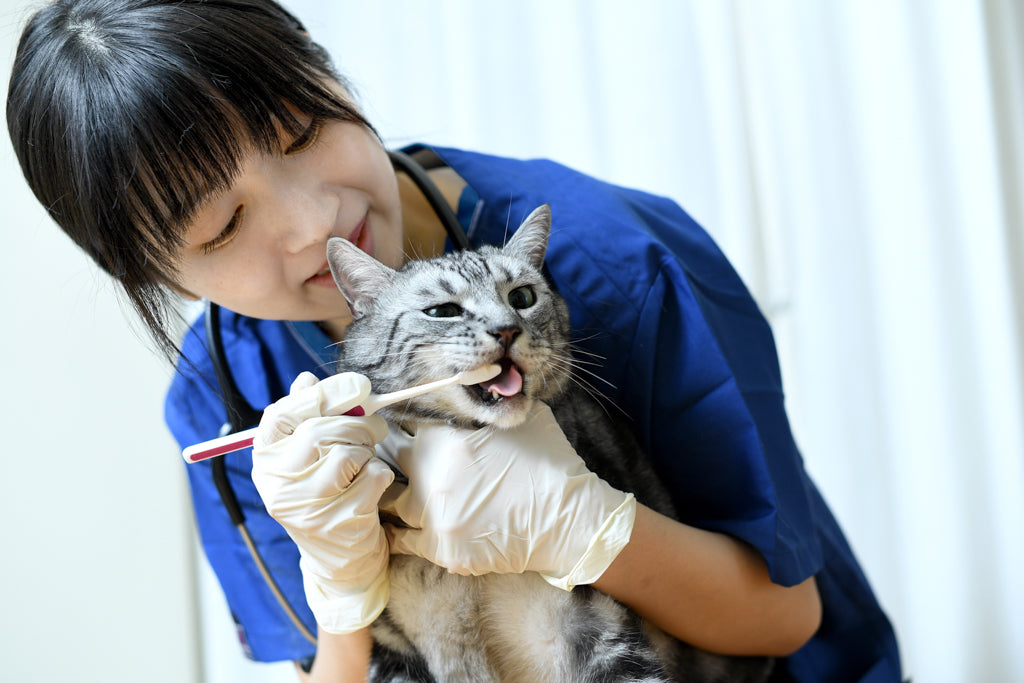
Treatment for feline periodontal disease primarily involves tartar removal, tooth extraction, and medication. We will explain each of these.
Tartar Removal
The cause of feline periodontal disease is plaque and tartar in the periodontal pockets. Therefore, it is important to remove plaque and tartar under general anesthesia. Tartar removal requires general anesthesia and is performed using a device called a scaler. After tartar removal, the teeth are rough and more prone to tartar buildup, so they are polished with an abrasive and coated. Since tartar removal is painful, it must always be thoroughly performed under general anesthesia. Some salons advertise anesthesia-free tartar removal, but tartar cannot be removed without anesthesia. Dental procedures should always be performed at a veterinary clinic where anesthesia can be administered.
Tooth Extraction
If gingivitis is advanced, the inflamed gum tissue may be cut and removed. Also, if the condition progresses to pyorrhea and the tooth root is decayed, tooth extraction is performed. Leaving a tooth that needs extraction can lead to the jawbone decaying and even cause a mandibular fracture.
Medication
Antibiotics and anti-inflammatory drugs are used before and after surgeries such as tartar removal and tooth extraction. Also, many owners are hesitant about surgery. In such cases, the condition may be managed with anti-inflammatory drugs or interferon preparations.
How to prevent feline periodontal disease
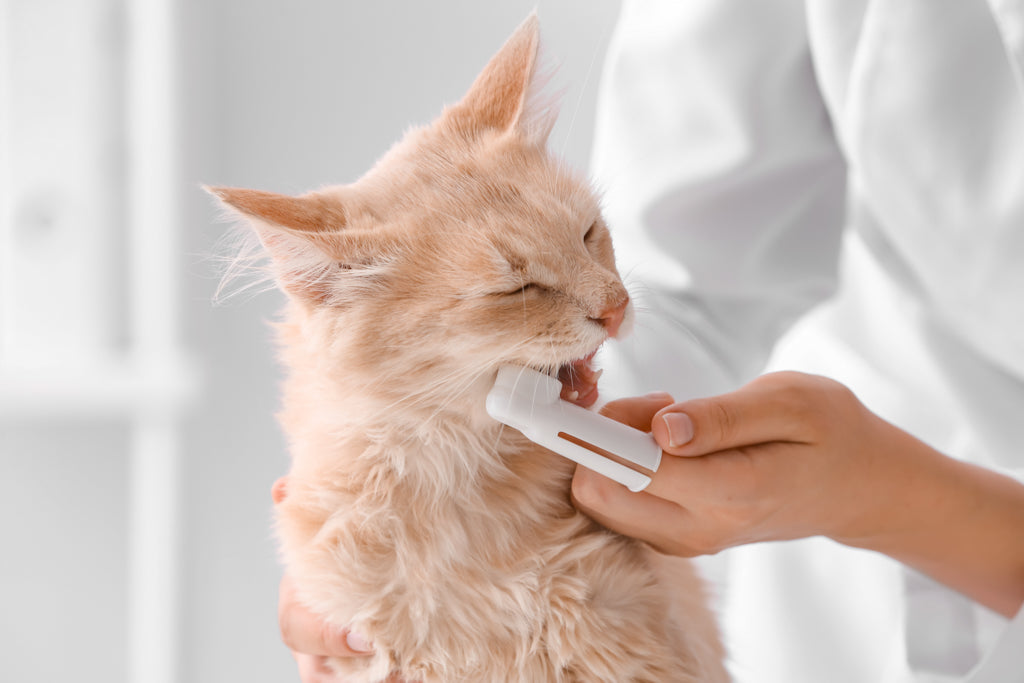
Preventing feline periodontal disease, just like in humans, requires dental care. Let's explain effective methods.
Tooth Brushing
Tooth brushing is the most important part of cat dental care. Especially after tartar removal, brushing is necessary to prevent tartar from re-adhering. However, brushing a cat's teeth is very difficult, and if you try to force it, they might never let you do it again. First, start by practicing touching their mouth area, and give them a reward when they tolerate it.
It is recommended to use a toothbrush for brushing. The bristles of the toothbrush can reach into the periodontal pocket and scrape out plaque. Also, air entering the periodontal pocket creates an environment where periodontal bacteria find it difficult to thrive. When using a toothbrush, start by gently stroking your cat's face with the toothbrush, and once they get used to it, stroke around their mouth. After that, you can actually start brushing their teeth, beginning with the front teeth and gradually moving to the canines and molars. When brushing, toothpaste for dogs and cats is convenient. It comes in flavors that cats like, making brushing an enjoyable experience. The key to brushing is never to force it.
Dental Chews
There are dental chews specifically for cats. Giving them after meals can help prevent plaque from adhering to their teeth. These are recommended for cats that don't allow toothbrushing.
Liquid Type
Some types can be dropped directly into the mouth, while others are mixed into drinking water. By improving the oral environment, the proliferation of periodontal bacteria can be prevented. They are also effective for bad breath.
Toothpaste
As mentioned in the section on tooth brushing, there are dental pastes for dogs and cats. Many cats enjoy licking them because they come in flavors that cats prefer. A characteristic of dental pastes is that some can reduce plaque buildup just by licking.
Human toothpaste contains xylitol, which is toxic to cats, so always use dental paste specifically for dogs and cats.
Summary
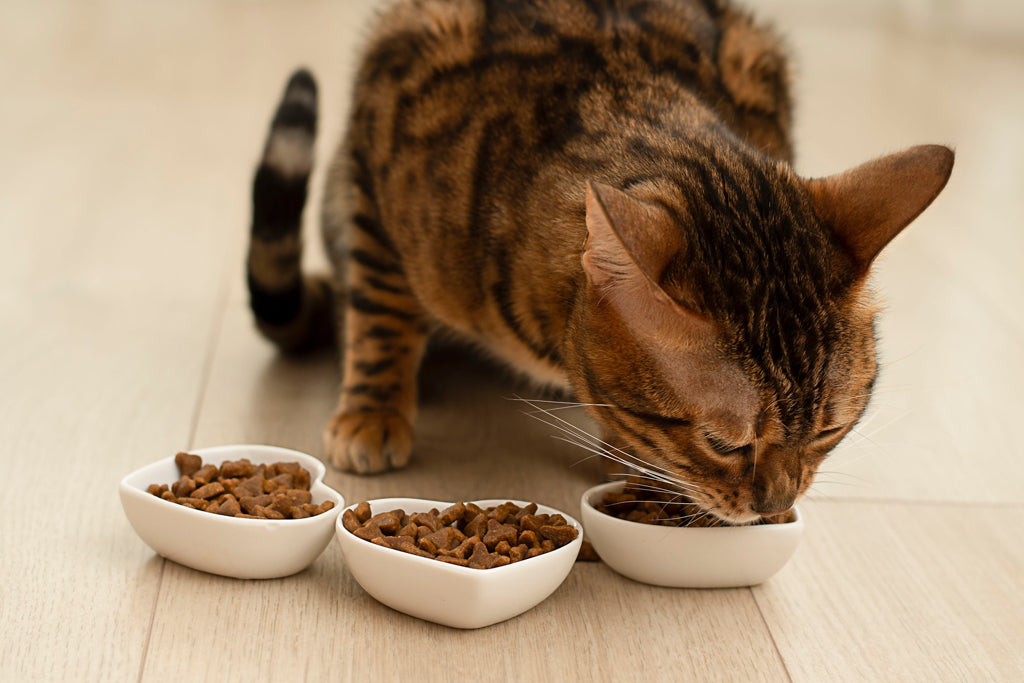
Feline periodontal disease is quite uncomfortable for cats, and if left untreated, it can even be life-threatening. While periodontal disease can be improved with treatment under general anesthesia, it is also important to perform preventive tartar removal, such as once a year.
Of course, daily dental care is also crucial. Let's protect your cat's teeth by doing it in a way they enjoy, without forcing them.
|
【関連記事】 |

![Feline Infectious Peritonitis (FIP) Treatment Guide [2024 Edition]: Latest Information and Treatment Options](http://www.poponeko.jp/cdn/shop/articles/shutterstock_1633580878.jpg?height=400&v=1727181737)


![[Set] Leaf Ribbon moda Lydia Lace & Cat Collar Ayakasuri Akane](http://www.poponeko.jp/cdn/shop/files/260618_00159.jpg?v=1784451813&width=600 "[Set] Leaf Ribbon moda Lydia Lace & Cat Collar Ayakasuri Akane")
![[Set] Leaf Ribbon & Scrunchie Cat Collar, Arabesque Swirl, Green](http://www.poponeko.jp/cdn/shop/files/2608_00129.jpg?v=1789044775&width=600 "[Set] Leaf Ribbon & Scrunchie Cat Collar, Arabesque Swirl, Green")
![[Set] Leaf Ribbon Fleurage Blue & Cat Collar Belgian Linen Orange](http://www.poponeko.jp/cdn/shop/files/2608_00122.jpg?v=1789197487&width=600 "[Set] Leaf Ribbon Fleurage Blue & Cat Collar Belgian Linen Orange")
![[Set] Leaf Ribbon Fleurage Blue & Cat Collar Belgian Linen Mustard](http://www.poponeko.jp/cdn/shop/files/2608_00121.jpg?v=1789197487&width=600 "[Set] Leaf Ribbon Fleurage Blue & Cat Collar Belgian Linen Mustard")
![[Set] Leaf Ribbon & Cat Collar - Hannari Sakura Blue](http://www.poponeko.jp/cdn/shop/files/2608_00126.jpg?v=1789197917&width=600 "[Set] Leaf Ribbon & Cat Collar - Hannari Sakura Blue")
![[Set] Leaf Ribbon moda Star Spangled & Cat Collar Denim Navy](http://www.poponeko.jp/cdn/shop/files/260618_00160.jpg?v=1784451813&width=600 "[Set] Leaf Ribbon moda Star Spangled & Cat Collar Denim Navy")

Leave a comment