

Stomatitis in cats is extremely painful, making it impossible for them to eat.
Many cat owners must feel immense pain when they see their cats trying to eat but unable to due to pain, or crying out when food enters their mouths.
This article will explain cat stomatitis.
What does cat stomatitis look like?
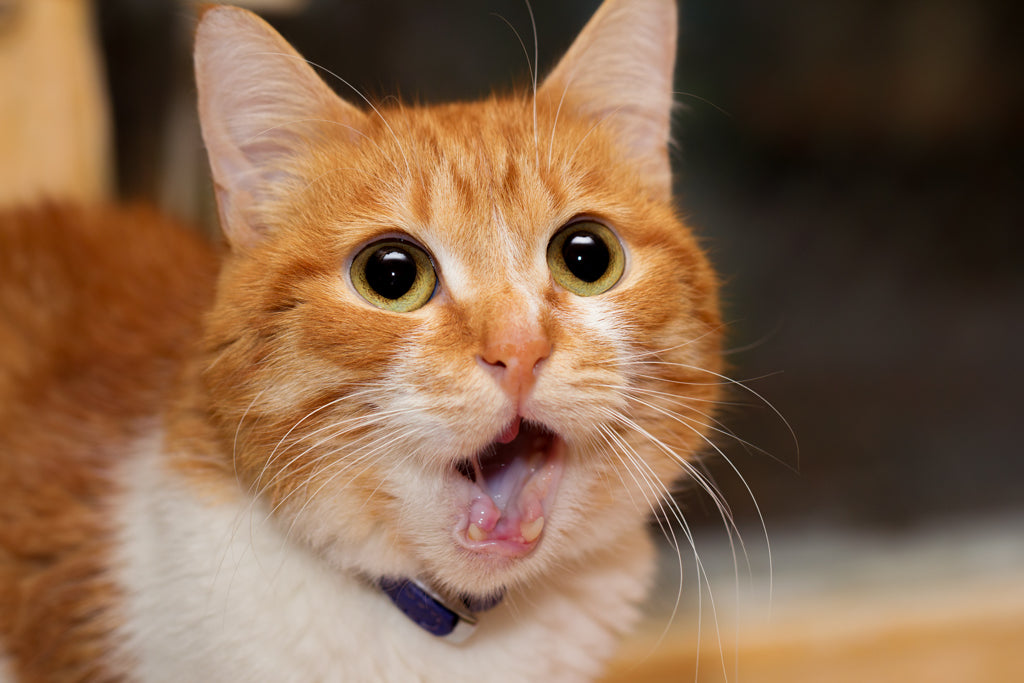
Many people likely imagine human canker sores as several white, circular lesions in the mouth. In cats, stomatitis involves inflammation of the oral cavity and tongue, which becomes red, swollen, and ulcerated.
While gingivitis is an inflammation of the gums, stomatitis involves inflammation of the mucous membranes inside the mouth. The symptoms include the following:
Drooling
Pain can cause increased salivation, and difficulty swallowing results in drooling from the mouth. Not only does the area around the mouth become sticky with saliva, but the front paws also get covered in saliva as the cat tries to rub its mouth.
Stomatitis can sometimes lead to bleeding, so it's common for saliva to be mixed with blood.
Loss of Appetite
Even for us, food can sting a canker sore when we eat. The same applies to cats; food can cause pain in their mouths, leading to a loss of appetite. Even water can sting, sometimes making them unable to drink. The intense pain experienced when eating can cause them to cry out. They might also cry out in pain even when just yawning.
Severe Bad Breath
Stomatitis can cause severe bad breath. Normally, a cat's breath smells like their food, but with stomatitis, the breath can have a foul, ammonia-like odor. Saliva also carries this odor, so bad breath will be present not only around the mouth but also anywhere saliva has accumulated.
Stops Grooming
If stomatitis is present on the tongue, grooming can cause pain. Consequently, cats may not be able to groom themselves properly, leading to a poor coat condition. When they try to groom, saliva may get on their fur, causing it to become sticky and matted.
Causes of Cat Stomatitis
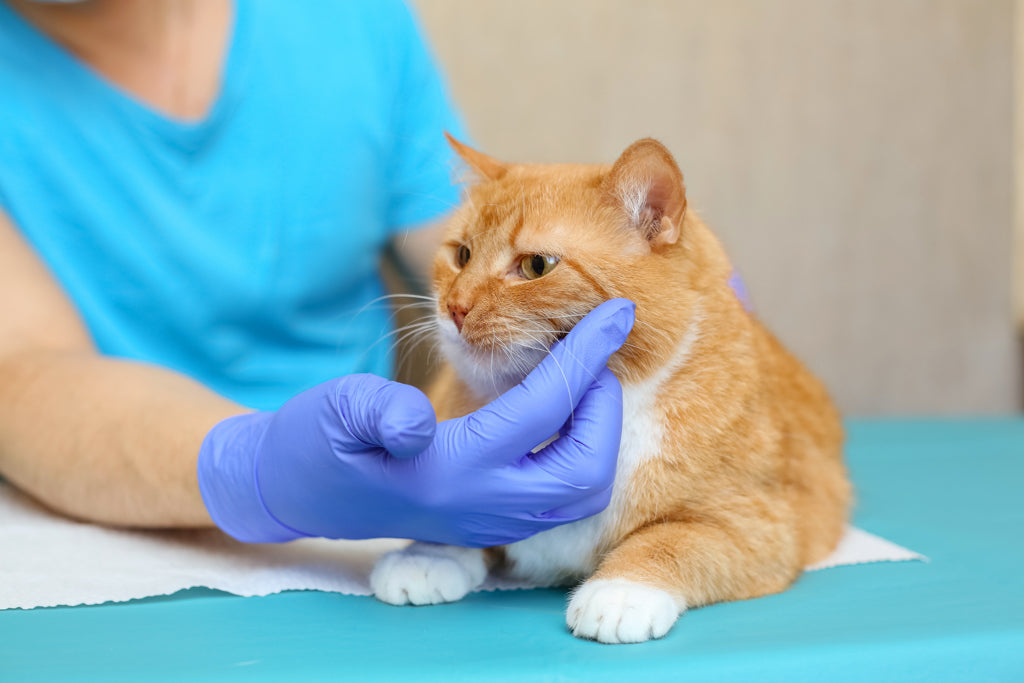
Stomatitis is primarily thought to be caused by viral infections.
Stomatitis Due to Infection
Stomatitis can be caused by viral infections such as feline calicivirus infection. Periodontal bacteria can also lead to stomatitis.
Stomatitis Due to Immune Suppression
When immunity is suppressed due to conditions like feline immunodeficiency virus infection, feline leukemia virus infection, diabetes, or renal failure, microorganisms can multiply more easily in the mouth, leading to stomatitis.
An increase in oral microorganisms can also trigger an excessive immune response, exacerbating stomatitis.
Can Cat Stomatitis Be Cured? What Are the Treatment Options?
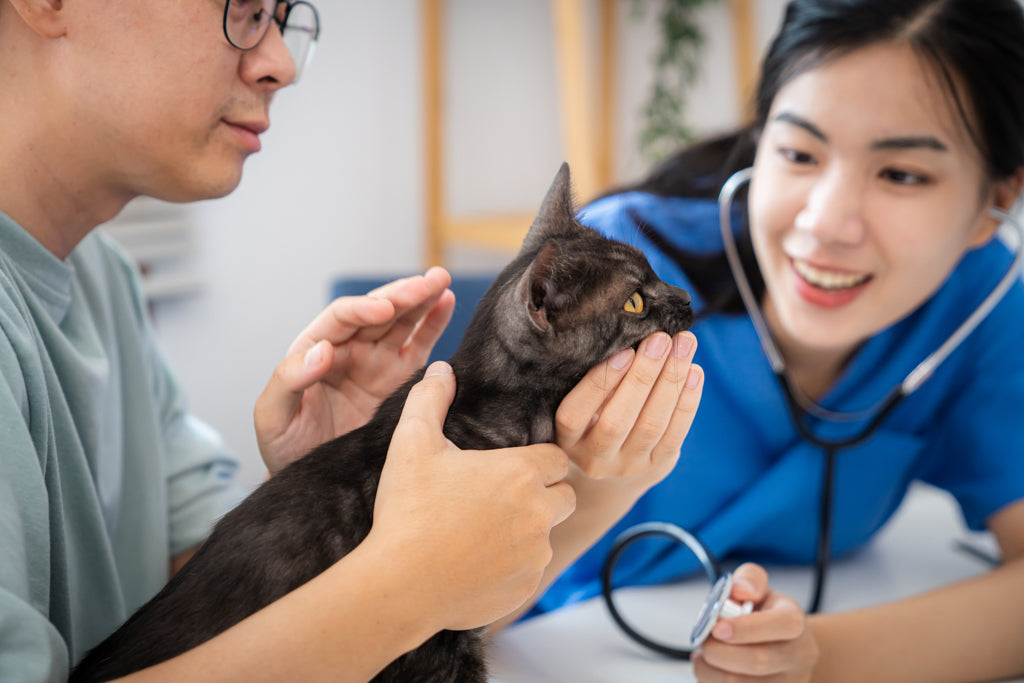
Treating stomatitis involves not only pain relief but also surgical options and even regenerative medicine.
Medication Therapy
Antibiotics, anti-inflammatory pain relievers, and interferon preparations are primarily used for treating stomatitis. In some cases of stomatitis, the immune system overreacts to oral bacteria, and an immunosuppressant may be used.
Since this does not eliminate the underlying cause, symptoms may recur.
Dental Scaling
Tartar is a mass of bacteria. These bacteria can damage the oral mucosa and lead to stomatitis. For mild cases of stomatitis, dental scaling may improve the condition.
Even if the causative bacteria in periodontal pockets are completely removed, new tartar can accumulate, leading to potential recurrence.
Tooth Extraction
Cat stomatitis often presents with severe redness and swelling throughout most of the mouth. Even if tartar is removed through dental scaling, it will reaccumulate, leading to recurrent stomatitis. Tooth extraction is a common treatment for stomatitis. By extracting teeth and the periodontal pockets where microorganisms accumulate, the cause is removed, and stomatitis is treated. It is considered important to extract all molars (full molar extraction) or all teeth (full mouth extraction). However, extraction is a very lengthy procedure, and the risks of anesthesia must be considered. Furthermore, in 5-10% of cases, symptoms may not improve even after extraction.
Regenerative Medicine
Regenerative medicine involves culturing cells from a healthy cat and administering them to a sick cat for treatment. It is believed that substances secreted from healthy cells have the effect of suppressing inflammation and modulating immunity.
Regenerative medicine is expected to be a treatment for chronic stomatitis in cats that is resistant to extractions and various other treatments, and some veterinary hospitals are already using it as a treatment method.
How to Prevent Cat Stomatitis
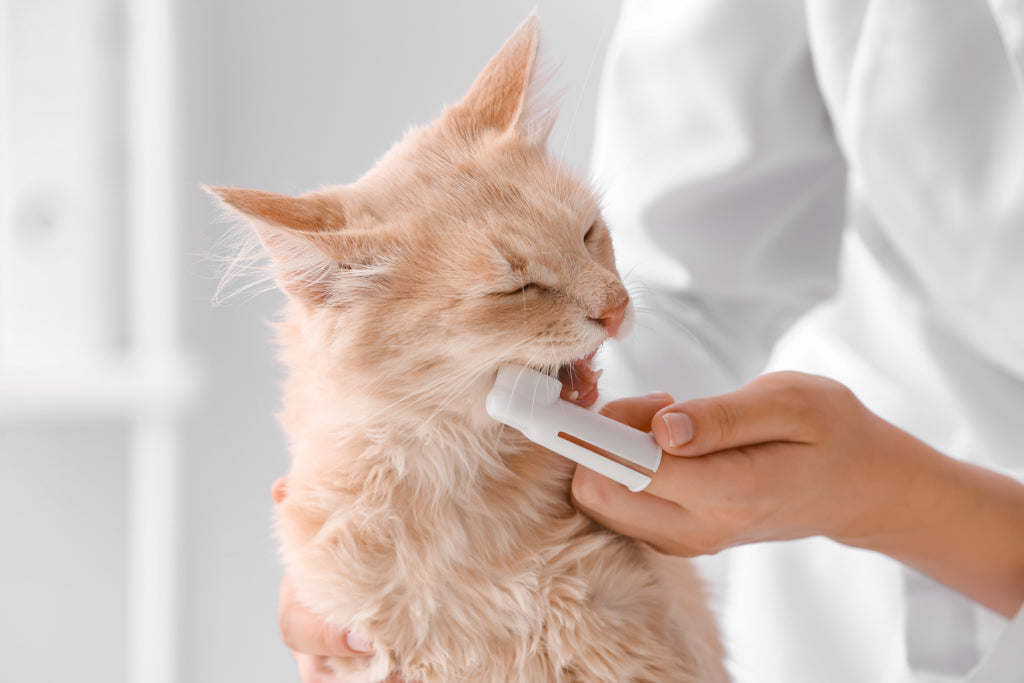
Once a cat gets stomatitis, it is extremely painful and often recurs. Therefore, it is important to prevent stomatitis from occurring.
Preventing Infection
Feline stomatitis can be caused by feline calicivirus and feline leukemia virus infections. Since vaccines are available for these viruses, vaccination is essential. Also, for cats that go outdoors, there is a risk of infection from cats carrying the virus, so they should be kept strictly indoors to eliminate contact with infected cats. If you own an infected cat, measures such as isolation are necessary.
Performing Dental Care
To prevent stomatitis, it is necessary to keep the mouth clean. Dental care, such as brushing teeth, is crucial for maintaining oral hygiene.
Dental care methods include directly brushing teeth with a toothbrush or dental wipes, or using dental chews to prevent plaque buildup. There are also products that can be added to drinking water or applied directly to the mouth to improve oral hygiene. While brushing teeth is effective for oral problems, few cats enjoy it, so choose a dental care method that suits your cat.
Using Supplements
Some supplements have immune-modulating effects. Since opinions on supplements vary among veterinarians, it's best to consult with your regular vet before use.
Reviewing Food
Stomatitis can be caused by periodontal disease. Food adheres to teeth and transforms into tartar. Wet food is said to adhere to teeth more easily than dry food.
Summary
Stomatitis is a very common oral problem in cats. When severe, it can prevent them from eating anything at all, potentially becoming life-threatening. There are various treatment methods for stomatitis. While tooth extraction offers a high chance of complete recovery, it requires prolonged anesthesia, which can be challenging for older cats. If your cat develops stomatitis, it is recommended to discuss treatment options thoroughly with your veterinarian.
|
【関連記事】 |

![Feline Infectious Peritonitis (FIP) Treatment Guide [2024 Edition]: Latest Information and Treatment Options](http://www.poponeko.jp/cdn/shop/articles/shutterstock_1633580878.jpg?height=400&v=1727181737)


![[Set] Leaf Ribbon & Scrunchie Cat Collar - Champ de Fleurs Blue](http://www.poponeko.jp/cdn/shop/files/DSC00087_94f6c056-010c-400c-bd97-b15ffaf7d230.jpg?v=1780663183&width=600 "[Set] Leaf Ribbon & Scrunchie Cat Collar - Champ de Fleurs Blue")
![[Set Item] Leaf Ribbon & Cat Collar - Tartan Check Royal Red](http://www.poponeko.jp/cdn/shop/files/2606_00014.jpg?v=1785759845&width=600 "[Set Item] Leaf Ribbon & Cat Collar - Tartan Check Royal Red")
![[Set] Leaf Ribbon Fleurage Blue & Cat Collar Belgian Linen Mustard](http://www.poponeko.jp/cdn/shop/files/2608_00121.jpg?v=1789197487&width=600 "[Set] Leaf Ribbon Fleurage Blue & Cat Collar Belgian Linen Mustard")
![[Set] Leaf Ribbon & Cat Collar - Gingham Check (Raspberry)](http://www.poponeko.jp/cdn/shop/files/DSC00111_50fa7dfb-0b92-465f-96f3-373274a75e62.jpg?v=1780663890&width=600 "[Set] Leaf Ribbon & Cat Collar - Gingham Check (Raspberry)")
![[Set] Leaf Ribbon Fleurage Purple & Scrunchie Cat Collar Belgian Linen Turquoise](http://www.poponeko.jp/cdn/shop/files/2608_00136.jpg?v=1789197487&width=600 "[Set] Leaf Ribbon Fleurage Purple & Scrunchie Cat Collar Belgian Linen Turquoise")
![[Set] Leaf Ribbon & Cat Collar - Tartan Check Trench Beige](http://www.poponeko.jp/cdn/shop/files/2606_00015.jpg?v=1785759845&width=600 "[Set] Leaf Ribbon & Cat Collar - Tartan Check Trench Beige")

Leave a comment