

Recently, the cold has suddenly become severe. Flu is prevalent in society, and some people may fall ill due to the cold. Just like humans, cats can also become ill due to the cold.
This time, I would like to explain about winter health management.
Cat Diseases That Are Particularly Common in Winter
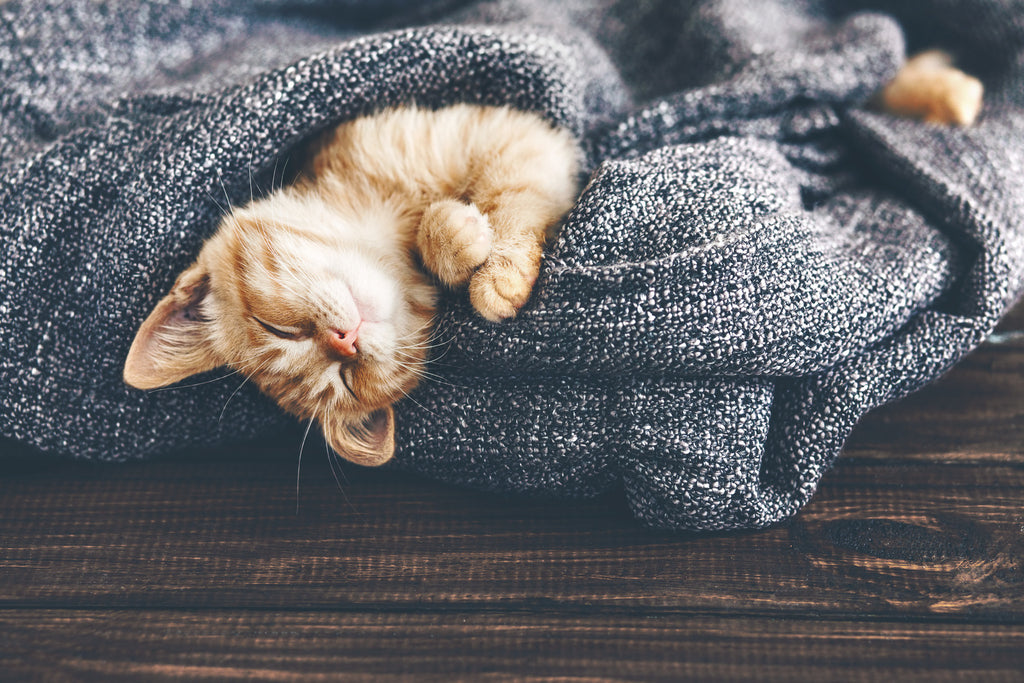
Among cat diseases, some have a higher incidence rate in winter. These are "urinary system diseases." Urinary system diseases include "cystitis," "urolithiasis," and "kidney disease."
I will explain each of them.
Cystitis
Cystitis is an inflammation of the bladder that causes symptoms such as difficulty urinating, frequent urination, and bloody urine. While bacterial infections are a common cause of cystitis in dogs, cats often develop "idiopathic cystitis," which means cystitis occurs without a specific cause. The cause of idiopathic cystitis is not well understood, but stress is thought to be involved. It often develops in winter, and cold-induced stress is considered a causative factor. Additionally, multi-cat households, reduced activity, and decreased water intake are also considered causative factors.
|
[Related Articles] |
Urolithiasis
Urolithiasis refers to urinary stones. Stones form in the bladder or kidneys, leading to difficulty urinating or bloody urine. When stones move through the urinary tract, it causes severe pain. In addition to difficulty urinating, symptoms such as vomiting and loss of appetite may also appear. If stones form in the kidneys and urine cannot flow into the bladder, the kidneys swell, leading to a condition called hydronephrosis. If the state of not being able to urinate continues for several hours, it can lead to acute renal failure and be life-threatening.
|
[Related Articles] |
Kidney Disease
It is no exaggeration to say that most elderly cats suffer from chronic kidney disease. In winter, water intake decreases, and the amount of blood flow to the kidneys decreases. This increases the burden on the kidneys, leading to the development of kidney disease. Chronic kidney disease causes symptoms such as loss of appetite, vomiting, lethargy, and watery urine.
Furthermore, cats with kidney disease are prone to constipation, and special attention is required in winter.
|
[Related Articles] |
Winter Cold Weather Measures
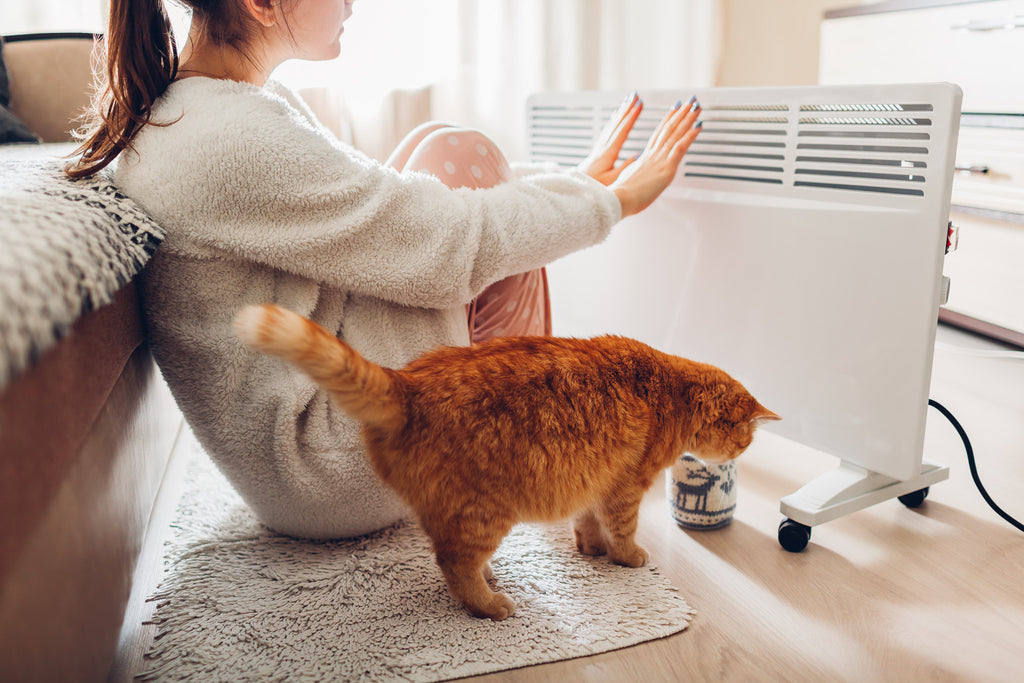
To ensure your cat stays healthy, it is necessary to take precautions against the cold. For cats, it is important to minimize temperature differences and keep the area around the litter box warm.
Minimize Temperature Differences
The comfortable room temperature for cats is said to be around 22℃. Large temperature fluctuations can cause stress and potentially lead to cystitis. Try to create an environment that is not too cold.
If you're leaving your cat alone and plan to leave the heater on, you also need a place where they can escape from the hot air. Also, since the heating can cause thirst, provide more water than usual. If you're not using a heater, it's a good idea to provide blankets or other means for them to stay warm.
If you leave the heater on when going out, you must ensure your cat doesn't play with it. Take measures to prevent them from chewing on outlets or cords. If possible, it's better to use hot water bottles without cords or air conditioners.
In winter, infections like cat flu are also common. To prevent a drop in immunity due to stress, it's important to create an environment with minimal temperature differences.
Keep the Litter Box Area Warm
If the litter box area is cold, cats may not want to use it and will hold their urine. Holding urine increases the risk of cystitis and urolithiasis. In summer, you might have placed the litter box in a cool place to prevent it from getting too hot, but in winter, try to place it in a warmer spot.
Some people place the litter box right next to a window, but the cold air from the window can make it too chilly, so it's better to move it a little further away.
Make Sure Your Cat Drinks Plenty of Water in Winter
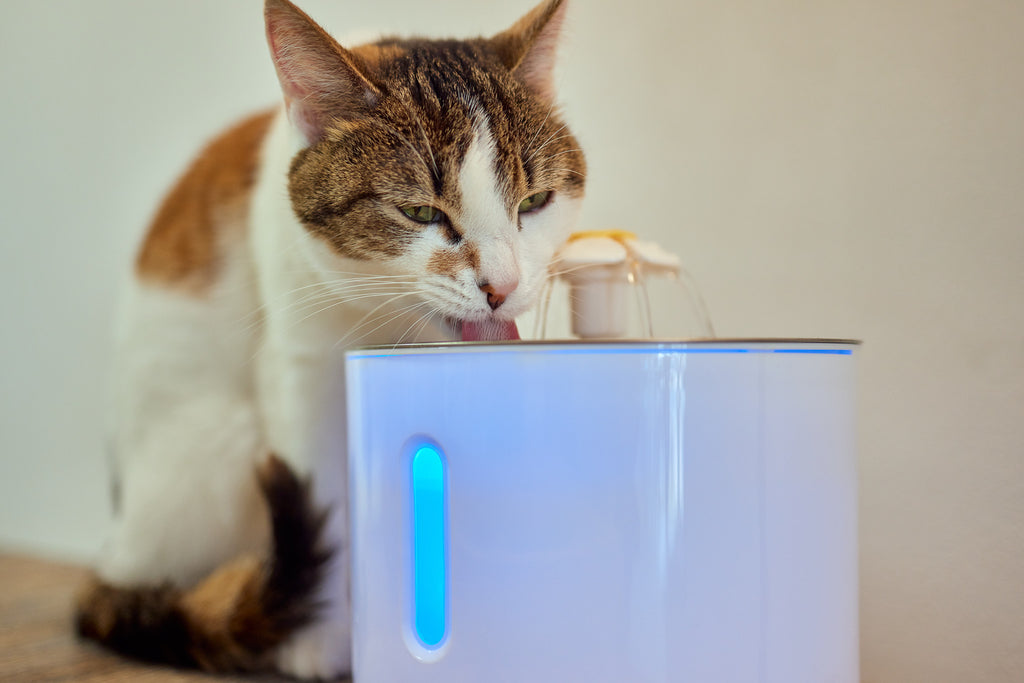
In a heated room, moisture tends to evaporate from the body. Cats tend to drink less water in the winter cold, and they can become dehydrated without you realizing it. Dehydration increases the incidence of urinary tract diseases.
Forcing water can lead to aspiration pneumonia, so it's important to create an environment where your cat wants to drink on its own.
Place Fresh Water in Several Locations
Cats only drink water that is close to them. This tendency becomes stronger as they age. Set up several watering spots within the areas where your cat moves. It is necessary to avoid areas near the litter box.
Although it varies depending on the cat's preference, they tend to prefer fresh water. Be sure to change the water at least once a day.
Change the Bowl
If your cat isn't drinking water, changing the bowl can be a good idea. Cats are said to prefer ceramic > glass > plastic > stainless steel in that order. It might be a good idea to try a ceramic one.
Some cats prefer running water. You might want to try a water fountain.
Measures for Cats Who Don't Drink Much
Elderly cats, for example, may not drink much water. If they mainly eat dry food, adding wet food can be beneficial. Adding flavor to the drinking water itself is also a solution. If you add the juice from wet food or chicken broth to their drinking water, they will drink more readily. Oral rehydration solutions for cats are also available.
Summary
Winter cold is a great enemy for cats.
In particular, urinary system diseases can recur or be life-threatening. Kidney disease, once contracted, is incurable and must be managed long-term. To prevent these diseases, it's important to take proper precautions.

![Feline Infectious Peritonitis (FIP) Treatment Guide [2024 Edition]: Latest Information and Treatment Options](http://www.poponeko.jp/cdn/shop/articles/shutterstock_1633580878.jpg?height=400&v=1727181737)


![[Set Product] Leaf Ribbon & Cat Collar - Champ de Fleurs Mustard](http://www.poponeko.jp/cdn/shop/files/DSC00104_6c37e71d-120f-40d9-a773-9a5b7e885760.jpg?v=1780663183&width=600 "[Set Product] Leaf Ribbon & Cat Collar - Champ de Fleurs Mustard")
![[Set Item] Leaf Ribbon & Cat Collar, Petit Fleur, Mint](http://www.poponeko.jp/cdn/shop/files/2608_00406.jpg?v=1789946167&width=600 "[Set Item] Leaf Ribbon & Cat Collar, Petit Fleur, Mint")
![[Set] Leaf Ribbon & Cat Collar Gingham Check Blue](http://www.poponeko.jp/cdn/shop/files/DSC00106_035b8e99-fd67-47ef-9132-ff2da1afbc67.jpg?v=1780663891&width=600 "[Set] Leaf Ribbon & Cat Collar Gingham Check Blue")
![[Set] Leaf Ribbon & Cat Collar - Gingham Check (Raspberry)](http://www.poponeko.jp/cdn/shop/files/DSC00111_50fa7dfb-0b92-465f-96f3-373274a75e62.jpg?v=1780663890&width=600 "[Set] Leaf Ribbon & Cat Collar - Gingham Check (Raspberry)")
![[Set] Leaf Ribbon moda Sage Wood & Cat Collar Cotton Linen Green](http://www.poponeko.jp/cdn/shop/files/260618_00171.jpg?v=1784451813&width=600 "[Set] Leaf Ribbon moda Sage Wood & Cat Collar Cotton Linen Green")
![[Set] Leaf Ribbon & Cat Collar - Petit Fleur - Pastel Blue [Limited Color]](http://www.poponeko.jp/cdn/shop/files/2608_00410.jpg?v=1789946167&width=600 "[Set] Leaf Ribbon & Cat Collar - Petit Fleur - Pastel Blue [Limited Color]")
うちはまさしく昨年の1月にストルバイト結晶尿に悩まされました。北陸地方で夜間凍結する日も多かったころです。療法食治療で改善→再発→改善を繰り返し、完治まで数ヶ月かかりました。今年は早くから夜間、リビングのエアコン、ホットカーペットはつけっぱなし、1日3回に分けているフードを夜の1回分はウエットフードに切り替えました。飲水量は適量だと思います。ドライフードとウエットフードの混合でカロリー計算が少し厄介でしたがウエットフードはやはり喜んで食べますね。寒さに加えて今年は地震も不安の種なのでストレスにならないように注視していきたいです。
初めまして。よろしくおねがいいたします。
何か所かにみずをおくとよい。。。
うちも最近特に水が減っていないなぁと気にしていたところで
何か所かに置くとよいのですね。。。早速やってみたいと思います。
記事これからも楽しみにしています。
Leave a comment