

Winter is a season when urinary problems in cats frequently occur. Among feline urinary problems, urolithiasis is the second most common, after cystitis. At our clinic, we see an increase in cats visiting with urinary problems as the weather gets colder.
This time, we will explain the causes, treatments, and prevention methods for feline urolithiasis, a condition that can be life-threatening if left untreated.
Symptoms of Feline Urolithiasis
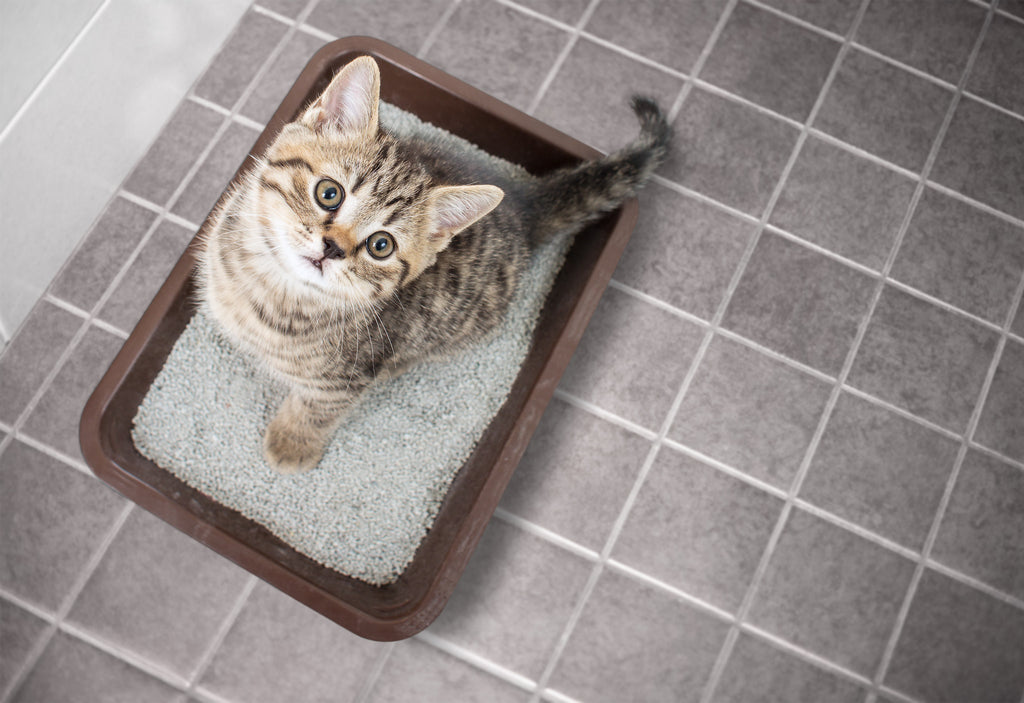
Urolithiasis is a disease in which stones form when stone components in the urine solidify, and these stones block the urinary tract (kidneys, ureters, bladder, urethra, starting from the head), leading to urination problems. The disease name varies depending on where the stones form: kidney stones, ureteral stones, bladder stones, or urethral stones.
Some owners may have been told that their cat has crystals when a urine test was conducted at a veterinary hospital. Crystals are the precursors to stones, and when crystals clump together to form a mass, they become urinary stones. To illustrate urolithiasis, imagine concentrated salt water. Concentrated salt water does not completely dissolve even when stirred and settles at the bottom (crystals). If the state of concentrated salt water continues, larger crystals will eventually form (urolithiasis).
In feline urolithiasis, struvite and calcium oxalate are said to be the two major types of urinary stones. Other components such as ammonium urate and calcium phosphate can also cause urolithiasis, but they are not as numerous.
Symptoms of urolithiasis include inability to urinate, frequent trips to the litter box, vocalizing during urination, blood in the urine, constant licking of the genital area, vomiting, loss of appetite, and lethargy. If a cat cannot urinate, kidney damage can occur within a few hours. Males tend to experience blockages more easily because their urethra is narrower and longer.
Causes of Feline Urolithiasis
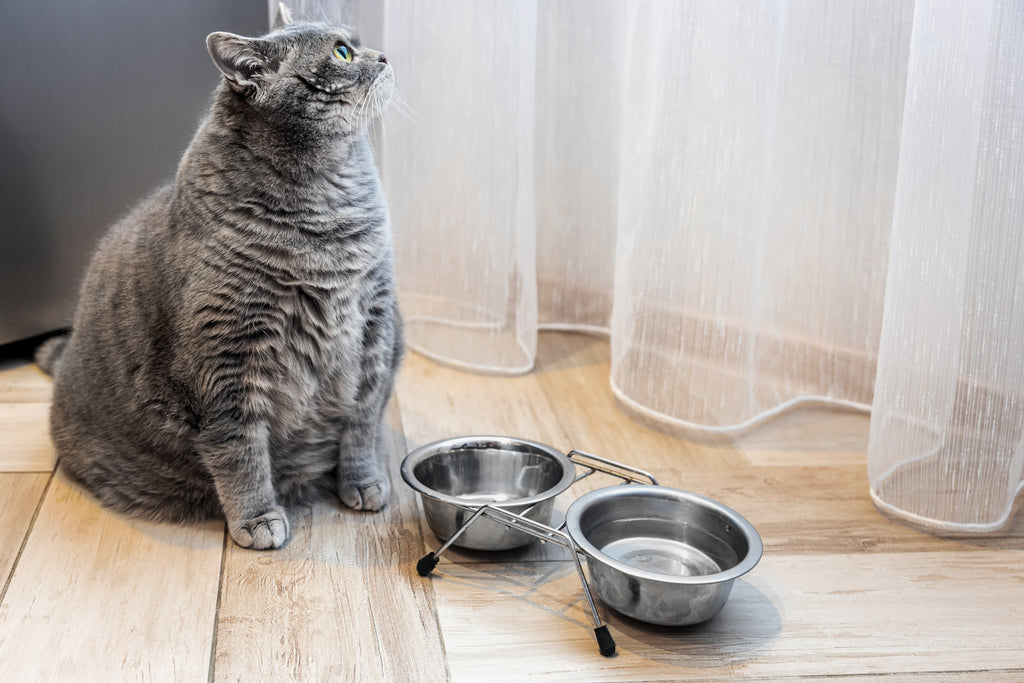
It is believed that a cat's natural lifestyle is one of the causes of urolithiasis. Knowing the causes makes prevention possible.
Low water intake
Because cats' ancestors lived in deserts, they are able to survive with minimal water intake. To live with little water, they produce concentrated urine. Also, in winter, they tend to be less active and avoid cold water, leading to decreased water intake. This is why urolithiasis increases in winter.
Furthermore, since most domesticated cats primarily eat dry food, their water intake tends to be low.
Obesity
Many domesticated cats are obese. Obesity leads to decreased activity, making them less inclined to go to the water bowl, which in turn reduces their water intake.
Spaying/Neutering Surgery
Spaying and neutering are believed to increase the risk of urolithiasis due to a tendency to gain weight. Additionally, if the surgery is performed earlier than 6 months of age, especially in males, the urethra may not develop properly, making them more susceptible to urolithiasis.
Litter box issues
If the litter box is dirty, too small, or the litter type isn't to their liking, cats may hold their urine. In multi-cat households, if there are fewer litter boxes than cats, some cats may not be able to use the litter box. Holding urine leads to more concentrated urine, making cats more susceptible to urolithiasis.
Can Feline Urolithiasis Be Cured? What are the Treatments?
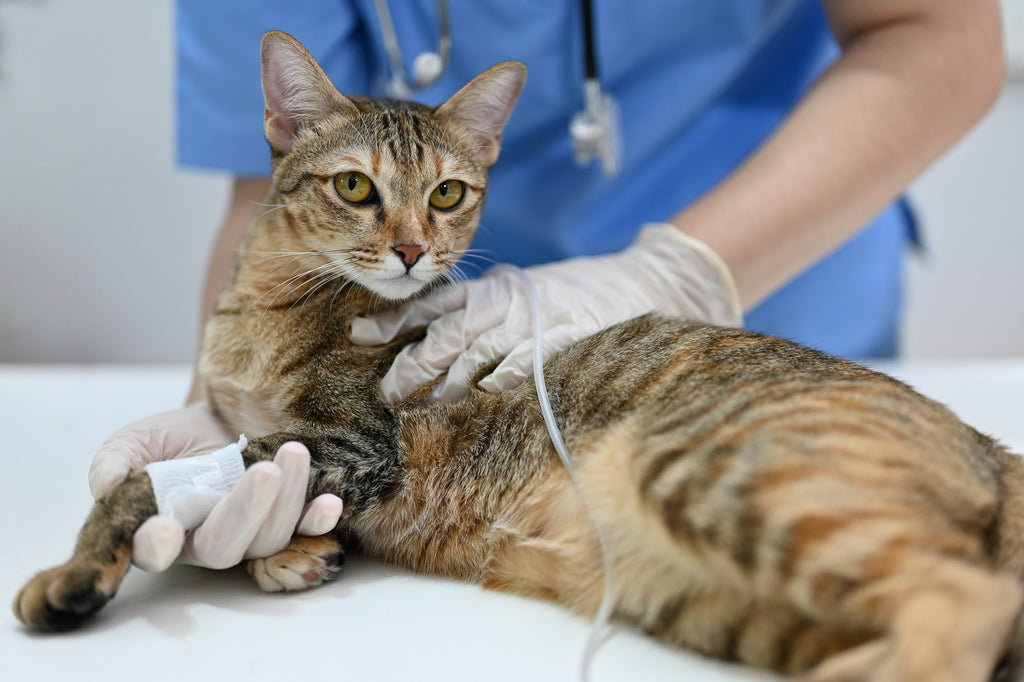
For urolithiasis, the first step is to identify the blockage through examination and confirm the stone's composition with a urinalysis. Treatment methods for urinary stones include relieving obstruction, diet therapy, and surgery.
Relief of obstruction
Most urinary stones get lodged in the bladder and urethra. A tube is inserted into the urethra to push the stone back into the bladder. This procedure is performed under general anesthesia due to the severe pain involved. Since this alone is not a cure, diet and surgery are the main treatment methods.
Diet therapy
Struvite stones have a property that allows them to dissolve when urine becomes acidic. Therefore, if struvite crystals are found in a urine test, a special therapeutic diet is adopted. If the stones are not too large, they can be treated solely with a therapeutic diet. Calcium oxalate stones, however, do not dissolve with diet.
Once a cat develops urolithiasis, it is a disease that is highly prone to recurrence. To prevent recurrence of urolithiasis, it is necessary to switch to a therapeutic diet specifically for urolithiasis. Since there are many types of therapeutic diets for feline urolithiasis, please consult with a veterinarian before purchasing, rather than deciding on your own.
Surgery
Surgery is indicated when there are many stones, the stones are large, or they are calcium oxalate stones. Surgery is also indicated if the kidneys or ureters are blocked. Surgery for urolithiasis is often performed on the day of or the day after diagnosis due to its urgent nature.
In male cats, repeated urolithiasis can scar the urethra, making it narrower and more prone to blockages. In such cases, a perineal urethrostomy may also be performed.
How to Prevent Feline Urolithiasis
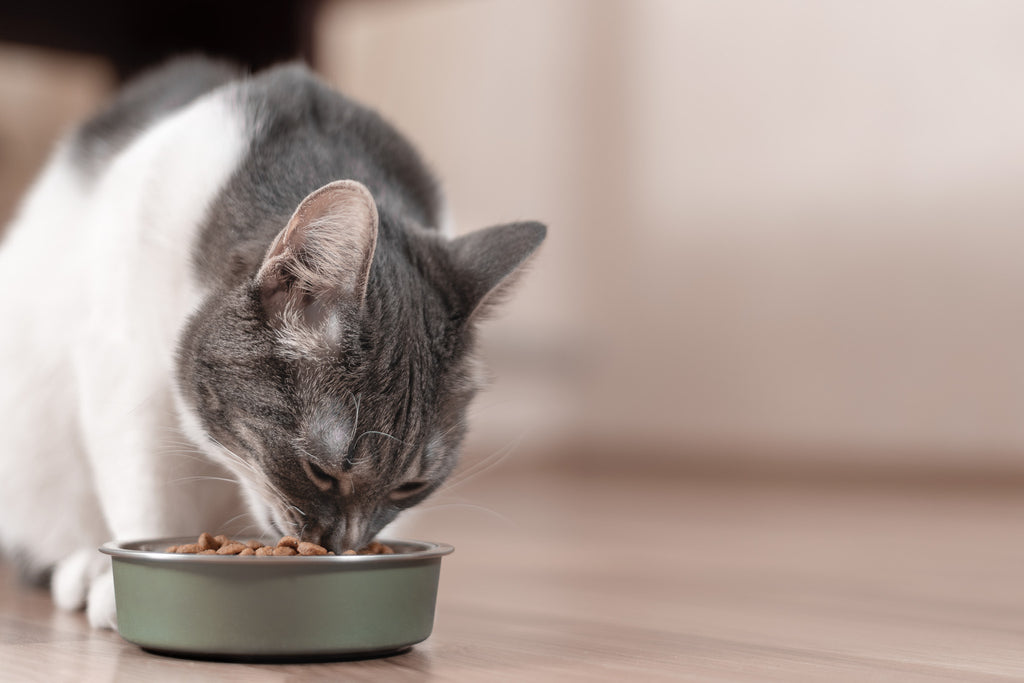
Preventing urolithiasis involves eliminating its causes.
Make it easier to drink water
Cats have a habit of not actively drinking water if there isn't a water source within their activity range. Increase the number of water bowls in your cat's living space. Also, they tend to prefer ceramic or glass bowls. Try changing the container. It's also a good idea to slightly elevate the water bowl.
Cats have different preferences for water. Some prefer running water, while others like water that has been sitting overnight; preferences vary. Also, cats with stomatitis tend to avoid cold water, so some may prefer slightly warmed water. Provide water that suits your cat's preferences.
Do not gain weight
Obesity tends to decrease water intake. Especially after spaying or neutering, cats are more prone to weight gain, which increases the risk of urolithiasis. While their appetite may increase, owners should control their food intake to prevent them from becoming overweight.
For cats who want to eat more, using their natural hunting instincts, such as throwing food for them to catch or hiding food for them to find, can help them feel satisfied with smaller portions.
Review the litter box
Ideally, the number of litter boxes for cats should be the number of cats plus one. The size should be 1.5 times the length of the cat's body or more. This size allows the cat to fully enter the litter box and turn around without its body extending outside. Also, it is said that cats do not particularly like covered litter boxes, and if using one, it is advisable to prepare one with ample height.
Cats experiencing urination problems may be dissatisfied with their litter. It's a good idea to review the number of litter boxes and the type of litter.
Change food
First, never give human food, as it can cause obesity.
If your cat has never had urolithiasis, there's no need to feed it a therapeutic diet. However, for spayed or neutered cats, the post-surgery food available at veterinary clinics is designed with minerals that make it difficult for struvite and calcium oxalate stones to form, so switching to such a diet may be beneficial. Cats that have had urolithiasis have a very high chance of recurrence, so it is necessary to continue using the therapeutic diet prescribed by the veterinarian. Purchasing or stopping the diet on your own can lead to a recurrence of urolithiasis.
Most cats live on dry food alone, but if you feel your cat isn't drinking enough water, you might consider adding wet food.
Summary
Feline urolithiasis is an emergency condition that can be life-threatening. If left unaddressed, the cat's condition will rapidly deteriorate, leading to severe kidney damage. It is not uncommon for such conditions to occur at night. It is important to have a list of veterinary hospitals that provide night-time care.
With a little effort from the owner, feline urolithiasis can be prevented and its recurrence largely avoided. Additionally, there are many excellent therapeutic diets available, so please consult with your regular veterinarian to choose the best food for your beloved cat.

![Feline Infectious Peritonitis (FIP) Treatment Guide [2024 Edition]: Latest Information and Treatment Options](http://www.poponeko.jp/cdn/shop/articles/shutterstock_1633580878.jpg?height=400&v=1727181737)


![[Set Product] Leaf Ribbon & Cat Collar - Champs de Fleurs Light Green](http://www.poponeko.jp/cdn/shop/files/DSC00102_e084695b-e8f0-442d-89e1-43de838500c2.jpg?v=1780663183&width=600 "[Set Product] Leaf Ribbon & Cat Collar - Champs de Fleurs Light Green")
![[Set Product] Leaf Ribbon & Cat Collar - Champ de Fleurs Mustard](http://www.poponeko.jp/cdn/shop/files/DSC00104_6c37e71d-120f-40d9-a773-9a5b7e885760.jpg?v=1780663183&width=600 "[Set Product] Leaf Ribbon & Cat Collar - Champ de Fleurs Mustard")
![[Set] Leaf Ribbon & Scrunchie Cat Collar - Vidro Akane](http://www.poponeko.jp/cdn/shop/files/2608_00413.jpg?v=1789826564&width=600 "[Set] Leaf Ribbon & Scrunchie Cat Collar - Vidro Akane")
![[Set Product] Leaf Ribbon & Cat Collar - Gingham Check Green](http://www.poponeko.jp/cdn/shop/files/DSC00113_9928b03b-5bce-4bf5-b54f-3a4ef263fb16.jpg?v=1780663891&width=600 "[Set Product] Leaf Ribbon & Cat Collar - Gingham Check Green")
![[Set] Leaf Ribbon & Cat Collar - Gingham Check (Raspberry)](http://www.poponeko.jp/cdn/shop/files/DSC00111_50fa7dfb-0b92-465f-96f3-373274a75e62.jpg?v=1780663890&width=600 "[Set] Leaf Ribbon & Cat Collar - Gingham Check (Raspberry)")


Leave a comment