
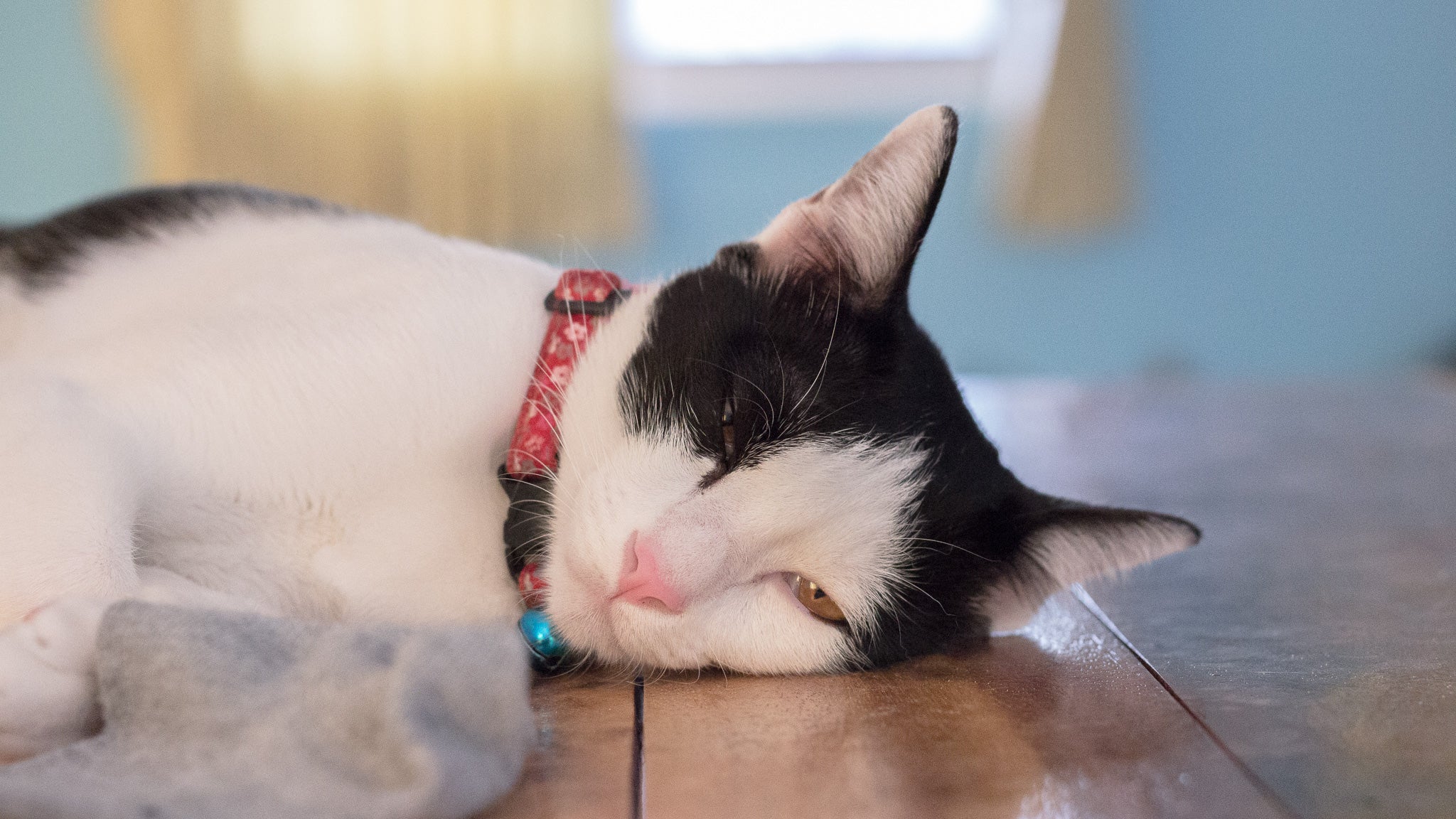
Winter is a season when cats often experience urinary problems. While cystitis and urolithiasis are common, older cats may develop or experience a worsening of kidney disease during winter. There are two types of feline kidney disease: acute kidney disease and chronic kidney disease.
This article will explain the causes, treatments, and prevention methods for feline kidney disease.
What causes feline kidney disease?
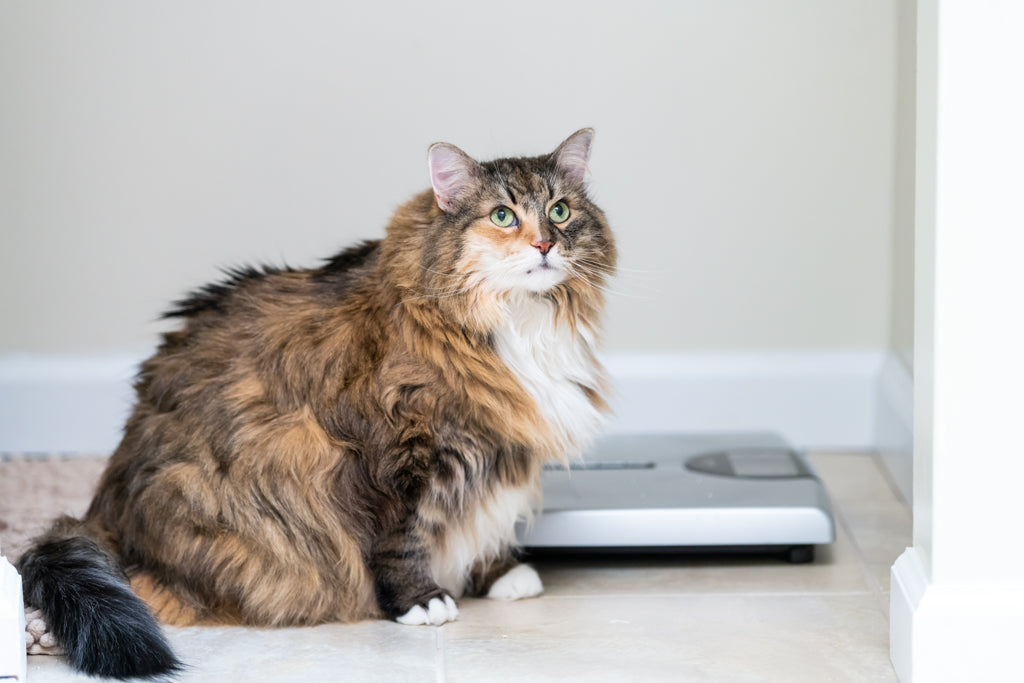
Feline kidney disease includes acute kidney disease and chronic kidney disease. The causes of acute and chronic kidney disease differ significantly. We will explain each.
Acute Kidney Disease
Acute kidney disease is a condition where kidney function rapidly declines due to some cause, leading to the kidneys failing. It progresses rapidly, with kidney function deteriorating within a few hours. When kidney function declines, waste products cannot be effectively expelled from the body, leading to a build-up of toxins.
Main causes include dehydration, bleeding, surgery, obstruction due to urolithiasis, and exposure to toxic substances, drugs, or poisonous plants that affect the kidneys.
Winter, in particular, sees an increase in cystitis and urolithiasis. These conditions can suddenly prevent a cat from urinating, causing urine to accumulate in the body. When urination stops, the kidneys suffer damage, leading to acute kidney disease.
If left untreated, acute kidney disease can be fatal within 1-2 days, but if the cause is removed, recovery can be swift.
Chronic Kidney Disease
Chronic kidney disease is common in older cats, affecting 30-40% of cats aged 7 years or older and 80% of cats aged 15 years or older, making kidney disease the leading cause of death in cats.
Unlike acute kidney disease, chronic kidney disease occurs when the kidneys are damaged for several months or longer. Chronic kidney disease cannot be cured with treatment. It continues to progress gradually, eventually leading to end-stage kidney failure or uremia.
For many years, the main cause remained unclear, but recently, a substance called "AIM" has been linked to kidney aging, and it is believed that chronic kidney disease in cats results from a malfunction of AIM.
Abyssinians, Persians, and Exotic Shorthairs are genetically predisposed to kidney disease. Additionally, urinary stones and bladder stones in older cats can rapidly accelerate the progression of chronic kidney disease.
What are the symptoms of feline kidney disease?
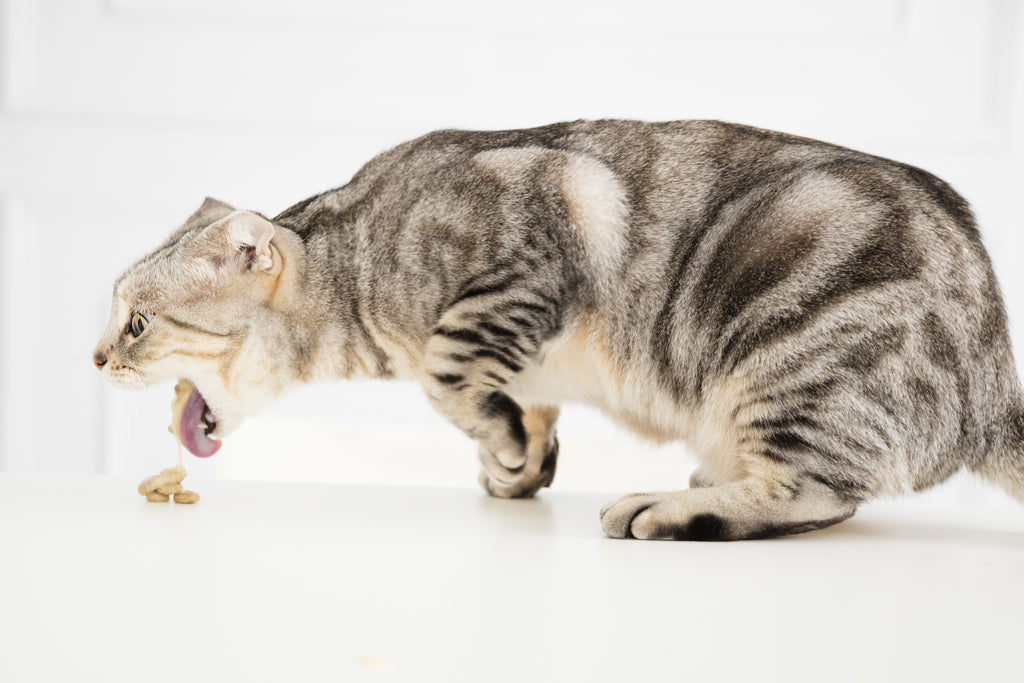
The symptoms of acute and chronic kidney disease are very similar. While acute kidney disease presents sudden symptoms, chronic kidney disease symptoms appear slowly. Because chronic kidney disease progresses gradually, the disease may be in an advanced stage by the time symptoms appear.
Acute kidney disease causes sudden lethargy, loss of appetite, vomiting, diarrhea, decreased urine output, and hypothermia. Because it progresses rapidly, if left untreated, it can be fatal within a few days.
Chronic kidney disease is divided into early, middle, late, and end stages, but there are almost no symptoms in the early stage. Symptoms appear in the middle stage and beyond, including polydipsia (excessive thirst), polyuria (excessive urination), dehydration, anemia, stomatitis, vomiting, loss of appetite, lethargy, emaciation, and seizures. The end stage is also known as the uremic stage, where symptoms of uremia appear. The cat will lose its appetite completely and vomit frequently. Due to the accumulation of toxins in the body, the cat may emit a urine odor from its entire body.
Can feline kidney disease be cured? What are the treatment methods?
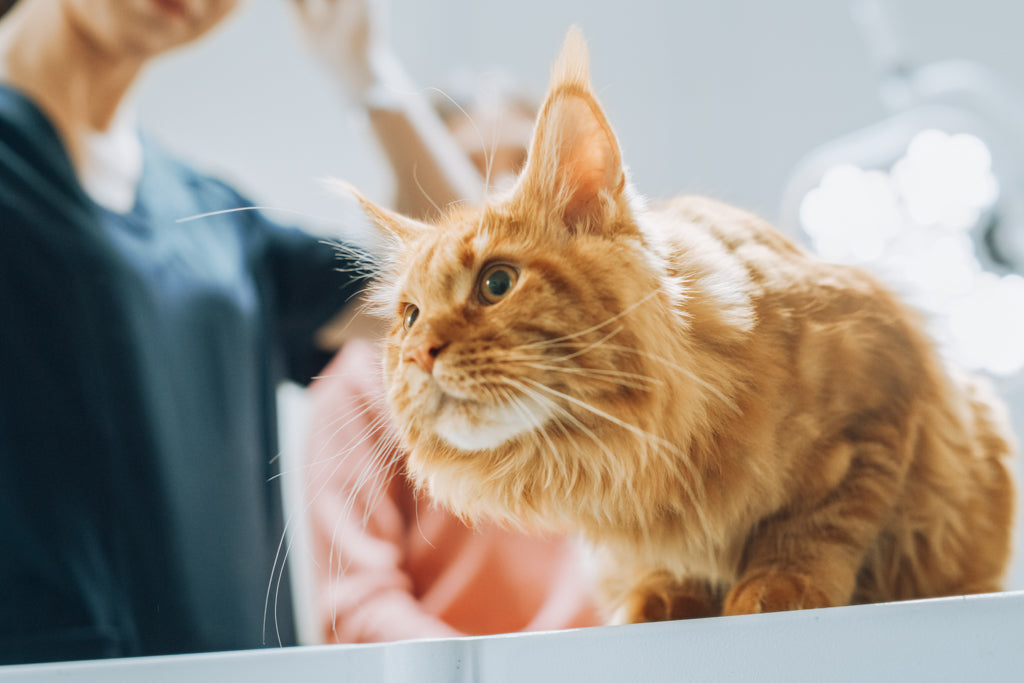
The treatment methods for acute and chronic kidney disease differ. Both conditions can become dangerous if left untreated, so if you notice any symptoms, consult a veterinarian immediately.
Acute Kidney Disease
Acute kidney disease always has an underlying cause, so if the cause is resolved, there's a good chance of rapid improvement. Therefore, the first step is to thoroughly examine and identify the cause.
Treatment for acute kidney disease is tailored to the cause. Intravenous fluids are administered to treat dehydration and neutralize toxins. If urinary obstruction occurs due to urolithiasis, a catheter may be inserted into the urethra to facilitate urination. In some cases, surgery may be performed to remove stones from the obstructed area.
If acute kidney disease progresses and kidney function is severely lost, there is no hope of recovery. It can also transition into chronic kidney disease.
Chronic Kidney Disease
Unfortunately, at present, there is no definitive cure for chronic kidney disease. The goal of treating chronic kidney disease is to slow its progression and manage symptoms.
Treatment for chronic kidney disease primarily involves dietary therapy, medication, and subcutaneous fluid therapy. While treatment methods vary by stage, they are essentially aimed at prolonging life.
In the early stages, it is managed with prescription kidney disease diets.
In the middle stage, dietary therapy remains the main treatment, similar to the early stage. Additionally, blood pressure medications may be used to suppress the progression of kidney disease. Supplements with antioxidant properties are also considered effective.
In the late stage, appetite decreases due to nausea and other symptoms. While dietary therapy remains the basis, fluid therapy also becomes necessary. Fluid therapy is generally administered daily. As anemia can also occur at this stage, erythropoiesis-stimulating agents may be used. Oral activated charcoal, which adsorbs toxins in the body, may also be used.
In the end stage, fluid therapy becomes the primary treatment. Since intravenous fluids are administered daily, guidance for subcutaneous fluid administration at home is provided. Appetite is almost completely lost in the end stage. Force-feeding or nutritional supplementation via a catheter may also be necessary.
How to prevent feline kidney disease
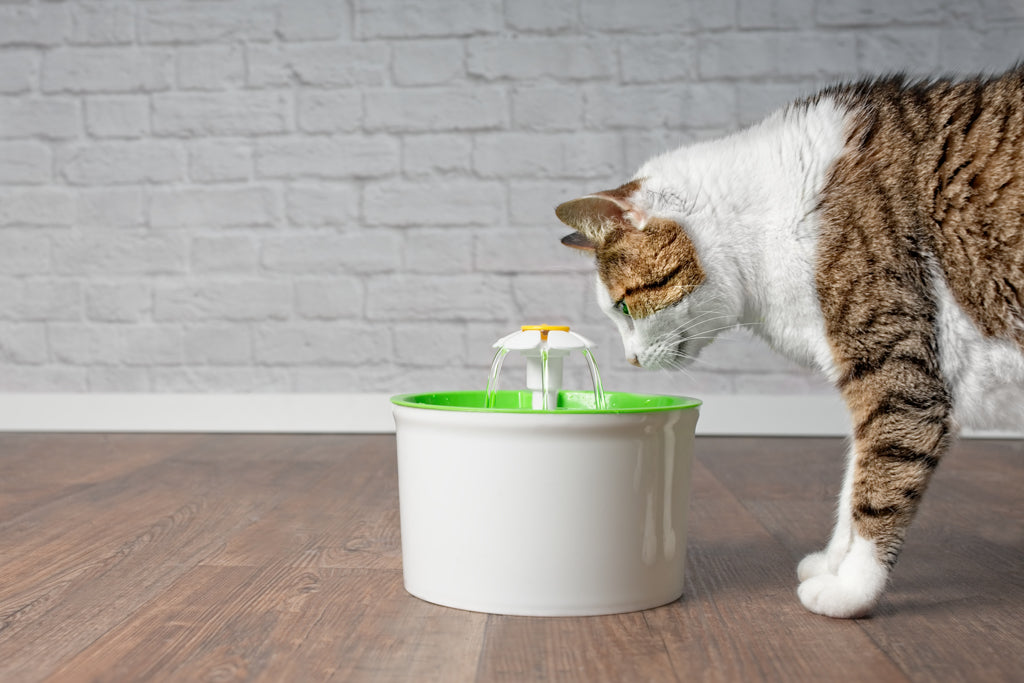
Acute kidney disease has a cause and can therefore be prevented by avoiding it. Unfortunately, chronic kidney disease cannot be prevented. However, ensuring adequate hydration and a proper litter box environment may help slow the decline in kidney function.
Make water easier to drink
Cats' ancestors lived in deserts, so they have evolved to survive on minimal water. However, this is thought to put a strain on their kidneys. To reduce this strain, it is important to always ensure they have access to fresh water. Provide multiple water stations. Older cats tend to drink water only within their usual activity range. Place water bowls where your cat can easily see them.
Cats also seem to have preferences for their water bowls. They tend to prefer ceramic or glass bowls. Changing the bowl might encourage them to drink more water.
Some cats are particular about the type of water. Try offering different types of water.
Re-evaluate the litter box
If a cat dislikes its litter box, it may hold its urine. Holding urine can lead to urolithiasis and puts a significant strain on the kidneys. The ideal number of litter boxes for cats is considered to be the number of cats plus one. The ideal size of a litter box is also considered to be 1.5 times the cat's body length (from head to tail). This size ensures that the cat can comfortably fit inside and turn around with ease. With a small litter box, the cat's body may protrude during use, or it may place its paws on the corner of the litter box to relieve itself. If you observe such behavior, it may indicate that the litter box is inconvenient for your cat. Provide a larger litter box.
Also, if they don't like the litter, they'll refuse to use the litter box. Cats tend to prefer fine-grained litter that resembles sand in a desert. For cats that have had urinary problems, it's especially important to be particular about the litter.
Just as humans dislike dirty restrooms, so do cats. Ideally, clean the litter box immediately after your cat uses it.
Prevent obesity
Many pet cats today are overweight. Obesity leads to decreased activity, which in turn reduces water intake. As a result, obese cats are considered to be more prone to urolithiasis.
Control the amount of food and play with your cat to gradually lose weight. Cats are very sensitive to starvation. Particularly, obese cats that go into starvation can develop hepatic lipidosis, a liver dysfunction, which can be fatal. Cat diets require expert knowledge. It is recommended to consult a veterinarian.
Do not leave out anything that your cat should not eat.
Kidney disease can develop if a cat ingests substances that harm the kidneys. In particular, toxins that cause acute kidney disease are surprisingly common in our surroundings. Ethylene glycol found in old antifreeze, arsenic in rodenticides, grapes, and plants from the lily family are typical examples. These items should never be left out. When storing them, keep them in a place where your cat cannot access them.
Get a health checkup
Taking a cat to the vet can be quite challenging. There is data indicating that many pet owners refrain from visiting the vet unless it's for vaccinations or when their cat is ill. Regarding chronic kidney disease in cats, a decline in kidney function can be observed in some cats as early as around 5 years of age.
Veterinarians recommend health check-ups once or twice a year. Especially for older cats, twice-yearly check-ups are advised. Regular check-ups lead to early diagnosis and treatment, allowing you to spend more time with your beloved cat. Instead of avoiding vet visits due to stress on your cat, get regular health check-ups.
|
【Related Articles】 |
Summary
Kidney disease is one of the leading causes of death in cats. Especially in the case of chronic kidney disease, there is currently no established cure, and it is not an exaggeration to say that almost all older cats will eventually succumb to chronic kidney disease. Chronic kidney disease often has few symptoms in its early stages and is usually discovered incidentally during health check-ups. By the time symptoms appear and a vet visit occurs, the disease is often in a quite advanced stage. To detect kidney disease at an early stage, annual or semi-annual health check-ups and the owner's keen observation skills are crucial.
Acute kidney disease is highly preventable if owners are vigilant. Re-evaluating your cat's living environment might help ensure your beloved cat lives a long and healthy life.

![Feline Infectious Peritonitis (FIP) Treatment Guide [2024 Edition]: Latest Information and Treatment Options](http://www.poponeko.jp/cdn/shop/articles/shutterstock_1633580878.jpg?height=400&v=1727181737)


![[Set] Leaf Ribbon & Cat Collar - Gingham Check Pink](http://www.poponeko.jp/cdn/shop/files/DSC00107_be0c6dc2-1e03-4ba3-9fbe-dcb40be6c72c.jpg?v=1780663891&width=600 "[Set] Leaf Ribbon & Cat Collar - Gingham Check Pink")
![[Set] Leaf Ribbon Fleurage Purple & Scrunchie Cat Collar Belgian Linen Turquoise](http://www.poponeko.jp/cdn/shop/files/2608_00136.jpg?v=1789197487&width=600 "[Set] Leaf Ribbon Fleurage Purple & Scrunchie Cat Collar Belgian Linen Turquoise")
![[Set Item] Leaf Ribbon & Scrunchie Cat Collar - Vidro - Lapis Lazuli](http://www.poponeko.jp/cdn/shop/files/2608_00414.jpg?v=1789826564&width=600 "[Set Item] Leaf Ribbon & Scrunchie Cat Collar - Vidro - Lapis Lazuli")
![[Set Item] Leaf Ribbon & Scrunchie Cat Collar - Petit Fleur - Mint](http://www.poponeko.jp/cdn/shop/files/2608_00417.jpg?v=1789946167&width=600 "[Set Item] Leaf Ribbon & Scrunchie Cat Collar - Petit Fleur - Mint")
![[Slightly Damaged] Cat-Friendly Cat Warm Shirt, Border (Short Sleeve)](http://www.poponeko.jp/cdn/shop/products/DSC_7661.jpg?v=1675832922&width=600 "[Slightly Damaged] Cat-Friendly Cat Warm Shirt, Border (Short Sleeve)")

腎臓病のこと、大変分かりやすく理解できました。また初めて定期検診の大切さも知ることができました。ありがとうございます。
Leave a comment