

What are you doing to help your beloved cat live a long life?
As a veterinarian, I often see cases where owners bring their pets in when it is already too late. In such situations, owners often feel deep regret and blame themselves. To ensure your cat lives a long life, I encourage you to be mindful of their daily health management. In this article, I would like to share 5 things you must do for your cat’s health management.
Prevent Cat Diseases
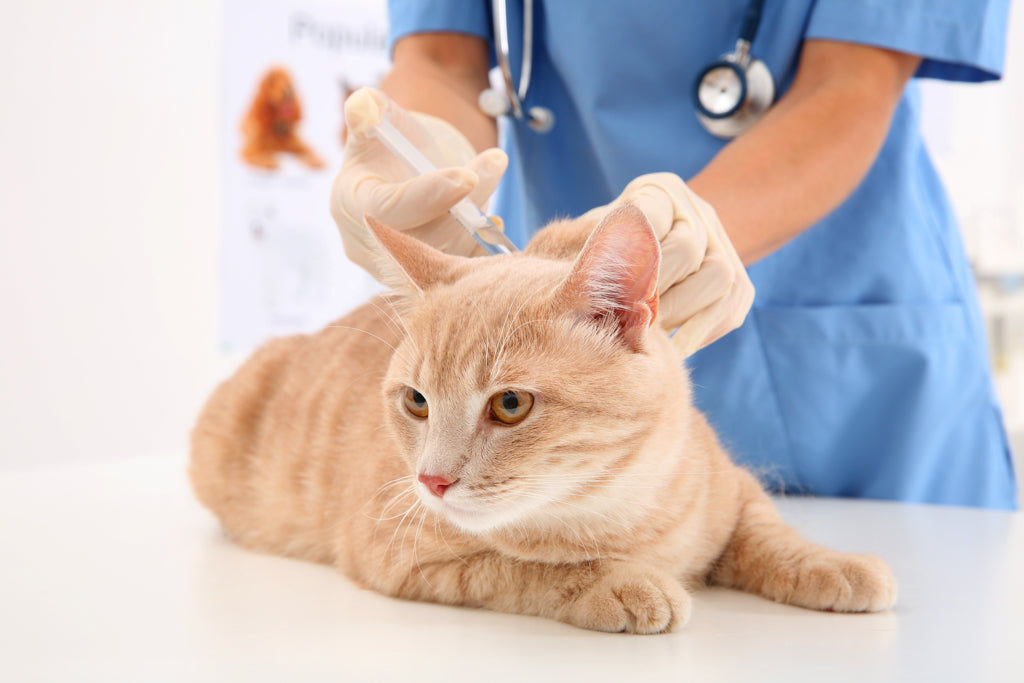
Are you keeping up with regular vaccinations and parasite control for fleas and ticks? During consultations, owners often tell me, "My cat doesn't go outside, so we don't need preventative care." This is absolutely not the case. Pathogens and external parasites can enter your home on your body or clothing without you even realizing it. Here is an explanation of the preventative care you should be performing.
Combination Vaccines
There are three types of combination vaccines for cats: 3-in-1, 4-in-1, and 5-in-1.
The 3-in-1 vaccine includes Feline Viral Rhinotracheitis, Feline Calicivirus, and Feline Panleukopenia. The 4-in-1 vaccine adds Feline Leukemia to the 3-in-1. The 5-in-1 vaccine adds Feline Chlamydia to the 4-in-1. These infections are spread through contact with infected cats, but they can also be transmitted via objects contaminated with pathogens.
The diseases covered by these vaccines can be fatal if they become severe. I highly recommend at least the 4-in-1 vaccine, especially for cats that go outside or households with multiple cats.
Vaccinations are given two or three times as a kitten, and after that, boosters are recommended once every three years.
|
【Related Articles】 |
External Parasite Control
External parasites like fleas and ticks increase from early spring through autumn. They lurk in grassy areas and jump onto cats or humans as they pass by. These parasites feed on a cat’s blood, grow, and lay eggs, and can proliferate in large numbers indoors if the environment is warm.
Beyond just sucking blood, external parasites can transmit internal parasites. They also cause dermatitis and can carry life-threatening diseases such as Lyme disease and Severe Fever with Thrombocytopenia Syndrome (SFTS). These diseases can infect humans as well as cats.
External parasite preventatives are liquid treatments applied to the back of the neck once a month. Some types can treat not only fleas and ticks but also lice, ear mites, and intestinal worms.
Get Regular Health Check-ups
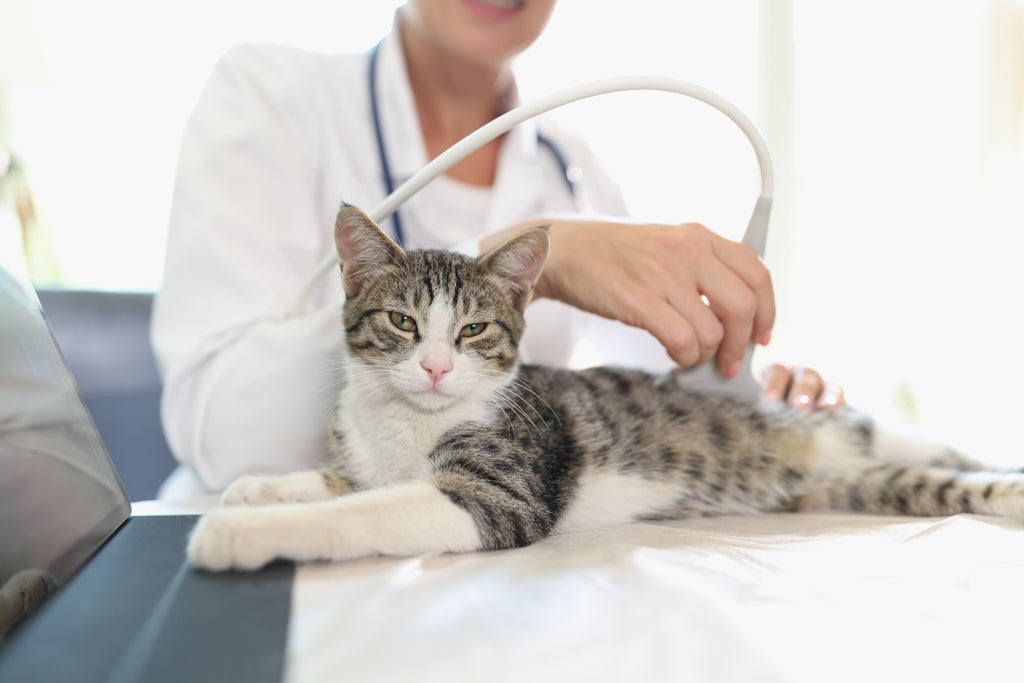
Health check-ups are essential for the early detection of disease. The number one cause of death in cats is chronic kidney disease, which can be detected early through regular check-ups.
While the content of a check-up varies by clinic, it generally includes a physical examination, blood tests, and X-rays.
It is recommended that cats have one check-up a year until age seven, and two a year after age seven.
|
【Related Articles】 |
Spay/Neuter Your Cat

Spaying and neutering are important to prevent unwanted pregnancies, but the surgery offers other benefits as well.
It can prevent mammary tumors and pyometra in female cats. Notably, 90% of mammary tumors in cats are malignant, and by the time a lump is found, it has often already metastasized.
During heat cycles, cats may vocalize uniquely, spray urine on walls, or attempt to escape. This is stressful for owners, but it is also highly stressful for the cats themselves. It has been shown that spayed/neutered cats generally live longer, as the stress associated with heat cycles can reduce their life expectancy.
Monitor Your Cat’s Body, Diet, and Litter Box
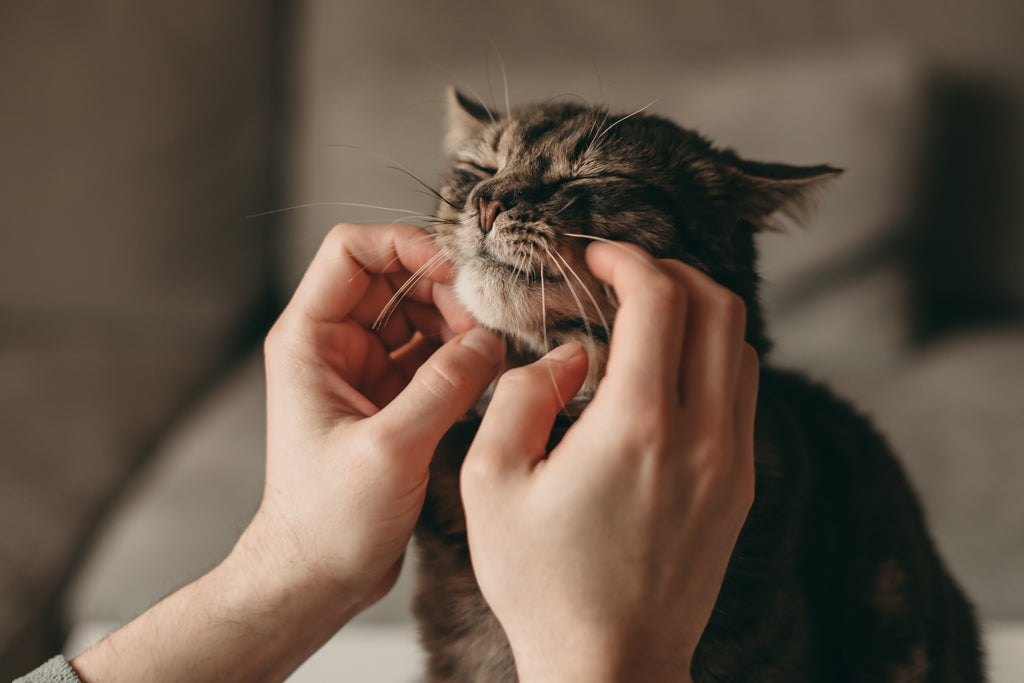
It is very important to check your cat's body daily and keep track of their food and water intake, as well as the frequency and amount of their waste. Doing so helps you notice abnormalities immediately.
By observing and touching your cat, you can easily detect skin abnormalities, lumps, or signs of pain.
Understanding how much your cat eats and drinks helps you spot changes. This is useful for diagnosing endocrine diseases like diabetes or organ conditions like kidney disease.
Cats are prone to urinary tract diseases such as cystitis, urolithiasis, and chronic kidney disease. Observing the quantity and frequency of their urination can help you catch these issues early. If left untreated, urinary tract diseases in cats can be fatal. Please make sure to keep a close watch on this.
Brush Your Cat’s Teeth
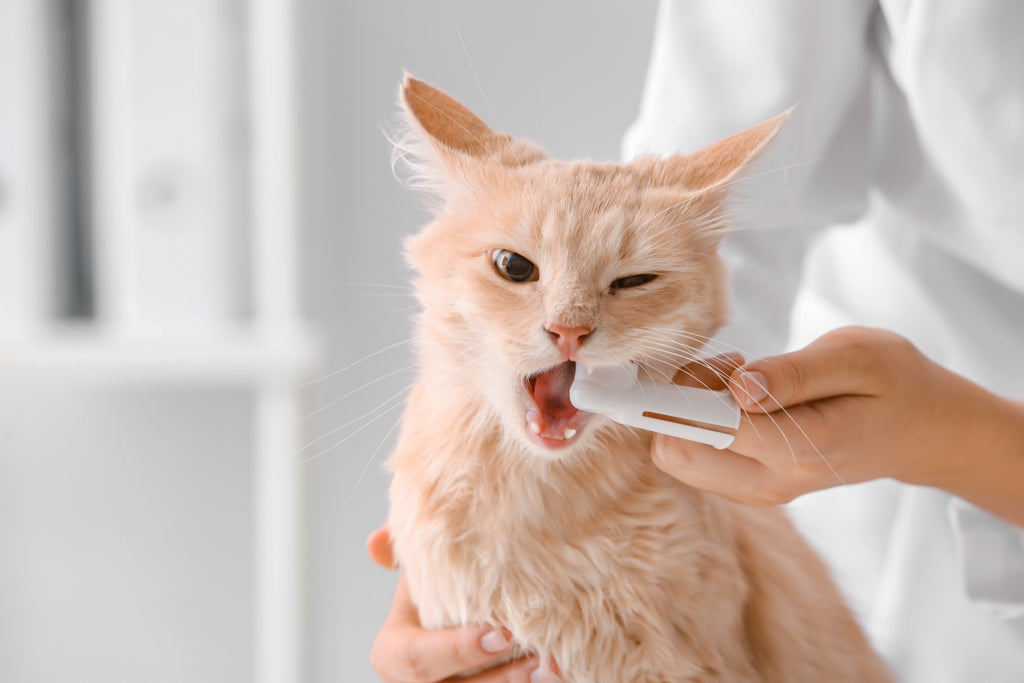
Cats are prone to periodontal disease; it is said that 70% of cats have it by the time they are two years old.
Brushing is essential for preventing periodontal disease. While using a toothbrush is best, train them patiently until they become comfortable with it. If you force them, they may bite you. Use treats to help them get accustomed to the toothbrush little by little. If your cat refuses to get used to it, try flavored pet toothpaste or dental rinse. Please be sure to use products specifically made for animals. There are many other dental products available, so find a method that works best for your cat.
|
【Related Articles】 |
Summary

Proper health management for your cat involves daily observation and visiting a veterinary clinic if you notice anything even slightly off. Regular preventative care and health check-ups recommended by your vet help prevent disease and lead to early detection.
Strive to manage your cat’s health so you never have to regret not noticing something sooner.












Leave a comment