

If your cat frequently licks or scratches its body, or has hair loss, a skin disease may be the cause.
A closer look at the affected skin may reveal eczema, scabs, redness, or sores. This article will explain cat skin diseases, with some overlap with previously discussed topics on hair loss.
How to Identify and Understand Cat Skin Disease Symptoms
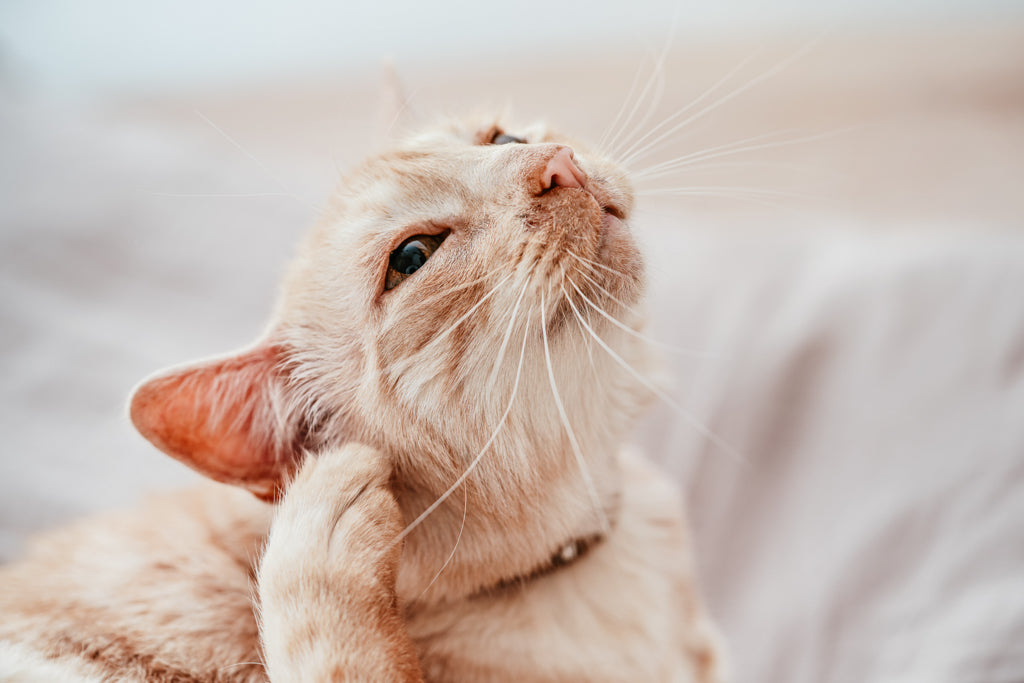
Symptoms of cat skin disease primarily include frequent licking, scratching, hair loss (partial or generalized), redness, eczema, sores, and swelling. Owners often notice itching, hair loss, or frequent licking, leading them to seek veterinary care. In some cases, severe matting may also reveal an underlying skin inflammation.
|
【Related Articles】 |
What Causes Cat Skin Diseases?
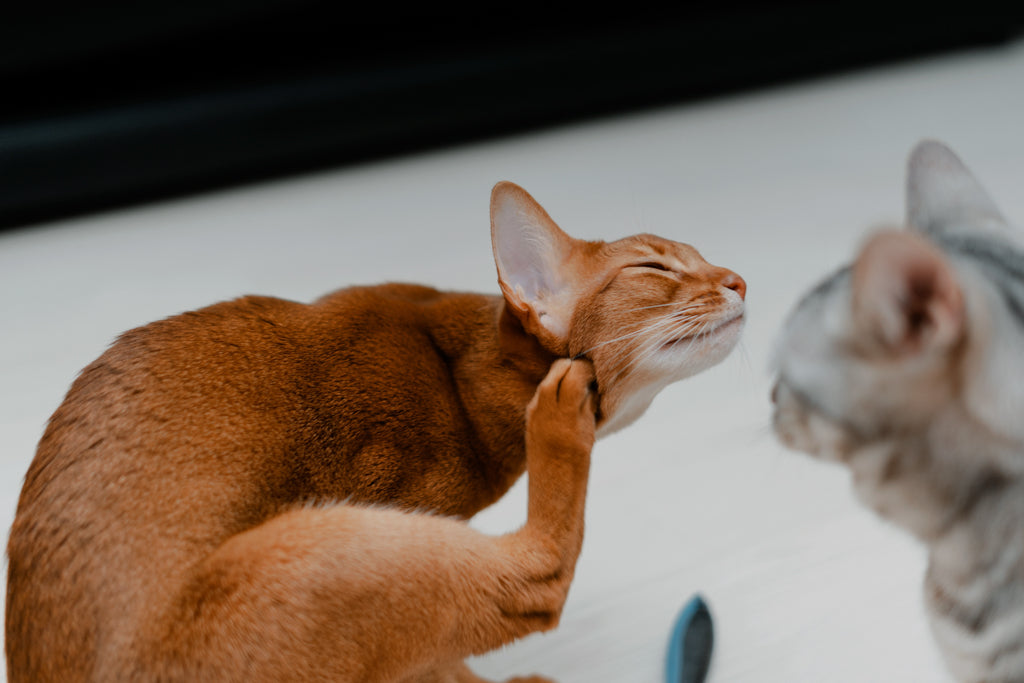
Skin diseases can be caused by infections, external parasites, allergies, autoimmune diseases, tumors, psychogenic factors, or hormonal imbalances.
Infections
Bacterial or fungal infections can cause skin inflammation and dermatitis. Itching and eczema may occur. Even healthy skin has resident bacteria and fungi, but they usually do no harm. However, if itching develops for some reason, these resident microorganisms can overgrow and lead to secondary bacterial dermatitis.
Fungal dermatitis is characterized by circular hair loss. Dermatophytes, a type of fungus, are the main cause, but other fungi can also cause dermatitis. It can infect soft skin areas (e.g., paws, arms, face), causing hair loss with surrounding red, inflamed skin. This type of dermatitis is also known as ringworm. It can spread to other cats and humans. Malassezia, a type of yeast that is a resident skin microorganism, thrives in oily skin and can cause a distinctive odor and itching when it overgrows.
External Parasite Infestations
Skin inflammation can be caused by fleas and mites. Sarcoptic mites infest the face and ear margins, causing scabs and hair loss. They are accompanied by intense itching, leading the cat to frequently shake its head and scratch vigorously. This can result in dermatitis with wounds around the eyes and under the ears. If bacterial infection occurs in these areas, secondary bacterial dermatitis can develop.
When fleas infest, an allergic reaction occurs in response to their saliva. This causes severe itching and inflammation, leading to dermatitis and hair loss. Since it affects the entire body, the cat will scratch all over.
Cats can develop eosinophilic granuloma complex, a condition that manifests as stomatitis, dermatitis, and raised skin lesions. While flea allergy is thought to be involved, the exact cause is not fully understood.
|
【Related Articles】 |
Allergic Dermatitis
Allergic dermatitis occurs when the body's immune system reacts to a specific protein, releasing itchy substances. The main causes of allergic dermatitis include food, pollen, and house dust.
In cases of food allergic dermatitis, consuming certain foods causes itching around the eyes, ears, mouth, and anus.
Feline atopic dermatitis, caused by allergens such as dust, pollen, and mites, leads to severe itching, dermatitis, and hair loss. Symptoms appear on the face, paws, inner thighs, armpits, and lower abdomen.
Autoimmune Diseases
Autoimmune diseases occur when the body's immune system reacts against its own tissues, leading to various symptoms.
Pemphigus is an autoimmune disease that affects the skin of cats. It causes erosions, blisters, and hair loss on the skin.
Tumors
When a tumor causes pain, the cat may try to alleviate it by licking. This can lead to hair loss and dermatitis in the area of the tumor.
Additionally, white cats exposed to prolonged sunlight can develop solar dermatitis on thin-skinned areas like the ears, leading to hair loss. Cats over 6 years old with photosensitivity have an increased risk of developing squamous cell carcinoma, a type of skin cancer. Squamous cell carcinoma can occur not only on the ears but also around the mouth.
While mast cell tumors are malignant in dogs, they tend to behave benignly in cats (when localized to one area). Mast cell tumors form lumps on the skin and can become red or intensely itchy when touched.
|
【Related Articles】 |
Psychogenic
When cats feel anxious or stressed, they may groom themselves to calm down. In cases of psychogenic dermatitis, frequent licking can cause hair breakage and loss. Continued licking can further injure the skin, leading to bacterial dermatitis.
Hormonal
Hormonal disorders, caused by excessive or insufficient hormone secretion, can lead to symmetrical hair loss. Itching may also occur. Hormonal dermatitis results from abnormal lipid secretion in the skin or decreased immunity, which allows resident skin bacteria to proliferate abnormally.
Can Feline Skin Diseases Be Cured? What are the Treatment Options?
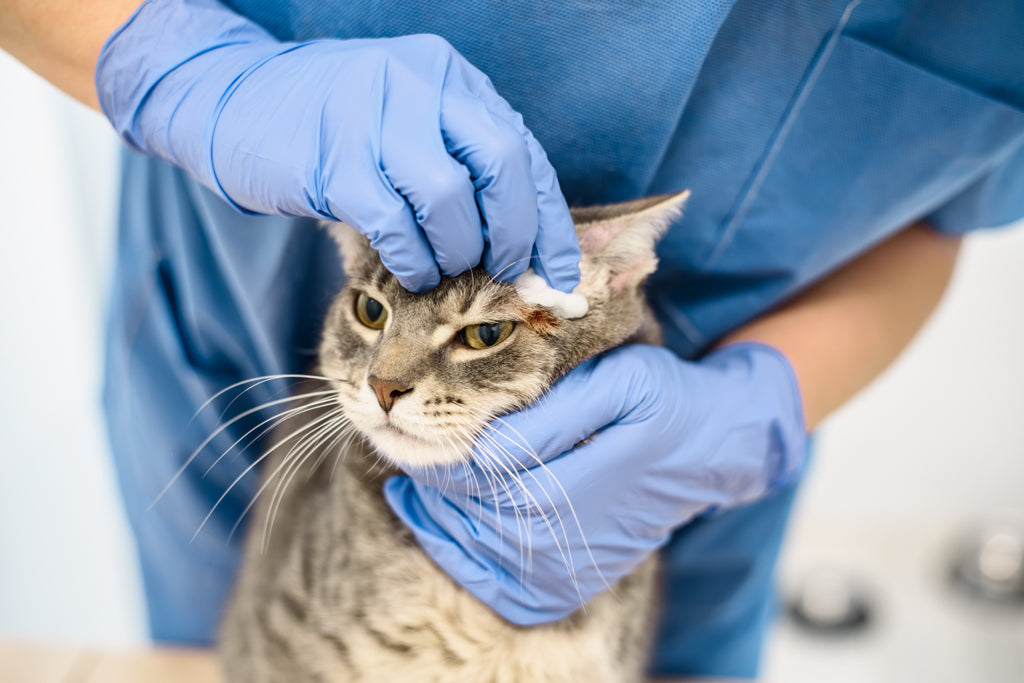
Treatment for skin diseases varies depending on the cause, but the main approaches include itch control with medication, removal of the cause, shampoo therapy, and flea and tick control. Dietary therapy may also be combined.
Pharmacotherapy
Pharmacotherapy involves oral medications or injections to control itching and eliminate the cause. For itch control, steroids and antihistamines are primarily used. Additionally, antibiotics and antifungals are used to eliminate bacteria and fungi. All of these medications must be completed as prescribed, and owners should not stop administering them on their own judgment, even if the cat refuses to take them.
Shampoo Therapy
Cats typically dislike bathing, but if dermatitis is severe, shampoo therapy may be recommended to alleviate itching and eliminate the cause. Use medicated shampoo prescribed by your veterinarian. Follow your veterinarian's instructions regarding usage and frequency. If bathing at home is difficult, consider using a professional grooming salon or veterinary clinic.
Flea and Tick Control
Fleas and ticks can cause allergic dermatitis. Over-the-counter flea and tick treatments may not be effective, so always get a prescription from your veterinarian. Apply the treatment to your cat's back once a month (or every three months, depending on the medication).
Dietary Therapy
In cases of food allergic dermatitis, the diet needs to be changed to an allergy-friendly food. Dietary therapy requires veterinary guidance.
Tumor Treatment
In cases of tumors, treating the tumor can sometimes alleviate the dermatitis. Treatment methods vary depending on the type of tumor and may include surgery, radiation therapy, or chemotherapy.
Treatment for Psychogenic Skin Disease
Psychogenic skin disease is often caused by stress. Identifying the source of stress in your cat is key to treatment. Re-evaluate their living environment, litter box, and relationships with other cats in the household. Additionally, cats may lick themselves out of boredom, so provide several toys or hide food around the house to engage their instincts and prevent boredom while you're away.
How to Prevent Cat Skin Diseases
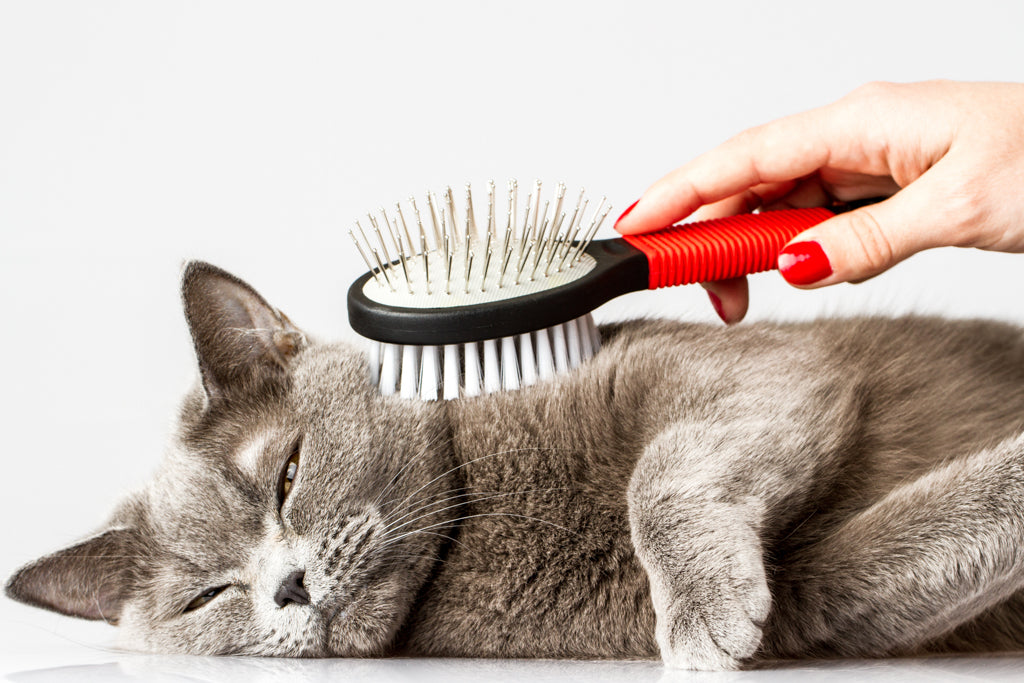
Some skin diseases, such as bacterial, fungal, or parasitic infections (fleas and ticks), can be prevented to a certain extent. Here are some general preventive measures.
Flea and Tick Control
Since fleas and ticks can cause allergic dermatitis, regular flea and tick control is essential. Use products prescribed by your veterinarian, rather than over-the-counter remedies or flea collars.
Brushing
Brushing not only tidies the fur, removes dirt, and gets rid of loose hair, but it also provides a massage effect for the skin. Brush short-haired cats once a day and long-haired cats twice a day. Regular brushing also makes it possible to detect skin abnormalities early.
Creating a Stress-Free Environment
Cats can continuously lick their bodies due to stress or boredom, which very often leads to dermatitis. It's essential to re-evaluate your cat's living environment and provide spaces where they can escape from other cats if necessary. Ensuring an adequate number of litter boxes is also crucial. To prevent boredom, create opportunities for your cat to engage in activities that mimic hunting.
Summary
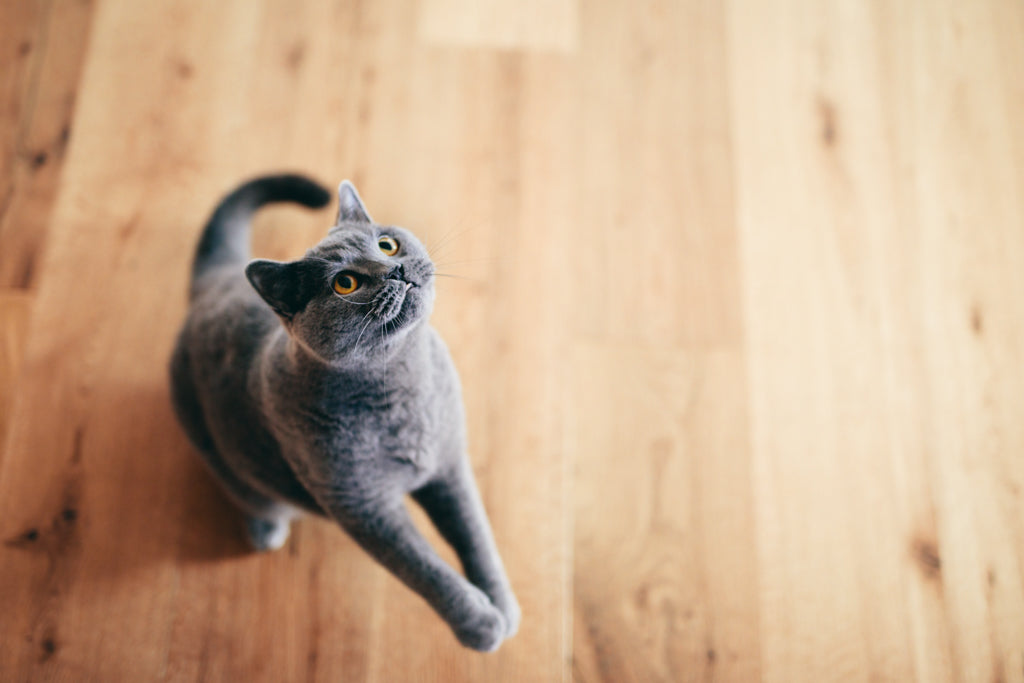
Skin disease is a condition that owners can easily notice. The intense itching can be distressing to witness. Skin diseases rarely resolve on their own by simply waiting. It's crucial to visit a veterinarian early to initiate treatment.
Additionally, ensure regular flea and tick control and keep your cat's body clean through brushing and other measures.

![Feline Infectious Peritonitis (FIP) Treatment Guide [2024 Edition]: Latest Information and Treatment Options](http://www.poponeko.jp/cdn/shop/articles/shutterstock_1633580878.jpg?height=400&v=1727181737)


![[Set] Leaf Ribbon & Cat Collar - Gingham Check Pale Lavender](http://www.poponeko.jp/cdn/shop/files/DSC00112_63ffeab6-aadb-4f1e-87d0-1061074971ac.jpg?v=1780663891&width=600 "[Set] Leaf Ribbon & Cat Collar - Gingham Check Pale Lavender")
![[Set] Leaf Ribbon "Fleurage" Pink & Cat Collar "Belgian Linen" Wine Rose](http://www.poponeko.jp/cdn/shop/files/2608_00119.jpg?v=1789197487&width=600 "[Set] Leaf Ribbon \"Fleurage\" Pink & Cat Collar \"Belgian Linen\" Wine Rose")
![[Set] Leaf Ribbon & Scrunchie Cat Collar, Petit Fleur, Pastel Blue [Limited Color]](http://www.poponeko.jp/cdn/shop/files/2608_00421.jpg?v=1789946167&width=600 "[Set] Leaf Ribbon & Scrunchie Cat Collar, Petit Fleur, Pastel Blue [Limited Color]")
![[Set] Leaf Ribbon & Cat Collar Gingham Check Blue](http://www.poponeko.jp/cdn/shop/files/DSC00106_035b8e99-fd67-47ef-9132-ff2da1afbc67.jpg?v=1780663891&width=600 "[Set] Leaf Ribbon & Cat Collar Gingham Check Blue")
![[Set] Leaf Ribbon & Cat Collar - Hannari Sakura Green](http://www.poponeko.jp/cdn/shop/files/2608_00127.jpg?v=1789197917&width=600 "[Set] Leaf Ribbon & Cat Collar - Hannari Sakura Green")
![[Set product] Leaf ribbon & cat collar, gingham check, mint green](http://www.poponeko.jp/cdn/shop/files/DSC00110_5e9f619b-1b6f-4cfa-9add-f4ea49a52821.jpg?v=1780663890&width=600 "[Set product] Leaf ribbon & cat collar, gingham check, mint green")

後藤マチ子先生、初めまして!。私の住んでいる所から、車で約15分位先に、一級河川の永野川とう川の河川敷が有ります。一部は取り囲む様な形で芝生の公園になっております。その一番川の流れに近い場所は蔦や雑草の塊の藪で、其処に棄てられた猫ちゃんや、其処で産まれた野生猫が生息しています。去年まで、藪の方には行かなかったものですから、そんなに猫達が居るとは分からないでいました。 其処には、毎日1日3食、キャットフードやお水をくれに来るアジア系外人が3,4人います。心の優しい人達と思っていましたが、実態はフードをくれて大きくなると一変に沢山の同じ年齢になった猫を太陽が沈む時間になると連れ去り、恐らく食べてしまうという事が起きている様です。 我が家では、私が小さな頃は犬。20歳からは、利口な大人の三毛猫ちゃんが迷い込んで来て飼い始めて、それからは2年半前迄、ずっと猫を飼って来ました。よく、猫は最期は居なくなるという人が居ますが、私の所では病院にも必ずかけ、皆、どの子も最後のお水を飲んで抱かれながら命を全うするという形で来ています。2年半前まで同居人だった「マロン」は、栗毛のアメショーと白のハーフで、兎に角フードが大好きで、他の先輩猫達の2倍はフードを食べ、全盛期は8キロにも体重が成りました。7か月通院治療をし、20歳の誕生日を祝ってから2週間後、腎不全末期で他界しました。 猫の居ない生活は本当に45年ぶりになり、淋しく思っていました。其処に河川敷で冬は寒く、夏はうっそうと茂る雑草、雨が猛烈な湿気を生むとても厳しい環境下に居る、あの子達の運命は悲惨です!。 何とか保護をしたいと思った、2歳くらいと聞いた黒猫の母親から生まれたというグレーの毛長の男の子がおりました。半年以上通い、「クリスチャン」と名付け、段々名を呼ぶと目を合わせるアイ・コンタクトをしてくれる様にはなっていました。其れが今年の4月中旬でした。仲間もいますし、野生ですから中々なついてはくれませんでしたが、ジメジメした梅雨になる前にはなんとか保護したいと、その3食フードをくれにやって来る外人達が、そういう理由で毎日通っているとは思いもしなかったものですから、彼らがくれるフードに群がる猫達の中に、クリスチャンもいたものですから、私はクリスチャンを沢山撫でながら「幸せになろうよ。」と私は言ってしまいました。その翌日、河川敷に出かけて見ましたら、彼らがいて、「あのグレーは旅にでた!。昨日がチャンスだった!。」と言ったのです。茶系の毛長猫も6匹くらいは居たようでしたが、一度に前部消えました。「クリスキャンに何をしたの?」と申しあげたら、後ろを向いてしまいました。 居る猫が、一新したんだ!と言っていました。 今居る子達は、新しく産まれた赤ちゃん猫、雌の姉妹、母親猫。 そして、少し離れた所では、今年半年前位に産まれた3兄弟と、大人の雌猫達。その中で、3兄弟の末の子は、食が最初から細く、体の育成が兄たちの3分の1程。しかも、見れば、酷い皮膚病です。マロンがずっとかかっていた獣医師は検査など度々しなくとも誤診は無かったですが、その良心的な医師がついに閉院し、他の動物病院を当り、まあまあかしらという病院を探しましたが、それでも治療費は閉院した病院の何倍もしましたし、出すお薬も、箱の中の説明書が入っておらず、パソコンで検索すれば、「もうそのステージでは、毒になるから飲ませないで下さい。」と書いてある、私は翌日点滴を受けさせるついでに、このお薬はマロンには毒に成るとデータが出て来たので、返品可能でしょうか?、と持って行き、返品が出来ました。そいいう動物病院の検査や治療費の取り方を考えますと、病院に連れて行き、此れから寒さに向かいますから、どうしたらよいのかしら!と、先が思いやられてしまうのです。今は、高級ペットブームですから、こういう事になるのでしょうか?!。 あの皮膚病の酷い子は、体も男の子なのに育たず、免疫力も低いのでしょう。かなり痩せて手足やお腹の毛も抜けて来ていてこのままでは、助からない様に感じます。また、栗毛の赤ちゃん猫は、風邪を引いて、鼻水と少し咳が出ています。何匹もは保護は出来ませんが、1匹でも救いたい!、その気持ちでいっぱいです。後藤先生、どうしたら宜しいでしょうか。御意見をお願い致します。
Leave a comment