

Due to this year’s mild winter, there are days even in March that are warm enough to make you break a sweat.
Spring is the season when external parasites like fleas and ticks begin to breed, causing trouble for cats. If you are a cat owner, you may have already received notices from your veterinary clinic about flea and tick preventative medication.
So, what kind of flea and tick preventative should you choose? Here is a detailed explanation of flea and tick treatments.
Why Cats Need Flea and Tick Treatment

In reality, many people who keep cats have never used flea and tick treatment. The reason is that they believe their cats do not harbor fleas or ticks because they are kept strictly indoors. However, not going outside does not mean a cat won’t get fleas or ticks.
Fleas and ticks usually live in areas like bushes, and they become active and start breeding when the average temperature reaches 13–14°C (55–57°F). They jump onto passing animals to feed on their blood. If a pet owner walks near tall grass or bushes, there is a risk of bringing fleas or ticks into the home on their clothes or bags. Once inside, they can easily reproduce due to the stable indoor temperature.
At my own veterinary clinic, I have seen cases of indoor-only cats suffering from severe flea infestations, which were caused by the owners accidentally bringing them in from outside.
Fleas and ticks are not just a nuisance in themselves; they also transmit various pathogens. Some of the diseases they carry can also infect humans, and many can be life-threatening.
The following are some examples of diseases caused by fleas and ticks:
- Allergic dermatitis (fleas/ticks)
- Dipylidiasis (fleas)
- Hemobartonellosis (ticks)
- Lyme disease (ticks)
- Severe Fever with Thrombocytopenia Syndrome (SFTS) (ticks)
- Anemia (fleas/ticks)
By using preventative medicine, you can keep your cat from becoming a host for fleas and ticks, thereby preventing the diseases mentioned above. This is why regular flea and tick prevention is necessary even for indoor cats.
Types of Flea and Tick Treatments for Cats
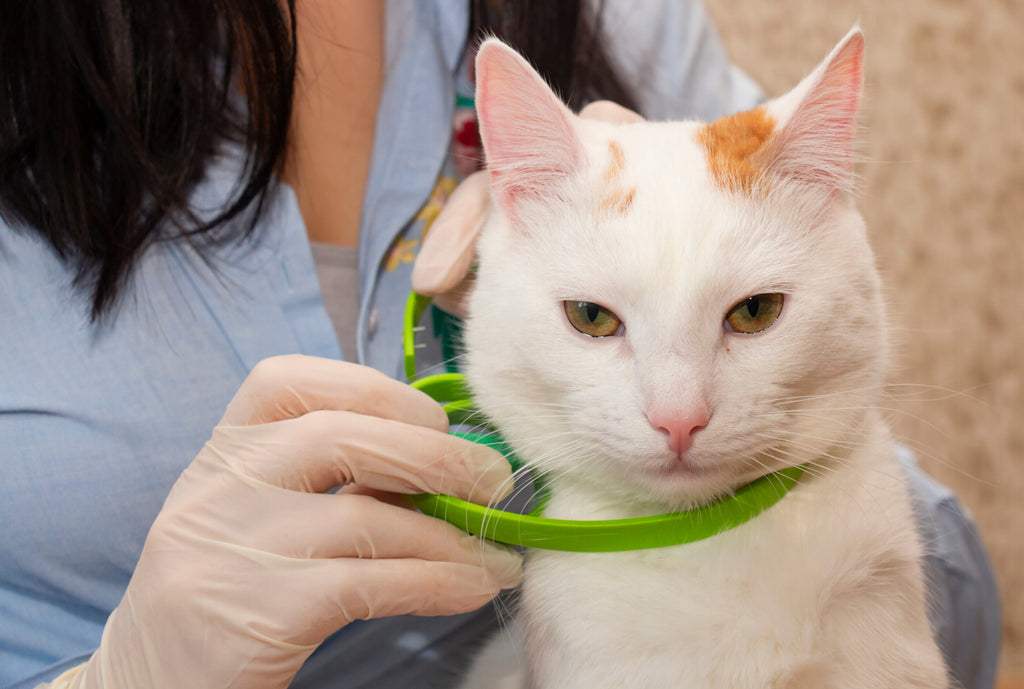
There are various types of flea and tick treatments, ranging from over-the-counter products available at drugstores to veterinary-grade medicines sold exclusively at animal clinics. They also come in different forms, such as collars, shampoos, and spot-on treatments.
Flea Collars
These are inexpensive and can be purchased at stores, but they are generally ineffective against ticks. Furthermore, they can cause hair loss or skin inflammation in the area where they are worn. They provide no preventative effect unless replaced regularly.
Shampoo
There are flea and tick shampoos available. Their advantages are that they can be used immediately when needed and are inexpensive. However, since most cats dislike baths, frequent washing can cause significant stress, making it an unwise primary method for parasite control.
Over-the-Counter Spot-on Treatments
Spot-on treatments are liquid medications applied to the base of the neck. They are generally affordable. Because owners apply them themselves, they can be difficult to administer properly, sometimes resulting in ineffective treatment. In recent years, resistance to certain medications has emerged, meaning over-the-counter products may sometimes fail to work. There have also been reports of toxic reactions.
Veterinary-Grade Spot-on Treatments
Spot-on treatments carried by veterinary clinics come in various types, including those that are effective against not just fleas and ticks but also lice, as well as those that can treat internal parasites or ear mites.
Furthermore, heartworm disease—famously known as a canine illness—can also affect cats, and infection with even just a few worms can lead to serious symptoms. Some veterinary-grade medications can even provide heartworm prevention.
Some treatments are administered monthly, while others are effective for three months. Because they are applied at the clinic, you can be certain that the dosage is correct. There are also newer preventative medicines specifically formulated to combat drug-resistant parasites. However, they are more expensive than over-the-counter alternatives and can cause stress for cats that dislike visiting the vet.
Which Type of Flea and Tick Treatment is Best for Cats?
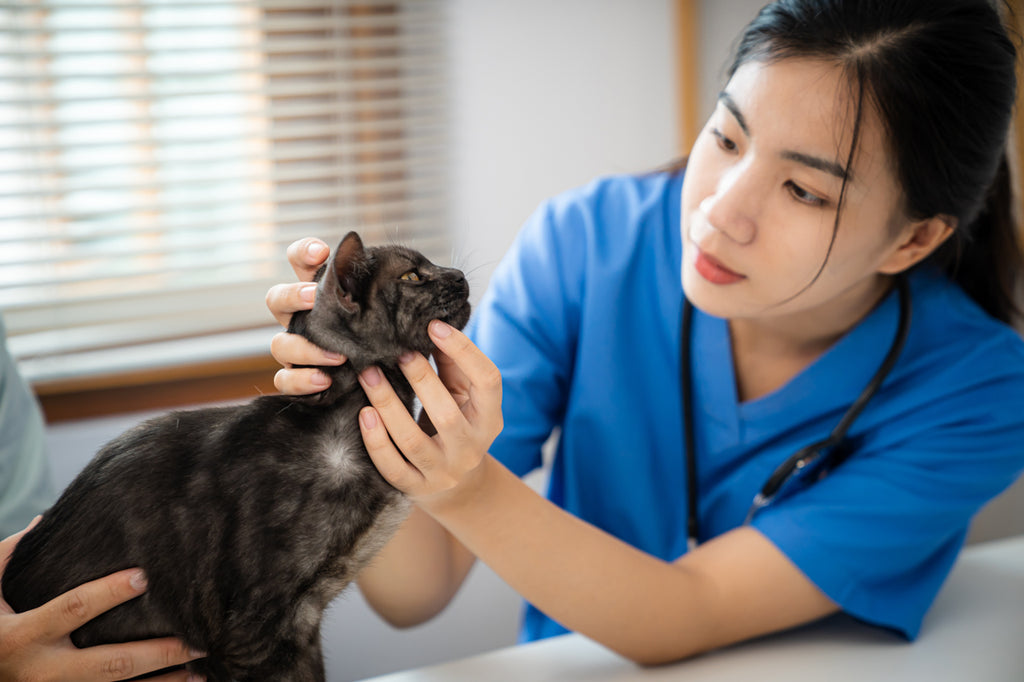
From my perspective as a veterinarian, I strongly believe that veterinary-grade treatments are the best choice.
These medicines are developed by pharmaceutical companies based on solid, rigorously tested data regarding efficacy, drug resistance, and potential toxicity. Additionally, a veterinarian will select the most appropriate medication based on the owner's needs and the cat’s health status.
By letting a veterinarian choose and administer an effective treatment, you ensure reliable protection while saving yourself the guesswork. If you are unsure which medication to choose, you should consult your veterinarian.
Having the treatment done at a clinic ensures the prevention is effective, and it may also be an opportunity for a quick health check-up or nail trim. Regular visits to the clinic can also lead to the early detection of health issues.
Another benefit for owners is that it builds a relationship with a clinic where you feel comfortable and can easily find a reliable primary care veterinarian to consult with. For these reasons, I highly recommend choosing preventative medicine available at veterinary clinics.
|
【Related Articles】 |
Summary

Flea and tick treatments come in many forms and are available from various sources. Because owners can accidentally bring parasites indoors, regular treatment is essential even for strictly indoor cats.
If you find fleas or ticks on your cat, avoid the urge to crush them or pull them off forcibly. This can push pathogens from the parasite into your cat’s body, and the mouthparts may remain embedded in the skin. Instead, please visit a veterinary clinic immediately.











Leave a comment