

Cats have an image of being animals that sleep a lot. A leading theory regarding the origin of the Japanese word for cat, "neko," is that it evolved from "neruko" (sleeping child) because they sleep so much.
In this article, we will discuss various topics related to cat sleep, as well as associated health conditions.
What is the average sleep duration for a cat?
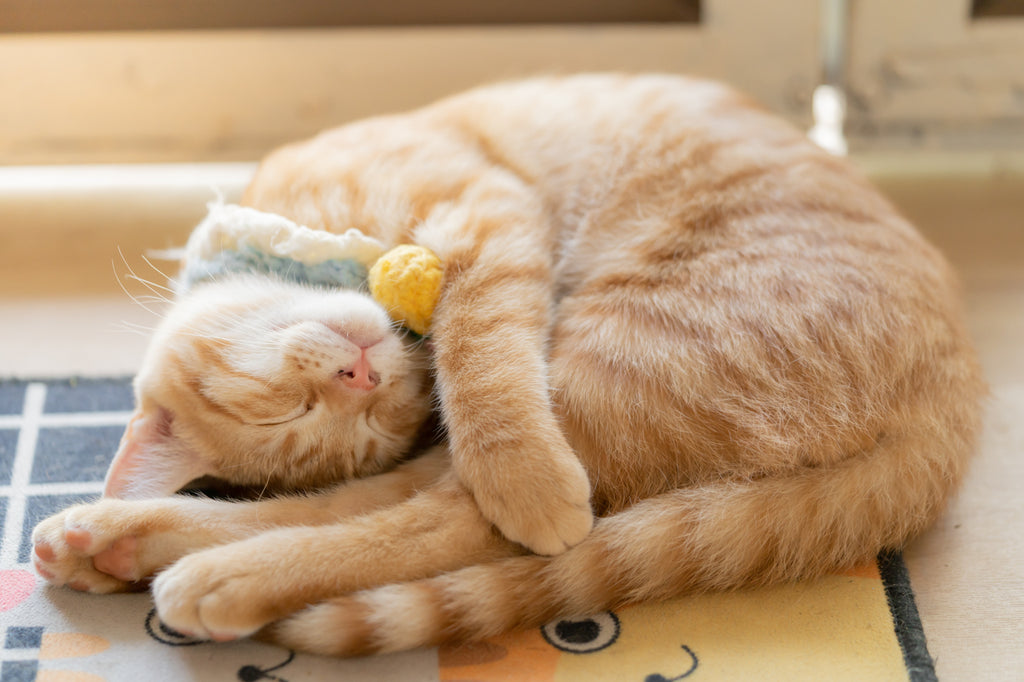
Cats are predatory animals. Therefore, they rest when they are not hunting to conserve their energy. Additionally, cats are "crepuscular," meaning they tend to be active during dim hours like dawn and dusk. Because of this, they are often observed sleeping during the day, which has led to the perception that they are animals that sleep a lot.
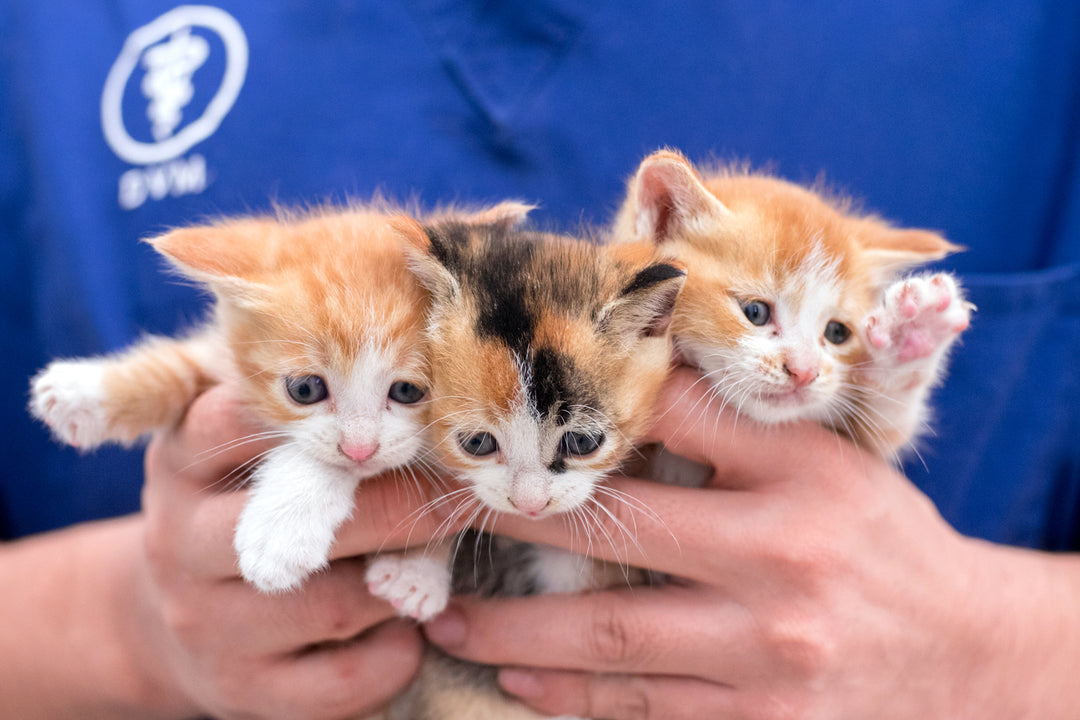
The average sleep duration of a cat varies depending on its life stage. It is said that kittens sleep for about 18 to 20 hours, adult cats for about 14 hours, and senior cats for about 20 hours. Since kittens and senior cats have less physical stamina, they sleep for longer periods to recover their energy.
Furthermore, cats have a diet primarily consisting of protein. During the digestion of protein, a harmful substance called ammonia is produced. Although ammonia is detoxified into harmless urea by the liver, it is believed that cats need to rest for long periods for this detoxification process.
While we don't know exactly how long a cat sleeps at a stretch, they alternate between deep "non-REM sleep" and light "REM sleep." It is thought that house cats, which live in an environment where they can sleep securely, have longer periods of deep sleep, whereas feral cats tend to repeat shorter, lighter bouts of sleep.
What sleeping positions show that a cat is relaxed?
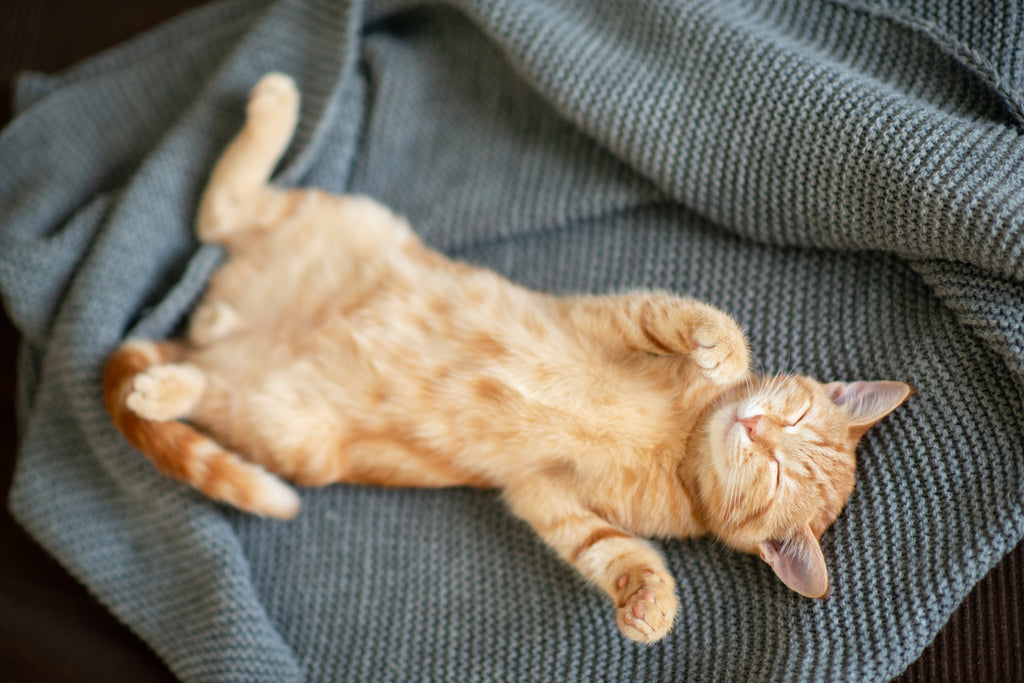
It is said that a cat's sleeping position is determined by "temperature" and "level of relaxation."
The comfortable temperature range for a cat is 20–22°C (68–72°F). If it is hot, they will stretch out to release heat; if it is cold, they will curl up to retain it.
Additionally, when relaxed, a cat may sleep in a position that exposes its vulnerable belly—this is what we call "heso-ten" (belly-up). Conversely, if they are not relaxed, they will adopt a posture where they hide their belly and keep their paws tucked under or on the floor.
|
[Related Articles] |
A cat's sleeping location reveals its level of trust in its owner
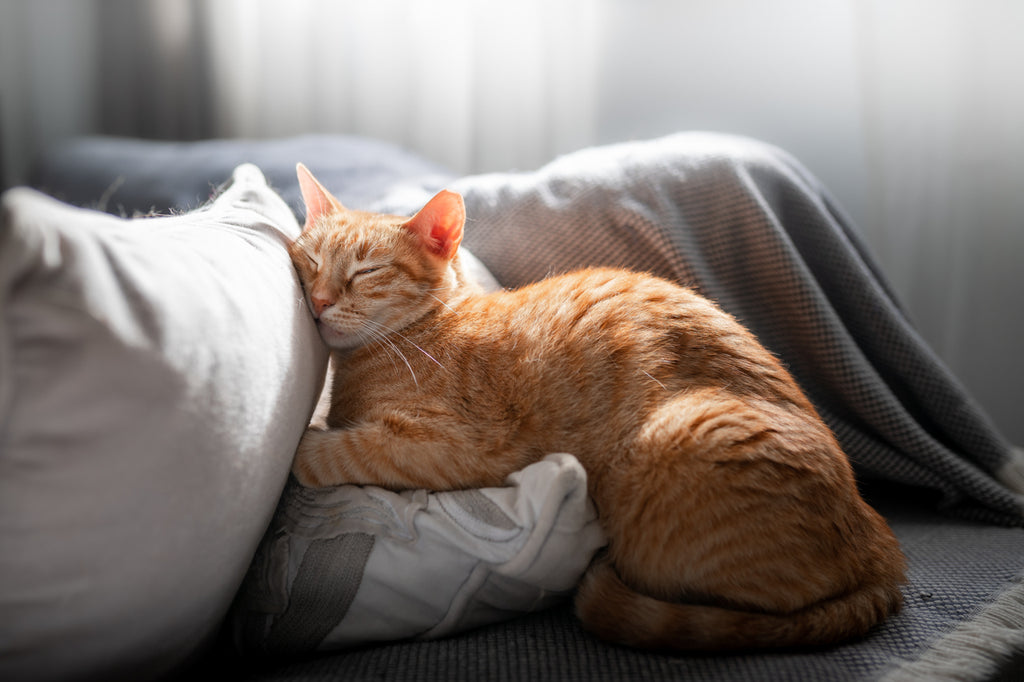
Cats are thought to build a "parent-child relationship" with their owners. Therefore, the higher the trust a cat has, the more it tends to sleep near its owner.
Cats tend to favor people who are not only trustworthy but also don't move around too much while sleeping. Many people who sleep with their cats seem to toss and turn very little.
Near the face
Once cats reach a certain age, they leave their parents and begin to live and act independently. Consequently, in the wild, adult cats do not often sleep huddled together.
When a cat sleeps near your face, it likely views you as its parent and is seeking affection, just as it would with its own parent.
Inside the futon (blanket)
Sleeping within touching distance of you is a sign that the cat trusts you. While entering the futon is not quite the same as being near your face, it still indicates trust. Since they are vulnerable while sleeping, they likely find comfort by being near their owner.
However, if this behavior is exclusive to winter, they may simply be coming to you for warmth.
Between the legs or at the feet
If a cat is within reach, you can pet it. However, the area between your legs or at your feet is often out of reach. For cats that love their owners but don't like being petted too much, they tend to choose to sleep at your feet.
Outside the bed
If your cat sleeps away from you, it doesn't necessarily mean it doesn't trust you. It may simply have its own preferences, such as wanting to secure its own sleeping spot or choosing a more comfortable location. Forcing them to sleep with you will likely annoy them, so it's best to leave them be.
Diseases related to a cat's sleep
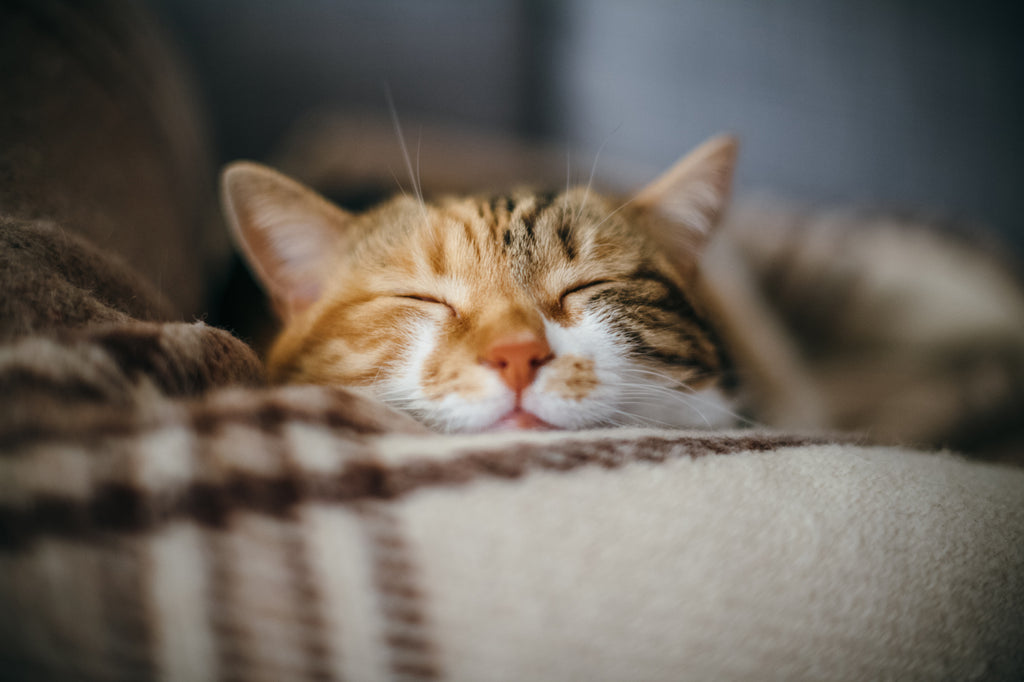
Cats are animals that sleep a lot, but does sleeping more mean they live longer?
The relationship between sleep duration and lifespan is not clearly established. However, if they are sleeping significantly more or less than their average, it could be a sign of an underlying disease.
Short sleep duration
If a cat’s sleep duration is short, it may be unable to sleep due to pain, distress, or over-excitement. They may be unable to sleep due to pain from arthritis or tumors, or difficulty breathing caused by heart disease, lung disease, or a severe upper respiratory infection (cat flu).
In older cats, the thyroid—the gland that secretes hormones involved in activity—can sometimes become overactive. This is called hyperthyroidism and is characterized by the cat becoming abnormally active despite being senior, and experiencing weight loss. In such cases, they may move around constantly despite getting little sleep.
If your cat wakes up immediately after falling asleep, is breathing with its mouth open (open-mouth breathing), or its chest is moving rapidly and heavily, this indicates an abnormality. Take them to a veterinary clinic immediately.
Long sleep duration
Cats tend to sleep longer during their senior years and as kittens. However, if they are sleeping more than usual or cannot be easily woken up, there may be a problem.
This could indicate not just lethargy due to internal organ disease or metabolic abnormalities, but a state of extreme poor health and clouding of consciousness. Examples include coma due to diabetes, uremia due to end-stage kidney disease, or congenital metabolic disorders in kittens.
If your cat shows symptoms other than excessive sleeping—such as not responding to being called (shaking the body, light tapping), being unable to eat, feeling cold to the touch, or experiencing vomiting or diarrhea—take them to a veterinary clinic immediately.
Summary
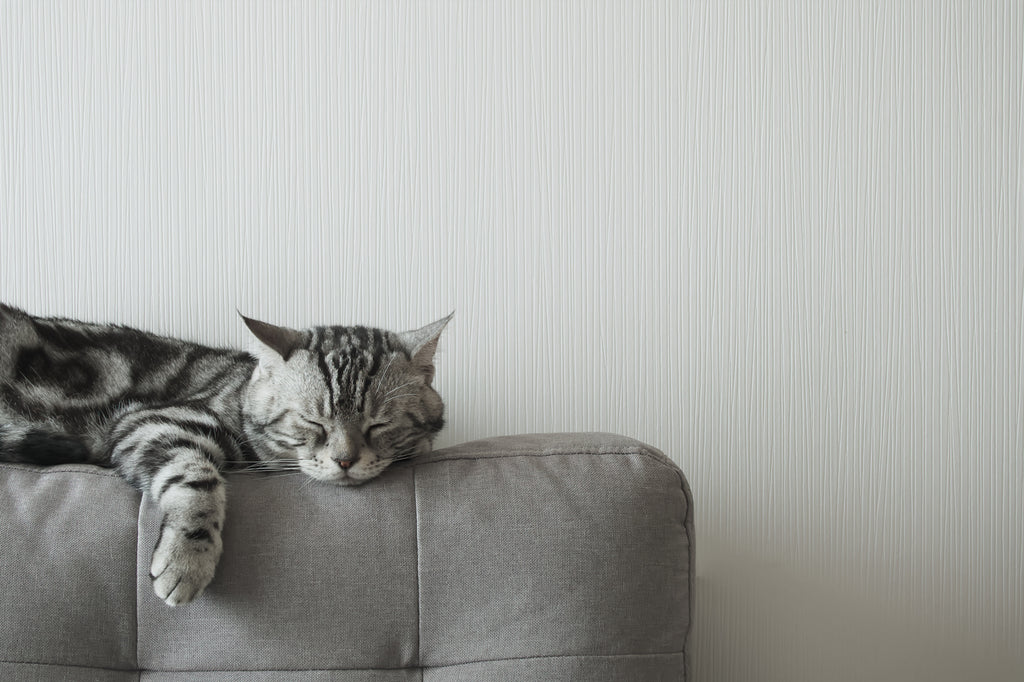
Cats are creatures that sleep a lot. You can judge whether the room temperature is appropriate based on their sleeping posture. Furthermore, observe your cat's usual sleeping habits, and if you notice anything out of the ordinary, it is recommended to bring a video of the behavior to your veterinarian.







Leave a comment