

Cats groom themselves by licking their fur to keep their skin clean. However, for various reasons, they may sometimes groom excessively, a behavior known as "over-grooming" or "licking dermatitis." If this becomes severe, it can lead to serious skin inflammation.
In this article, we will explain cat over-grooming.
What is over-grooming in cats? Exploring the causes of excessive licking

What is over-grooming in cats?
Cats groom themselves with their tongues to keep their fur and skin in a normal, healthy state. Sometimes, for various reasons, this grooming becomes excessive. This is referred to as "licking dermatitis" or "over-grooming." It can be caused by underlying diseases such as skin inflammation or infections, or by psychological factors like anxiety and stress.
Areas frequently affected by over-grooming include the belly, inner thighs, hind legs, tail base, and back—essentially any area the cat can reach with its tongue.
Cause 1: Itching or infection of the skin
Skin inflammation caused by allergies or atopy leads to intense itching, which is a major cause of over-grooming. External parasites like fleas and mites, as well as bacterial or fungal infections, also trigger severe itching. Cats tend to focus their licking on the itchy areas. If they cannot reach an area, such as the ears, they may be seen scratching frequently with their paws.
Cause 2: Stress or anxiety
Psychological factors such as stress or anxiety can lead to excessive grooming. Significant changes in a cat's lifestyle—such as moving house, the addition of a new family member, long periods of being left alone, or stays at a boarding facility—can cause considerable stress. The skin may become damaged from excessive grooming, leading to bleeding and secondary infections, which in turn causes further licking in a vicious cycle.
Risks caused by over-grooming

It can progress to hair loss and dermatitis
A cat's tongue has rough, papillae-like projections. These projections help remove loose hair during grooming, keeping the coat and skin clean. However, excessive grooming can lead to hair loss and skin damage. Once the skin is damaged, it can bleed, and pathogens may enter the wound, leading to suppuration. As the inflammation develops, it becomes itchy, causing the cat to lick even more and further worsening the condition.
It can also cause trichobezoars (hairballs) and vomiting
Over-grooming causes the cat to ingest large amounts of hair. While small amounts are usually passed without issue, a large volume of hair can form a hairball in the digestive tract, causing vomiting or loss of appetite. While vomiting up the hairball is one outcome, it can sometimes become lodged in the digestive tract and lead to intestinal obstruction.
Treatment and measures to prevent over-grooming

Treatment for over-grooming depends on the underlying cause. First, various tests are performed to identify the cause, and treatment is tailored accordingly.
Drug therapy
If the cause is an infection such as fleas, mites, bacteria, or fungus, targeted treatment is provided. This may include parasiticides for fleas/mites, or antibiotics or antifungal agents for bacteria/fungus. If the cause is allergic or atopic dermatitis, steroids or other medications are used to control the itching.
Drug therapy may also be used when psychological factors are significant. If the over-grooming is severe, psychotropic medications might be prescribed. Supplements to help reduce stress may also be utilized.
Shampoo and protective clothing
Shampooing can physically remove fleas, mites, and substances causing itchiness. However, as bathing can be stressful for some cats, follow your veterinarian's instructions. You may also need a specialized therapeutic shampoo rather than a store-bought one.
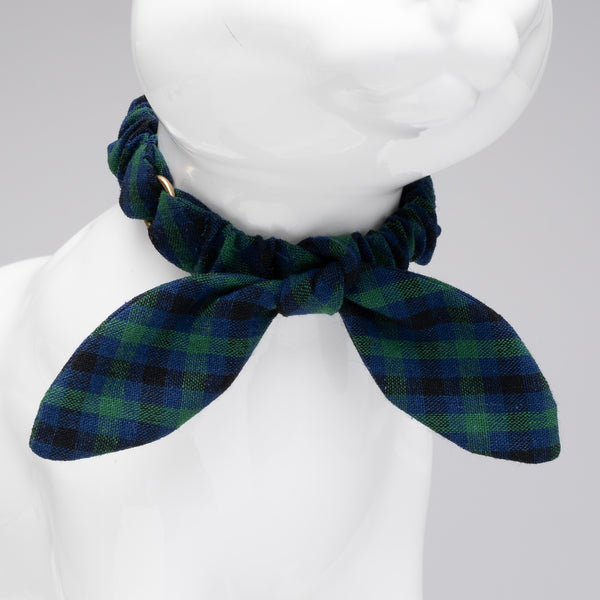
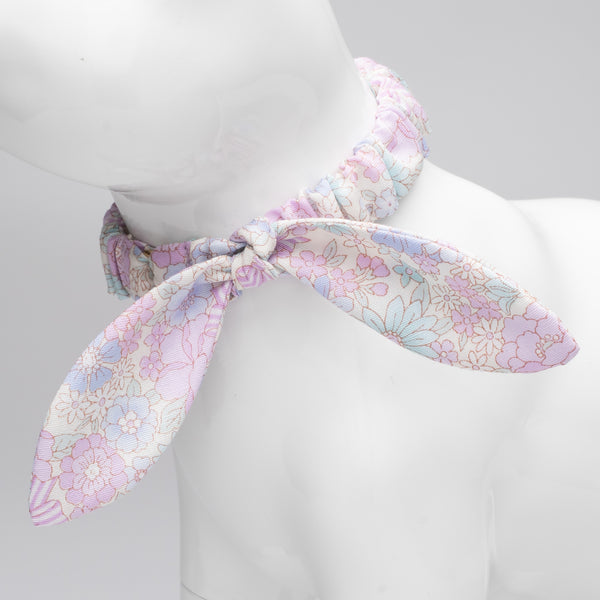
Over-grooming creates a vicious cycle where licking causes irritation, which in turn leads to more licking. Therefore, measures like protective clothing or an Elizabethan collar are sometimes used to prevent the cat from licking the area.
|
【Related Products】 |
|
【Related Products】 |
Dietary therapy
In cases of allergic dermatitis, the food may be the cause. Therefore, a hypoallergenic diet may be prescribed. Since these foods are therapeutic diets, they must be obtained through a veterinary clinic.
Dietary therapy can also be used for stress-related over-grooming. Many specialized diets, such as those for feline lower urinary tract disease (FLUTD), contain ingredients that help reduce stress and may be used as a supplementary measure.
Measures to reduce stress
For over-grooming caused by stress, home care is also essential. First, identify the source of the stress. Changes in the living environment, such as moving, the addition of a new family member (human or pet), increased time spent alone, or the arrival of new home appliances, can easily trigger stress in cats.
As stress management strategies, you can increase bonding time, engage them in play with toys, or provide hiding spots to help alleviate their anxiety. If you feel you haven't been giving your cat enough attention recently, increasing playtime can help them feel more secure.
Veterinary clinics may also suggest using pheromone sprays or diffusers to help reduce stress in the home environment.
Home care to prevent over-grooming

Daily observation and early detection tips
Cats groom themselves even when healthy and may lick themselves during minor stress. Since over-grooming involves frequent licking leading to hair loss, it is important to observe your cat's normal grooming frequency and check if their fur is becoming thin. Frequently touch their body to check for scabs or redness.
Review your grooming habits
While cats groom themselves, it is also important for owners to help by brushing them. Brushing removes loose hair that the cat might have missed, promotes blood circulation, and helps maintain healthy skin. It also prevents hairball issues by reducing the amount of fur they ingest and serves as a good way to release stress.
Create a comfortable environment
To reduce your cat's stress, try to minimize stressors in their environment. For example, keep them away from rooms with loud appliances like washing machines.
Providing a cat tree or arranging furniture so they can look outside from a window can also be beneficial. Ensure your cat has spaces where they can retreat and feel safe. Also, provide an adequate number of litter boxes.
When to consult a veterinarian

Do not dismiss it as "just a bit of extra licking." If you notice an increase in grooming frequency, hair loss, or redness, you should visit a veterinary clinic.
Over-grooming can be a sign of various hidden causes beyond just skin trouble or stress. Pain can also cause a cat to over-groom. I have treated a case where a cat's belly over-grooming was actually caused by cystitis. Seek veterinary care as soon as possible rather than waiting to see if it gets better.
Since the vet will need to perform skin tests, do not bathe or disinfect the area at home beforehand, as this can mask the cause. Do not rely on self-judgment; always check with your veterinarian first.
Summary

Over-grooming in cats is categorized into causes related to illness and those related to psychological factors. It rarely improves on its own, so it is best to visit a veterinary clinic as soon as you notice the behavior. If the cause is stress-related, focus on creating a comfortable environment for your cat.








Leave a comment