

If your beloved cat needs surgery, what should owners do? The veterinarian will provide instructions upon discharge, but many people will naturally feel anxious. This article will explain cat post-operative care in detail.
What is essential for post-operative cat care? Basic tips from a veterinarian

Importance and basic principles of post-operative care
Post-operative care is important for the early detection of post-operative complications (infection, bleeding, surgical site problems, pain, etc.). After surgery, cats often need to be hospitalized until their condition stabilizes. During hospitalization, they are constantly checked for abnormalities, and if any are found, they are dealt with immediately. By avoiding post-operative problems, recovery can be expedited, and the cat can return to normal life.
The basic principles of post-operative care are to check the condition of the surgical wound for abnormalities or bleeding, and to monitor appetite, vomiting, abnormal bowel movements, and general vitality.
Common reactions in cats after surgery
During surgery, a combination of anesthetics and analgesics is administered to minimize pain, making the cat less sensitive to pain. However, as the anesthesia wears off after surgery, pain will occur. Although analgesics are used post-operatively to reduce pain, it will not be completely eliminated. Cats in pain may tremble, remain still, or lose their appetite. Some cats may even become aggressive due to pain.
Differences in care depending on the type of surgery
After surgery, cats may be hospitalized until their condition stabilizes. Cats are usually discharged when their condition is stable and requires minimal at-home care. However, if it's determined that a cat's personality would lead to a faster recovery at home, we may ask owners to provide care there.
In the case of spay or neuter surgery, cats are often discharged once they recover from anesthesia, and at-home care mainly involves checking the incision site once a day.
In the case of gastrointestinal surgery, in addition to observing the wound, the diet may need to be changed. For the first few days after surgery, easily digestible liquid food should be started and gradually transitioned back to regular food over several days.
In the case of bladder surgery, the diet may need to be changed to a urinary tract therapeutic diet, and intravenous fluids or oral rehydration solutions may be used to ensure adequate hydration.
In cases of mammary gland tumors or other neoplastic diseases where the surgical incision is large, there is a risk of post-operative bleeding or wound dehiscence. Therefore, the wound may be protected with bandages after surgery. Additionally, strong pain may occur, so analgesics will be used as needed.
In the case of lung surgery, an oxygen chamber may be used to assist with oxygen intake.
In the case of bone and joint surgeries, such as for fractures, it may be necessary to immobilize the area for a certain period. While bandages or casts are used for fixation, it's important to check for swelling or skin abnormalities.
For mouth surgeries such as tooth extractions, dry food will be difficult to eat, so wet food should be given. In some cases, the mouth may also be rinsed with lukewarm water.
Post-operative observation of cats: What symptoms should you watch out for?

Cat's condition in the first few days after surgery and the normal recovery process
Many cats just after surgery may not move or may tremble due to pain, but they will be able to move normally once the pain subsides. This period typically lasts about 1 to 4 days. During this time, they may lose their appetite, but if everything is normal, they will recover quickly. In the case of bone surgery or surgeries that result in large wounds, pain tends to be stronger, and recovery may take a little longer.
Checking the wound condition and signs of infection
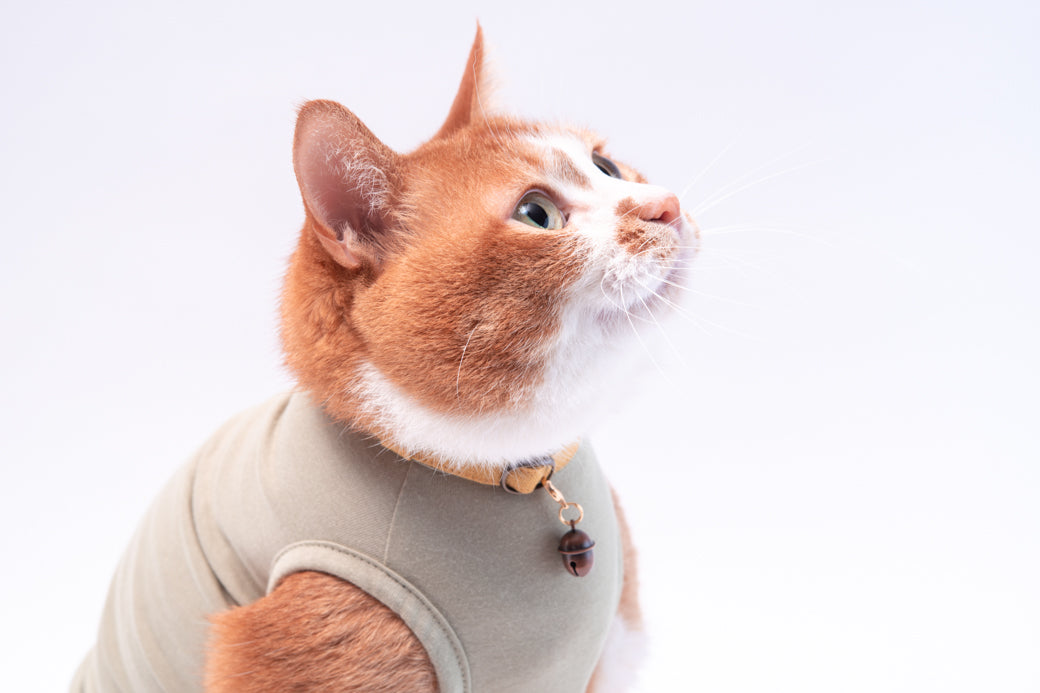
The wound should be checked at least once a day. Immediately after surgery, there may be some slow bleeding, but in most cases, it will stop in time. If bleeding doesn't stop easily, hemostatic agents may be used, or pressure may be applied with gauze to stop the bleeding. It is important to check daily if the amount of bleeding is increasing. Also, check for signs of infection and whether the wound has opened. Stitches may come undone, or the cat itself may lick them off. If the cat excessively bothers the wound, a post-operative suit or Elizabethan collar should be used.
If an infection occurs, fluid or pus may discharge from the wound. This may be accompanied by fever, loss of appetite, and wound dehiscence.
|
【Related Products】 |
|
【Related Articles】 |
How to handle abnormal behavior or symptoms
Common post-operative abnormalities include lethargy, loss of appetite, wound dehiscence, collapse, and vomiting. These can occur due to post-operative complications. If any abnormalities appear after surgery, consult a veterinarian immediately. It is best not to assume that the condition will improve on its own. If it's night or the clinic is closed, contact an animal hospital that can provide treatment and explain "what kind of surgery was performed and when."
Creating a post-operative living environment for cats and measures to reduce stress

How to create a quiet and safe environment
After surgery, there is usually no special need for strict rest, but if there are other cats in the household that might chase them around, it might be good for the cat to spend a few days in a cat cage. After surgery, cats instinctively try to hide. This is to prevent them from being attacked by perceived enemies who might think they are weak. Even if the cat is元気 after surgery, it's a good idea to set up a place where they can hide and rest, such as a cardboard house.
After bone surgery, or if their physical strength has declined, they may not be able to climb to high places. It is necessary to prevent them from climbing cat trees and similar structures for a while.
Ways to reduce stress for cats
Cats are sensitive after surgery. If you excessively dote on them in an attempt to spoil them, it can actually increase their stress. Owners should interact with them as usual. Also, avoid any household events (moving, visitors, moving furniture, etc.) after surgery, as these can cause significant stress.
Maintaining distance from other pets
If you have other cats or dogs, they might chase the recovering cat excessively due to an unfamiliar scent. In some cases, the recovering cat might even be attacked. Therefore, set up a cat cage in a quiet room and let them stay there for a few days. When taking them out of the cat cage, let them smell towels that have the scent of both pets to reduce problems.
Key points for post-operative cat feeding and exercise restrictions

Appropriate diet and amount of food after surgery
After surgery, feed your cat what the veterinarian has instructed. If there are no specific instructions and your cat seems to have difficulty eating, try softening the food or switching to wet food. Also, follow the veterinarian's instructions regarding the amount of food. If your cat stops eating for more than one day, you need to have their condition checked at the animal hospital.
Checking water intake and the importance of hydration
Cats are not animals that naturally drink a lot of water, but it is not uncommon for them to stop drinking entirely after surgery. Especially after urinary tract surgery for conditions like urinary stones, it is crucial for them to drink plenty of water post-operatively. The required water intake for a cat is approximately 50ml per 1kg of body weight per day. It is a good idea to prepare this amount of water and check how much they are drinking. If they are not drinking much, you can use oral rehydration solution or mix wet food broth into their drinking water. If they still don't drink, intravenous fluids may be necessary at the animal hospital.
Duration of exercise restriction and specific restriction methods
For most surgeries, there are no specific exercise restrictions, but hitting the wound can lead to bleeding or the wound opening. Therefore, it is best for the cat to rest in a cat cage until the veterinarian gives permission. Any objects that pose a risk of falling and causing injury should be removed beforehand.
Veterinarian-recommended post-operative care precautions and follow-up

The most important points to watch during post-operative care
The most important points to watch during post-operative care are the condition of the wound, appetite, vitality, excretion, and vomiting. Usually, if there is an abnormality, something will occur within about 4 days after surgery. The stitches are typically removed 10 days to 2 weeks after surgery, but observe carefully during that time.
Importance of post-operative check-ups and optimal timing
The timing of post-operative check-ups varies depending on the type of surgery and the veterinarian's judgment. Therefore, be sure to visit on the day instructed by your veterinarian upon discharge. If you cannot visit on that day, confirm beforehand what you should do.
If there is even a slight abnormality before the scheduled visit, it is crucial to consult a veterinarian immediately.
When to consult a veterinarian for early recovery
A smooth post-operative period is key to early recovery. Therefore, it is important to consult a veterinarian if you notice even the slightest abnormality. Even if you think it might get better tomorrow, post-operative complications will not resolve on their own. Do not wait; consult a veterinarian immediately.
Summary

Including spay and neuter surgeries, pet cats are likely to undergo surgery at least once in their lifetime. After surgery, various things change within the body. Even if the surgery itself is successful, post-operative complications are not uncommon. After surgery, follow your veterinarian's instructions and consult them immediately if you notice anything unusual.

![Feline Infectious Peritonitis (FIP) Treatment Guide [2024 Edition]: Latest Information and Treatment Options](http://www.poponeko.jp/cdn/shop/articles/shutterstock_1633580878.jpg?height=400&v=1727181737)


![[Set] Leaf Ribbon & Scrunchie Cat Collar, Arabesque Swirl, Teal](http://www.poponeko.jp/cdn/shop/files/2608_00131.jpg?v=1789044775&width=600 "[Set] Leaf Ribbon & Scrunchie Cat Collar, Arabesque Swirl, Teal")
![[Set] Leaf Ribbon & Scrunchie Cat Collar - Vidro (Aster)](http://www.poponeko.jp/cdn/shop/files/2608_00415.jpg?v=1789826564&width=600 "[Set] Leaf Ribbon & Scrunchie Cat Collar - Vidro (Aster)")
![[Slightly Damaged] Cat-Friendly Cat Warm Shirt, Border (Short Sleeve)](http://www.poponeko.jp/cdn/shop/products/DSC_7661.jpg?v=1675832922&width=600 "[Slightly Damaged] Cat-Friendly Cat Warm Shirt, Border (Short Sleeve)")
![[Set] Leaf Ribbon & Scrunchie Cat Collar - Hannari Cherry Blossom Blue](http://www.poponeko.jp/cdn/shop/files/2608_00139.jpg?v=1789197917&width=600 "[Set] Leaf Ribbon & Scrunchie Cat Collar - Hannari Cherry Blossom Blue")
![[Set] Leaf Ribbon & Cat Collar - Gingham Check (Raspberry)](http://www.poponeko.jp/cdn/shop/files/DSC00111_50fa7dfb-0b92-465f-96f3-373274a75e62.jpg?v=1780663890&width=600 "[Set] Leaf Ribbon & Cat Collar - Gingham Check (Raspberry)")
![[Set] Leaf Ribbon Moda Fab-Boo-Lous & Cat Collar Cotton Oxford Orchid](http://www.poponeko.jp/cdn/shop/files/260618_00166.jpg?v=1784451812&width=600 "[Set] Leaf Ribbon Moda Fab-Boo-Lous & Cat Collar Cotton Oxford Orchid")

Leave a comment