
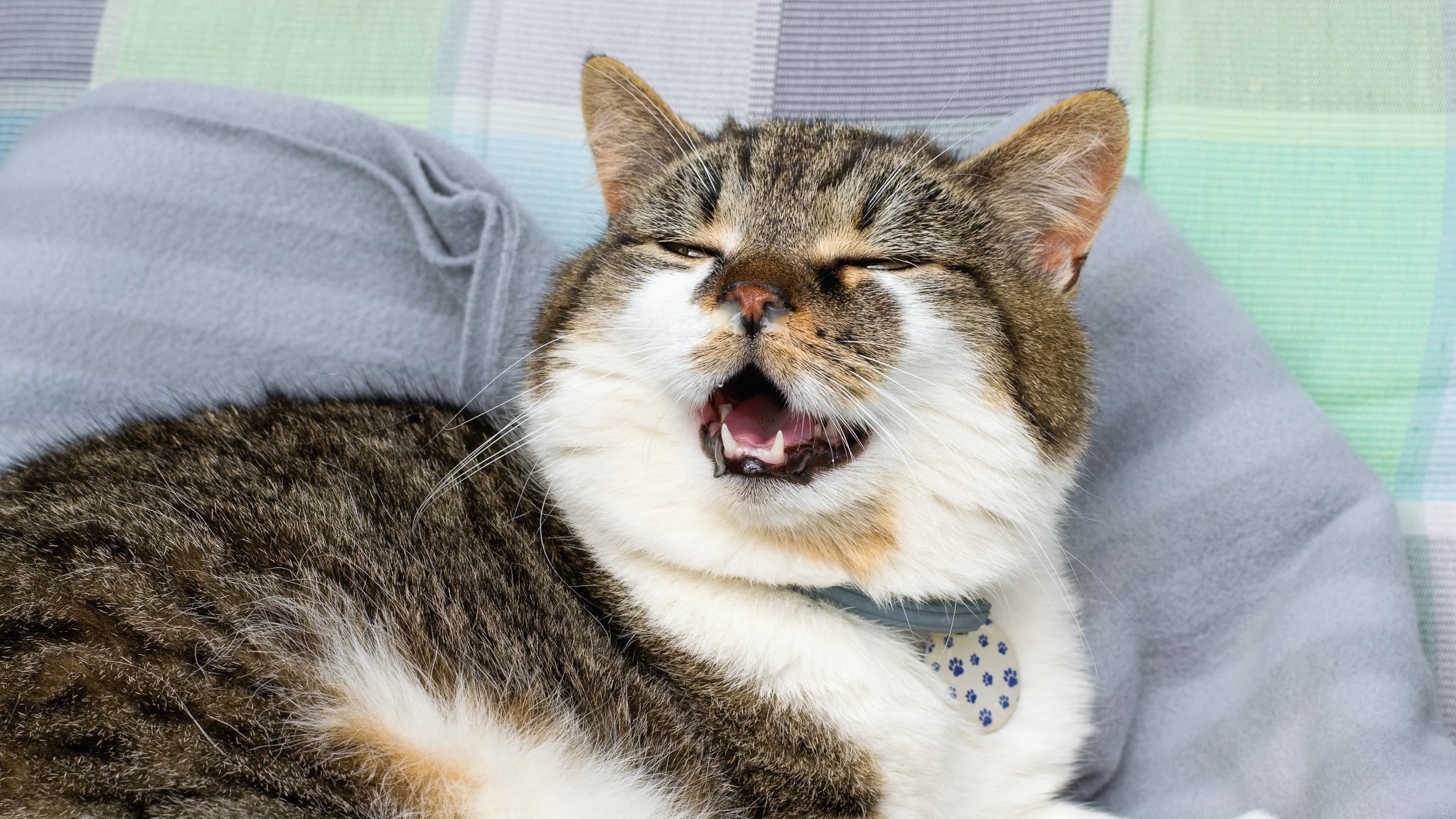
In recent years, due to advancements in veterinary medicine and improvements in living environments, the number of cats living to a very old age has increased. The average lifespan of a cat is said to be about 15 years, and some cats are developing dementia. This article will explain dementia in senior cats.
Do senior cats also get dementia? Main symptoms and how it develops

What is feline dementia (Cognitive Dysfunction Syndrome: CDS)?
Due to the development of veterinary medicine and improvements in living environments, the lifespan of cats has also extended. Just like humans, cats also develop dementia in old age. Dementia is officially called Cognitive Dysfunction Syndrome (CDS).
In humans, vascular dementia and Alzheimer's disease are the most common types of dementia. Feline CDS resembles human Alzheimer's disease; while not identical, they share similarities such as the deposition of a substance called amyloid in the brain. In addition to this, cognitive decline can also occur due to brain diseases like cerebral infarction and brain tumors, or systemic diseases.
In cats, the risk of onset gradually increases from 11 years of age and older.
Typical symptoms of dementia
Typical symptoms of dementia include night crying and wandering, but many other symptoms can also appear.
These include changes in personality, constant sleeping, wanting to enter narrow spaces, pressing their head against a wall, having accidents outside the litter box, reversal of day-night cycles, and inability to perform previously learned behaviors.
Characteristics of cats prone to dementia

Age when risk of onset increases
Cats are considered to enter their senior years from 7 years of age, as various problems tend to increase. It is said that cognitive function decline is observed in more cats over 10 years old, and about half of cats over 15 years old show some symptoms of dementia.
It is unknown whether cat breeds, genetics, or other factors are related to dementia.
Veterinarian's Advice! 5 Habits for Preventing Dementia in Senior Cats

There is no established treatment for feline dementia, and it cannot be completely prevented. However, with proper care, its progression can be slowed down and symptoms can be alleviated.
① Moderate exercise and play to activate the brain
Moderate exercise and play are believed to lead to brain activation. For play, it's good to introduce new toys or incorporate puzzle toys that make them think a bit, rather than always using the same ones.
② Daily stimulation of sight, smell, and hearing
Sight, smell, and hearing transmit stimuli to the brain. The more stimuli there are, the more the brain activates to process information. Since constant, identical stimuli can lead to boredom, try to introduce new stimuli. Playing games where you hide treats and they have to find them is a good way to fully engage their five senses.
③ Nutritionally balanced diet suitable for senior cats
There is special food for senior cats. Senior cats may experience a decline in digestive function. Also, due to reduced activity levels, they may consume excess calories. Food for senior cats is designed to be gentle on the digestive system, low in calories, and with reduced phosphorus and sodium. Furthermore, some foods are supplemented with ingredients like DHA and EPA, which are known to positively affect cognitive function.
④ Food or supplements containing DHA, EPA, and antioxidants
DHA and EPA, which are omega-3 fatty acids, are said to have antioxidant properties and are expected to have an effect in suppressing the progression of dementia. Therefore, they are sometimes added to senior cat food and are also sold as supplements. These ingredients may not only slow the progression of dementia, but are also expected to be effective against arthritis, chronic kidney disease, heart disease, and skin conditions.
⑤ Ensure communication time with owner
Communicating with their owner stimulates a cat's brain. Call their name and talk to them. Gently talking to them while brushing or massaging their body will also stimulate their skin and joints.
What to do if you suspect "dementia": Early detection and response methods

When to see a veterinarian
Modern veterinary medicine does not have a definitive way to diagnose dementia. It does not show up as numerical values in blood tests, and it is necessary to differentiate it from other brain diseases through CT scans or MRI scans of the head. In other words, behavioral changes that mimic dementia can also appear with other illnesses. Therefore, if you notice unusual behavior, do not dismiss it as "just old age" or "it must be dementia," but instead visit a veterinarian.
Behavioral checkpoints for assessing cognitive function
There are behavioral checkpoints for assessing a cat's cognitive function. The more checks there are, the higher the possibility of dementia, but similar symptoms can also appear with other illnesses.
- Is 7 years old or older
- Started crying excessively at night
- Started wandering around the room aimlessly
- Lost awareness of the litter box location
- Started having accidents in places they didn't before
- Sleeps all day and is awake at night
- Sleep has become lighter and they wake up easily
- Has become unusually clingy
- Asks for food again shortly after eating
- Started repeatedly and persistently licking a part of their body
Treatment and care options to slow progression
Since dementia cannot be completely prevented or cured, the key is to slow its progression. It also requires the owner's patience to recognize and cope with changes in their cat's behavior.
A lack of stimulation is believed to accelerate the progression of dementia. Therefore, actively engage with your cat and provide brain stimulation. Massaging their body can also be beneficial. It not only provides stimulation but also promotes blood circulation and prevents joint stiffness.
Choose food appropriate for your cat's age. Foods containing omega-3 fatty acids such as DHA and EPA are recommended. You might also consider incorporating such supplements.
What you can do to ensure a happy life even with dementia

Environmental adjustments: litter box and sleeping area placement, eliminating steps, etc.
Not only cats with dementia, but also senior cats develop problems with their joints and kidneys. They may become unable to climb steps or walk long distances. Also, chronic kidney disease can lead to increased urination. As cognitive function declines, it becomes harder for them to accurately locate the litter box, leading to more accidents. Therefore, place litter boxes within the cat's activity range and choose ones with as few steps as possible. Cat beds should also have few steps and be placed a little distance from the litter box. This is because cats, like with food and water, tend to live away from the area around their litter box.
Owner's mindset for facing it calmly
When dementia sets in, various symptoms can distress owners. The most common problems are reversal of day and night, night crying, wandering, and having accidents. Night and day reversal and night crying are probably the most frequent issues discussed regarding dementia.
Dementia symptoms are not intended to trouble the owner but are caused by declining brain function. Therefore, scolding will never solve the problem and may even worsen the relationship, so absolutely refrain from scolding.
If problematic symptoms arise, try to address them. For example, if they wander, let them live in a reasonably spacious enclosure, or block off any gaps they might squeeze into. If you're concerned about accidents, you can change the number or type of litter boxes, or lay down pet pads on the floor.
However, reversing the day-night cycle and the accompanying night crying can be difficult to manage. We advise owners to try to stimulate their cats during the day and encourage them to sleep at night by changing their daily routine, but this may not be feasible if the owner is not home during the day. There are cases where owners themselves cannot sleep at night, or receive complaints from neighbors about night crying, and in severe cases, euthanasia may be considered. There are also supplements available for day-night reversal and night crying, so using those might be an option. Anti-anxiety medications or sleeping pills may also be prescribed, though it is said that they could potentially accelerate the progression of dementia. However, such prescriptions are considered after explaining these possibilities to the owner.
Caregiving will eventually come to an end. It is important for owners to face their cat's needs and do what they can within reasonable limits.
Association with other underlying conditions (e.g., kidney disease) and precautions
In old age, diseases such as arthritis and chronic kidney disease also appear. Arthritis makes movement difficult and restricts activity range. It also becomes harder to climb steps. Furthermore, chronic kidney disease leads to increased thirst and urination, and it becomes more common for them to not make it to the litter box in time. These can occur even without cognitive problems, so if symptoms resembling dementia are caused by another illness, early treatment may lead to improvement. Do not assume it is dementia; get a proper diagnosis from a veterinarian.
Summary

Feline dementia gradually begins to appear in cats aged 10 years and older. Since there is no cure or prevention for dementia, it is important to slow its progression. In addition to stimulating their brain through play and communication, let's try to slow down its progression as much as possible by reviewing their diet and improving their living environment.

![Feline Infectious Peritonitis (FIP) Treatment Guide [2024 Edition]: Latest Information and Treatment Options](http://www.poponeko.jp/cdn/shop/articles/shutterstock_1633580878.jpg?height=400&v=1727181737)


![[Set] Leaf Ribbon & Scrunchie Cat Collar, Gingham Check, Yellow](http://www.poponeko.jp/cdn/shop/files/DSC00094_3cfceafb-3dec-4966-8fb0-98d2b6a0f857.jpg?v=1780663891&width=600 "[Set] Leaf Ribbon & Scrunchie Cat Collar, Gingham Check, Yellow")
![[Set] Leaf Ribbon & Scrunchie Cat Collar, Tartan Check, Trench Beige](http://www.poponeko.jp/cdn/shop/files/2606_00007.jpg?v=1785759845&width=600 "[Set] Leaf Ribbon & Scrunchie Cat Collar, Tartan Check, Trench Beige")
![[Slightly Damaged] Cat-Friendly Cat Warm Shirt, Border (Short Sleeve)](http://www.poponeko.jp/cdn/shop/products/DSC_7661.jpg?v=1675832922&width=600 "[Slightly Damaged] Cat-Friendly Cat Warm Shirt, Border (Short Sleeve)")
![[Set] Leaf Ribbon & Cat Collar TARTAN CHECK DRESS RED](http://www.poponeko.jp/cdn/shop/files/2606_00016.jpg?v=1785759845&width=600 "[Set] Leaf Ribbon & Cat Collar TARTAN CHECK DRESS RED")
![[Set] Leaf Ribbon & Cat Collar - Arabesque Swirl, Red](http://www.poponeko.jp/cdn/shop/files/2608_00117.jpg?v=1789044775&width=600 "[Set] Leaf Ribbon & Cat Collar - Arabesque Swirl, Red")
![[Set] Leaf Ribbon & Cat Collar - Champ de Fleurs, Raspberry](http://www.poponeko.jp/cdn/shop/files/DSC00099_6b51f9b4-93c7-4c58-b439-108715aa361f.jpg?v=1780663183&width=600 "[Set] Leaf Ribbon & Cat Collar - Champ de Fleurs, Raspberry")
とても勉強になる記事でした。我が家にも、まだまだ元気ですがハイシニアの猫がいます。これからもしもの時の為に、とても参考になりました。予防の為にも、もっと一緒に遊んであげなきゃと思いました。
Leave a comment