
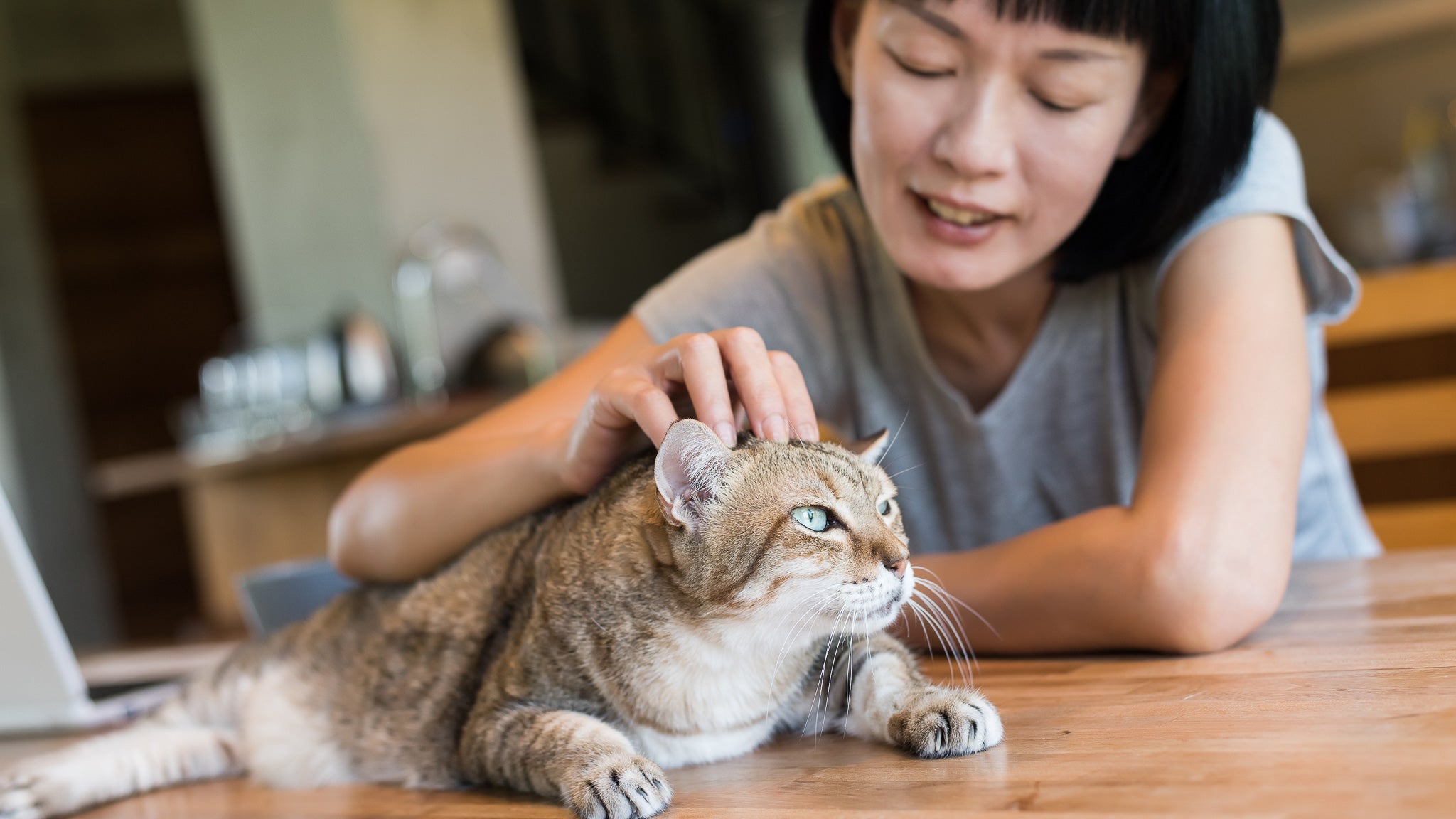
Cats become susceptible to various illnesses once they pass the age of 7. For this reason, around 7 years old is considered the beginning of their senior years, or middle to old age. Cats aged 11 and older are categorized as elderly, and those 15 and older as geriatric, requiring care tailored to each stage. This article will explain health management for elderly cats.
Definition of Elderly Cats and Age-Related Physical Changes

At what age are cats considered "elderly"?
The average lifespan of cats has been increasing in recent years, with more cats living to 15 years or older. Around the age of 7, cats begin to show signs of physical decline, and senior-related illnesses such as chronic kidney disease, arthritis, and internal organ disorders start to appear. Therefore, 7 years old is designated as middle to old age, marking the beginning of their senior years. Furthermore, cats aged 11 and older are classified as elderly, and those 15 and older as geriatric.
Age-related changes in bodily functions (metabolism, senses, immune system, kidneys, etc.)
Just like humans, cats experience a decline in bodily functions with age. Around 7 years old, cats start to show age-related changes, leading to an increased incidence of various illnesses such as joint diseases, kidney diseases, endocrine disorders, and tumors.
Metabolism decreases compared to when they were younger, making them more prone to weight gain. Additionally, reduced activity levels and muscle weakness due to conditions like arthritis can lead to obesity. This, in turn, increases the risk of endocrine disorders such as diabetes. As kidneys gradually sustain damage with age, symptoms of chronic kidney disease can appear in some cats as early as around 7 years old. Immune system dysregulation also occurs, making it harder to eliminate tumor cells and increasing the likelihood of various tumor formations.
Reasons why signs of illness are hard to notice
Cats are known for hiding their illnesses. It's common knowledge that cats often disappear just before they die. And it's not uncommon for them to appear fine right up until their last moments.
Owners of elderly cats sometimes say, "As they get older, they eat less and sleep more," but often these changes are due to an illness. However, if owners assume it's just due to old age and don't take their cat to the vet, by the time visible symptoms appear, it's often too late.
Daily Health Checkpoints for Elderly Cats!

Monitor changes in appetite, water intake, and elimination
By regularly keeping track of your cat's daily food intake, water consumption, and elimination patterns, you can quickly notice any abnormalities. Nowadays, there are devices available that record all of this, which can also help you detect issues.
Check fur, weight, and gait
As cats age, their appearance can change considerably. This is due, in no small part, to the effects of metabolism, kidney function, and joints.
Their fur loses its luster and becomes coarse to the touch. Grooming also becomes difficult, so mats can form. Conversely, some very elderly cats still have shiny fur, but this can sometimes indicate hyperthyroidism.
Weight and body shape also change. With reduced activity, cats with a good appetite tend to become obese. However, if there are conditions like chronic kidney disease, hyperthyroidism, or diabetes, rapid weight loss can occur.
Many cats are known to suffer from arthritis as they age. They may walk with a limp to favor a painful side or shuffle along slowly. They may also become reluctant to move or hesitate to jump.
Tips for quickly noticing differences from usual (behavior, vocalizations, sleep duration)
As cats age, changes also appear in their behavior. Just like humans, cats can experience a decline in cognitive function, which can lead to reversed day-night cycles, nocturnal meowing, wandering, and an increase in accidents outside the litter box because they can no longer find it. Their hearing and vision also deteriorate, causing them to become anxious when they can't recognize family members, leading to anxious meows or even very loud vocalizations.
Their sleep duration also increases. Cats are naturally good sleepers, but while adult cats sleep for about 14-16 hours, elderly cats may sleep for 18-20 hours. Therefore, owners might feel like their cat "seems to be sleeping all the time."
Health Support Through Diet and Nutrition Management

Timing and reasons for switching to senior food
Since cats enter their senior stage at 7 years old, cat food is categorized by age, such as 7+, 11+, and 15+. As cats age, their digestive function declines and their metabolism slows, which can lead to obesity. Therefore, senior foods are designed to be easily digestible and lower in calories. Furthermore, since kidney disease becomes more prevalent with age, many foods restrict phosphorus. Some foods also address joint health and contain omega-3 fatty acids.
Senior food is formulated with a cat's age in mind, so it's necessary to switch to age-appropriate food rather than thinking "they're still young enough for young cat food."
Balancing palatability and nutritional balance
Senior food restricts phosphorus, an umami-rich ingredient, to support kidney health. Therefore, some owners may find that their cat is less eager to eat it compared to their previous food. Especially with prescription diets for kidney disease, where phosphorus is severely restricted, it's common for owners to say their cat has stopped eating entirely. However, giving food high in phosphorus is not good for cats. If your cat is not eating well, you might try switching brands, adding toppings with low-phosphorus ingredients, or using wet food.
Utilizing supplements (omega-3 fatty acids, glucosamine, etc.)
For those who want to provide more advanced care than just senior food, why not consider supplements? Supplements containing anti-inflammatory ingredients like omega-3 fatty acids are recommended for senior cats. However, it's important to remember that supplements are health foods and may not necessarily produce the expected results. Also, if your cat is undergoing treatment, supplements can be an adjunct to treatment, but they cannot cure the illness on their own.
Exercise and Stress Care for Elderly Cats

Adapting exercise for senior cats to prevent overexertion
Many senior cats suffer from osteoarthritis, which makes them reluctant to move due to pain. Inactivity can lead to obesity, creating a vicious cycle that further strains their joints. Therefore, it's essential for them to exercise within reasonable limits. However, for cats experiencing pain, consideration should be given to using painkillers.
It's not good to make cats with arthritis run a lot or jump high. Therefore, start by encouraging them to walk even short distances. Throwing treats or food for them to retrieve, or hiding them for them to find, can also be beneficial.
Once the pain subsides or weight is controlled, vertical exercise can also be beneficial. While ramps or stairs with shallow steps and cushioning for falls are necessary, allowing cats to climb cat trees or shelves can also help alleviate their stress.
Creating a safe space by ensuring scratching posts and resting spots
Elderly cats tend to be less willing to move beyond their usual activity range. Therefore, it's important to make their immediate surroundings comfortable to minimize stress. Provide essential items within their active area. Place hidden spots and scratching posts. Scratching is a behavior that claims their territory, so it's advisable to have scratching posts even if they don't use them much.
Considering environmental changes (rearranging furniture, visitors, multiple pets)
As cats age, their cognitive function declines, and significant environmental changes can cause confusion. In some cases, this can lead to behavioral issues such as wandering or inappropriate elimination. Therefore, major environmental changes are undesirable. For example, if you're rearranging furniture, it's necessary to do it gradually rather than all at once.
Also, sudden visitors can cause significant stress. Ensure there's a space where the cat can escape, and ask visitors to "leave them alone."
In multi-cat households, if the relationship with other cats is good, it may not cause much stress. However, if other cats persistently bother the elderly cat, measures such as providing a refuge are necessary. Some cat owners believe that "letting a kitten interact with an elderly cat rejuvenates it." Kittens often have boundless energy and can be very persistent with elderly cats. This alone can be a burden on an elderly cat, so consider carefully before adopting a new cat.
Regular Check-ups and Early Detection of Illnesses are Key to Extending Lifespan

Initial diseases found through twice-yearly health checks
Health check-ups are crucial for the early detection of diseases. For cats aged 1-6, an annual check-up is recommended, while for those 7 and older, twice-yearly check-ups are advised. Chronic kidney disease and tumors, which are common in elderly cats, can progress within six months, making twice-yearly check-ups necessary for early detection. Early detection expands treatment options and significantly improves prognosis.
Importance of blood tests, urine tests, blood pressure, and imaging diagnostics
For early detection of diseases, it's necessary to assess data from various tests, not just one. It's common for blood tests to show no abnormalities, but other tests reveal issues. Especially in cases of chronic kidney disease, abnormalities may not appear in blood tests until 75% of kidney function is lost, but they can be detected through urine tests, blood pressure measurements, X-rays, or ultrasound examinations. Therefore, health check-ups that can perform these tests at once are crucial. However, the specific tests included may vary by hospital, so it's important to confirm in advance what examinations will be conducted.
If you notice any concerning signs, go to the vet immediately.
Cats are animals that hide their symptoms even when they are unwell. This is instinctive, as they don't want enemies to sense their weakness. Therefore, by the time symptoms appear, it is often already in a terminal state.
Even if there are no obvious symptoms like vomiting, diarrhea, lethargy, or loss of appetite, subtle changes such as dull fur, increased water intake, more frequent urination, a slight drop in appetite, or unexplained weight loss can be clues to early detection. If you notice anything concerning, consult your veterinarian immediately.
Summary: Health Management for Elderly Cats is a Cumulative Effort of "Small Observations"

Prevention and early detection made possible by daily observation from owners
Elderly cats hide their symptoms. Even small changes can be early signs of illness. Consult your veterinarian even for minor concerns. And even if nothing seems wrong, twice-yearly health check-ups are key to early detection of diseases.
It is important to continue making efforts to ensure a comfortable life even in old age.
Just as people renovate their homes for accessibility in old age, a living environment tailored to elderly cats is necessary. Reduce steps to account for their joints and place litter boxes and other necessities within their accessible range. Also, it's important not to drastically change their existing living environment. Try to create an environment that minimizes stress for your cat.

![Feline Infectious Peritonitis (FIP) Treatment Guide [2024 Edition]: Latest Information and Treatment Options](http://www.poponeko.jp/cdn/shop/articles/shutterstock_1633580878.jpg?height=400&v=1727181737)


![[Set] Leaf Ribbon moda Sage Wood & Cat Collar Cotton Linen Green](http://www.poponeko.jp/cdn/shop/files/260618_00171.jpg?v=1784451813&width=600 "[Set] Leaf Ribbon moda Sage Wood & Cat Collar Cotton Linen Green")
![[Set Item] Leaf Ribbon & Scrunchie Cat Collar - Petit Fleur - Mint](http://www.poponeko.jp/cdn/shop/files/2608_00417.jpg?v=1789946167&width=600 "[Set Item] Leaf Ribbon & Scrunchie Cat Collar - Petit Fleur - Mint")
![[Set] Leaf Ribbon & Scrunchie Cat Collar, Tartan Check, Trench Beige](http://www.poponeko.jp/cdn/shop/files/2606_00007.jpg?v=1785759845&width=600 "[Set] Leaf Ribbon & Scrunchie Cat Collar, Tartan Check, Trench Beige")
![[Set] Leaf Ribbon & Scrunchie Cat Collar - Petit Fleur - Purple](http://www.poponeko.jp/cdn/shop/files/2608_00419.jpg?v=1789946167&width=600 "[Set] Leaf Ribbon & Scrunchie Cat Collar - Petit Fleur - Purple")
![[Set] Leaf Ribbon & Scrunchie Cat Collar, Elegant Sakura Pink](http://www.poponeko.jp/cdn/shop/files/2608_00138.jpg?v=1789197917&width=600 "[Set] Leaf Ribbon & Scrunchie Cat Collar, Elegant Sakura Pink")

Leave a comment