

Do you tend to dismiss your cat's vomiting with a thought like, "Cats often vomit, so it's probably nothing"? If your cat has persistent nausea or loss of appetite, it might be a sign of pancreatitis.
Pancreatitis is common in cats but often goes undiagnosed due to a lack of specific symptoms, making it a challenging condition even for veterinarians to identify.
This article will explain the early symptoms of pancreatitis that owners should never overlook, the criteria for seeking veterinary care, and how to properly manage the disease.
Why is it life-threatening? The truth about feline pancreatitis and why it must not be overlooked

What is feline pancreatitis? A condition where the pancreas digests itself
The pancreas is a vital organ with two main functions: it acts as an "exocrine gland" by secreting digestive enzymes and as an "endocrine gland" by secreting hormones (such as insulin) that regulate blood sugar levels.
Pancreatitis is a disease where, for some reason, the digestive enzymes of the pancreas start digesting the pancreas itself, causing severe inflammation in and around the organ. If left untreated, the inflammation can spread throughout the body, leading to multi-organ failure and even death. The exact cause is often unknown, but factors such as diet, obesity, abdominal trauma, infections (like FIP), other enteritis, and poisoning are thought to be related.
Differences between "acute pancreatitis" and "chronic pancreatitis"
Acute pancreatitis: Develops suddenly and causes severe symptoms due to widespread inflammation throughout the body, requiring urgent treatment.
Chronic pancreatitis: A state where inflammation persists gradually even after an episode of acute pancreatitis subsides, becoming chronic. Symptoms are often subtle, but the pancreas gradually hardens, and its function declines. Many cats that experience persistent vomiting may be suffering from chronic pancreatitis.
Don't just dismiss it as "my cat vomits"! A list of early pancreatitis symptoms you shouldn't overlook

The most common symptoms are "vomiting" and "loss of appetite"
The most common symptoms of pancreatitis in cats are vomiting and loss of appetite (not eating or reduced appetite). While dogs often exhibit severe vomiting, diarrhea, bloody stools, and loss of appetite, cats often don't show prominent abdominal pain or diarrhea, making the condition easily overlooked.
[Owner Check] How to distinguish dangerous "vomiting" and early symptoms
🚨Urgent visit to the vet! Dangerous symptom checklist
If multiple of the following symptoms apply, or if they persist for more than 24 hours, take your cat to the vet immediately.
- ☑ Vomiting repeatedly multiple times a day, even after drinking water
- ☑ Not eating anything for a full day (especially obese cats are at risk of hepatic lipidosis)
- ☑ Lethargic, huddled under the cat tree or in a corner of the room (a sign of abdominal pain)
- ☑ Drinks water but doesn't eat food or treats
No specific symptoms? Why is feline pancreatitis so "difficult to diagnose"?

Symptoms are similar to other diseases
Symptoms like vomiting, loss of appetite, and lethargy are also seen in other common feline illnesses such as cat flu, gastroenteritis, and kidney disease. Due to the lack of specific symptoms, it can take time to reach a diagnosis.
Cannot be confirmed by blood tests alone
Pancreatitis cannot be definitively diagnosed with general blood tests alone. A diagnosis is made by comprehensively evaluating symptoms, imaging tests, and other factors. In particular, a blood test called the feline pancreatic lipase immunoreactivity (fPLI) test has made it possible to diagnose pancreatitis in-clinic. However, a negative test result does not necessarily rule out pancreatitis.
Veterinarians combine these blood tests with imaging techniques such as ultrasound and X-rays. It is said that the pancreas is an organ where the results of imaging tests can vary significantly depending on the skill of the examining veterinarian. This means that if a veterinarian is not experienced in pancreatic imaging, diagnosis can be difficult. The veterinarian makes a comprehensive diagnosis of pancreatitis based on test results and symptoms.
Treatment is a race against time! IV fluids, diet therapy, and "stress care" at home

Early detection is key! Hospitalization with IV fluids and pain relief
In cases of acute pancreatitis, starting treatment as early as possible is crucial. Treatment varies depending on the symptoms, but if there's complete loss of appetite, the cat may be hospitalized to receive IV fluids, pain medication, and anti-emetics. Concurrent enteritis or hepatitis (triaditis) can occur, requiring additional treatment.
Do not fast cats! Diet therapy is important
Diet is a critical factor in pancreatitis. Cats are particularly sensitive to fasting; obese cats that fast for several days can develop hepatic lipidosis, a life-threatening liver condition. A therapeutic diet or liquid diet that is easy to digest should be given. While high-fat treats should be avoided, recent studies indicate that a low-fat diet is not strictly necessary.
If there is no appetite, tube feeding (inserting a catheter into the nose or esophagus) while controlling nausea, and administering appetite stimulants are also important.
Eliminate environmental changes and create a peaceful environment
Stress can trigger or worsen feline pancreatitis.
At home, it's important to provide a quiet place where your cat can relax (like a hideaway bed) and avoid frequent environmental changes.
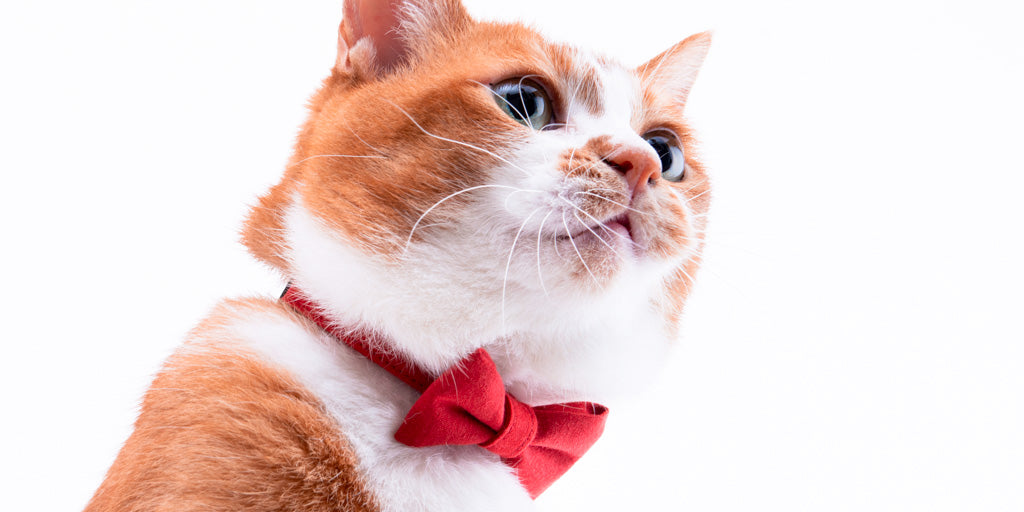
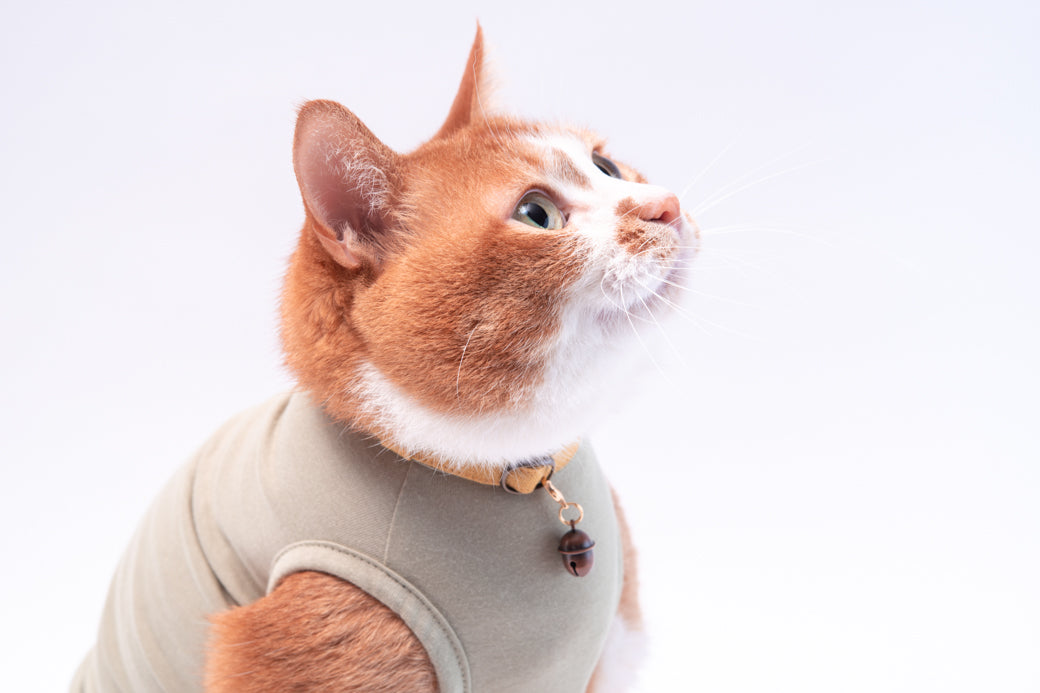
Also, minor discomfort can cause stress and lead to illness. Create a "cat-first" environment where your beloved cat can live peacefully, for example, by replacing heavy, stiff collars with light, skin-friendly cotton collars.
|
[Related Products] |
Summary: If your cat "vomits", it's a distress signal! If you notice anything unusual, consult a vet immediately.

Early detection and treatment are paramount for feline pancreatitis.
Don't simply dismiss it as "my cat is vomiting" or "loss of appetite." If you notice the symptoms on the checklist or any small distress signals from your cat, do not hesitate to take them to the vet.
Through daily interaction, a clean and stress-free environment, and early care, help protect your beloved cat's healthy eyes.

![Feline Infectious Peritonitis (FIP) Treatment Guide [2024 Edition]: Latest Information and Treatment Options](http://www.poponeko.jp/cdn/shop/articles/shutterstock_1633580878.jpg?height=400&v=1727181737)


![[Set] Leaf Ribbon & Cat Collar - Gingham Check Tomato Red](http://www.poponeko.jp/cdn/shop/files/DSC00105_c3cf26db-19e7-4828-a848-34b8c51cbf24.jpg?v=1780663891&width=600 "[Set] Leaf Ribbon & Cat Collar - Gingham Check Tomato Red")
![[Set] Leaf Ribbon & Cat Collar - Gingham Check Pink](http://www.poponeko.jp/cdn/shop/files/DSC00107_be0c6dc2-1e03-4ba3-9fbe-dcb40be6c72c.jpg?v=1780663891&width=600 "[Set] Leaf Ribbon & Cat Collar - Gingham Check Pink")
![[Set] Leaf Ribbon moda The Fleeting Outdoors & Cat Collar Stain-Resistant Water-Repellent Oil-Repellent Black](http://www.poponeko.jp/cdn/shop/files/260618_00173-2.jpg?v=1784452166&width=600 "[Set] Leaf Ribbon moda The Fleeting Outdoors & Cat Collar Stain-Resistant Water-Repellent Oil-Repellent Black")
![[Set product] Leaf Ribbon Fleurage Pink & Cat Collar Belgian Linen Pink Beige](http://www.poponeko.jp/cdn/shop/files/2608_00120.jpg?v=1789197487&width=600 "[Set product] Leaf Ribbon Fleurage Pink & Cat Collar Belgian Linen Pink Beige")
![[Set] Leaf Ribbon & Scrunchie Cat Collar, Tartan Check, Dress Red](http://www.poponeko.jp/cdn/shop/files/2606_00008.jpg?v=1785759844&width=600 "[Set] Leaf Ribbon & Scrunchie Cat Collar, Tartan Check, Dress Red")
![[Set] Leaf Ribbon & Cat Collar - Hannari Sakura Purple](http://www.poponeko.jp/cdn/shop/files/2608_00128.jpg?v=1789197917&width=600 "[Set] Leaf Ribbon & Cat Collar - Hannari Sakura Purple")

Leave a comment