

Have you noticed an incredible amount of cat hair shedding lately? If so, your cat might be going through its "molting season."
During molting season, cats shed a massive amount of fur, which can lead to fur flying everywhere even if you clean constantly. Furthermore, your cat might end up licking up the shed hair, potentially increasing the frequency of hairball vomiting.
Both cat owners and their cats need to be careful during the molting season.
In this article, I would like to explain in detail about cat molting seasons, when they happen, their duration, and effective ways to manage the shedding.
What is the Cat Molting Season That Causes Such Heavy Shedding?

Cat fur consists of a double coat: a topcoat and an undercoat.
The topcoat is firm and thick, and it is the hair that is visible on the very outside. It has low density, which gives it the characteristic of being breathable.
The undercoat is made of thin, fluffy, down-like hair that grows densely beneath the topcoat. It has high heat retention properties and can protect the cat from the cold.
In other words, "molting season" is when cats regulate their body temperature according to the season—shedding the undercoat to stay cool in hot weather, and reducing the topcoat while increasing the undercoat in cold weather.
A cat's molting season is similar to a human's "seasonal change of clothes." The drawback is that shedding doubles during this time, but... let's learn how to manage it properly and get through it smoothly!
When Does the Cat Molting Season Start and End?

Cats typically have two molting seasons per year, generally beginning around March in early spring and around November before winter. By shedding their coats around March, when it starts to get warmer, and around November, when it starts to get colder, they adapt well to temperature changes.
Now that you mention it, cats seem to look a bit chubbier when winter arrives. It is thought that this is because they are insulating themselves with a fluffy undercoat.
Then, as spring approaches, the shed undercoat starts flying everywhere all at once... The volume of hair shed during the spring molting season is higher than during the winter molting season.
How Long Does the Cat Molting Season Last?
How long does the molting season, which makes cleaning so difficult, actually last? The growth cycle of a cat's hair is roughly 60 to 90 days. Therefore, it is believed that the molting season can last for up to 90 days.
Do Indoor-Only Cats Have a Molting Season?
It is said that a cat's molting season is influenced by the length of daylight hours. The start of the molting season can vary depending on the region and the environment in which the cat is raised.
There is also a theory that cats kept strictly indoors do not have a molting season. Cats that rarely get to see direct sunlight and live in an environment where the room temperature is controlled by air conditioning may not have distinct molting periods.
Dealing with Shedding During Molting Season

During a cat's molting season, shedding increases. If left unchecked, cat hair will end up flying all over the room.
However, that is not the only difficulty during molting season. If a cat swallows a large amount of hair while grooming, it increases the risk of "trichobezoar" (hairballs), which can damage the stomach and intestines.
To get through the molting season safely, let's learn some effective ways to deal with the shed fur.
Frequent Brushing
By brushing your cat, you can remove shed fur before it starts flying around. If possible, brushing once a day is effective, or twice a day for long-haired cats.
Brushes like the Furminator or rubber brushes are well-regarded for removing hair effectively. You only need to stroke gently along the grain of the fur, so it's easy to keep up every day. Finishing with a comb or a bristle brush can help remove finer hairs.
Brush carefully and gently from the head to the back and tail. Since they might dislike having their paws or belly brushed, try to get them used to it little by little.
Freshen Up with a Shampoo
If your cat is okay with baths, shampooing can be effective. Shampoo the cat after removing most of the loose fur by brushing. A good rule of thumb is about once a month for long-haired cats, and once during the molting season for short-haired cats.
If they absolutely hate shampooing, try wiping them down with a damp, wrung-out towel. If the hair is tangled and matted, do not force it—consult a grooming salon instead.
Put Cat Clothes on Them
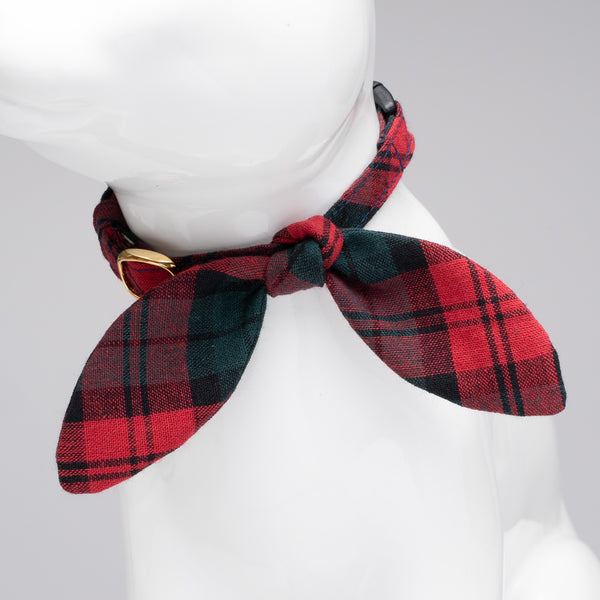
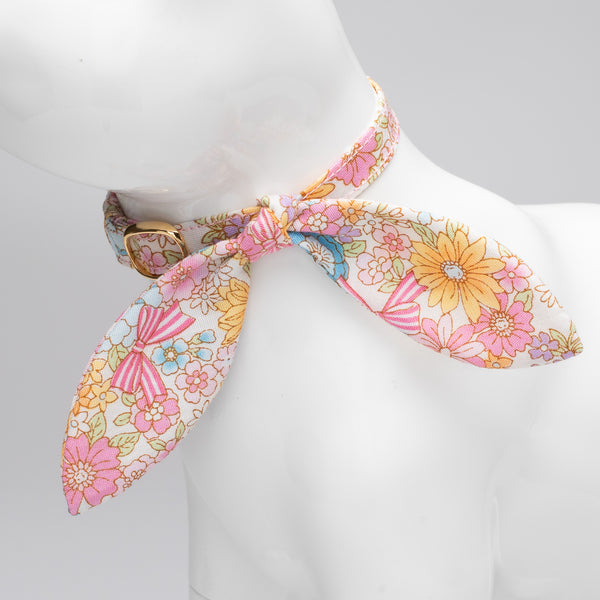
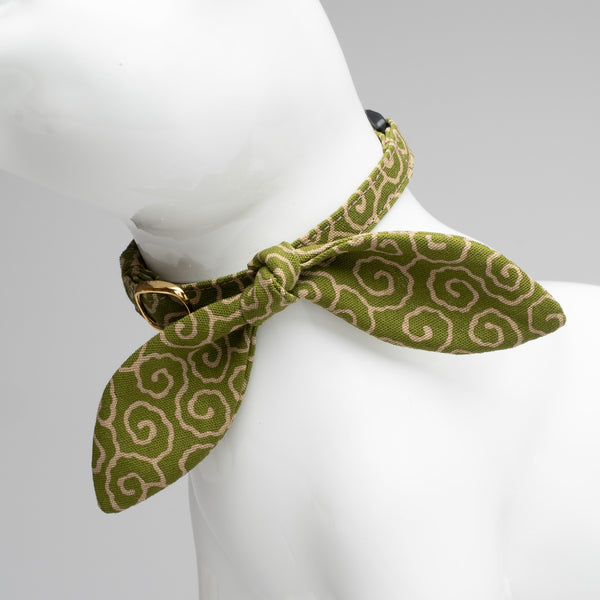
If your cat ends up swallowing a large amount of hair during the molting season, or if you have guests and are concerned about the shedding, try putting clothes on your cat. Many cats dislike clothes, but once they get used to them, they will wear them without issue.
Keep Cleaning
During the molting season, the whole room will be covered in shed hair. You might find hair collected in unexpected places, such as on top of the cat tower or behind the TV. Since using a vacuum cleaner right away can cause the hair to scatter, it is recommended to clean with a lint roller or wet-type sheets.
There are many convenient goods available, such as rubber glove types or sponge types, so be sure to check your local pet shop. Modern conveniences like robot vacuums and air purifiers are also very helpful.
Pay Attention to Your Cat's Health
During the molting season, your cat might start vomiting more often. Since they are licking up more hair than usual, the frequency of vomiting hairballs will naturally increase.
During such times, there is a risk of "hairball disease." Because swallowed hair is not digested, it can form clumps in the stomach that can damage the stomach and intestines. This is especially important to watch out for in long-haired cats, senior cats, and cats with a habit of excessive grooming.
Along with frequent brushing, consult with your veterinarian about using hairball-care food or providing cat grass.
Summary

The two molting seasons each year are important for cats. While cleaning may become difficult, let's manage it well and get through it.
Try to brush as often as possible so that shed hair doesn't scatter everywhere and your cat doesn't end up swallowing it. If you think of it as time to enjoy bonding with your cat, the molting season might even start to seem a bit wonderful.
Please try to keep these small measures in mind so that both you and your cat can spend the molting season comfortably.
|
[Related Articles] |
Author Profile









Leave a comment