

If you live with a cat, "escape prevention" is essential. Even strictly indoor cats, and even gentle cats, are at risk of escaping.
But have you ever considered why cats escape?
Is it their nature? Are they curious about the outside world? By understanding the reasons and causes for cats escaping, you can effectively prevent it.
Let's also consider solutions to keep your cat safe.
Do strictly indoor cats escape?
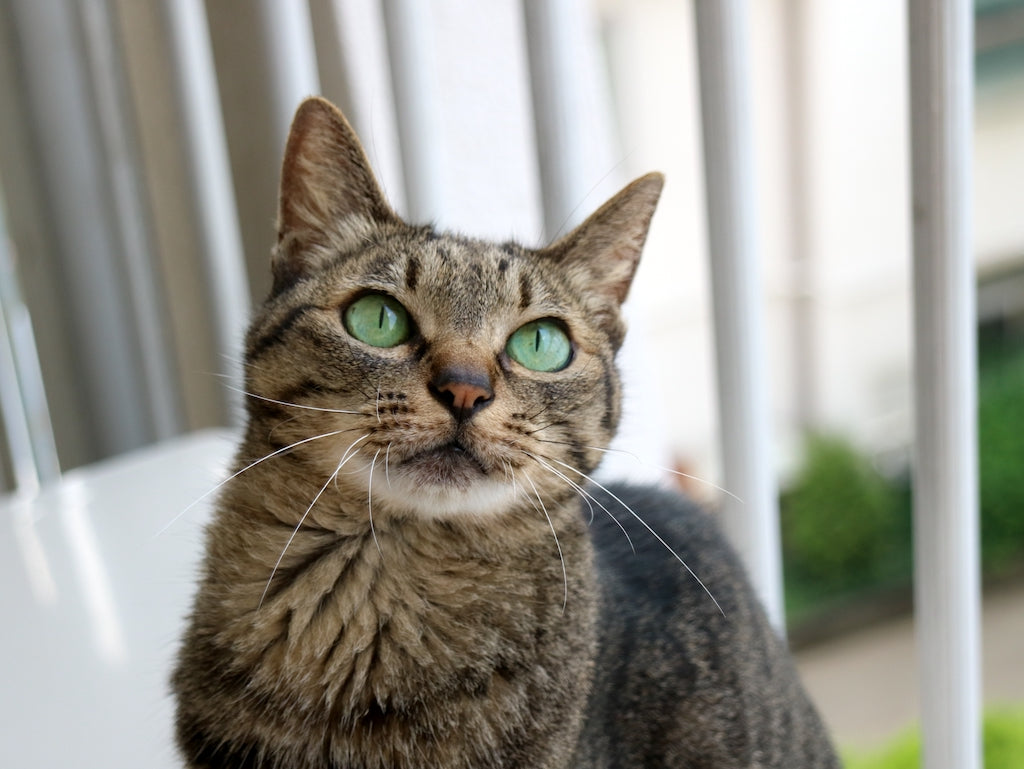
Currently, the prevailing idea is "cats should be kept strictly indoors," and it seems that practices allowing free outdoor access are decreasing.
Strictly indoor cats perceive their home as their "territory." Cats dislike leaving their territory, so they don't feel stressed by living exclusively indoors. Therefore, it's not a case of "it's too small indoors, so it's cruel not to let them out."
Patrolling their favorite spots and checking for anything unusual is part of a cat's daily routine. Areas where they usually sleep, eat, or nap are considered places where their territorial instincts are particularly strong.
So, if their favorite spot is redecorated, or if there are intruders like guests, they might feel stressed.
Why do cats escape? Reasons and causes of escape
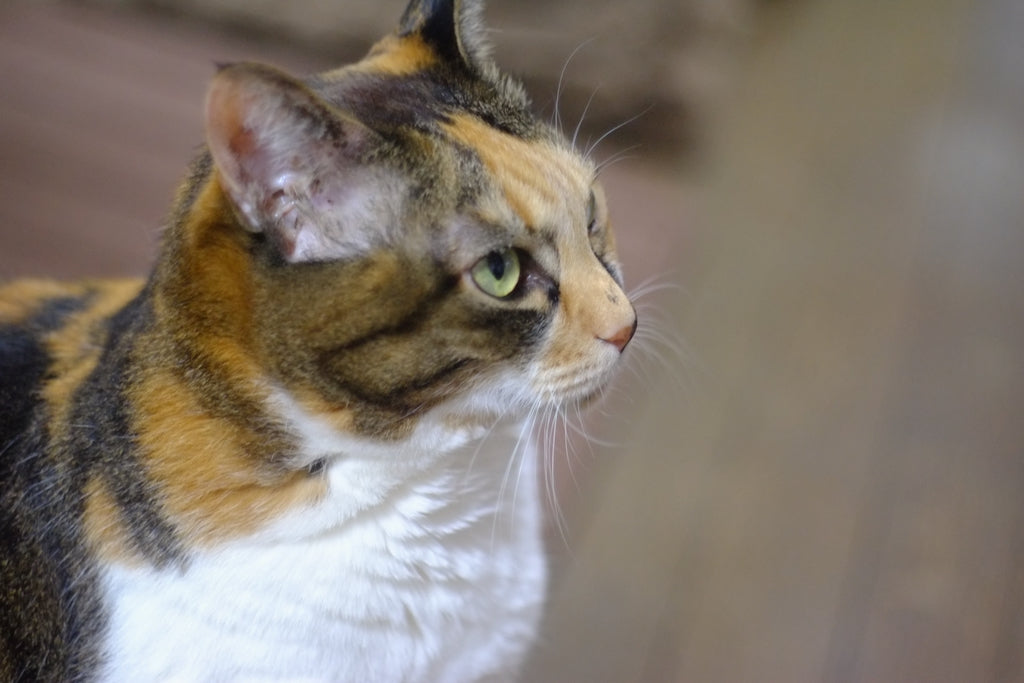
Even strictly indoor cats who have never been outside can escape.
Some owners might even worry, "Maybe they didn't like being doted on so much..." But that's absolutely not the case. There are much more complex reasons behind a cat's escape.
- Accidental escape
- Driven by curiosity
- Heat cycle
- Escape due to environmental changes
- Unforeseen circumstances
There are five main reasons why cats escape. Knowing these reasons can help you take preventive measures, so let's look at them in detail.
Reason 1 for cat escape: Accidental escape
Most cat escapes occur via windows, front doors, or balconies. The window was open, the front door was open, and they just decided to go outside... It's very common for cats to slip out in a brief moment of opportunity without their owner noticing.
Reason 2 for cat escape: Driven by curiosity
The reason cats want to go outside is that they are looking for stimulation not found inside the house. For example, they might escape out of curiosity, wanting to "chase birds or insects outside the window," "be interested in stray cats," or "patrol their territory outside the window."
Cats with strong curiosity, or former stray cats who have lived outdoors, should be watched carefully. They have a strong interest in the outside world and may repeatedly escape.
Reason 3 for cat escape: Heat cycle
Unspayed or unneutered cats have a "heat cycle" two to three times a year, from spring to autumn. Besides becoming restless and meowing differently than usual, they may also run outside seeking a mate.
Reason 4 for cat escape: Escape due to environmental changes
Cats dislike going outside their territory. They may escape because of a change in territory due to moving, or because their territory was threatened by an increase in cohabiting cats. Also, some cats dislike car rides or walks, so it's dangerous to take them outside without measures like a harness.
Reason 5 for cat escape: Unforeseen circumstances
In addition to reasons like the owner's carelessness or the cat wanting to go outside, escapes can also occur due to other factors.
These are "unforeseen circumstances" such as disasters. For example, a window or wall breaking in an earthquake, being startled by an emergency siren, or even jumping out due to a damaged carrier bag.
While these escapes may be unavoidable, wearing a cat collar and ID tag increases the chances of reunion, so daily preparation is important.
How to prevent cat escape?
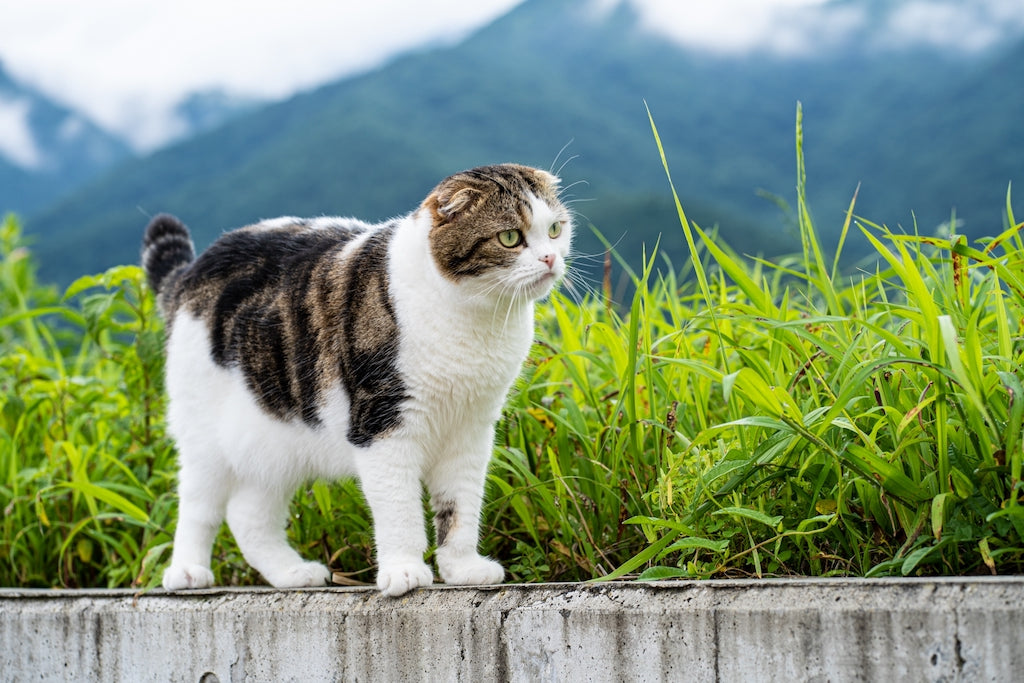
Knowing the reasons and causes of cat escapes allows for effective prevention.
First and foremost, it's important to prevent escapes from entrances, windows, and balconies. Keep doors and windows closed, and install escape prevention gates to block escape routes. Cats are also adept at opening screen doors, so using screen door stoppers is effective.
Furthermore, it's necessary to create ways for them to relieve stress indoors. Rather than just providing a large open space, arrange cat trees, cat shelves, or furniture like bookshelves to allow for vertical movement. If you have multiple cats, create a quiet place where each can rest alone.
Also, if you do not plan to breed, spaying or neutering is recommended. This eliminates escapes due to heat and can also improve wandering tendencies in male cats. Consider spaying or neutering once your cat reaches 6 months of age.
Additionally, to prepare for unforeseen circumstances, it's reassuring to have a microchip implanted and to have your cat wear a cat collar and ID tag routinely. Getting them used to carrier bags and harnesses can also reduce the risk of escape when going out.
|
【Related articles】 |
Summary
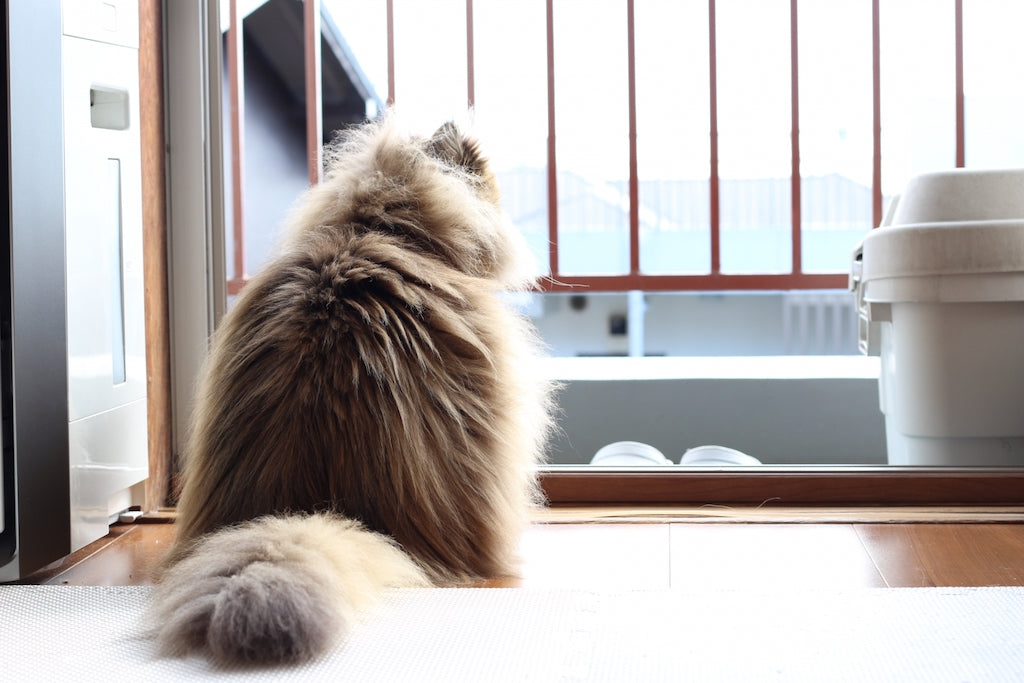
The reasons cats escape are not necessarily due to dissatisfaction with living with their owners.
Sometimes, it's an accidental escape from a window or front door that happened to be open, or they might escape out of strong curiosity, having spotted prey like birds or insects outside the window, or being interested in neighborhood stray cats.
They might also escape due to being in heat and seeking a mate, longing for outdoor life if they were formerly stray or rescued cats, or having poor compatibility with other cats in the household.
In particular, unneutered male cats, cats that have lived outdoors, and cats with curious personalities are prone to escaping. Take thorough escape prevention measures and enjoy life with your cat.

![[Vet-supervised] Cat hates wearing a collar? Reasons why and how to get them used to it](http://www.poponeko.jp/cdn/shop/articles/a0fdc9ee82de7f01afb932f1e1e60236_da240718-be68-4e99-8a8c-64449f63d83e.jpg?height=400&v=1780975808)

![[Preservation Edition] Cat Evacuation and Disaster Preparedness Guide | How to Evacuate Together and a Checklist of Items You Need Now](http://www.poponeko.jp/cdn/shop/articles/shutterstock_2416909603_396ccf81-25ff-4b28-a40f-9b7ce9ae8797.jpg?height=400&v=1785383138)
![[Set] Leaf Ribbon "Fleurage" Pink & Scrunchie Cat Collar "Belgian Linen" Pink Beige](http://www.poponeko.jp/cdn/shop/files/2608_00133.jpg?v=1789197487&width=600 "[Set] Leaf Ribbon \"Fleurage\" Pink & Scrunchie Cat Collar \"Belgian Linen\" Pink Beige")
![[Set] Leaf Ribbon & Scrunchie Cat Collar - Vidro Akane](http://www.poponeko.jp/cdn/shop/files/2608_00413.jpg?v=1789826564&width=600 "[Set] Leaf Ribbon & Scrunchie Cat Collar - Vidro Akane")

![[Set] Leaf Ribbon & Cat Collar - Gingham Check Yellow](http://www.poponeko.jp/cdn/shop/files/DSC00108_0dcb125b-7ca2-4c51-a9c7-a1544ae1f9c9.jpg?v=1780663891&width=600 "[Set] Leaf Ribbon & Cat Collar - Gingham Check Yellow")
![[Set Product] Leaf Ribbon & Cat Collar - Gingham Check Green](http://www.poponeko.jp/cdn/shop/files/DSC00113_9928b03b-5bce-4bf5-b54f-3a4ef263fb16.jpg?v=1780663891&width=600 "[Set Product] Leaf Ribbon & Cat Collar - Gingham Check Green")

Leave a comment