

My cat has escaped! I can see them, but I just can't catch them...
In reality, it's very rare to be able to catch an escaped cat with bare hands. Most of the time, they just run away when you try to catch them. But you still want them to come home somehow.
That's where a "cat trap" comes in handy.
To be prepared for an emergency, we'll explain in detail how to use and set up a cat trap.
What is a cat trap?
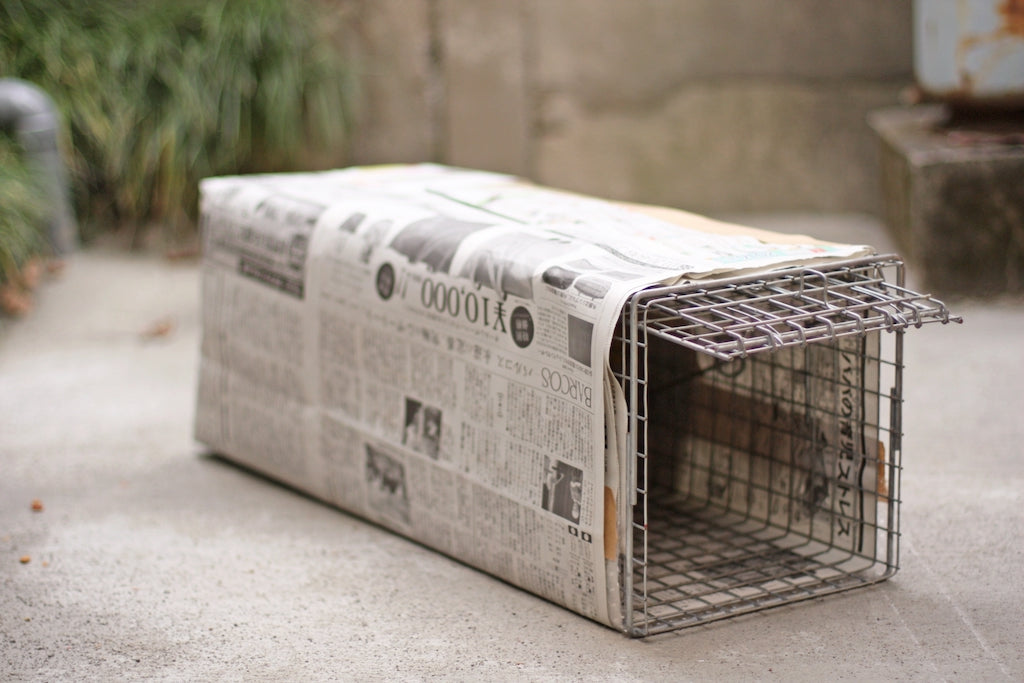
A cat trap is a device used to safely protect cats without harming them. It's not a "snare."
If you know where your cat is but can't catch them, one method is to use a cat trap to protect them.
While it would be ideal to simply pick up and protect an escaped cat, it rarely goes so smoothly. An escaped cat might be panicking, or they might run off chasing something.
For indoor cats, the outside world is full of dangers. There's a risk of injury, illness, hunger, and thirst, which can be life-threatening. A "cat trap" can be useful for protecting your cat as quickly as possible.
How to obtain a cat trap
Cat traps are commercially available and can be purchased online.
However, using a trap requires skill, and you need to plan and set it up considering the cat's habits and feelings. It's dangerous for an inexperienced person to set one up suddenly.
Some local animal welfare organizations or veterinary clinics may lend out traps. It's safer to receive instructions on how to use them from someone experienced in handling traps, such as volunteers involved in rescue cat activities or veterinarians.
How to choose a trap
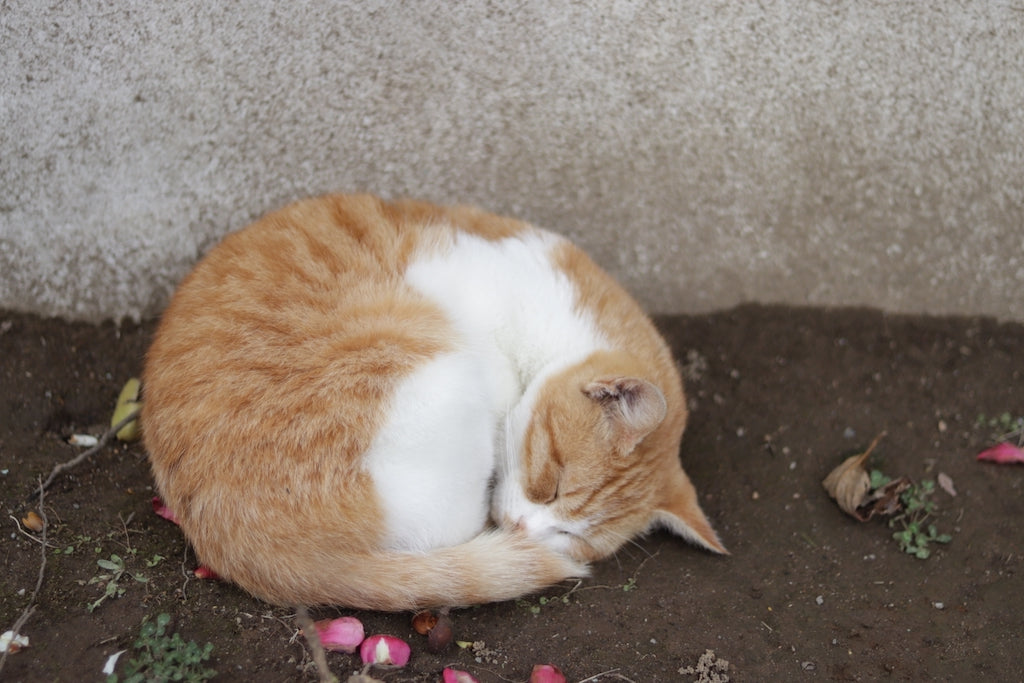
Cat traps come in two types: "treadle-activated" and "hanging-bait". Both types work by luring the cat inside with bait, after which the door automatically closes to trap them.
Each has its advantages and disadvantages, so choose the type that best suits the situation of your escaped cat.
Treadle-activated traps
This type of trap closes the door when the cat steps on a "treadle" inside the trap. Bait is placed at the back of the trap to lure the cat in. However, the door might not close for very light cats, such as kittens.
Some clever cats might avoid the treadle and only eat the bait. If the bait is gone but the trap hasn't sprung, try switching to a "hanging-bait" trap.
Hanging-bait traps
In this type, bait is hung from a hook at the back of the trap, and the door closes when the cat moves the hook. Hanging-bait traps are generally considered to have a higher success rate than treadle-activated traps.
Be careful, as a cat might injure itself on the hook if it struggles inside the trap. You'll need to prepare thoroughly beforehand so you can get the cat out of the trap as quickly as possible.
How to protect an escaped cat with a trap
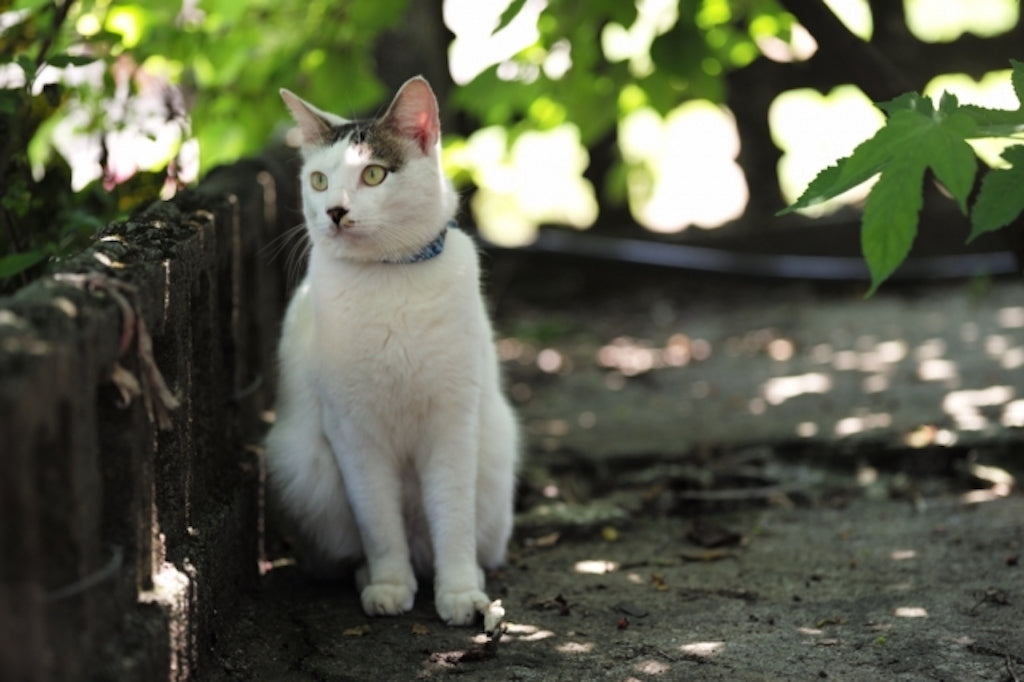
There are a few precautions to take when setting up a cat trap. Since safety is involved, make sure to check these points.
Steps from trap setup to protection
1. Locate the cat
First, locate the escaped cat. Try to feed the cat at the same time every day in the area where it appears.
2. Set up the trap
Set up the trap on as flat a surface as possible. Cover parts of the trap other than the door with a blanket or newspaper that smells like your cat, so your cat feels safe entering.
3. Set the bait
Strong-smelling baits like wet cat food or fried chicken tend to be more successful than regular dry food. Place a small amount of bait outside the trap, then gradually lead a trail of bait further into the trap.
4. Monitor from nearby
Monitor from nearby to ensure there's no danger. Avoid making loud noises or staring, as this can make the cat wary. Maintain your composure.
5. Protection
Once the cat is in the trap, cover the door area with a cloth or newspaper. Don't leave the cat in the trap for a long time. Transport it to a safe place and release it.
Precautions when using a trap
Traps can generally only be set on private property. You cannot set them in parks or on other people's land without permission, so always get permission from the landowner.
Also, other cats besides your own may enter the trap. Children or passersby could also be injured if they touch it, so do not leave the trap unattended and monitor it from nearby.
To use a trap, it's crucial to pinpoint the cat's location. It's a good idea to talk to neighbors and put up lost cat posters to gather sighting information. You might also get valuable information from volunteers who feed community cats.
Once your cat is safely home

Once you've safely protected your escaped cat, wrap them in their familiar blanket to help them feel at ease.
If they seem calm, have them examined by a veterinarian. They may have been exposed to fleas, ticks, or infectious diseases during their time outside. There's also a possibility of injury, so prioritize a health check.
After that, give your cat some space to relax. Do not scold them or over-interact with them.
Ideally, you wouldn't want to use the trap again... If you know the cause of your cat's escape, it's important to take immediate measures to prevent it from happening again.
Summary

If your beloved cat escapes, first stay calm. It's important to gently call your cat's name, search thoroughly around your home, and gather sightings using lost pet posters and social media.
When searching for an escaped cat, a cat collar and ID tag can be helpful clues. They also show that the cat is a "pet," preventing it from being adopted by someone else or euthanized as a stray. We recommend that your cat wears a "cat collar" and "ID tag" as a preventive measure against escapes.
Once you know your cat's location, it's time to use a trap. However, using a trap is difficult and requires knowledge and skill.
For a quick resolution, we recommend relying on a pet detective. These professionals are experts at finding escaped cats, considering their habits, weather, and region. They are also proficient in using traps, which can reduce the burden on both the cat and the owner.
|
【Related Articles】 |
You can watch a video of Mr. Fujiwara, a leading pet detective and representative of Pet Rescue, rescuing a lost cat. The moment an escaped cat is rescued is truly moving.
A "trap" can safely protect your escaped cat. Using a trap requires the cooperation of as many people as possible. To be prepared for emergencies, be sure to research local animal welfare organizations and pet detectives.
Author Profile




![[Vet-supervised] Cat hates wearing a collar? Reasons why and how to get them used to it](http://www.poponeko.jp/cdn/shop/articles/a0fdc9ee82de7f01afb932f1e1e60236_da240718-be68-4e99-8a8c-64449f63d83e.jpg?height=400&v=1780975808)


![[Set] Leaf Ribbon & Cat Collar - Hannari Sakura Blue](http://www.poponeko.jp/cdn/shop/files/2608_00126.jpg?v=1789197917&width=600 "[Set] Leaf Ribbon & Cat Collar - Hannari Sakura Blue")
![[Set] Leaf Ribbon & Cat Collar TARTAN CHECK DRESS RED](http://www.poponeko.jp/cdn/shop/files/2606_00016.jpg?v=1785759845&width=600 "[Set] Leaf Ribbon & Cat Collar TARTAN CHECK DRESS RED")
![[Set] Leaf Ribbon & Cat Collar Gingham Check Blue](http://www.poponeko.jp/cdn/shop/files/DSC00106_035b8e99-fd67-47ef-9132-ff2da1afbc67.jpg?v=1780663891&width=600 "[Set] Leaf Ribbon & Cat Collar Gingham Check Blue")
![[Set Product] Leaf Ribbon & Cat Collar - Champ de Fleurs Mustard](http://www.poponeko.jp/cdn/shop/files/DSC00104_6c37e71d-120f-40d9-a773-9a5b7e885760.jpg?v=1780663183&width=600 "[Set Product] Leaf Ribbon & Cat Collar - Champ de Fleurs Mustard")
![[Set] Leaf Ribbon Fleurage Purple & Cat Collar Belgian Linen Turquoise](http://www.poponeko.jp/cdn/shop/files/2608_00123.jpg?v=1789197487&width=600 "[Set] Leaf Ribbon Fleurage Purple & Cat Collar Belgian Linen Turquoise")


Leave a comment