

When the cold winter arrives, it's time to bring out heating appliances like stoves and heaters. Cats are experts at finding the coziest spot in a room. It's so cute to see them curled up, sleeping snugly.
While there's a perception that cats are sensitive to cold, do fluffy cats really need heating appliances?
This time, we've put together information about winter living with cats, including whether heating is necessary, appropriate temperature settings for heating appliances, safety measures, and precautions to take when you're away.
Do Cats Need Heating Appliances?
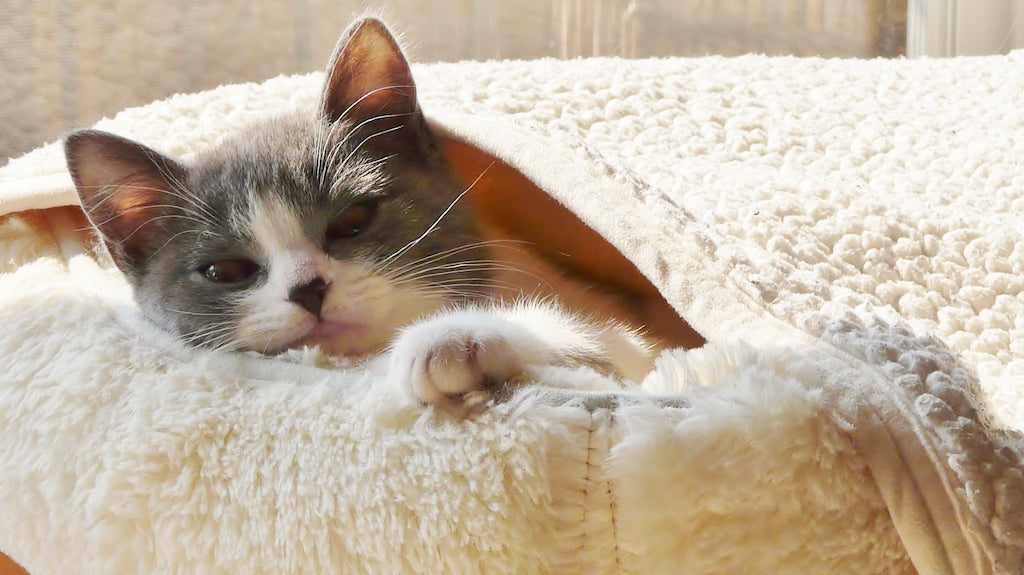
People say cats are sensitive to cold, but is that really true?
Cats' ancestors lived in the desert regions of North Africa, so they are strong against heat but weak against cold. However, modern cats have adapted to their environments, so not all cats are sensitive to cold.
Unless the environment is extreme, cats can find comfortable spots on their own without heating appliances. However, individual differences in cold tolerance are very significant. Even long-haired cats can be sensitive to cold.
As cold can cause health issues, heating is not unnecessary for cats. Be sure to take proper cold measures by using heating appropriately.
What is the appropriate room temperature setting?
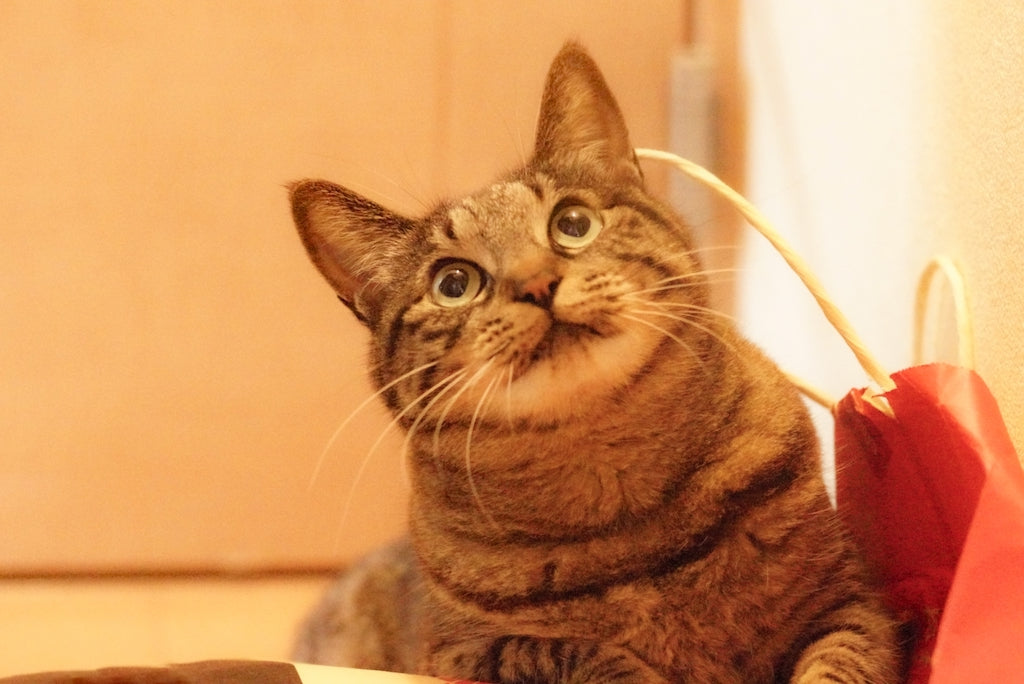
At what temperature do cats start to feel cold?
While this also varies greatly by individual, observing your cat's behavior can provide a clear answer. If your cat is curled up, fluffing up their fur, or burrowing under a blanket, these are signs that they feel cold.
A cat's normal body temperature is approximately 38-39 degrees Celsius. This is slightly higher than humans, so a temperature slightly lower than what we find comfortable seems to be ideal for them.
A winter room temperature of around 18-23 degrees Celsius is considered appropriate. Try setting your heating appliance to about 20 degrees Celsius and adjust it while observing your cat's behavior.
How to use heating appliances for your cat's comfort
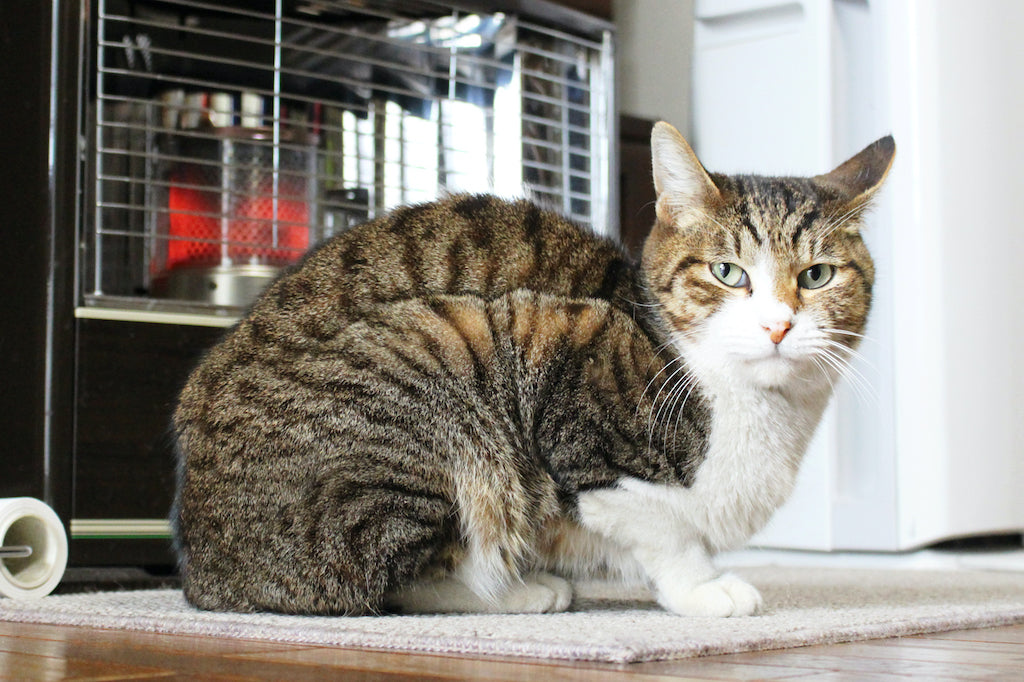
Heating appliances are essential for cats to stay healthy during the cold winter. Here's how to use heating appliances to ensure your cat lives comfortably.
Air conditioner
Air conditioners are safe heating appliances to use because they don't require gas or kerosene. Setting the heating mode to around 20-22 degrees Celsius can maintain a comfortable room temperature for your cat.
If you, the owner, feel cold, you'll need to increase the heating temperature. In such cases, it's a good idea to create a path to another room or a window so your cat can move to a cooler spot if they wish.
Stoves and fan heaters
You can set oil stoves and fan heaters to a temperature that you, the owner, find comfortable. Cats can self-regulate by moving closer if they feel cold and moving away if they feel hot.
To prevent your cat from getting burns by getting too close to the stove or fan heater, use them with safety measures in place, such as surrounding them with a playpen.
Heated carpets and floor heating
Many cats enjoy heated carpets and floor heating because their bellies have less fur, allowing for gentle warmth. Make sure your cat can move freely; for example, by placing a blanket or bed for them to burrow into when it's cold, or by creating a cool spot for them when it's hot.
However, be wary of low-temperature burns. Avoid prolonged use by, for instance, using a timer function to ensure the power turns off.
Kotatsu
A kotatsu is a symbol of winter for cats, but there is a risk of suffocation or dehydration if they burrow inside. It is essential to take thorough safety measures, such as setting a low temperature and securing an exit by lifting the kotatsu futon.
Pet-specific heating appliances
Pet-specific "small heaters" and "cat kotatsu" are also recommended. They often have safety features to prevent cats from chewing on cords and getting electric shocks, and some include temperature control functions to prevent overheating, making them safe to use even when the owner is away.

Precautions when using heating
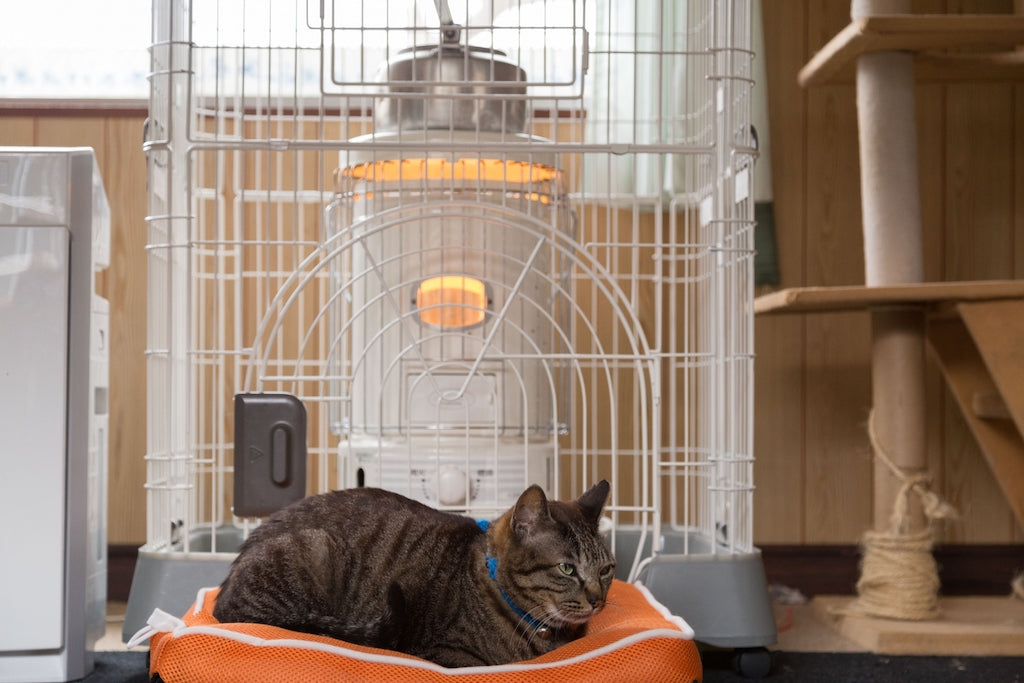
When using heating appliances for your cat, there are some important considerations. We've compiled a list of points to ensure the safety of both your cat and yourself.
Beware of fires
When using heating appliances such as stoves or fan heaters, fire safety is paramount. Refrain from using them when you're away from home and unplug them.
When your cat is home alone, it's best to use heating from an air conditioner or oil heater.
Burn and electric shock prevention
When using heating appliances, it is essential to implement thorough safety measures to prevent electric shocks from cats chewing on power cords or burns.
Cover cords with protectors and enclose stoves or fan heaters with a pen to prevent your cat from getting too close, ensuring comprehensive safety.
Beware of dryness and dehydration
Using heating appliances can dry out a room. This can lead to skin problems like itching, so use a humidifier to prevent humidity levels from dropping too low.
Also, many cats drink less water in winter. To prevent dehydration, try making drinking water lukewarm, moving water bowls to warmer rooms, or giving wet food or treats.
Summary

For cats sensitive to cold to comfortably get through winter, heating appliances are absolutely necessary. However, using heating appliances also comes with risks of fire, burns, and electric shocks.
When using heating appliances, safety measures are essential. When you're away, use heating appliances like air conditioners or oil heaters, which pose less risk of fire or burns.
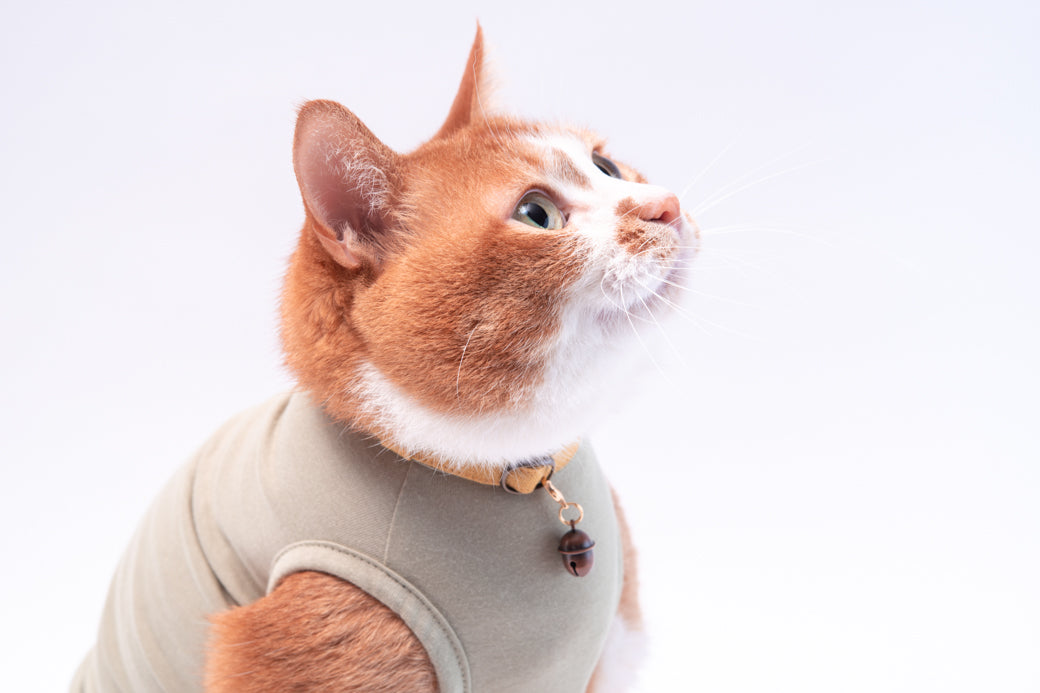
For cats sensitive to cold or kittens and older cats who have difficulty regulating their body temperature, if you're concerned about heat shock or getting cold while sleeping, dressing them in "cat clothes" is also recommended.
The temperature that a cat finds comfortable varies greatly by individual. Please observe your cat's behavior and create a comfortable living space for them.
|
【Related Products】 |
| 【Related Articles】 |
Author Profile


![[Vet-supervised] Cat hates wearing a collar? Reasons why and how to get them used to it](http://www.poponeko.jp/cdn/shop/articles/a0fdc9ee82de7f01afb932f1e1e60236_da240718-be68-4e99-8a8c-64449f63d83e.jpg?height=400&v=1780975808)

![[Set] Leaf Ribbon "Fleurage" Pink & Scrunchie Cat Collar "Belgian Linen" Pink Beige](http://www.poponeko.jp/cdn/shop/files/2608_00133.jpg?v=1789197487&width=600 "[Set] Leaf Ribbon \"Fleurage\" Pink & Scrunchie Cat Collar \"Belgian Linen\" Pink Beige")
![[Set] Leaf Ribbon & Cat Collar - Tartan Check Trench Beige](http://www.poponeko.jp/cdn/shop/files/2606_00015.jpg?v=1785759845&width=600 "[Set] Leaf Ribbon & Cat Collar - Tartan Check Trench Beige")
![[Set] Leaf Ribbon & Cat Collar - Hannari Sakura Pink](http://www.poponeko.jp/cdn/shop/files/2608_00125.jpg?v=1789197917&width=600 "[Set] Leaf Ribbon & Cat Collar - Hannari Sakura Pink")
![[Set] Leaf Ribbon & Scrunchie Cat Collar - Hannari Cherry Blossom Blue](http://www.poponeko.jp/cdn/shop/files/2608_00139.jpg?v=1789197917&width=600 "[Set] Leaf Ribbon & Scrunchie Cat Collar - Hannari Cherry Blossom Blue")
![[Set Product] Leaf Ribbon & Cat Collar - Gingham Check Green](http://www.poponeko.jp/cdn/shop/files/DSC00113_9928b03b-5bce-4bf5-b54f-3a4ef263fb16.jpg?v=1780663891&width=600 "[Set Product] Leaf Ribbon & Cat Collar - Gingham Check Green")
![[Set] Leaf Ribbon Fleurage Blue & Cat Collar Belgian Linen Mustard](http://www.poponeko.jp/cdn/shop/files/2608_00121.jpg?v=1789197487&width=600 "[Set] Leaf Ribbon Fleurage Blue & Cat Collar Belgian Linen Mustard")
Leave a comment