

Your usually quiet cat starts meowing loudly in the middle of the night. They seem irritable and restless. They’re urinating outside the litter box...
These troubling behaviors might be signs that your cat has entered "heat" (estrus).
For owners whose cats are about to enter their first heat, or those struggling with a cat's problematic heat-related behaviors, we have put together the basics of the feline estrus cycle.
There is a lot you should know about your cat's heat, such as the age at which it starts, the time of year, and the specific symptoms and behaviors associated with it.
We will also explain what you as an owner should be mindful of.
What is a cat's heat?
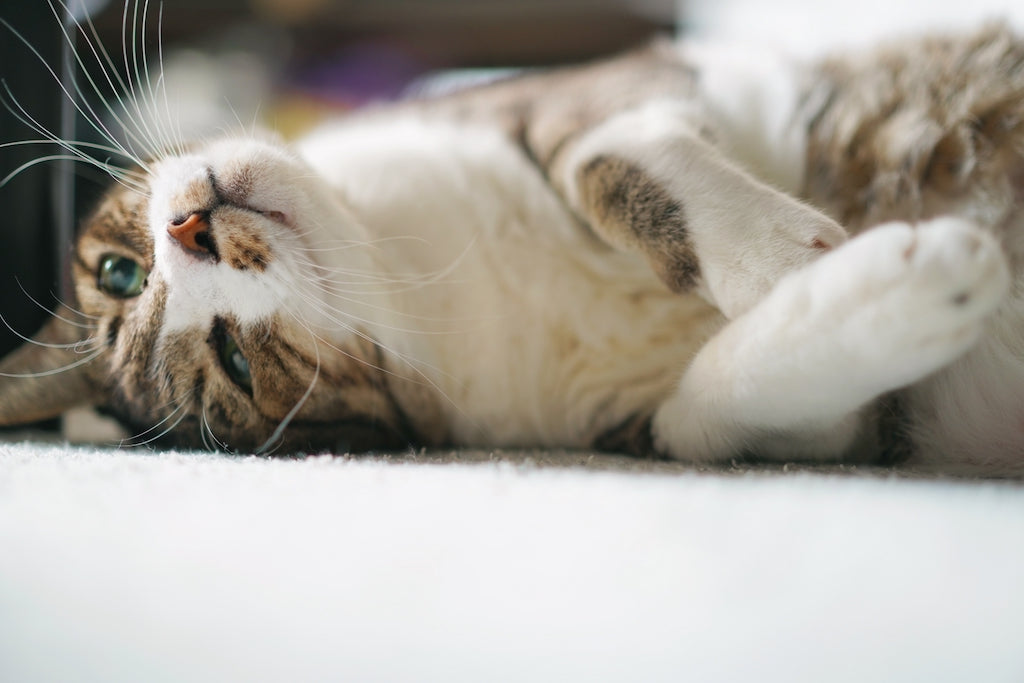
A cat's "heat" (estrus) is a period driven by the instinct to procreate, during which they engage in mating behaviors.
When they suddenly start crying with a loud, unfamiliar voice or spraying urine everywhere, you might worry that they are ill, but this is normal behavior for a mature cat, so there is no need to worry.
A cat's heat cycle begins with the female. The mechanism is such that once conditions are met, the female enters heat, and her pheromones and vocalizations induce heat in male cats.
When do cats go into heat?

Many mammals have a set breeding season during the year when they enter heat. Cats are no exception.
Let's learn about the age at which a cat first goes into heat and when they typically go into heat.
The age when a cat's heat begins
It is said that female cats reach their first heat at around 6 to 8 months of age. There is significant individual variation; some may start as early as 4 months, while others may not reach heat until they are 2 years old.
The first heat for male cats is said to be around 9 to 12 months of age, though they may start showing mating-like behaviors, such as mounting or hip-thrusting, as early as 3 months old.
If you do not have your cat spayed or neutered, they will continue to go into heat for the rest of their lives.
When do cats go into heat?
Cats are "seasonally polyestrous", meaning they have specific seasons for entering heat. This seems to be an instinctual strategy to give birth during times when it is warm and safe to raise kittens.
A female cat's heat is thought to be influenced by daylight hours, with heat cycles occurring in the spring (February to April) and summer (June to August), when daylight exceeds 14 hours per day. While they generally go into heat twice a year, in warmer regions, they may go into heat three times a year.
Duration of a cat's heat
The estrus cycle for a female cat lasts about 14 to 21 days. If they do not mate during this period, the next heat cycle will begin in 2 to 3 weeks.
Female cat heat and mating behavior
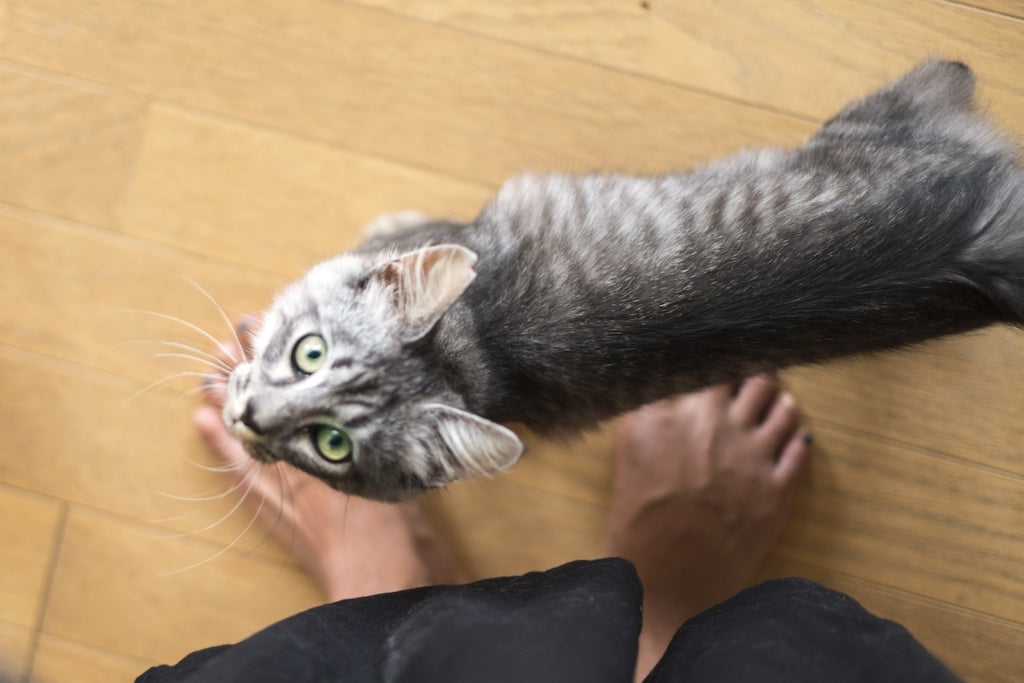
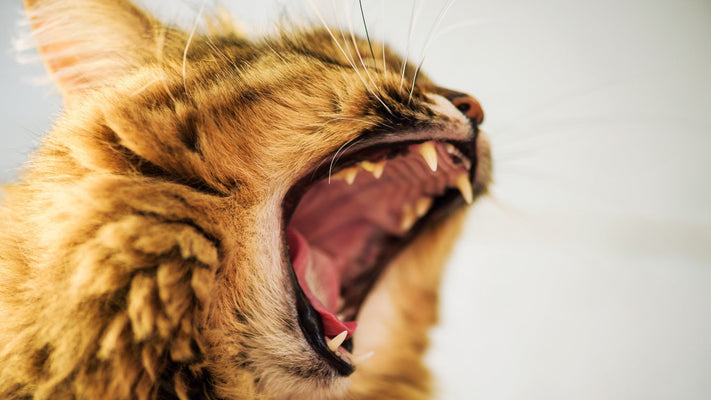
The howls characteristic of a cat in heat sound like "meow," "ow-ow," or "yowl."
These are the calls a female cat makes to let males know her location. And in response to that "love call," the male cats will also meow loudly...
Many of you have likely been woken up by a cat's howling at dawn, right? In fact, there are other "signs of heat" besides this noisy crying.
Do cats have a menstrual cycle?
When one thinks of signs of heat, one might think of menstruation, but female cats do not have a menstrual cycle.
This is because they are "induced ovulators," meaning they ovulate due to the stimulus of mating, rather than having a periodic ovulation cycle like humans or dogs. Because there is no bleeding like a period, it can be difficult to notice that they have entered heat.
Signs of heat in female cats
Female cats will signal their heat to males and show that they are ready to accept mating.
・Loss of appetite
They may become more active during proestrus, but their appetite may decrease.
・Becoming persistently affectionate
They will rub their bodies against their owners to deposit their scent and pheromones.
・Rubbing their face and body on various things
To assert their presence, they will try to leave their scent everywhere.
・Loud vocalization
They use howling-like, noisy cries to tell male cats where they are.
・Raising their hindquarters high (lordosis)
This is preparation to accept a male cat. They may also lift their rear, sway their hips, or tread with their hind feet.
・Urine spraying
They will urinate outside the litter box to attract male cats.
Signs of heat in male cats
To beat rivals, male cats will engage in behavior to assert their presence or become aggressive.
・Becoming aggressive
They are easily excited during heat and may even bite their owners. Fights between cats also increase.
・Loud vocalization
In response to the female's cries, males will also howl loudly.
・Urine spraying
They will mark spots outside the litter box to assert their territory.
・Desire to go outside
Even if kept strictly indoors, they will impulsively try to escape in response to the sound or scent of a female cat.
Managing your cat during heat
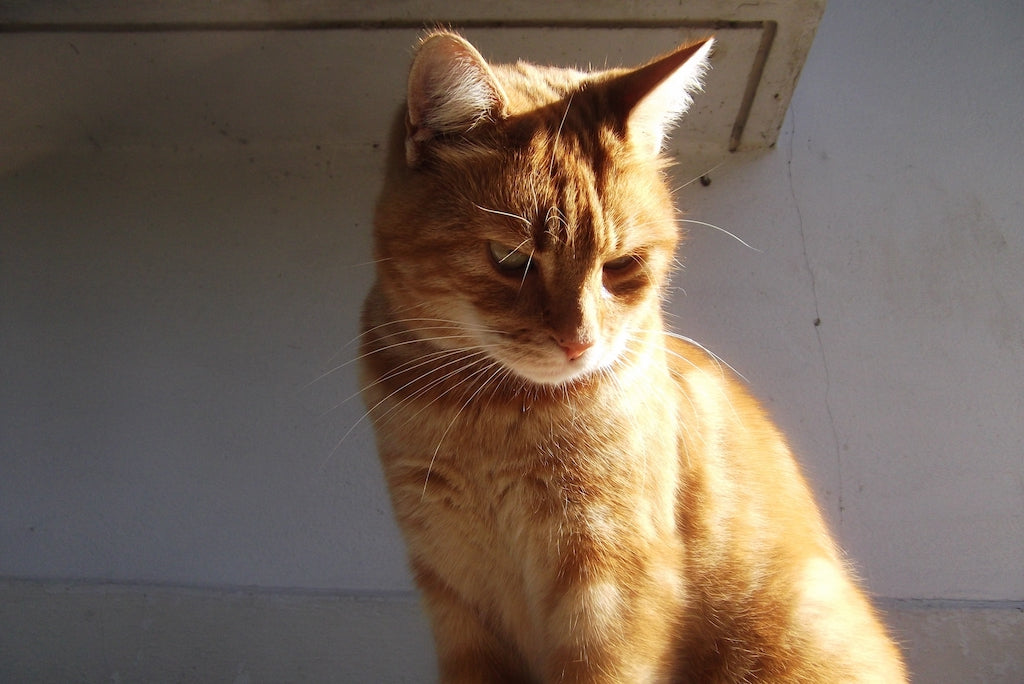
Cats are very emotionally unstable while in heat. This is a time when problem behaviors are likely to occur, and the noise and odor can become a nuisance to neighbors.
If you do not plan to breed your cat, we recommend spaying or neutering them before their first heat cycle.
While spaying or neutering may not eliminate all heat-related behavioral problems, it is highly beneficial as it also helps prevent hormone-related diseases.
Heat management is necessary even for strictly indoor cats
Even for cats kept strictly indoors, if there is a cat in heat outside, your cat may react to the noise and smell by crying loudly or engaging in spraying behavior.
Things you can do immediately include "blocking their view of the outdoors," "relieving stress through play," and "increasing the number of scratching posts."
During the heat period, cats are easily excited and feel stressed, so try to adjust their living environment to help them blow off steam effectively.
Summary
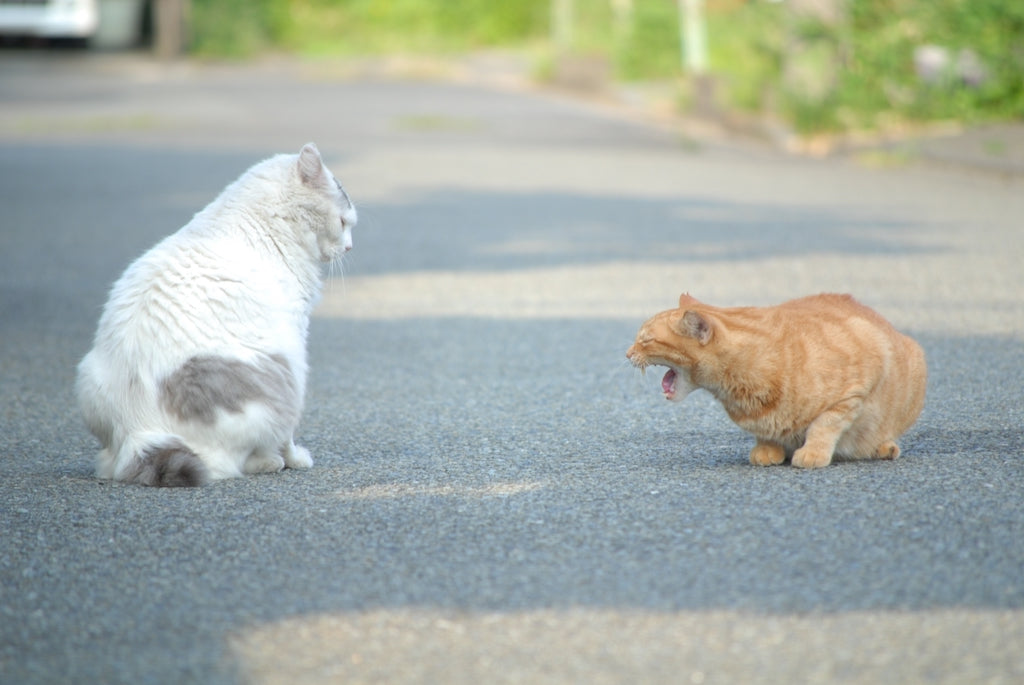
A cat's heat occurs twice a year, in spring (February–April) and summer (June–August). It begins with the female cat.
Male cats are induced into heat by the female's loud, howling cries and by her scattering pheromones through urine spraying and marking.
Because heat is driven by reproductive instincts, it is a very natural occurrence. However, if problematic behaviors—such as increased aggression or the risk of running away—become prominent, you should consider spaying or neutering.
To ensure that both you and your cat can live together without stress, please learn the facts about the estrus cycle and take appropriate measures.
Author Profile











Leave a comment