

During the hot season, we worry about "heatstroke" in our cats.
Even strictly indoor cats are at risk of heatstroke, so it is important to take preventive measures before the weather gets truly hot, as it can be life-threatening.
This article explains how to identify symptoms of heatstroke in cats, how to perform emergency first aid, and how to prevent it.
Symptoms of Heatstroke in Cats
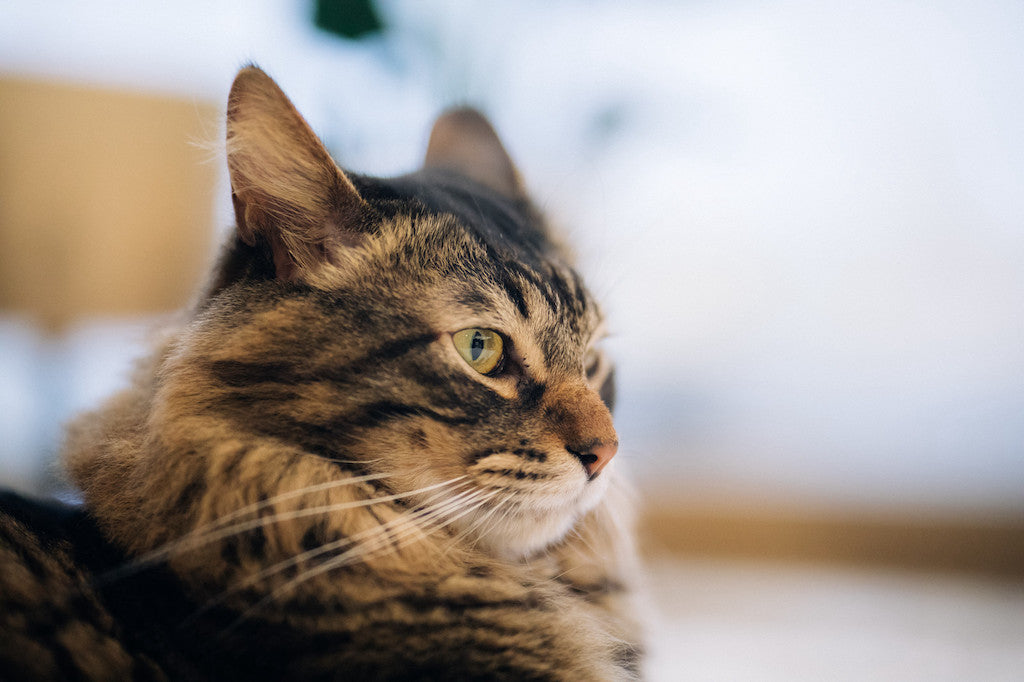
"Heatstroke" refers to a condition in which the body's temperature regulation function fails in a hot and humid environment.
Humans regulate body temperature by sweating, but if a cat's body cannot effectively dissipate heat for a prolonged period, it can lead to heatstroke.
Heatstroke is also a scary condition for cats. It is important to understand the symptoms and mechanisms of heatstroke in cats.
What is Heatstroke in Cats?
Because cats do not sweat, they must use different methods than humans to lower their body temperature.
For example, grooming. They lick their bodies to lower their temperature by using the heat of vaporization as their saliva evaporates.
Cats are naturally very good at regulating their body temperature, such as by pressing their bodies against cool aluminum plates or sinks, or by lying on their backs with their bellies up to increase the exposed surface area of their bodies.
Even so, if they are unable to effectively lower an excessively high body temperature due to a hot and humid environment or lack of proper hydration, they can develop "heatstroke."
Signs of Heatstroke
A cat's normal body temperature is approximately 38–39°C (100.4–102.2°F), so if the rectal temperature exceeds 39°C, there is a risk of heatstroke. Be extra careful if their paw pads and ears feel hot.
Early symptoms of heatstroke include lethargy and loss of appetite. If you ignore these mild symptoms, the condition can rapidly worsen.
It may lead to loss of consciousness, convulsions, or, in the worst-case scenario, organ failure and death due to shock.
If you observe the following symptoms, please take your cat to a veterinary clinic immediately.
【Symptoms of Heatstroke】
- Lethargy
- Loss of appetite
- Unsteady walking (staggering)
- Panting (mouth breathing)
- Excessive drooling
- Congested (red) mucous membranes in the eyes or mouth
- Increased heart rate
- Vomiting
- Diarrhea
First Aid for a Cat with Heatstroke
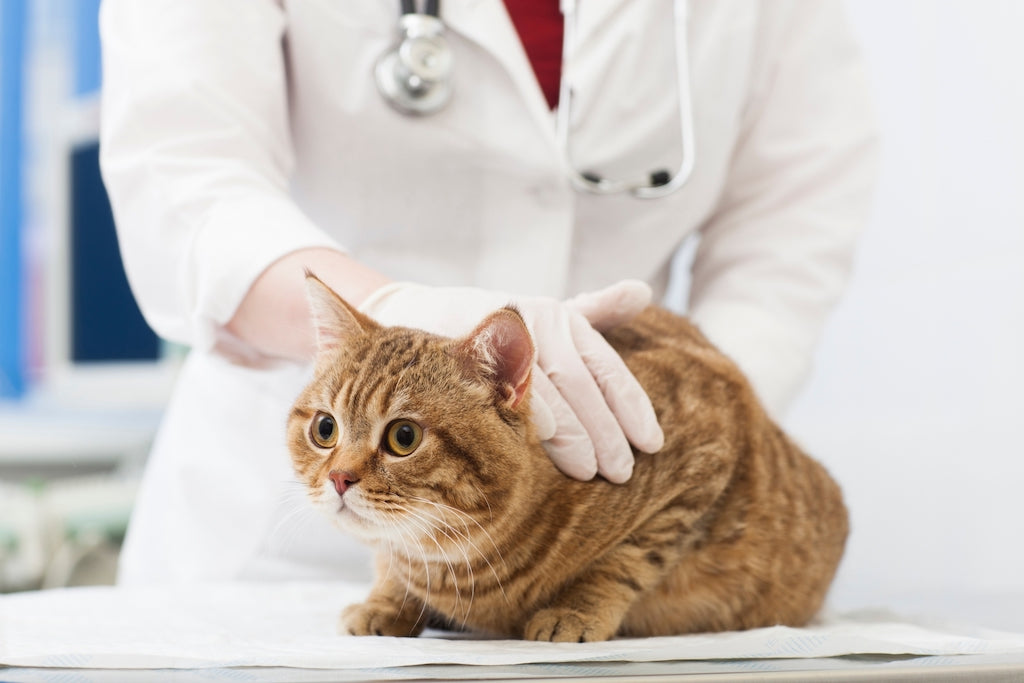
If you suspect your cat has heatstroke, the most important thing is to lower their body temperature. Move your cat to a cool place and provide first aid while consulting a veterinarian by phone.
Even if it seems like a mild case, internal organs may have already sustained damage. Always visit a veterinary clinic, even if symptoms seem to subside after first aid.
Also, symptoms such as "unconsciousness" or "convulsions" indicate a severe case. Seek veterinary care immediately.
First, cool your cat's body
Place ice packs wrapped in towels or cloths under the armpits or between the inner thighs. You can also wrap the cat's whole body in a damp towel.
Encourage them to drink water if possible
If you pull up the skin on their back and it doesn't snap back immediately, dehydration is suspected. If the cat seems able to drink, let them drink in small amounts. If they cannot drink on their own, moisten their tongue with a cloth soaked in water, being careful not to let them choke.
Heatstroke Prevention for Cats
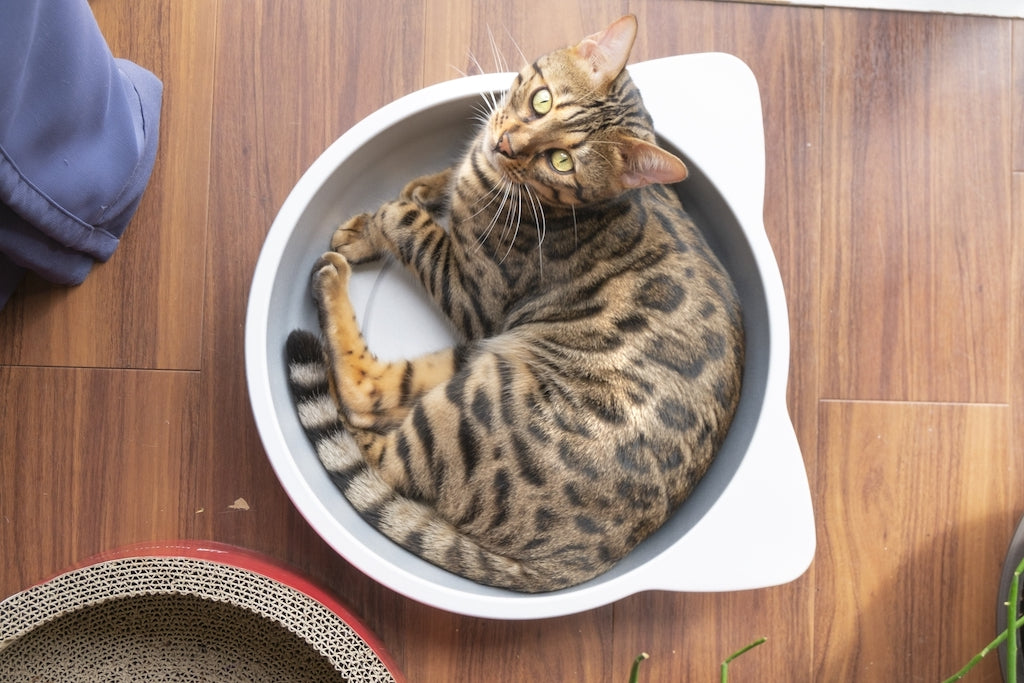
"Room temperatures over 30°C," "humidity over 60%," and "poor ventilation" are environments where heatstroke easily occurs. Heatstroke can even occur during the rainy season in May and June.
Keep these points in mind to prevent heatstroke in your cat.
Maintain proper temperature and humidity with air conditioning
Cats feel comfortable at temperatures between 27 and 30°C. Set the air conditioner to cooling mode and run it on automatic to ensure the room temperature does not exceed 28°C. Use the dehumidification setting if the room temperature isn't very high but the humidity is.
Leave a door slightly ajar or create an area where the air conditioner's airflow doesn't reach, so your cat can move freely if they feel too cold.
|
【Related Articles】 |
Use heatstroke prevention products
Place cooling items such as aluminum plates or cooling mats in your cat's favorite spots. If you drain the water from the bathtub, your cat can also go to the bathroom to cool off.
These are recommended for cats that dislike air conditioning, and they also serve as a backup if the power goes out. It's reassuring to have these prepared in advance.
|
【Related Articles】 |
Brush your cat regularly
Brushing to remove excess fur is also an effective heatstroke prevention measure. Long-haired cats are at a particularly high risk for heatstroke, so be sure to brush them frequently.
Provide plenty of water
When the room temperature is high, cats may not move much from their favorite cozy spot. Make sure to provide multiple water stations so they can stay hydrated easily.
Measures if Your Cat Won't Drink Water
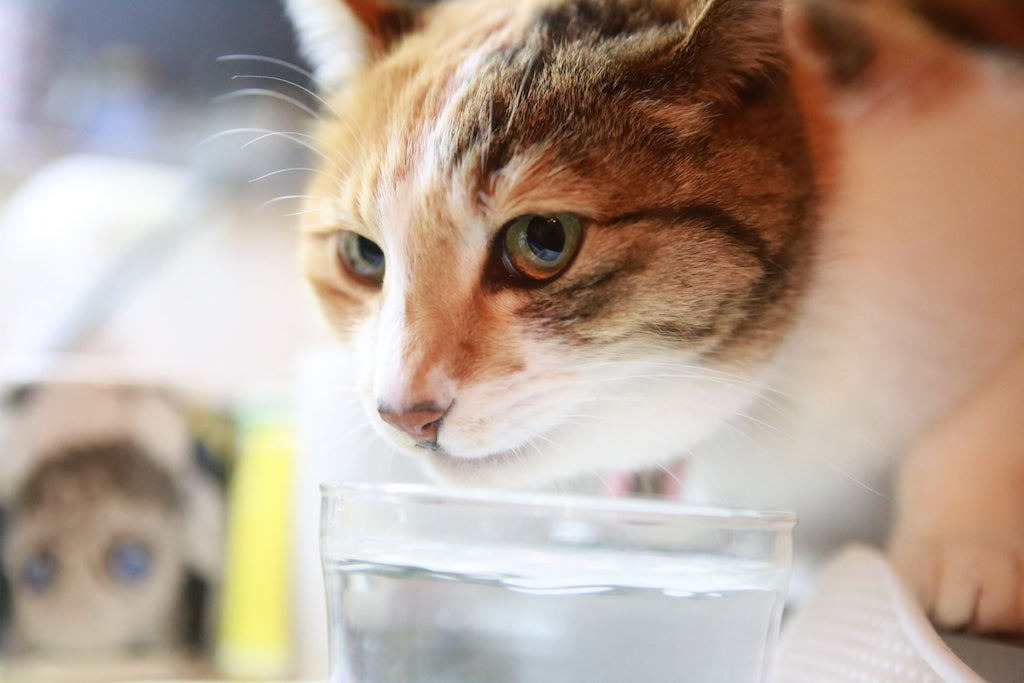
Cats are descendants of desert-dwelling ancestors that primarily hydrated by consuming prey. They don't have much of an instinct to drink water and are biologically designed to use what little moisture they get very efficiently.
This nature is why many cats don't drink much water.
With modern cat lifestyles, lack of hydration is a concern. It increases the risk not only of heatstroke and dehydration, but also of kidney disease and urinary stones.
Here are some ways to encourage your cat to hydrate during the rainy season and summer.
Try mixed feeding
If your cat eats a dry food-based diet, they will naturally tend to be under-hydrated. Try mixed feeding by topping their dry food with wet food or offering wet treats.
Change the water bowl
Sometimes cats don't drink because they dislike the bowl. Reasons could include disliking their reflection in a stainless steel bowl or disliking the feel of their whiskers touching the rim. Changing the material or shape of the bowl can be effective.
Many cats prefer flowing water, so try a fountain-style water dispenser.
Increase the number of water stations
Cats are naturally curious creatures, so they may start drinking simply by placing a bowl in a new location. Try setting up water stations all around the house to prevent heatstroke.
If you have multiple cats, it's best to have one more bowl than the total number of cats.
Adjust the water temperature
Some cats prefer lukewarm water or water with an ice cube over room-temperature water. Since cats are sensitive to smells, some may dislike the chlorine odor of tap water, so try boiled-and-cooled water or filtered water.
You can also offer broth made from boiled chicken, fish, or vegetables. Do not add salt, and be sure to clear away any leftovers.
| 【Related Articles】 |
Summary
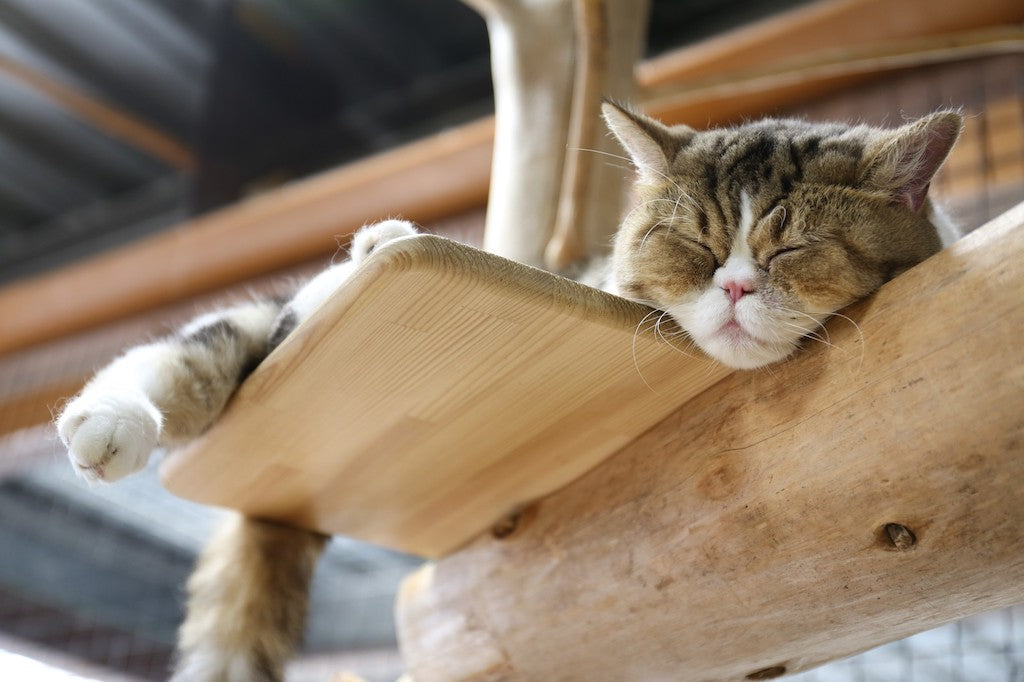
Because our fluffy cats are covered in fur, "heatstroke" is a major worry.
The key to preventing heatstroke is to keep the room temperature and humidity comfortable for your cat. Make smart use of air conditioning, cooling, and dehumidifying functions to get through the season.
In the unlikely event you notice signs of heatstroke, lowering their body temperature is the absolute top priority. Move them to a cool place and cool them down with ice packs wrapped in towels or with damp towels.
Seek veterinary care immediately if symptoms are severe, such as convulsions or loss of consciousness.
Flat-faced breeds like Persians and Exotic Shorthairs are particularly prone to heatstroke because they have difficulty dissipating heat. Kittens and senior cats are also highly susceptible to heatstroke due to weaker temperature regulation.
Japanese summers and rainy seasons are hot and humid. To protect your cat's life, please be sure to understand these prevention methods and first aid procedures.
Author Profile









Leave a comment