

Even if a kitten is full of energy, they can easily become unwell. Because their immune systems are weak, you have to worry about infectious diseases, and they may also suffer from diarrhea or vomiting.
Furthermore, cats are creatures that easily feel "stress." Because kittens have such small bodies, they are extremely sensitive to stress.
When do kittens feel stress? In this article, we will provide a detailed explanation of the causes of stress in kittens, their behavior and symptoms when feeling stressed, and ways to relieve that stress.
What are the causes of stress in kittens?
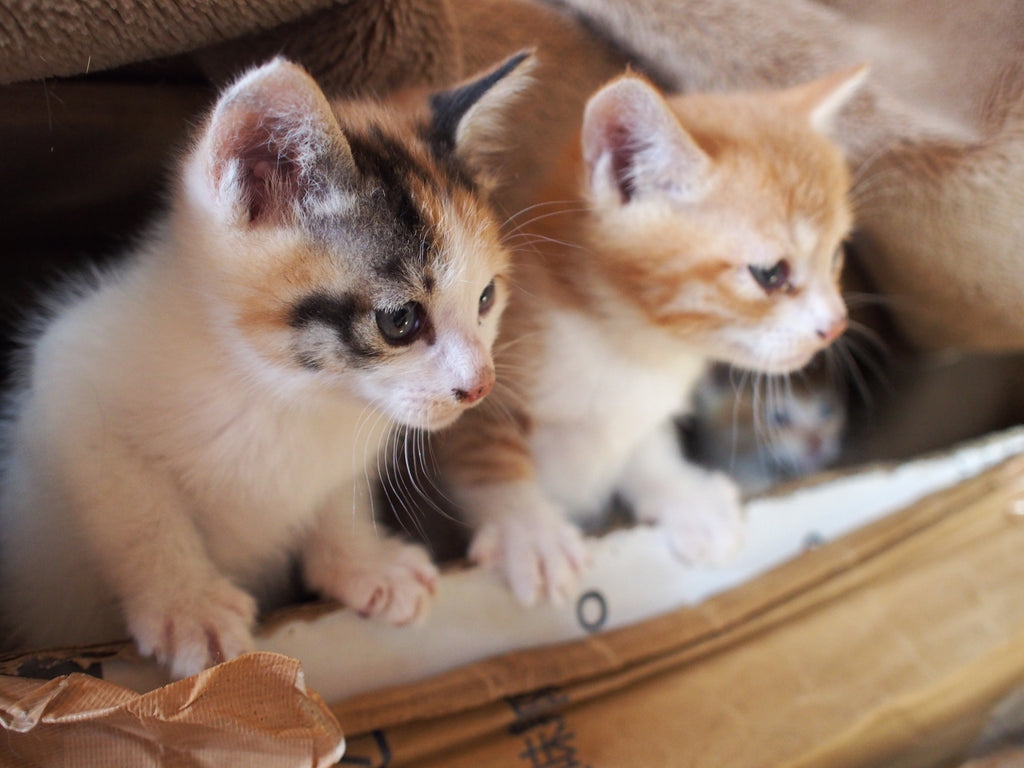
Even for an innocent and fearless kitten, things they instinctively find "unpleasant" can become a source of stress.
A living environment that is difficult for cats to thrive in
The first thing to consider is the "living environment." For cats kept strictly indoors, it is very important whether the environment is comfortable for them to live in.
An environment that is comfortable for the owner can sometimes be a source of stress for the cat. A living environment that fully understands the nature of cats is necessary.
Loud noises
Because cats have sensitive hearing, they feel fear and stress from loud noises. Kittens in particular may dislike the sounds of vacuum cleaners or hair dryers they are encountering for the first time.
Unable to exercise enough
Rather than just space to run around, cats need an environment where they can perform vertical movement using cat towers or cat walks. Lack of exercise leads to stress.
No place to relax alone
Cats love narrow, dark places. It seems they feel safe in places they can crawl into, a remnant of hiding in holes to protect themselves from natural predators. Without a space where they can relax alone, they will constantly feel tense and unsettled.
Cannot sharpen their claws
Even small kittens instinctively sharpen their claws. While the purpose is to maintain their claws, the act of scratching itself leads to stress relief.
Difficult-to-use litter box
Being unable to eliminate smoothly due to a litter box that is hard to use, dirty, or filled with litter the cat dislikes is also a cause of stress.
Excessive physical affection from the owner
Even an affectionate kitten does not want to be fussed over all day long. There are times when they want to play and times when they want to sleep alone.
If the owner fusses over them too much or engages in excessive physical affection, the kitten will also feel fatigue and stress.
Conversely, some kittens find not being paid attention to stressful. It is important to observe your kitten's personality closely and interact with them while maintaining a comfortable distance.
|
[Click here for related articles] |
Environmental changes
Kittens are very bad at dealing with changes in their environment. From the time you start raising a kitten until they get used to their new surroundings, they may be prone to becoming unwell.
Also, even in a living environment they have gotten used to, changes in the atmosphere caused by moving or rearranging furniture can cause stress. Visitors, the birth of a baby, or adding a new pet can also be stressful.
Originally, cats do not like to leave their territory, so staying at a pet hotel or going to a veterinary clinic also becomes stressful. If it is only for one or two nights, it is often less stressful to let them stay at home.
|
[Click here for related articles] |
Don't miss the signs of stress in your kitten!
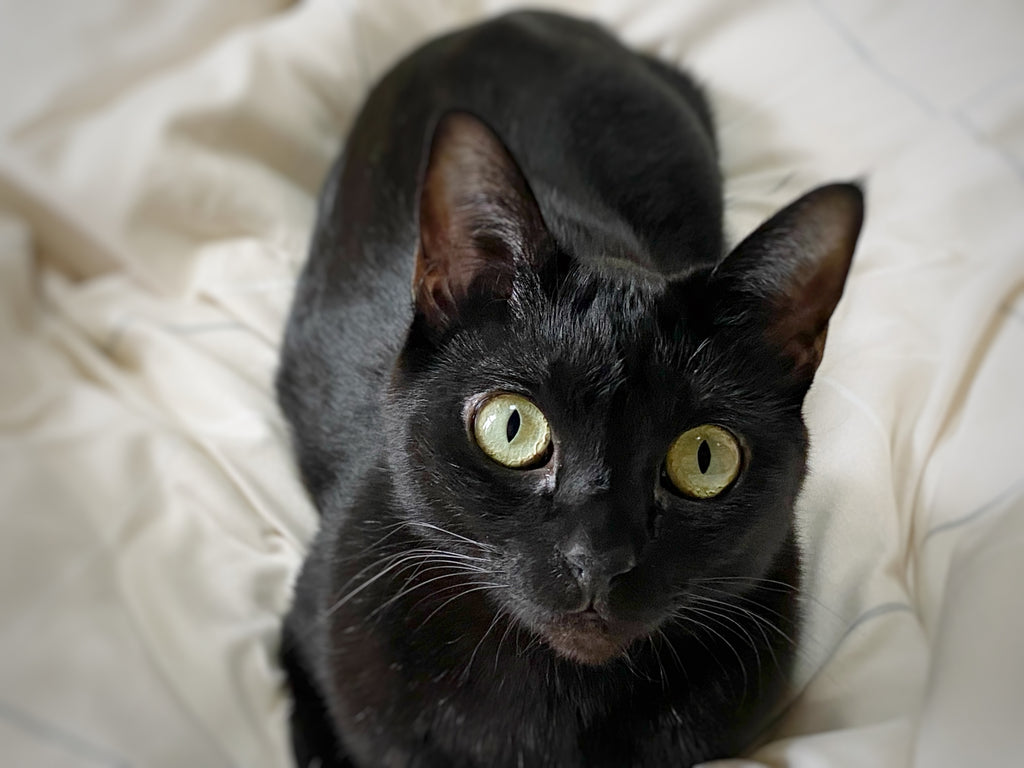
When a kitten feels stress, changes will appear in their behavior and physical condition. Make sure not to overlook these signs of stress.
Behavior when a kitten is feeling stressed
What you might think is just mischief or problematic behavior could actually be caused by stress.
Excessive grooming
When a cat feels stress, they will groom themselves to try and calm down. If the cause of the stress is not removed, they may continue to lick until it leads to bleeding or skin inflammation.
Many owners are troubled by psychogenic alopecia caused by excessive grooming.
When even more intense stress is applied, some cats may engage in self-injurious behavior, such as pulling out their fur to create bald patches, scratching persistently, or biting their tails.
Lethargy
Stress can cause them to lose their energy, such as no longer wanting to play, sleeping all the time, or not sharpening their claws.
Increase in accidents
Even if they were able to urinate and defecate in the litter box before, they may start having accidents in places other than the litter box. This is often triggered by changes in the litter box location or litter material, or by the addition of another pet or family member.
Becoming aggressive
Stress makes them prone to irritation, leading them to act aggressively toward their owners or other cats in the house. Problematic behaviors like hissing, biting, or scratching might be caused by intense stress.
Sudden running around
If a state of stress continues without being properly released, you may see "vacuum behavior," where they suddenly run around in the middle of the night or pounce on things that aren't there. This is said to be caused by a lack of exercise.
Symptoms when a kitten is feeling stressed
Kittens can also lose their appetite or develop gastrointestinal symptoms due to stress. As it can be life-threatening, be sure to visit a veterinary clinic.
Loss of appetite
If they have less appetite than usual or are not drinking water, stress might be the cause. There is also the possibility of a disease, so you should regularly observe how much they eat and drink.
Vomiting/Diarrhea
When stress increases, their gastrointestinal tract can weaken, leading to symptoms such as vomiting, diarrhea, constipation, or bloody urine.
Hair loss
Cat stress easily manifests as skin conditions. Pay close attention to symptoms such as increased dandruff, redness of the skin, or increased hair loss.
Ways to relieve stress in kittens
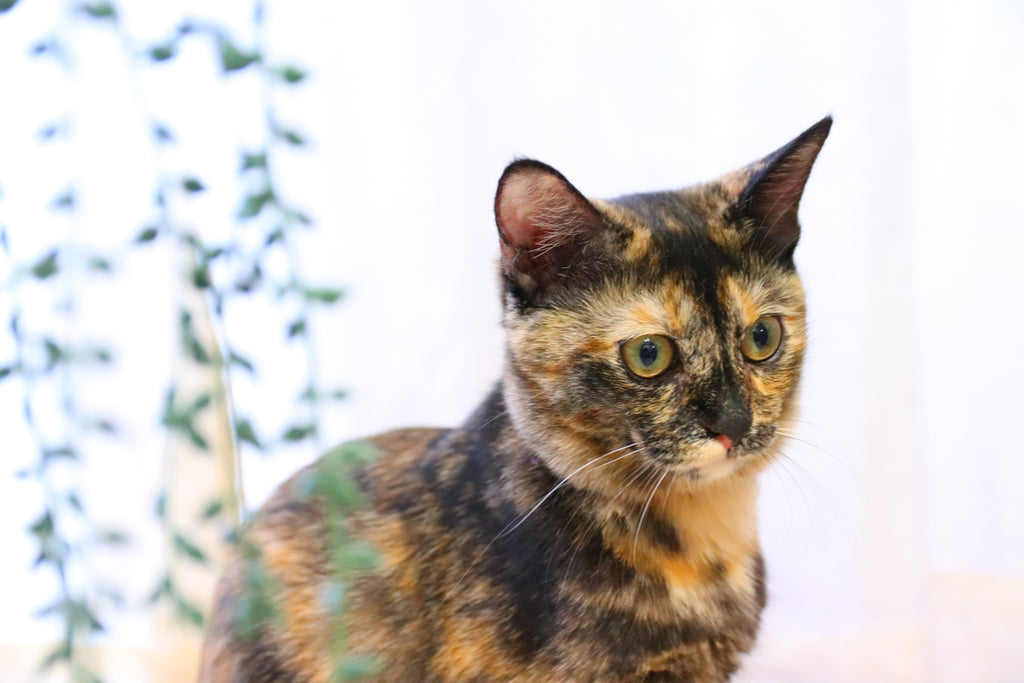
While it may be difficult to remove all causes of stress, you can prepare an environment that allows for effective stress relief. Know how to help your strictly indoor cat relieve stress successfully.
Prepare a place for vertical movement
Ensure a minimum amount of space so the cat can run and play.
Furthermore, to resolve a lack of exercise, set up a cat tower or cat walk so that the cat can climb to high places.
Create a place where they can feel safe
Provide several narrow, dark places where your cat can hide.
Using a carrying bag or crate as a relaxation space also helps reduce stress during medical visits or travel. As it can also serve as an evacuation space in the event of a disaster, it is important to get them used to it in advance.
Prepare the environment for eating and elimination
Choose a quiet place so your cat can eat and use the litter box in peace. To ensure fresh water is available at all times, place multiple water stations. Also, it is reassuring to have one litter box for every cat plus one extra.
If you have other cats, try to keep the food and litter box locations separate while watching how the cats get along with each other.
Engage in play that stimulates their instincts
Because cats are animals that lived by hunting, they love hunting games that stimulate their predatory instincts. Try to play with them for about 10 to 30 minutes every day using cat wands or toys with strings.
Time for deepening communication through brushing is also important. However, be careful not to fuss over them too much, as some cats dislike physical contact.
Also, allow them to sharpen their claws freely. Since cats have preferences regarding scratching posts, hopefully you can prepare a few and find their favorite.
▼ Example of a comfortable indoor environment for cats
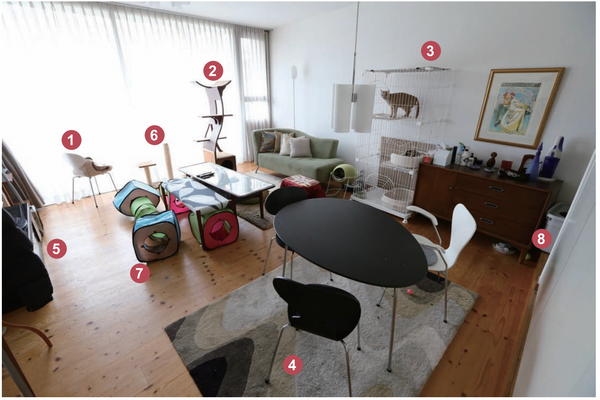
Source: Ministry of the Environment 『Guidebook for proper adoption of cats: Let's prepare a comfortable indoor environment for cats』
Summary
Not just for kittens, but when living with any cat, preparing the living environment and interacting appropriately is essential.
Even cats that look relaxed can be surprisingly sensitive to stress. If they cannot release stress effectively, it manifests as problematic behavior or poor health. Especially for kittens, the impact of stress is significant, so even minor stress can become the cause of illness.
There are many cats that suffer from excessive grooming due to stress, which can lead to them pulling out their hair to create bald spots or licking until they bleed, resulting in dermatitis.
After consulting with a veterinarian, it is important to remove the source of stress and arrange an environment where they can relieve stress, while perhaps using skin-protecting cat clothing or an Elizabethan collar.
Observe your cat's condition carefully, review your own lifestyle, and provide a "cat-first" environment that is comfortable for them.
Author Profile











Leave a comment