
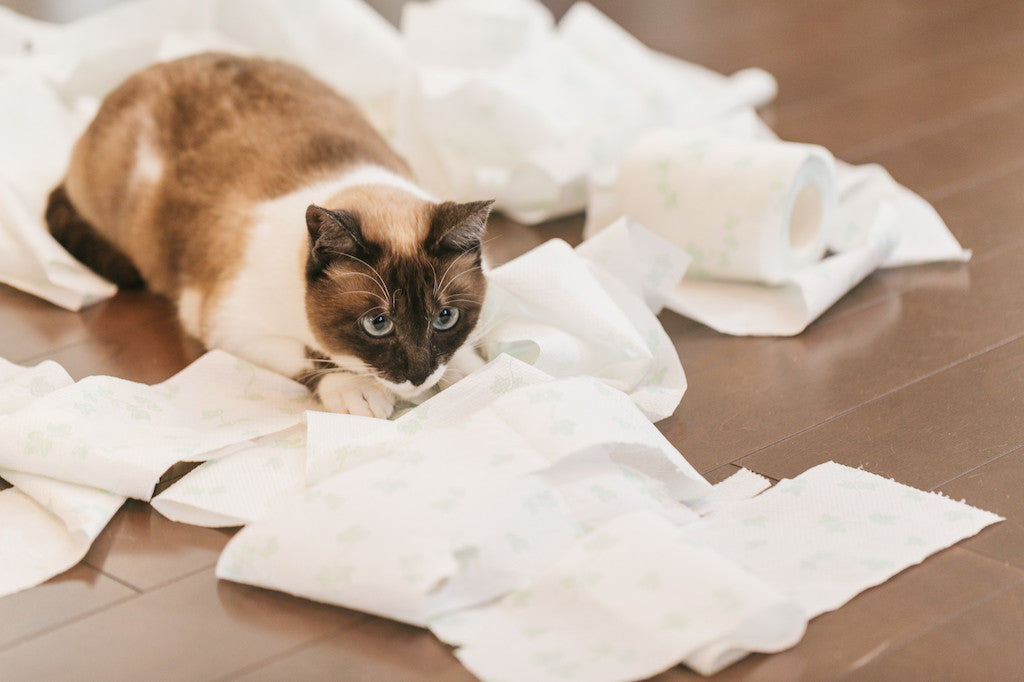
If your cat is having accidents outside the litter box, it may be because they aren't happy with where it's placed.
For cats, urination and defecation are important barometers of health. Being able to relieve themselves without stress is vital.
In this article, we will explain in detail the ideal location for a cat's litter box, the signs that a cat is dissatisfied with their toilet, and how to choose the right one.
Signs a cat is dissatisfied with their litter box

Cats are descended from desert-dwelling ancestors. They have a natural instinct to relieve themselves on sand to cover the smell of their urine and feces.
"Cat litter" is designed to take advantage of this instinct. Because of this, many owners find that they don't have much trouble with litter box training.
However, cats have their own preferences, and if something isn't to their liking, they may have accidents outside the box. Some may even hold their urine, which can lead to cystitis...
To protect your cat's health, make sure you don't miss the signs of their "dissatisfaction."
Signs a cat is dissatisfied with their litter box
When a cat is unhappy with their litter box, you may see the following behaviors:
- Perching on the edge of the litter box to do their business
- Rushing out without covering their waste
- Scratching the air instead of the litter
- Scratching the edges of the box or nearby walls
Causes of litter box dissatisfaction
There are several possible reasons why a cat might be dissatisfied with their litter box.
- They dislike the location (too much human traffic, noisy, or cold)
- The box is hard to access (located in a high or unstable place)
- The box is dirty
- They don't like the type of litter
- The box is the wrong size
While many owners know that cats are picky about litter or box shape, fewer seem to realize that the cat might be dissatisfied with the "location" of the box.
What is the ideal location for a cat's litter box?
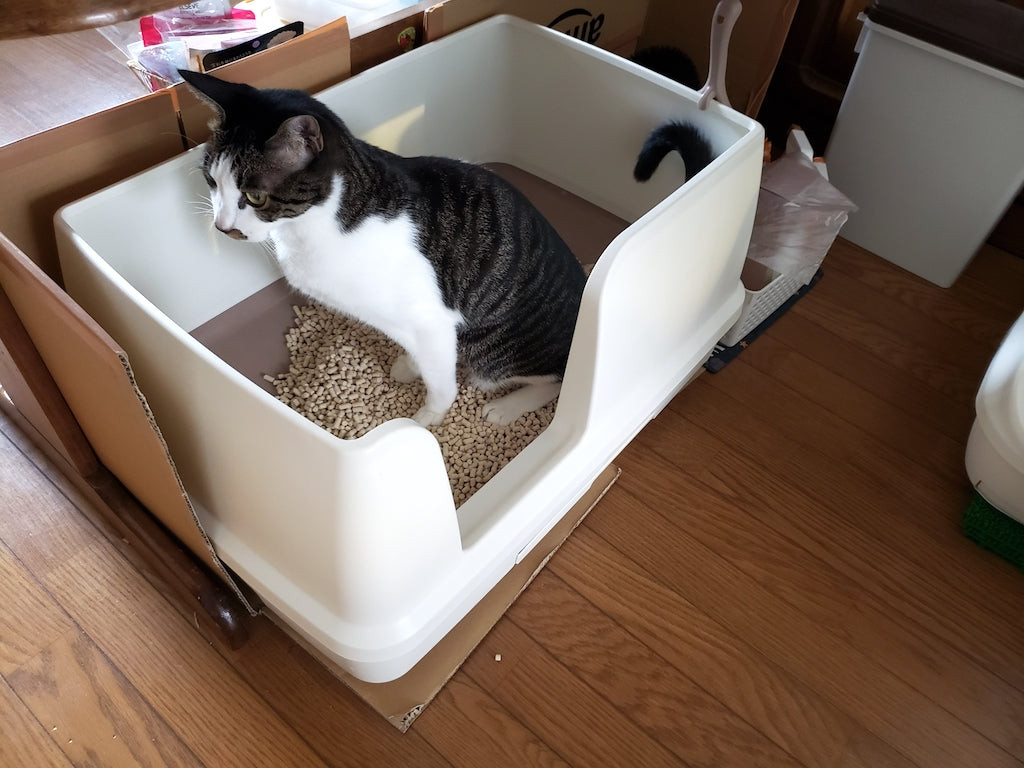
Let's consider what makes a comfortable litter box location for a cat.
An ideal litter box is in a quiet spot where you, the owner, can easily notice when the cat uses it. We recommend the living room, where your cat can feel calm and you can easily clean it frequently.
It's important that the room can be ventilated so odors don't build up, and that it doesn't get too cold in the winter. If possible, keep the litter box away from where the cat eats.
Conversely, we do not recommend hallways or entryways, as the frequent human traffic and the sound of opening/closing doors can startle your cat. You should also avoid bathrooms or washrooms, as cats often dislike the sound and vibrations of washing machines.
What makes for a comfortable litter box?
Cats are very clean creatures, so you should clean up their waste frequently. Lately, fully automatic cat litter boxes with self-cleaning functions have become popular. Additionally, you should wash the entire box with water once a month and replace all the litter. Many cats also dislike the smell of air fresheners or aroma oils. Keep these away from the litter box, and if you are concerned about odor, use an unscented deodorizer.
Also, because cats feel vulnerable while they are using the bathroom, it is helpful if you can provide some cover, such as a screen or a cloth.

How to choose the right cat litter box
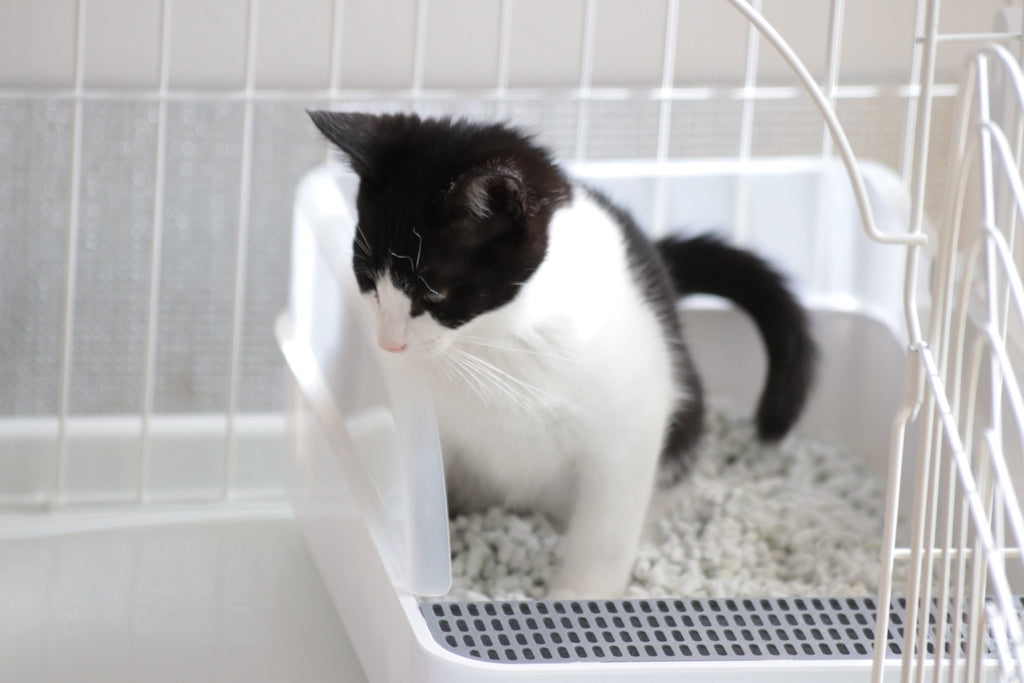
Cats are prone to urinary issues, such as cystitis, urethral obstruction, and kidney disease. Provide a suitable environment so they can relieve themselves without stress.
|
【Read related articles here】 |
Choose an easy-access box
Cat litter boxes come in various shapes, but choose one that is easy to enter and exit. A simple shape is usually the easiest to clean. We recommend a deep box that allows for a generous amount of litter.
One box per cat, plus one
Cats dislike dirty litter boxes. Some cats even dislike using a box used by another cat, so it is safer to provide the number of cats + 1 litter boxes.
The box should be 1.5 times the length of the cat
Cats often circle around in the litter to find the perfect spot. To allow them to turn around easily, choose a box that is about 1.5 times the length of your cat (from chest to tail).
Know your cat's litter preference
Every cat has different preferences for litter. There are several types, such as mineral, bean curd (okara), wood, and paper-based; try to figure out which your cat prefers. Many cats seem to prefer mineral litter, which closely resembles natural sand.
Summary
The comfort level of a cat's litter box is heavily influenced by its location.
Since cats are prone to urinary diseases, a comfortable toilet environment is essential. It is directly linked to early detection of illness and general health management, so we want them to feel as comfortable as possible.
Observe your cat closely to check for signs of dissatisfaction, and monitor the volume and frequency of their urination.
Take this opportunity to review your cat's litter box setup.
Author Profile








Leave a comment