

Have you ever had the experience of "locking eyes with a kitten in a display case" and feeling that it was "destined to be"? While it is common in Japan to welcome a cat from a pet shop, there are risks you should be aware of from the perspectives of veterinary medicine and animal welfare.
In this article, we will explain the "points to note when getting a cat from a pet shop" and "how to choose a truly healthy kitten."
The pros and three cons of buying a cat at a pet shop
Pros: You can meet specific breeds and kittens of a certain age
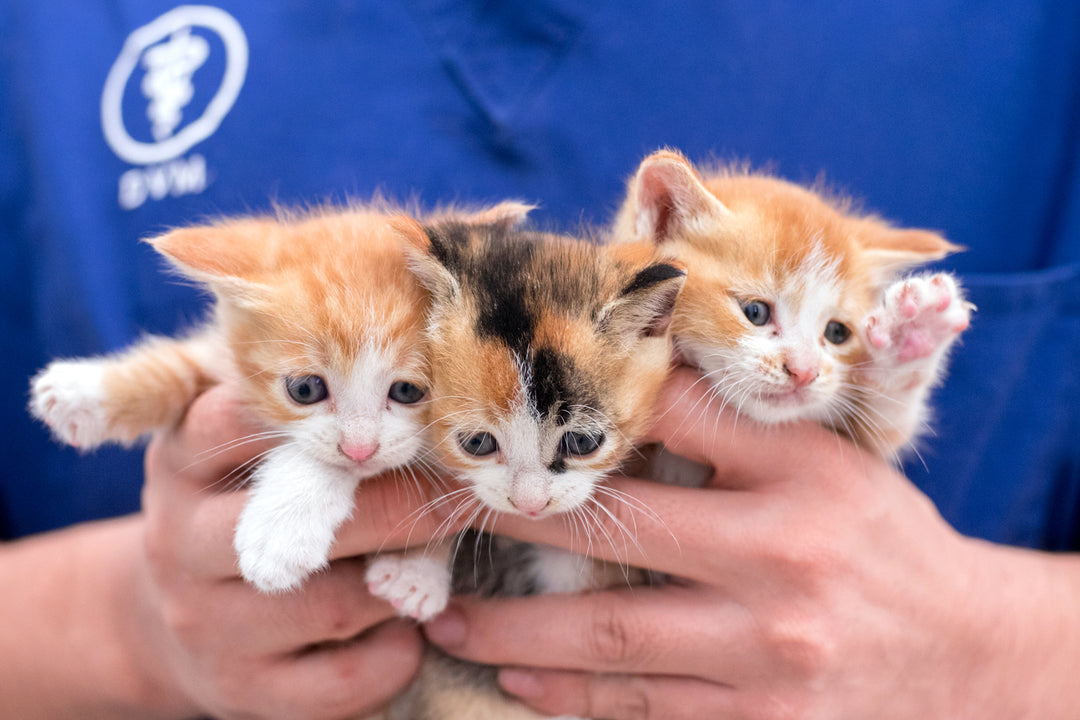
Pet shops showcase a variety of cat breeds, most of which are kittens aged 2 to 3 months. Because they exhibit pedigreed cats, they offer the convenience of being able to reliably find your favorite breed or a 2 to 3-month-old kitten.
Pet shops also sell pet care supplies in addition to live animals, so the convenience of being able to purchase a full set of items on the spot is another attractive feature.
Cons 1: Lack of socialization and personality issues
Kittens learn various things from their parents when they are young; experiencing different things during that period changes their ability to adapt to environments and people. This period is called the "socialization period," which is characterized by being short for cats, typically between 2 and 9 weeks of age. Although current Japanese animal welfare laws require kittens to live with their mother until 8 weeks old, they may not have received appropriate learning during this "socialization period." This carries the risk of them developing biting habits or becoming timid and aggressive in personality.
Cons 2: Risks of infectious diseases and hereditary disorders
Cats displayed in pet shops are born in breeding facilities and raised there until they are 8 weeks old. Because large numbers of cats are kept in these facilities, it is not uncommon for them to be infected with feline upper respiratory infections (cat flu) or parasites. Additionally, outbreaks of infectious diseases occur within pet shops as well.
While it is currently recommended that cats with hereditary disorders not be used for breeding, one cannot deny the possibility that they may carry such disorders due to forced breeding.
Cons 3: Mismatches due to impulse buying
There is no end to the number of people who purchase cats solely based on the emotion that they are "cute." Especially during events like Christmas, graduation/enrollment seasons, or birthdays, cats are sometimes bought as gifts, leading owners to regret their decision later, saying, "The personality was not what I expected," or "Caring for them is too difficult." In some cases, these cats are abandoned or neglected.
To avoid regrets! A "health checklist" you must check before purchase

Signs of health you can see from appearance
If you find a cat you like, be sure to check its health condition. You can tell a fair amount just by looking at its face and body. Make sure to check these points. If you still decide to purchase the cat despite concerns about its health, you will need to consult a veterinary clinic as soon as possible.
- Eyes: Is there any eye discharge? Are they watery? (Suspicion of cat flu)
- Ears: Is there earwax buildup? Is the cat scratching at them? (Suspicion of ear mites)
- Bottom: Is the anus dirty? (Does the cat have diarrhea?)
- Coat: Are there any bald patches or dandruff? (Suspicion of skin disease or fungal infection)
- Physique: Is the cat too thin? (Suspicion of loss of appetite, internal organ disease, or infectious disease)
Even if you like the cat, it is better to avoid it if it falls into any of these categories.
Questions you should definitely ask the shop staff
When purchasing, the seller must convey important explanations to the buyer. However, you should check even before you buy, and it is better not to purchase from a seller who cannot explain these things.
The questions are as follows:
"What kind of person is this cat's breeder?" (Confirmation of traceability)
"Has genetic testing been completed?"
"Please show me the vaccination certificate."
"What is the warranty period if an illness is discovered?"
If they cannot answer these questions immediately, are unwilling to look them up, or are evasive, it is not an honest shop. Also, saying "I cannot tell you unless you purchase the cat" is dishonest for a seller. The attitude of the shop staff is also one of the criteria for choosing a shop.
There is more than one option. The happy choice of welcoming a "rescue cat"

The appeal of "adult cats" whose personalities are already known
Kittens are cute, but if they are still very young, managing their meals, leaving them home alone, and litter training are difficult, and they have boundless energy, which requires a lot of care. In that regard, adult cats are more settled both physically and in personality. Adult cats are harder to find in pet shops, so it is better to welcome an adult rescue cat from a facility. Rescue cats have often undergone training at the facility, and in most cases, they are used to people and rarely have litter accidents. Because there are fewer restrictions like needing to watch them, you can choose a cat that fits your lifestyle.
The dark side of live animal sales and "saving a life"
Please be aware of the fate of cats that go unsold in pet shops and the existence of cats retired from breeding. Currently, many animal protection centers in Japan refuse to accept cats that go unsold from breeders, but even so, they are sometimes abandoned or the breeder may face a collapse of animal care. Such cats are rescued by shelters and are waiting for new families. Becoming a foster parent has the great significance of saving a life.
Summary

Pet shops display adorable kittens that can capture your heart. However, purchasing impulsively is absolutely NOT okay. Please discuss it with your entire family and ensure you can provide care for their entire life. When you do purchase, understand the risks such as infectious diseases and lack of socialization, and be sure to thoroughly check the items on the checklist.
Adult cats are overflowing with an appeal that is different from kittens. Don't forget that there is also the option of a "rescue cat," and please choose the happiest way of meeting for you and your beloved cat.
Related Articles

|
[Related Articles] |






Leave a comment