

Many cats dislike having their claws clipped. They struggle, scratch, and bite... It can be frustrating when they refuse to let you trim their nails.
Also, many cat owners find nail clipping intimidating.
What should you do when your cat resists nail clipping? Is there a good way to do it? In this article, we'll explain the key points and tips for clipping your cat's claws.
Is Cat Nail Trimming Necessary?
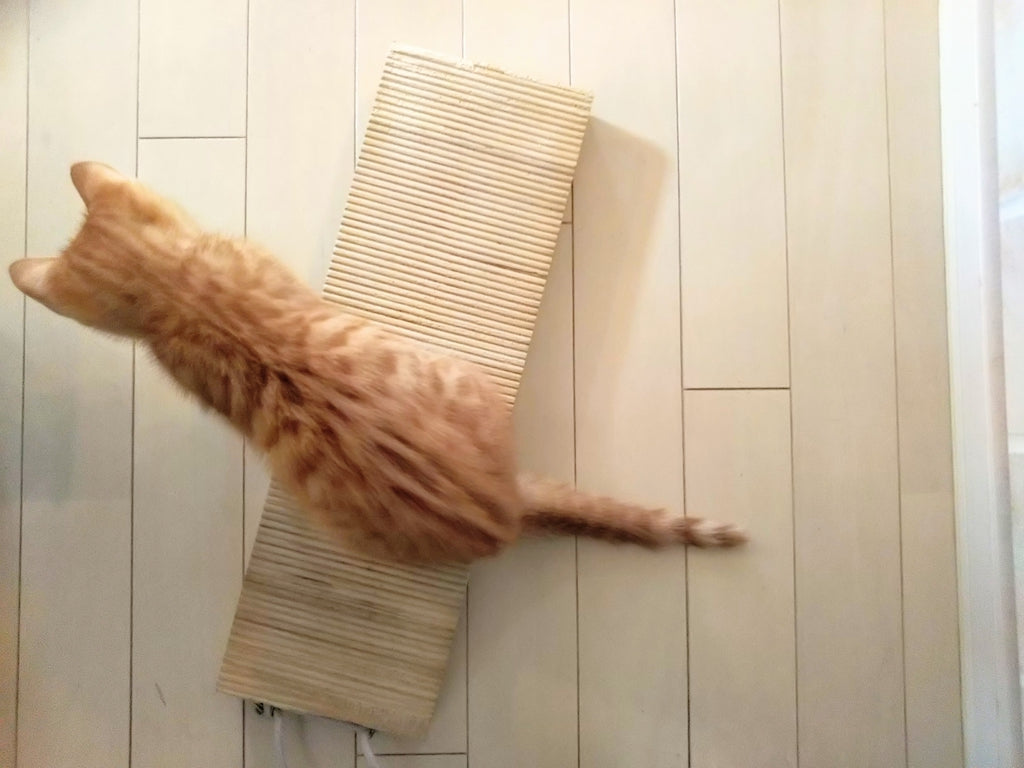
First of all, is nail trimming necessary for cats?
Outdoor cats naturally wear down their claws by climbing trees and hunting, so there's no need to trim them.
However, indoor cats don't use their claws enough for them to wear down. If left untrimmed, there's a risk of their claws growing into their paw pads, causing ingrown nails.
Furthermore, cat claws are very sharp. They can get caught on curtains or carpets and break, or injure other cats in the household or their owners.
Nail trimming serves to remove sharp tips, making life easier for your cat. For indoor cats, nail trimming is essential.
Is Nail Trimming Unnecessary if a Cat Uses a Scratching Post?
A cat's claws have a layered structure. By scratching, cats shed old layers of their claws, keeping them sharp and groomed.
Therefore, even if a cat uses a scratching post, not trimming their nails can lead to injuries. Using a scratching post does not eliminate the need for nail trimming.
Tips for Trimming Cat Nails Without Resistance
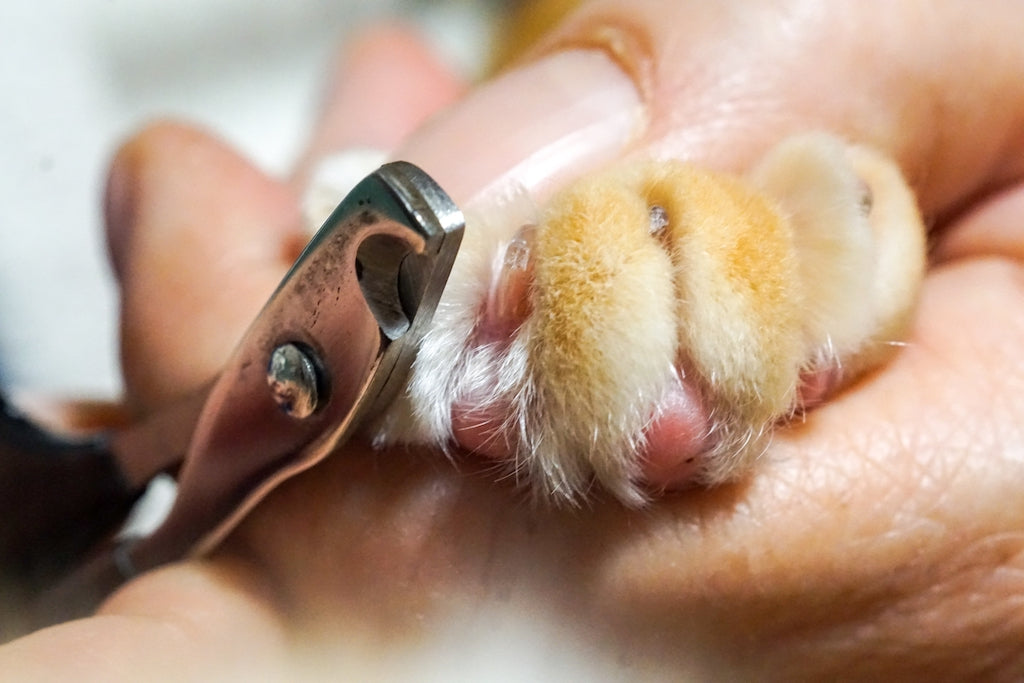
Restraining your cat to clip their nails or causing them pain will create a negative association with nail trimming. This can lead to them struggling and resisting.
The key to cat nail trimming is to first and foremost, "don't force it." Observe your cat and try to trim their nails without rushing.
Understand the Basic Method of Trimming Cat Nails
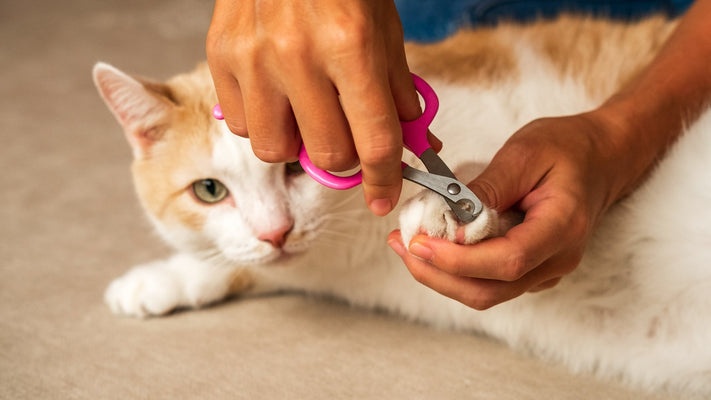
Trimming a cat's nails isn't particularly difficult. The basic steps are as follows:
- Hold your cat in a hugging position from behind.
- Gently press on the paw pad to extend the claw.
- Trim 2-3mm off the sharp tip, being careful not to cut into the quick.
Cat nail trimming should be done every two weeks to a month. Checking your cat's claws and "trimming them when they're long" will help prevent injuries.
Finish Quickly
When trimming your cat's nails, it's important not to take too long. Avoid making eye contact with your cat and finish quickly. Even if you only trim one or two claws at a time, finish before they start to resist.
Trim When They Are Relaxed
It's best to trim your cat's nails when they are relaxed. You can hold them in a comfortable position, or subtly trim their nails while brushing or cuddling them.
You can also try to catch them when they are drowsy after waking up. Try different approaches based on your cat's personality.
Give Rewards
After nail trimming, praise them heartily and give them their favorite treats. If your cat learns that "something good happens after nail trimming," they will eventually allow you to trim their nails, even if reluctantly.
Some cats respond well to a strategy of giving a small treat before nail trimming to put them in a good mood, and then giving the rest of the treats afterward.
Tips for Trimming Cat Nails Successfully
If your cat struggles during nail trimming... In such cases, knowing some nail trimming tips can be reassuring.
Accustom Them to Having Their Paws Touched
If your cat always struggles during nail trimming, try to get them used to having their paws touched first.
Hold your cat and gently touch their paws. Initially, this is all you need to do. Then, gradually, over time, introduce the nail clippers, lightly touch them to their paws, and extend their claws.
Wrap Them in a Bath Towel to Calm Them Down
Many cats calm down when wrapped in a bath towel or laundry net. If they bite, an Elizabethan collar can also be an option.
Trim from the Back Paws or from the Outside
When holding your cat, the back paws are easier to trim than the front paws. Try trimming the back paws first. Also, many cats dislike having their dewclaws touched, so it's a good tip to start trimming from the outer claws.
If They Struggle and Resist, Go to the Vet
If your cat absolutely resists and struggles, have their nails trimmed at the vet. Many cats become as "meek as a borrowed cat" when taken to the vet, and experienced veterinarians will handle them, so you can rest assured.
What to Do if You're Afraid of Trimming Nails?
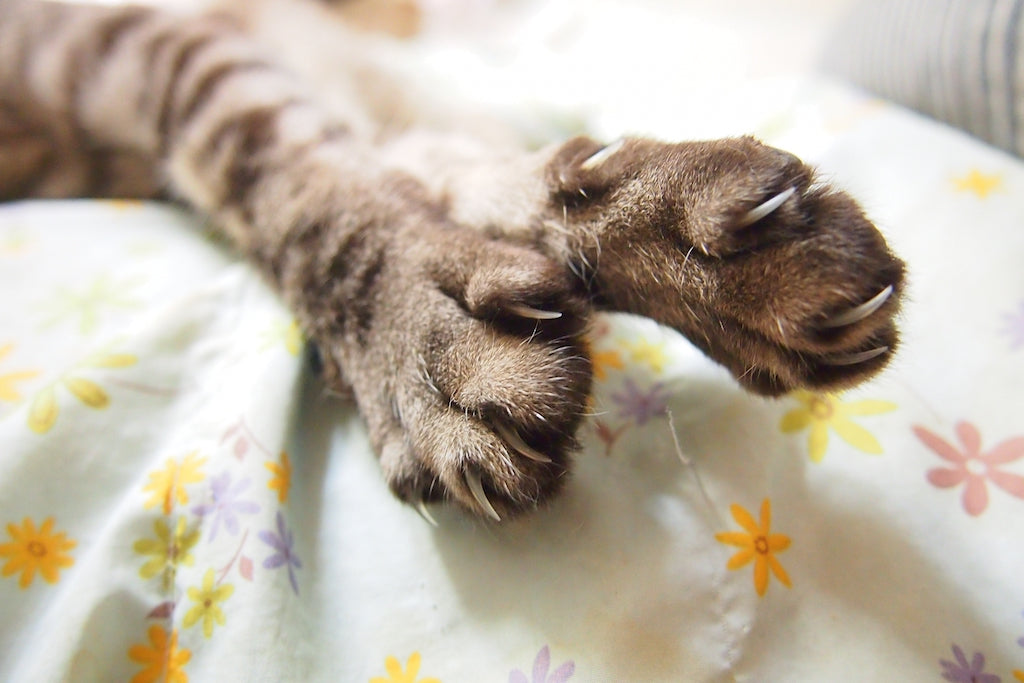
If the owner is nervous, the cat will also sense it. It's important to trim nails calmly and with a relaxed demeanor as much as possible.
However, cat nail trimming can be scary. You might worry about hurting them or causing injury.
Perhaps the reason you're afraid of trimming your cat's nails is because "you don't know how much to cut," "the cat struggles because of the 'snip' sound," or "you've failed to cut them properly."
For such caring cat owners, we recommend a special nail clipper for cats.
SUWADA Cat Nail Clipper Nippers for a Clean Cut

Cats really dislike the vibration and the "snapping" sound when their nails are trimmed. To eliminate this stress, we developed the "SUWADA Cat Nail Clipper Nippers", which are designed for a clean, sharp cut.
Made by Suwada Seisakusho, a renowned manufacturer in Tsubame-Sanjo, this exquisite tool is meticulously crafted for superior sharpness and ease of use. While their human nail clippers are incredibly famous, their cat nail clippers are also exceptional.
The nipper-type design allows for easy, effortless trimming. The cutting area is clearly visible, making precise, millimeter-by-millimeter trimming simple. There's almost no "snapping" sound or impact, so nail trimming is over before your cat even gets upset.
Of course, it can be used for both kittens and senior cats. This cat nail clipper is recommended for owners who are not good at or are afraid of trimming their cat's nails.
|
【Related Products】 |
|
【Related Articles】 |
Summary
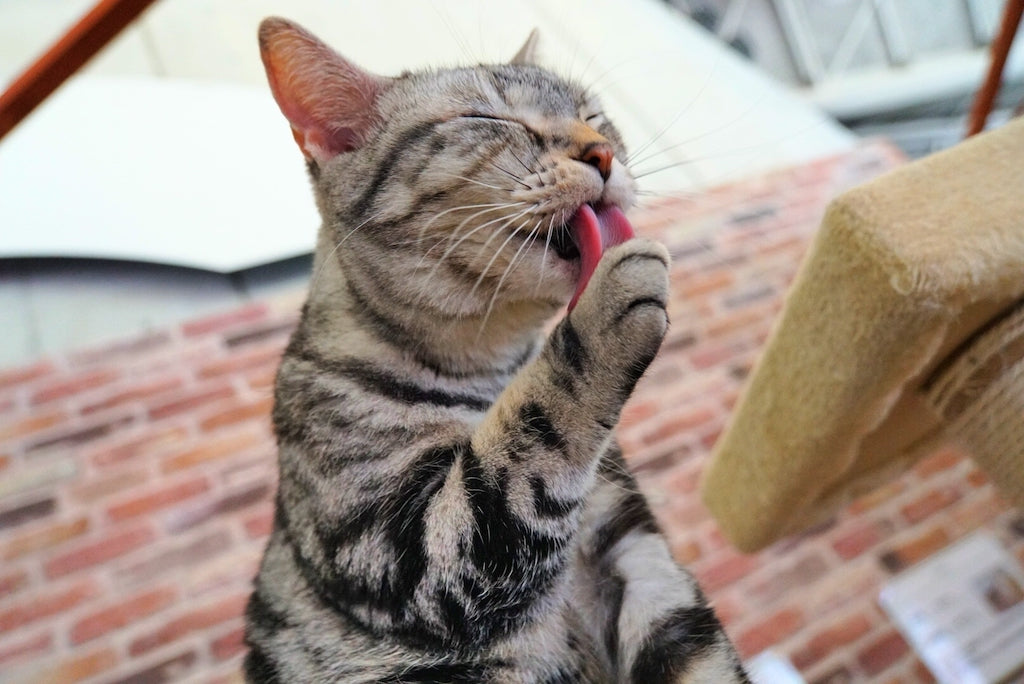
For cats, nail trimming is essential for living safely. However, many cats strongly dislike having their nails trimmed.
It's important not to force a cat who dislikes nail trimming. This will only make them dislike it more and lose trust in their owner.
First, try these basic approaches: "finish quickly," "trim when they're relaxed," and "give rewards."
Also, keep in mind these tips to make nail trimming less disagreeable: practice touching their paws, wrap them in a bath towel, trim from the back paws, and trim from the outside claws.
Dull nail clippers tend to cause more shock and noise when cutting. Since this can upset your cat, it's important to use sharp clippers.
Remember these tips and tricks for nail trimming, and enjoy your communication time with your cat.
|
【Related Articles】 |
Author Profile



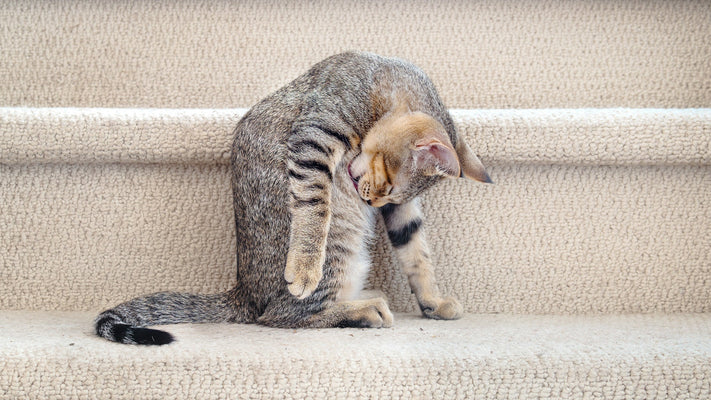
![[Written by a Veterinarian] Is excessive paw grooming in cats a sign to trim their nails? Stress-free care methods](http://www.poponeko.jp/cdn/shop/articles/shutterstock_2431101915_ffb64d55-478e-40f0-a31b-29b648867e1e.jpg?height=400&v=1784983750)

![[Set] Leaf Ribbon & Cat Collar - Gingham Check (Raspberry)](http://www.poponeko.jp/cdn/shop/files/DSC00111_50fa7dfb-0b92-465f-96f3-373274a75e62.jpg?v=1780663890&width=600 "[Set] Leaf Ribbon & Cat Collar - Gingham Check (Raspberry)")
![[Set Product] Leaf Ribbon & Cat Collar - Tartan Check Classic Red](http://www.poponeko.jp/cdn/shop/files/2606_00018.jpg?v=1785759845&width=600 "[Set Product] Leaf Ribbon & Cat Collar - Tartan Check Classic Red")
![[Set Product] Leaf Ribbon & Cat Collar - Tartan Check Black Watch](http://www.poponeko.jp/cdn/shop/files/2606_00019.jpg?v=1785759844&width=600 "[Set Product] Leaf Ribbon & Cat Collar - Tartan Check Black Watch")
![[Set] Leaf Ribbon Fleurage Blue & Cat Collar Belgian Linen Orange](http://www.poponeko.jp/cdn/shop/files/2608_00122.jpg?v=1789197487&width=600 "[Set] Leaf Ribbon Fleurage Blue & Cat Collar Belgian Linen Orange")
![[Set Item] Leaf Ribbon & Cat Collar - Petit Fleur - Pastel Pink [Limited Color]](http://www.poponeko.jp/cdn/shop/files/2608_00409.jpg?v=1789946167&width=600 "[Set Item] Leaf Ribbon & Cat Collar - Petit Fleur - Pastel Pink [Limited Color]")
![[Set] Leaf Ribbon & Scrunchie Cat Collar, Tartan Check, Royal Red](http://www.poponeko.jp/cdn/shop/files/2606_00006.jpg?v=1785759845&width=600 "[Set] Leaf Ribbon & Scrunchie Cat Collar, Tartan Check, Royal Red")

Leave a comment