

Your cat is a precious family member. When considering your cat's health and happiness, choosing the right cat food is extremely important.
However, there are so many types of cat food that it can be difficult to decide which one to choose. In this article, we'll discuss how to choose the right cat food and what criteria to use.
The Basics of Cat Food You Need to Know First

Cat food can be broadly divided into two types: dry food and wet food. Both are for cats, but each has its own advantages and disadvantages.
Dry Food
Dry food is a crunchy cat food that is made by mixing various ingredients like meat and then drying them, condensing the nutrients. This means that even a small amount can provide the necessary nutrients.
It has low moisture content and is easy to store and manage, but if your cat doesn't drink enough water, it can put a strain on their kidneys and urinary tract. Therefore, it's essential to always provide fresh water and encourage them to drink frequently.
Wet Food
Wet food uses raw ingredients such as meat and fish as they are, so it's a cat food with high moisture content. A benefit is that cats who don't drink much water can get hydration from their meals.
Compared to dry food, it has a rich aroma and taste, which makes it highly palatable. However, wet food is difficult to store and manage, and must be consumed quickly after opening.
Additionally, to get the necessary nutrients from wet food alone, several times the amount of dry food would be needed.
Mixed Feeding is Recommended
Both dry and wet foods have their advantages and disadvantages, such as "dry food isn't palatable" or "wet food is expensive."
Therefore, we recommend "mixed feeding". By mixing wet food with dry food, or topping it with a paste-like treat, palatability improves, and hydration can also be achieved.
In fact, dry food contains about 10% moisture, while wet food contains about 75%. This is especially recommended for cats who don't drink much water.
Types and Characteristics of Cat Food

Cat food comes in dry and wet types, but can also be further categorized into four types based on their purpose.
- Complete and Balanced Food
- Veterinary Diet
- Snacks (Treats)
- General Food / Complementary Food
Choosing the wrong cat food can lead to obesity and illness. To ensure your cat lives a long and healthy life, it's important to understand the role of each type of cat food.
Complete and Balanced Food
This is cat food for main meals, containing a balanced blend of nutrients essential for cats.
For your cat's main diet, you should generally choose products labeled as "Complete and Balanced Food" on the package. Since all necessary nutrients for cats are included, you can support their health with just the recommended daily amount and fresh water.
Complete and balanced foods come in both dry and wet types. There are also semi-moist foods, so you can choose according to your cat's preferences, life stage, and your lifestyle as an owner.
Veterinary Diet
Veterinary diets are cat foods prescribed for cats that need treatment or nutritional support for illnesses. There are varieties designed for kidney or urinary tract problems, as well as those for allergies or obesity.
It is strictly forbidden to administer them based on your own judgment; you must always follow your veterinarian's instructions.
Snacks (Treats)
These are cat foods given as treats to cats. Many cats love treats, but giving too many can disrupt their nutritional balance and lead to obesity. It's essential to stick to the daily recommended amount.
General Food / Complementary Food
Cat food other than complete and balanced food, veterinary diets, and snacks is called "general food." These products may be labeled as "complementary food," "nutritional supplement," or "side dish type" on the package, and are intended to be fed in conjunction with a complete and balanced main meal.
Since their purpose is to supplement nutrients or calories, or enhance palatability, feeding only general food can lead to nutritional imbalances. It is important to carefully check the usage instructions and appropriate quantities.
|
【Related Articles】 |
How to Choose the Right Cat Food

The basic rule for cat food is to choose dry "complete and balanced food", and then combine it with wet food, general food, or treats as needed.
Even within "complete and balanced food," there are various types and brands of cat food. Here are some key points to consider when choosing cat food.
Choose food appropriate for your cat's age
The necessary nutrients and calories vary depending on your cat's age and health condition. Therefore, it's important to carefully read the cat food package and choose food that is appropriate for your cat's age.
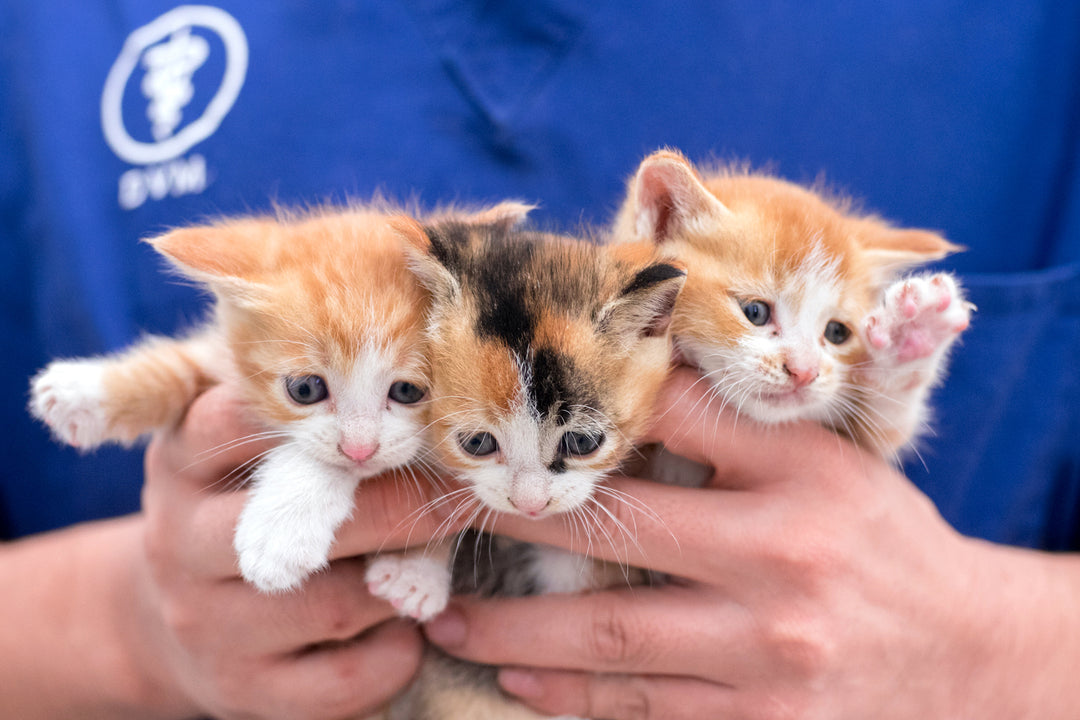
For example, kittens need cat food that contains a balanced amount of protein, calcium, and phosphorus essential for their growth.
Adult cats require less energy than kittens, so preventing obesity is important. Especially after spaying or neutering, they tend to gain weight, so high-protein, low-calorie cat food is recommended.
Also, elderly cats benefit from low-calorie, easily digestible cat food. Consider semi-moist or wet complete and balanced food.
Choose based on ingredients and nutritional components
Also pay attention to the ingredients and nutritional content of cat food.
Although often listed in small print on the packaging, it's important to choose products where the ingredients are specified as concretely as possible. For instance, instead of "meat," it's more reassuring to see specifics like "chicken" or "meat (chicken, turkey)."
Choose products with fewer synthetic additives
In Japan, the "Pet Food Safety Law (Act on Ensuring the Safety of Feeds for Companion Animals)" sets strict rules for ingredient labeling, manufacturing methods, and additive content. The manufacture, sale, and import of cat food that does not comply with these rules are prohibited.
Therefore, it's generally assumed that cat food containing additives that could significantly harm a cat's health is not sold. Additives play a role in preserving the quality of cat food, so "additive-free" cat food isn't necessarily always better.
However, there are concerns about carcinogenicity with certain synthetic antioxidants such as BHT, BHA, and ethoxyquin, as well as synthetic colorants like Red No. 102 and Yellow No. 5. If you're unsure which to choose, opt for cat food with fewer synthetic additives.
|
【Related Articles】 |
Choose according to your cat's preference and ease of eating
Cats have highly individual preferences when it comes to food. Also, the shape and size of cat food that is easy to eat vary for each cat, so it's recommended to try various types and brands of cat food while observing your cat's reactions.
Suddenly changing cat food can put a strain on their digestive system or cause them to reject it. When switching to new cat food, it's important to gradually mix it in to help them get used to it.
Check storage methods and expiration dates
Cat food should be stored according to the instructions on the package. Generally, it's recommended to store it in an airtight container in a cool, dry place after opening.
Also, if the expiration date is passed, the quality may deteriorate, and mold or insects may appear. To prevent health issues such as food poisoning or allergies, always choose cat food in quantities that can be consumed before the expiration date. Individually packaged options are also recommended.
|
【Related Articles】 |
Summary

Your cat's basic main food is "complete and balanced food". Choosing cat food directly impacts your cat's health, so be sure to consider the following points when making your selection:
- Choose food appropriate for your cat's age.
- Choose based on ingredients and nutritional components.
- Choose products with fewer synthetic additives.
- Choose according to your cat's preference and ease of eating.
- Check storage methods and expiration dates.
According to Poponeko's research, the most frequently chosen brand by cat owners was "Royal Canin". The results also showed that many owners prioritize "safety, or perceived safety" when choosing cat food, highlighting their dedication to their cats' diets.
For your beloved cat, it's important to know how to choose the right cat food.
|
【Related Articles】 |
Author Profile


![[Written by a Veterinarian] Why Are Cats Picky Eaters? A Thorough Explanation of Causes, Solutions, and Food Selection](http://www.poponeko.jp/cdn/shop/articles/shutterstock_2600037641_c61ac8f4-dd94-4d1e-9cec-6416a721a681.jpg?height=400&v=1756370137)
![[Written by a Veterinarian] What is Therapeutic Cat Food? Explaining How to Choose and Feed It](http://www.poponeko.jp/cdn/shop/articles/shutterstock_2146545975.jpg?height=400&v=1757055124)
![[Written by a Veterinarian] Celebrating Your Cat's Birthday! Choosing Safe "Cakes" and "Special Meals" and Things to Watch Out For](http://www.poponeko.jp/cdn/shop/articles/shutterstock_1968241969_aaed0797-0d45-43de-aed0-7c10696c4ce5.jpg?height=400&v=1784032801)
![[Set] Leaf Ribbon & Scrunchie Cat Collar, Elegant Sakura Pink](http://www.poponeko.jp/cdn/shop/files/2608_00138.jpg?v=1789197917&width=600 "[Set] Leaf Ribbon & Scrunchie Cat Collar, Elegant Sakura Pink")
![[Set Item] Leaf Ribbon & Cat Collar, Petit Fleur, Pink](http://www.poponeko.jp/cdn/shop/files/2608_00405.jpg?v=1789946167&width=600 "[Set Item] Leaf Ribbon & Cat Collar, Petit Fleur, Pink")
![[Set Product] Leaf Ribbon Moda Floribunda & Cat Collar Cotton Ox Carrot](http://www.poponeko.jp/cdn/shop/files/260618_00157.jpg?v=1784451813&width=600 "[Set Product] Leaf Ribbon Moda Floribunda & Cat Collar Cotton Ox Carrot")
![[Set] Leaf Ribbon moda Lydia Lace & Cat Collar Ayakasuri Akane](http://www.poponeko.jp/cdn/shop/files/260618_00159.jpg?v=1784451813&width=600 "[Set] Leaf Ribbon moda Lydia Lace & Cat Collar Ayakasuri Akane")

Leave a comment