

Most cat owners have probably experienced their cat suddenly refusing to eat food they previously enjoyed. This article will explain food faddism in cats.
What is Food Faddism in Cats? | Also Explained: The Difference from Fickle Eating

The Difference Between Food Faddism and Mere Fickleness
Food faddism is when a cat has preferred and non-preferred foods and eats only the preferred ones. A cat's sense of taste develops completely by the age of three months. Cats tend to prefer foods they ate before three months of age, and it becomes difficult for them to accept new foods introduced after that. Experiences during eating are also crucial; if there is a negative memory (e.g., force-feeding or tube-feeding), the cat will avoid the food eaten at that time.
On the other hand, not eating due to fickleness is based on the cat's mood at the time and does not involve avoiding specific foods.
Which Cats Are More Prone to Food Faddism? | Also Their Personality
Since cats prefer foods they ate during kittenhood, they may develop food faddism if they only ate a limited variety of foods during that period. Additionally, timid cats may become particular about their food and eating environment.
|
【Related Articles】 |
Main Causes of Food Faddism in Cats

Impact of Food Type and Feeding Method
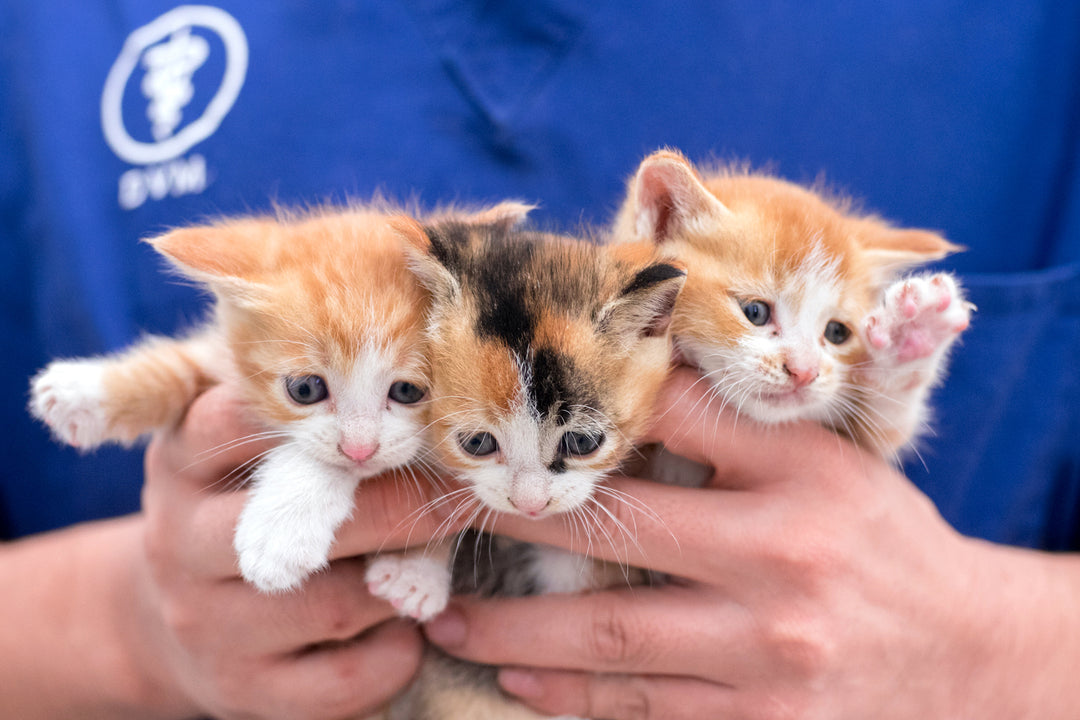
A cat's food preferences are said to be established by around three months of age. They tend to prefer foods they ate during that period, and it becomes difficult for them to accept other foods. Therefore, if you start raising a kitten with only a specific type of food, it may develop food faddism. Conversely, if you give too many treats just because they enjoy them, the cat may stop eating its regular food. It is necessary to expose them to various foods when they are young.
|
【Related Articles】 |
Stress and Changes in Living Environment
It is believed that if a cat has an unpleasant experience while eating, it associates that experience with the food. For example, if food was forcibly put into its mouth with a syringe for force-feeding, the memory of the syringe being forced into its mouth and the taste of the food at that time become linked. Even after force-feeding ends, the cat will reject that food. Additionally, if a cat experiences something frightening, such as a loud noise, during mealtime, it may not be able to eat peacefully and will associate that food with fear. Stress and environment can also make cats more prone to food faddism.
Changes in Appetite Due to Illness or Aging
When digestive function declines due to illness or aging, appetite itself decreases, but cats become more selective, choosing only the foods they want. For example, a cat that used to eat dry food might only eat wet food. Also, brain diseases can cause a change in food preferences.
Strategies to Improve Food Faddism in Cats

Is Food Rotation Effective?
Even cats can get bored of the same food. Food rotation is effective when they get bored and stop eating. Food rotation involves regularly changing the type or brand of food, but it is not always necessary. If food rotation is done too frequently, it may encourage food faddism.
Food rotation should be done infrequently, such as once every three months. Instead of sudden changes, transition gradually over about two weeks by mixing small amounts of the new food with the old food. Food rotation is effective for cats using therapeutic diets, as regularly changing the brand of the therapeutic diet can help them continue eating it.
Incorrect food rotation involves changing food immediately when the cat gets bored or rotating frequently. This approach teaches the cat to expect changes, making them more finicky. Therefore, food rotation is not always necessary unless it's for maintaining appetite due to illness.
|
【Related Articles】 |
Revisiting the Eating Environment | Bowls and Location are Also Important
Cats won't enjoy their food if they don't have a secure eating environment. In particular, in places where they have negative memories, they may even refrain from eating altogether.
Cats' eating area should be as quiet as possible. In multi-cat households, there's a higher chance of other cats taking their food, so for cats with poor appetites, provide a separate eating space. If cats that don't get along eat close to each other, it can lead to fights or situations where they can't eat. Securing space between cats is also important.
The bowl is also important. Many cats prefer ceramic bowls. Conversely, stainless steel bowls tend to be less preferred. Therefore, it's necessary to pay attention to the material of the bowl and adjust its height with a stand.
Gradually Introducing "Step-by-Step Transition Method"
If the food type changes suddenly, cats may not recognize it as food. Therefore, food transitions need to be approached carefully. The "step-by-step transition method," which involves gradual changes, is effective.
Food transitions should take about two weeks. Gradually mix small amounts of the new food into the old food, and slowly increase the amount. Start with about 10% of the total food, and if the cat eats it, increase the amount by 10% at a time. If the cat leaves the new food, try reducing the proportion of the new food. If you switch to another food just because the cat doesn't eat it, the cat will learn to expect tastier food.
Warning! When to See a Veterinarian

Not Eating for Several Consecutive Days
Cats are vulnerable to fasting. Especially in obese cats, if they fast for more than two days, a liver disease called "hepatic lipidosis" can occur, which can be life-threatening. Therefore, if a cat hasn't eaten for two days, you should take it to a veterinarian. Also, if there are symptoms other than loss of appetite, such as vomiting, diarrhea, lethargy, or inability to urinate, seek veterinary attention immediately.
Sudden Weight Loss
If your cat is eating but losing weight, the first possibility to consider is that they might not be getting enough food. Other possibilities include poor nutrient absorption or a metabolic disorder. If increasing the food amount doesn't change anything, a veterinary examination will be necessary.
Accompanied by Vomiting or Diarrhea
If symptoms such as vomiting or diarrhea appear, it's possible there's an abnormality in the digestive system. The issue might not just be related to food.
What You Can Do to Prevent Food Faddism in Cats

Introduce Diverse Tastes and Textures from Kittenhood
A cat's sense of taste develops around three months of age. Accustoming them to various tastes and textures during this time can help prevent food faddism. In particular, getting them used to therapeutic diets can make the transition to such diets smoother in the future. Some kitten classes even advise feeding small amounts of therapeutic food.
Excessive Treats and Toppings are a No-Go
If you add treats or toppings just because your cat isn't eating, they will learn to refuse food without them. Some cats will even hold out until treats appear. Treats should only be given as a reward.
Family Should Unify Feeding Methods
If even one family member spoils the cat, the cat will only accept food from that person. Cats love people who give them tasty food. The family should standardize how they give food and treats. Especially when using therapeutic food, the feeding method can affect the treatment's effectiveness. No matter how cute and demanding they are, owners sometimes need to be firm and not spoil them.
Summary

Food faddism in cats stems from their early diet and living environment. Furthermore, continuously giving in to a cat's demands can lead to them becoming increasingly spoiled. It's important to address food faddism firmly. Since illness can also cause difficulty eating, consulting a veterinarian is necessary.

![[Written by a Veterinarian] What is Therapeutic Cat Food? Explaining How to Choose and Feed It](http://www.poponeko.jp/cdn/shop/articles/shutterstock_2146545975.jpg?height=400&v=1757055124)
![[Written by a Veterinarian] Celebrating Your Cat's Birthday! Choosing Safe "Cakes" and "Special Meals" and Things to Watch Out For](http://www.poponeko.jp/cdn/shop/articles/shutterstock_1968241969_aaed0797-0d45-43de-aed0-7c10696c4ce5.jpg?height=400&v=1784032801)
![[Veterinarian's Guide] Cat Escape Prevention Measures: Creating a Safe and Comfortable Environment](http://www.poponeko.jp/cdn/shop/articles/shutterstock_2035199633.jpg?height=400&v=1725783884)
![[Veterinarian's Guide] Preparing Your Cat for a Safe Time Alone at Home](http://www.poponeko.jp/cdn/shop/articles/shutterstock_1398782681.jpg?height=400&v=1726749748)
![[Set Product] Leaf Ribbon & Cat Collar - Gingham Check Green](http://www.poponeko.jp/cdn/shop/files/DSC00113_9928b03b-5bce-4bf5-b54f-3a4ef263fb16.jpg?v=1780663891&width=600 "[Set Product] Leaf Ribbon & Cat Collar - Gingham Check Green")
![[Set Item] Leaf Ribbon & Cat Collar: Vidro - Akane](http://www.poponeko.jp/cdn/shop/files/2608_00401.jpg?v=1789826564&width=600 "[Set Item] Leaf Ribbon & Cat Collar: Vidro - Akane")
![[Set] Leaf Ribbon - Sunny Mimosa & Scrunchie Cat Collar - MUJI Belgian Linen - Mustard](http://www.poponeko.jp/cdn/shop/files/2608_00411_b02e5118-d247-450a-94cd-97dbd7e27b54.jpg?v=1790033858&width=600 "[Set] Leaf Ribbon - Sunny Mimosa & Scrunchie Cat Collar - MUJI Belgian Linen - Mustard")
![[Set product] Leaf Ribbon Fleurage Pink & Cat Collar Belgian Linen Pink Beige](http://www.poponeko.jp/cdn/shop/files/2608_00120.jpg?v=1789197487&width=600 "[Set product] Leaf Ribbon Fleurage Pink & Cat Collar Belgian Linen Pink Beige")
![[Set] Leaf Ribbon Fleurage Blue & Cat Collar Belgian Linen Orange](http://www.poponeko.jp/cdn/shop/files/2608_00122.jpg?v=1789197487&width=600 "[Set] Leaf Ribbon Fleurage Blue & Cat Collar Belgian Linen Orange")
![[Set Item] Leaf Ribbon & Cat Collar, Petit Fleur, Mint](http://www.poponeko.jp/cdn/shop/files/2608_00406.jpg?v=1789946167&width=600 "[Set Item] Leaf Ribbon & Cat Collar, Petit Fleur, Mint")
Leave a comment