

Many cat owners want to feed their beloved felines delicious and healthy food.
While it's ideal to choose high-quality cat food, "additives" are a concern. There's a general perception that additives are bad for health.
This time, we will focus on cat food additives, discussing what types of additives exist, their effects, and the relationship between cat food and additives in detail.
What are cat food additives?
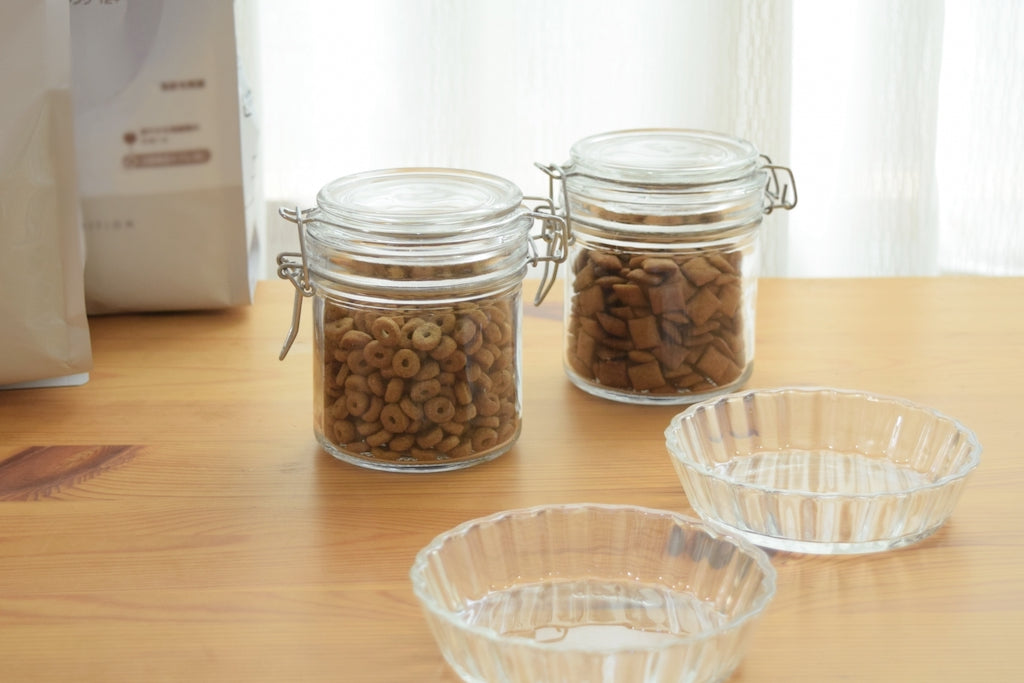
Cat food additives can be broadly divided into "additives for nutritional balance," "additives for quality preservation," and "additives for palatability."
Let's examine the role of each type of additive.
Additives for nutritional balance
Nutrients that cats cannot synthesize in their bodies must be obtained from cat food. For example, cats cannot convert vegetable carotene into vitamin A, so they need to get vitamin A from cat food.
- Vitamins
- Minerals
- Amino acids
Additives for quality preservation
These are added to prevent degradation and ensure that cats can enjoy their food. They prevent oxidation and spoilage, thereby protecting the cat's health.
- Antioxidants
- Preservatives
- Emulsifiers
- Humectants
- pH adjusters
Additives for palatability
These additives are used to improve a cat's appetite and make the food more enjoyable. They serve to thicken cat food or give it a soft texture. Colorants and curing agents may also be used to make the food look more appealing.
- Thickening agents and stabilizers
- Leavening agents
- Curing agents
- Colorants
Synthetic and natural additives
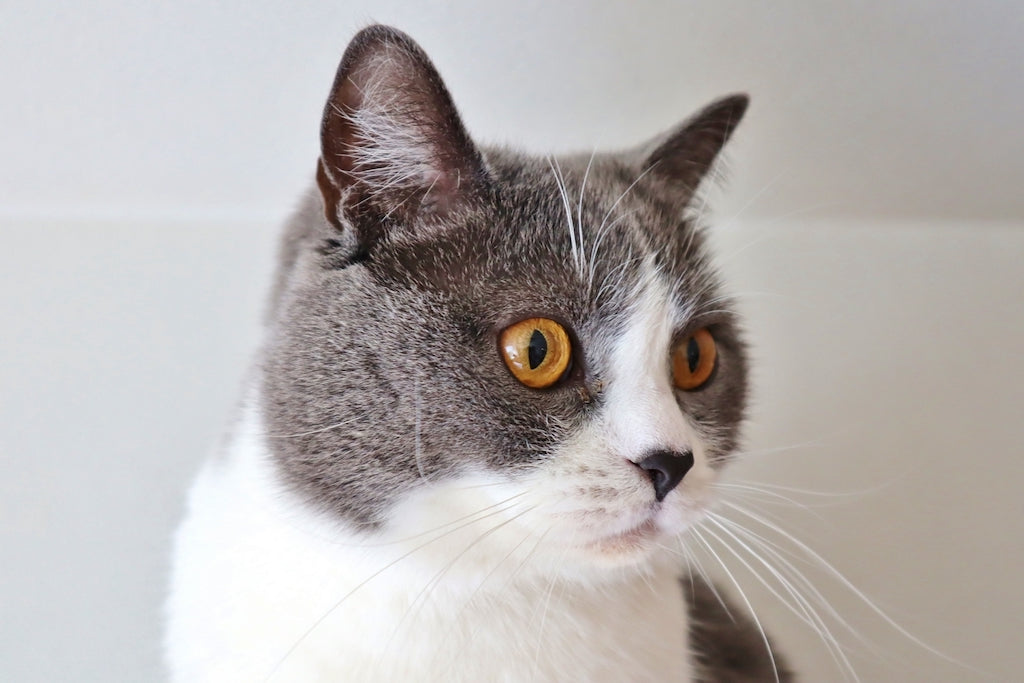
Additives can be further classified into "synthetic additives" and "natural additives."
Synthetic additives are man-made, while natural additives are naturally occurring, derived from natural sources.
Many pet owners are particularly concerned about "antioxidants," "preservatives," and "colorants." Let's learn about their synthetic and natural forms.
Antioxidants
Dry food contains a lot of fats, making it prone to oxidation. Oxidation can cause the food to lose its aroma and taste. Antioxidants are indispensable for preventing food degradation.
<Synthetic antioxidants>
- BHA (butylated hydroxyanisole)
- BHT (butylated hydroxytoluene)
- Ethoxyquin
- Ascorbic acid
- Propyl gallate
<Natural antioxidants>
- Ascorbic acid (Vitamin C)
- Mixed tocopherols (Vitamin E)
- Rosemary extract
"Preservatives"
Used to prevent spoilage. Not commonly used in dry food.
<Synthetic preservatives>
<Natural preservatives>
Research on natural preservatives is not very advanced...
"Colorants"
The color of meat and fish, which are raw materials for cat food, can vary depending on the season and origin. Therefore, colorants are used to stabilize the appearance. Incidentally, cats judge palatability more by smell than by appearance, so they are not very particular about how it looks.
<Synthetic colorants>
- Red No. 2
- Red No. 102
- Yellow No. 5
- Blue No. 2, etc.
<Natural colorants>
- Titanium dioxide
- Iron oxide
- Monascus color
- Marigold
- Lycopene, etc.
Are additives dangerous?
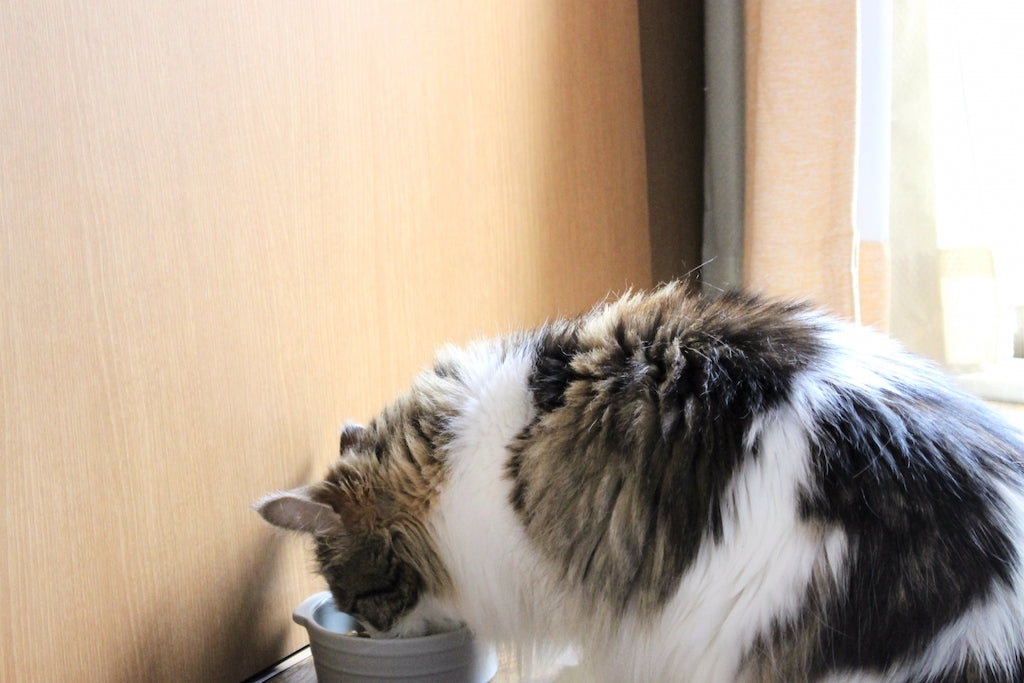
The dangerous image likely comes from synthetic additives.
Synthetic additives were developed to improve the preservation of cat food, so they have stronger preservative properties than natural additives. However, some additives have been associated with a risk of carcinogenicity.
The safety of cat food is regulated by the "Pet Food Safety Law," which strictly defines prohibited additives and maximum usage limits. Public institutions also conduct checks, so you can rest assured in that regard.
Effects of additives on cats
Cats are smaller than humans, so they are considered more susceptible to the effects of additives. Even though safety is protected by law, it's natural to be concerned about what they consume. Here are some of the risks associated with synthetic additives:
・BHA, BHT, Ethoxyquin
These are said to carry a risk of carcinogenicity, and their maximum usage limits are stipulated by the Pet Food Safety Law.
・Propyl Gallate
This component is also used in butter, cosmetics, and pharmaceuticals. There are concerns about its potential to cause liver damage.
・Sodium nitrite
Also used in ham and sausages. Carcinogenicity has been pointed out, and maximum usage limits are stipulated by the Pet Food Safety Law.
・Synthetic colorants
These are said to carry risks of carcinogenicity and allergies.
Pet Food Safety Law
To ensure the safety of pet food, such as cat food and dog food, the "Act on Ensuring the Safety of Pet Food" (Pet Food Safety Law) was enforced in Japan in June 2009.
The display methods for raw materials and manufacturing methods are strictly regulated, and the manufacture, sale, and import of products that do not comply with these rules are prohibited.
For additives that require caution, upper limits are set based on scientific knowledge. This ensures that even if cat food is eaten daily, it will not cause health problems.
Since Japanese cat food is protected by law, it can be assumed that no cat food contains additives that would harm a cat's health.
How to check for additives in cat food
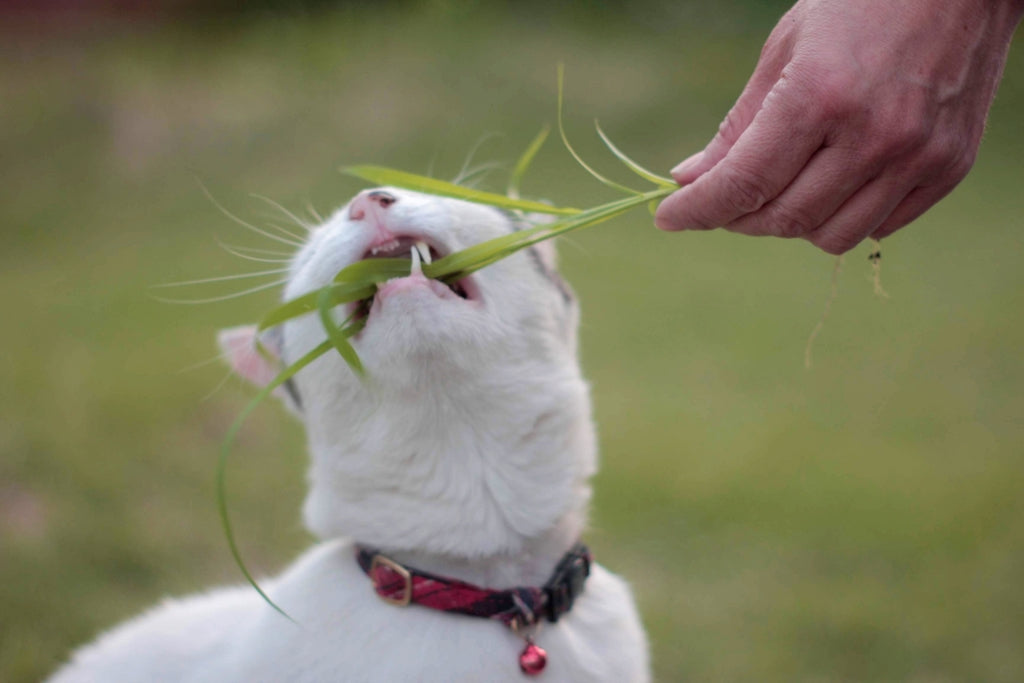
The raw ingredients contained in cat food can be checked on the package's display section.
According to the Pet Food Safety Law, pet food manufacturers are obligated to list all raw ingredients, including additives.
Therefore, for preservatives, antioxidants, thickening agents, sweeteners, curing agents, and colorants, both their purpose and name are clearly stated. Additionally, ingredients are listed in descending order of content by weight.
For example, if the label says "Meats (chicken, turkey), rice, wheat, corn...", it means that meats (chicken, turkey) are the most abundant ingredients in that cat food.
When choosing cat food, a clear listing of all ingredients, including additives, is an important point to check.
What is additive-free cat food?
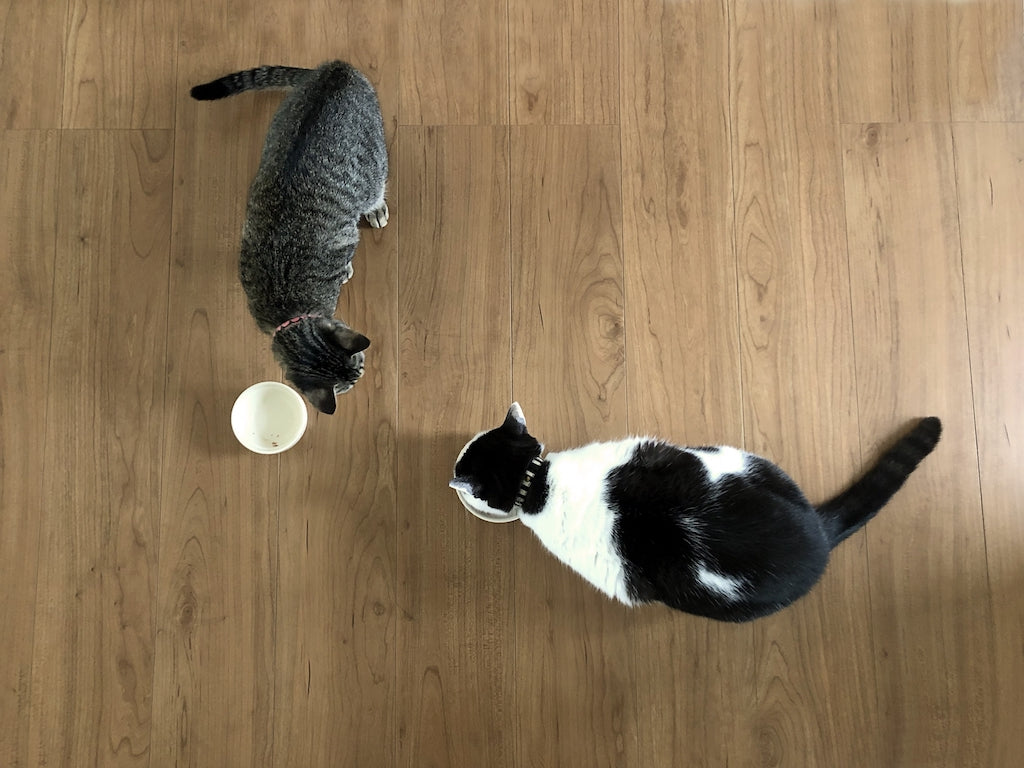
Additive-free cat food refers to food that does not use the types of additives discussed so far.
While "additive-free" generally evokes an image of safety and healthiness, the absence of antioxidants and preservatives means it degrades more quickly.
Since it's more susceptible to mold and bacterial growth, careful storage is essential. Some products may even need to be airtight and refrigerated. Improper storage can lead to vomiting or diarrhea, and a loss of flavor can make cats less willing to eat, which are important disadvantages to keep in mind.
Also, additive-free cat food tends to be more expensive. If it strains your finances, you might worry about covering your cat's medical expenses when needed.
Since food is a daily necessity, it's important to choose the best cat food for both your cat and yourself.
Summary
While additives often carry a connotation of being "unhealthy," not all additives are harmful. Additives play a role in preventing the oxidation and spoilage of cat food, thereby protecting a cat's health.
Avoiding additives is one option. However, what's important is to understand that additives are used for specific purposes and to choose cat food that offers optimal nutritional balance for your cat.
Whether your cat enjoys the food is also a crucial factor in choosing cat food.
While there are many concerns regarding a cat's diet, we want to choose cat food with the cat's best interest at heart.
Author Profile


![[Written by a Veterinarian] Why Are Cats Picky Eaters? A Thorough Explanation of Causes, Solutions, and Food Selection](http://www.poponeko.jp/cdn/shop/articles/shutterstock_2600037641_c61ac8f4-dd94-4d1e-9cec-6416a721a681.jpg?height=400&v=1756370137)
![[Written by a Veterinarian] What is Therapeutic Cat Food? Explaining How to Choose and Feed It](http://www.poponeko.jp/cdn/shop/articles/shutterstock_2146545975.jpg?height=400&v=1757055124)
![[Written by a Veterinarian] Celebrating Your Cat's Birthday! Choosing Safe "Cakes" and "Special Meals" and Things to Watch Out For](http://www.poponeko.jp/cdn/shop/articles/shutterstock_1968241969_aaed0797-0d45-43de-aed0-7c10696c4ce5.jpg?height=400&v=1784032801)
![[Set] Leaf Ribbon & Scrunchie Cat Collar - Vidro Akane](http://www.poponeko.jp/cdn/shop/files/2608_00413.jpg?v=1789826564&width=600 "[Set] Leaf Ribbon & Scrunchie Cat Collar - Vidro Akane")

![[Set] Leaf Ribbon "Fleurage" Pink & Cat Collar "Belgian Linen" Wine Rose](http://www.poponeko.jp/cdn/shop/files/2608_00119.jpg?v=1789197487&width=600 "[Set] Leaf Ribbon \"Fleurage\" Pink & Cat Collar \"Belgian Linen\" Wine Rose")
![[Set] Leaf Ribbon & Cat Collar - Gingham Check Orange](http://www.poponeko.jp/cdn/shop/files/DSC00109_9b2822dd-1b99-4744-982e-5a48c8c1f667.jpg?v=1780663891&width=600 "[Set] Leaf Ribbon & Cat Collar - Gingham Check Orange")
![[Set] Leaf Ribbon & Scrunchie Cat Collar Champ de Fleurs Pink](http://www.poponeko.jp/cdn/shop/files/DSC00086_92430f49-b816-4514-8687-7fd9a6e57988.jpg?v=1780663183&width=600 "[Set] Leaf Ribbon & Scrunchie Cat Collar Champ de Fleurs Pink")
![[Set] Leaf Ribbon & Cat Collar - Tartan Check Trench Beige](http://www.poponeko.jp/cdn/shop/files/2606_00015.jpg?v=1785759845&width=600 "[Set] Leaf Ribbon & Cat Collar - Tartan Check Trench Beige")
Leave a comment