

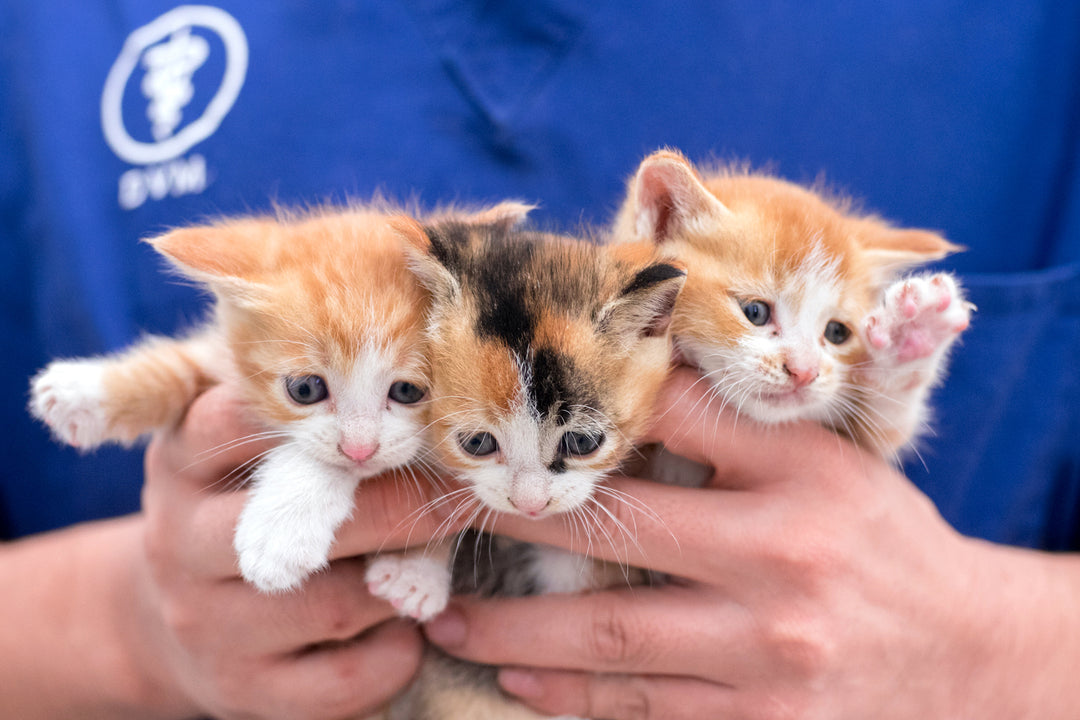
Even lively kittens are still prone to illness. Their immune systems are weak, so infections are a concern, and they can also experience diarrhea or vomiting.
Moreover, cats are creatures that are sensitive to "stress." Because kittens are small, they are especially sensitive to stress.
When do kittens experience stress? In this article, we will explain in detail the causes of kitten stress, the behaviors and symptoms they exhibit when stressed, and how to relieve their stress.
What Causes Stress in Kittens?
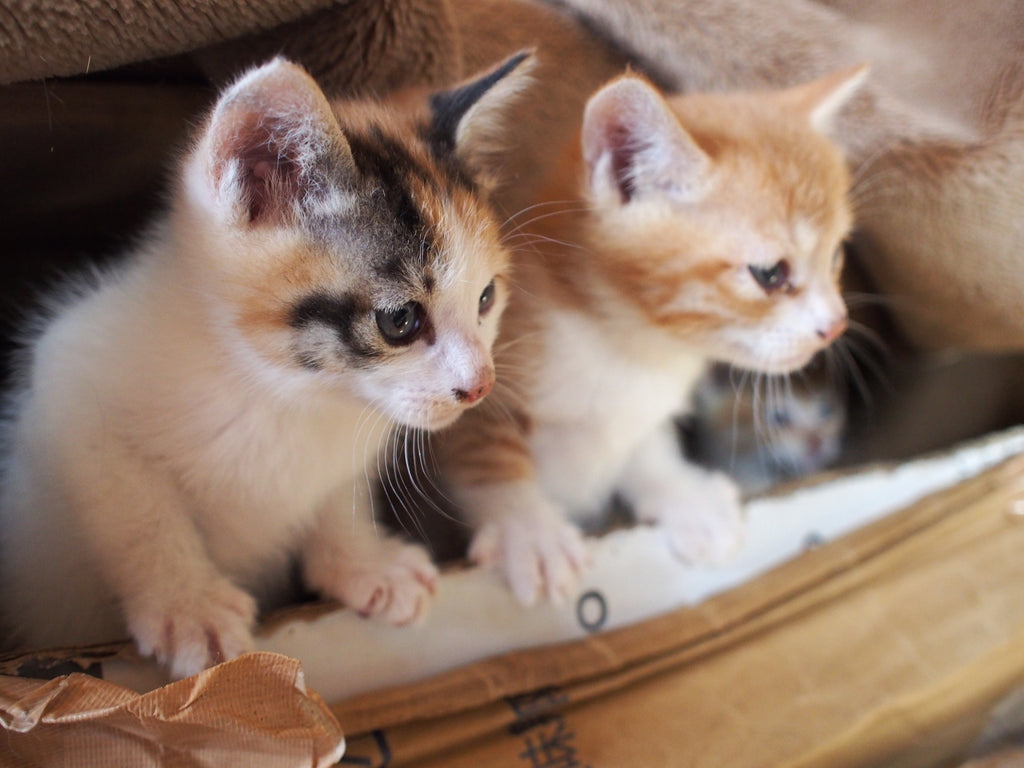
Even playful and fearless kittens can instinctively experience stress from things they dislike.
Living Environment Unsuitable for Cats
The first thing to consider is the "living environment." For indoor-only cats, a comfortable environment is crucial.
Even if the owner is comfortable, certain aspects can be a source of stress for cats. An understanding of feline habits is necessary to create a suitable living environment.
Loud Noises
Because cats have excellent hearing, they experience fear and stress from loud noises. Kittens, in particular, may dislike the sounds of vacuum cleaners or hair dryers, which they encounter for the first time.
Insufficient Exercise
Rather than just space to run around, cats need an environment where they can engage in vertical movement, such as with a cat tree or cat walkway. Lack of exercise can lead to stress.
No Place to Be Alone and Relax
Cats love small, dark places. It's a remnant of their instinct to hide from predators, so they feel safe in places where they can burrow. Without a private space to relax, they will constantly feel anxious and restless.
Inability to Scratch
Even small kittens instinctively scratch. While part of it is for nail care, scratching itself helps relieve stress.
Uncomfortable Litter Box
An uncomfortable litter box, a dirty litter box, or disliking the cat litter are all causes of stress that can lead to difficulty with elimination.
Excessive Physical Contact from the Owner
Even an affectionate kitten doesn't want to be constantly doted on all day. There are times when they want to play and times when they want to sleep alone.
If the owner dotes too much or has excessive physical contact, the kitten can feel fatigued and stressed.
Conversely, some kittens may become stressed if they don't receive enough attention. It's important to observe your kitten's personality and interact with them at an appropriate distance.
|
[Related articles here] |
Environmental Changes
Kittens are very sensitive to changes in their environment. When you first get a kitten, they may be prone to illness until they adjust to their new surroundings.
Also, even in a comfortable living environment they've grown accustomed to, moving or rearranging furniture can change the atmosphere of their space and cause stress. Visitors, the arrival of a baby, or adding another pet can also be stressful.
Cats generally dislike leaving their territory, so staying at a pet hotel or going to the vet can also be stressful. For a stay of one to two nights, it might be less stressful for them to stay home alone.
|
[Related articles here] |
Don't Miss Your Kitten's Stress Signals!
When a kitten is stressed, changes in their behavior and physical condition become noticeable. Make sure not to overlook these stress signals.
Kitten Behaviors When Stressed
What might seem like mere mischief or behavioral problems could actually be caused by stress.
Excessive Grooming
When cats feel stressed, they perform grooming (licking their fur) to calm themselves. If the source of stress isn't removed, they may continue licking, leading to bleeding or skin inflammation.
Many owners are concerned about lick granuloma (licking dermatitis) caused by excessive grooming.
Furthermore, if stress is severe, some cats may engage in self-mutilation, such as pulling out fur, causing bald spots, persistent scratching, or biting their tails.
Lack of Energy
A kitten may lose energy due to stress, leading to behaviors such as not playing, sleeping all the time, or not scratching.
Increased Accidents Outside the Litter Box
A kitten that used to urinate and defecate in the litter box may start having accidents outside of it. This often happens when the litter box location or type of litter changes, or when another cat or family member joins the household.
Becoming Aggressive
Stress can make a kitten irritable and aggressive towards its owner or other cats in the household. Problem behaviors like hissing, biting, and scratching might be due to severe stress.
Suddenly Running Around
If stress continues to build up and cannot be effectively released, behaviors known as "vacuum activities" may be observed, such as suddenly running around in the middle of the night or jumping at nothing. This is said to be caused by a lack of exercise.
Symptoms of Stress in Kittens
Kittens can also experience loss of appetite or gastrointestinal symptoms due to stress. Since this can be life-threatening, consult a veterinarian.
Loss of Appetite
If your kitten has less appetite than usual or isn't drinking water, stress might be the cause. It could also be a symptom of an underlying illness, so always observe their food and water intake.
Vomiting and Diarrhea
Furthermore, when feeling stressed, a kitten's gastrointestinal tract may weaken, leading to vomiting or diarrhea, or symptoms like constipation or blood in the urine.
Hair Loss
Stress in cats often manifests as skin problems. Be alert for symptoms such as increased dandruff, red skin, or increased shedding.
Kitten Stress Relief Methods
While it may be difficult to eliminate all sources of stress, you can create an environment that helps your kitten relieve stress effectively. Learn how indoor-only cats can effectively release stress.
Provide a Place for Vertical Movement
Ensure a minimum amount of space for your cat to run and play.
To help alleviate lack of exercise, install cat trees or cat walkways, allowing your cat to climb to higher places.
Create a Safe Space
Provide several narrow and dark places where your cat can retreat.
By making a carrier or crate a relaxing space, you can also reduce stress during vet visits or travel. It can also serve as an emergency shelter during disasters, so it's important to get them accustomed to it beforehand.
Optimize Eating and Litter Box Environment
Choose a quiet location for your cat to eat and use the litter box in peace. Install multiple water bowls so they can always have fresh water. Also, it's reassuring to have one more litter box than the number of cats.
If you have multiple cats living together, try to separate their eating and litter box areas, considering their individual personalities.
Engage in Instinct-Stimulating Play
Cats are animals that have lived by hunting, so they love hunting-stimulating games. Use toys like wand toys or string toys to play with them for about 10-30 minutes daily.
Spending time deepening communication through brushing is also important. However, some cats dislike physical contact, so it's important not to overdo it.
Also, allow them to scratch freely. Since cats have preferences for scratching posts, it's good to provide a few options to find their favorite.
▼Example of a comfortable indoor environment for cats
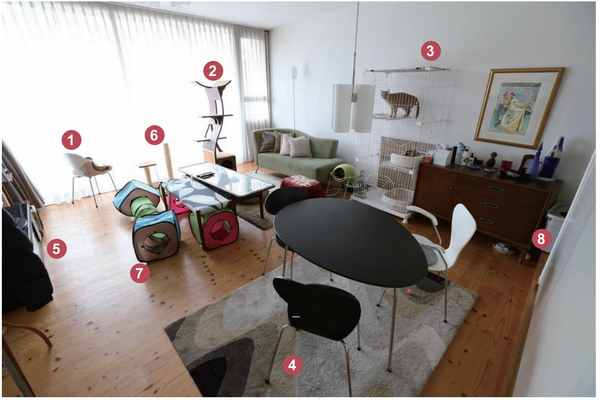
Quoted from: Ministry of the Environment"Proper Cat Adoption Guidebook: Creating a Comfortable Indoor Environment for Cats"
Summary
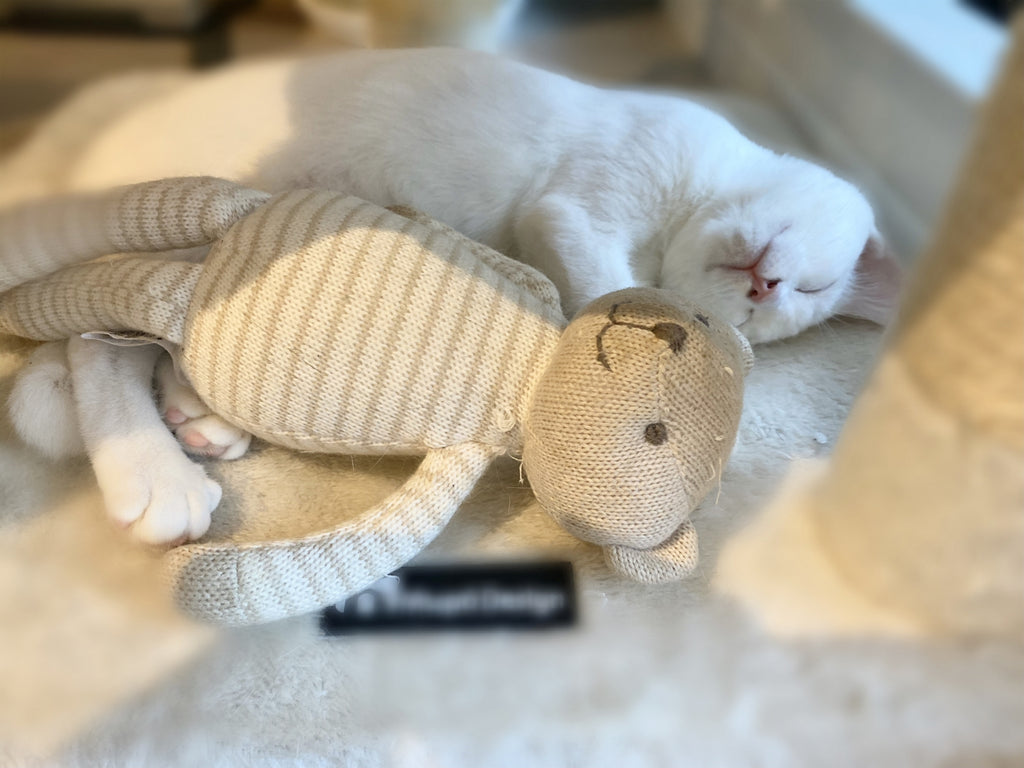
For kittens and all cats, creating a suitable living environment and interacting with them appropriately is essential.
Even cats that seem laid-back can be surprisingly prone to stress. If stress cannot be released effectively, it manifests as behavioral problems or health issues. Kittens, in particular, are highly susceptible to stress, and even minor stress can lead to illness.
Many cats engage in excessive grooming due to stress, which can lead to hair loss, bald patches, or dermatitis from licking until they bleed.
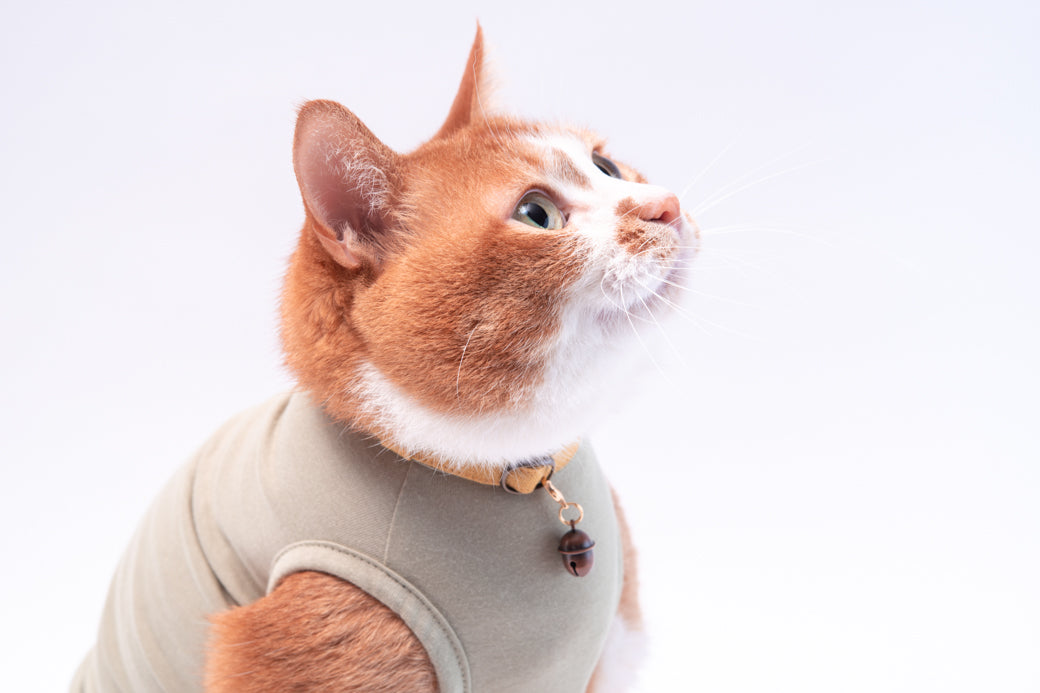
In consultation with a veterinarian, it's important to remove the sources of stress and create an environment where stress can be relieved, using protective cat clothing or Elizabethan collars.
Observe your cat's condition regularly, review your lifestyle, and provide a "cat-first" environment that is comfortable for your cat.
Author Profile


![[Vet-supervised] Cat hates wearing a collar? Reasons why and how to get them used to it](http://www.poponeko.jp/cdn/shop/articles/a0fdc9ee82de7f01afb932f1e1e60236_da240718-be68-4e99-8a8c-64449f63d83e.jpg?height=400&v=1780975808)

![[Set] Leaf Ribbon & Scrunchie Cat Collar, Gingham Check, Mint Green](http://www.poponeko.jp/cdn/shop/files/DSC00097_ec1013c6-36d0-4a06-98f1-521390c83f11.jpg?v=1780663891&width=600 "[Set] Leaf Ribbon & Scrunchie Cat Collar, Gingham Check, Mint Green")
![[Set Product] Leaf Ribbon & Scrunchie Cat Collar - Champ de Fleur Light Green](http://www.poponeko.jp/cdn/shop/files/DSC00088_9d993016-a552-497a-a7bd-05e1b7a11408.jpg?v=1780663183&width=600 "[Set Product] Leaf Ribbon & Scrunchie Cat Collar - Champ de Fleur Light Green")
![[Set Product] Leaf Ribbon by Moda Salutations & Cat Collar by MUJI Cotton Plain - Koubai](http://www.poponeko.jp/cdn/shop/files/260618_00176.jpg?v=1784451813&width=600 "[Set Product] Leaf Ribbon by Moda Salutations & Cat Collar by MUJI Cotton Plain - Koubai")
![[Set] Leaf Ribbon & Scrunchie Cat Collar, Elegant Sakura Pink](http://www.poponeko.jp/cdn/shop/files/2608_00138.jpg?v=1789197917&width=600 "[Set] Leaf Ribbon & Scrunchie Cat Collar, Elegant Sakura Pink")
Leave a comment