

A usually quiet cat suddenly starts meowing loudly in the middle of the night. It seems irritable and restless. It urinates outside the litter box...
Such troubling behaviors may be a sign that your cat is in "heat."
For cat owners whose cats are about to go into heat, and for those struggling with behavioral issues during this period, we've compiled some basic knowledge about cats in heat.
There's a lot you should know about your cat's heat cycle, including the age and season it begins, and the specific symptoms and behaviors.
We'll also explain what you, as a cat owner, should pay attention to.
What is a cat's heat cycle?
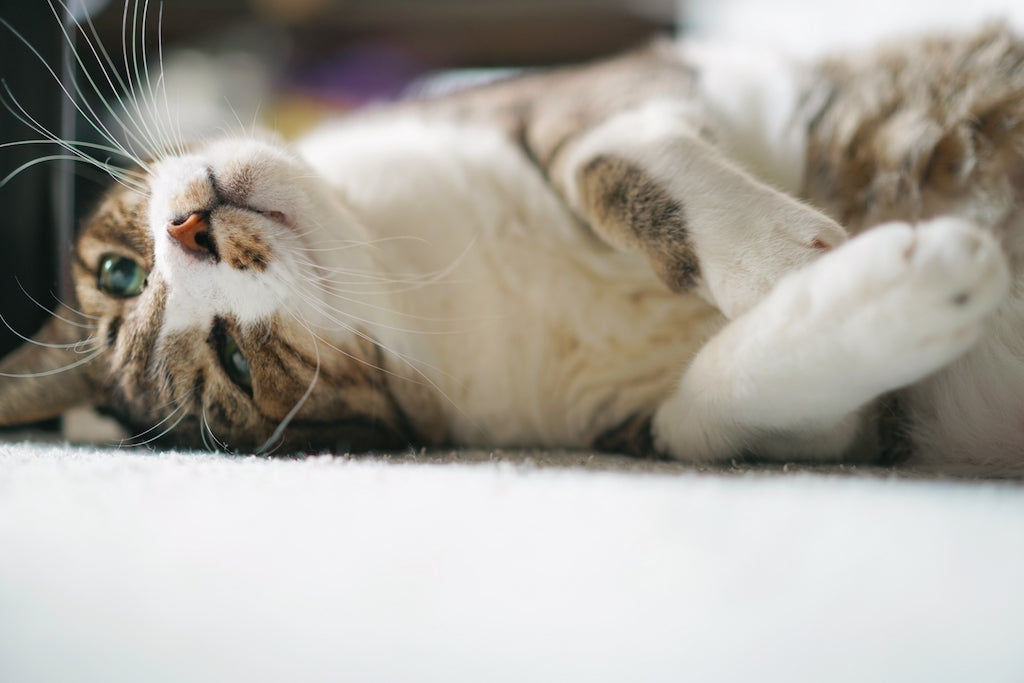
A cat's "heat cycle" is the period when they seek to mate due to the instinct to reproduce.
When your cat suddenly starts meowing loudly in an unfamiliar way, or urinates in various places, you might think, "Is it sick!?", but these are normal behaviors for a mature cat, so there's no need to worry.
A cat's heat cycle begins when the female goes into heat. When the conditions are right, the female cat comes into heat, and the male cat's heat is triggered by the characteristic pheromones and meows of the female.
When is a cat's heat cycle?

Most mammals have a specific breeding season within the year, during which they go into heat. Cats are no exception.
Let's learn about the age when cats first go into heat and the period when they are in heat.
Age when a cat's heat cycle begins
Female cats typically experience their first heat cycle around 6 to 8 months of age. There is a great deal of individual variation; some may begin as early as 4 months, while others may not go into heat until they are 2 years old.
Male cats typically experience their first heat cycle around 9 to 12 months of age, but they may exhibit mating-like behaviors such as mounting or hip-thrusting from around 3 months old.
If they are not spayed or neutered, their heat cycle will continue throughout their lives.
Season when cats go into heat
Cats are "seasonally polyestrous" animals, meaning they have specific seasons when they go into heat. This is an instinctive strategy to give birth during warm seasons when it is safe to raise offspring.
A female cat's heat cycle is thought to be influenced by daylight hours, and they go into heat in spring (February to April) and summer (June to August) when the daylight hours exceed 14 hours a day. While heat cycles typically occur twice a year, in warmer regions, they may occur three times a year.
Duration of a cat's heat cycle
A female cat's heat cycle lasts approximately 14 to 21 days. If mating does not occur during this period, the next heat cycle will begin in 2 to 3 weeks.
Female cat heat (estrus) and behaviors
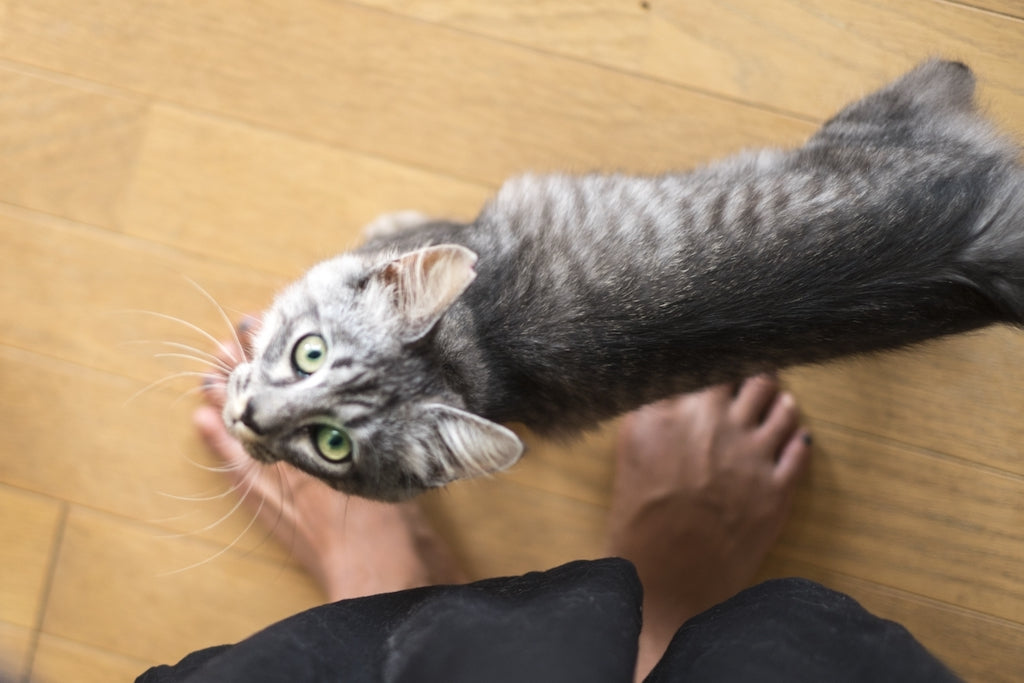
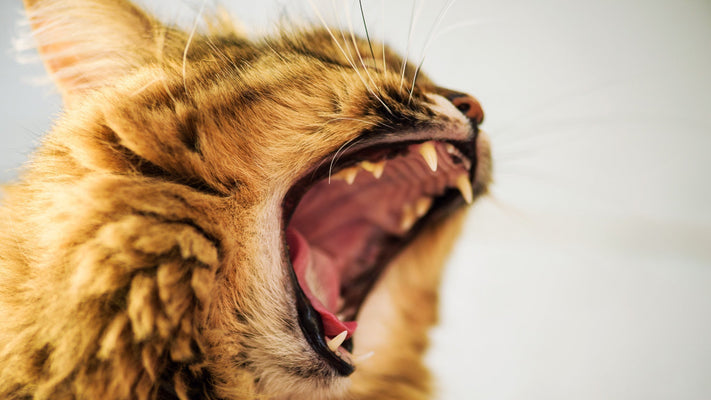
A cat's characteristic "naaaooo," "ooooaaannn," or "gyaaaoooaan" howling-like meows during heat.
This is how female cats signal their location to male cats. And, in response to this love call, male cats also meow loudly...
Many people may have experienced being woken up by cat meows in the early morning. In fact, in addition to these loud meows, there are other "signs of heat."
Do cats also have heat (estrus)?
While heat (estrus) is a sign of estrus, female cats do not have a "period."
This is because cats are "induced ovulators," meaning ovulation occurs in response to mating stimuli, rather than cyclically like humans or dogs. Since there is no bleeding like a period, you might not notice when your cat goes into heat.
Signs of estrus in female cats
Female cats will appeal to male cats and show they are ready to mate.
・Loss of appetite
They become active in the proestrus phase, but their appetite may decrease.
・Clingy behavior
They rub their bodies against their owners to leave their scent and pheromones.
・Rubbing face and body against various objects
They try to mark their scent in various places to assert their presence.
・Loud meowing
They meow loudly, like a howl, to let male cats know their location.
・Raising their hindquarters (lordosis)
This is a preparation for accepting a male cat. They may raise their hindquarters and sway their hips, or even tread with their feet.
・Urine spraying
They urinate outside the litter box to attract male cats.
Signs of estrus in male cats
Male cats will act assertively and may become aggressive to win over rivals.
・Becoming aggressive
During the heat cycle, they are easily agitated and may bite their owners. Fights between cats also increase.
・Loud meowing
Male cats also meow loudly, like howling, in response to female cats' meows.
・Urine spraying
They mark their territory outside the litter box to assert their presence.
・Wanting to go outside
Even indoor cats may impulsively try to escape in response to the sounds and smells of female cats in heat.
Managing a cat's heat cycle
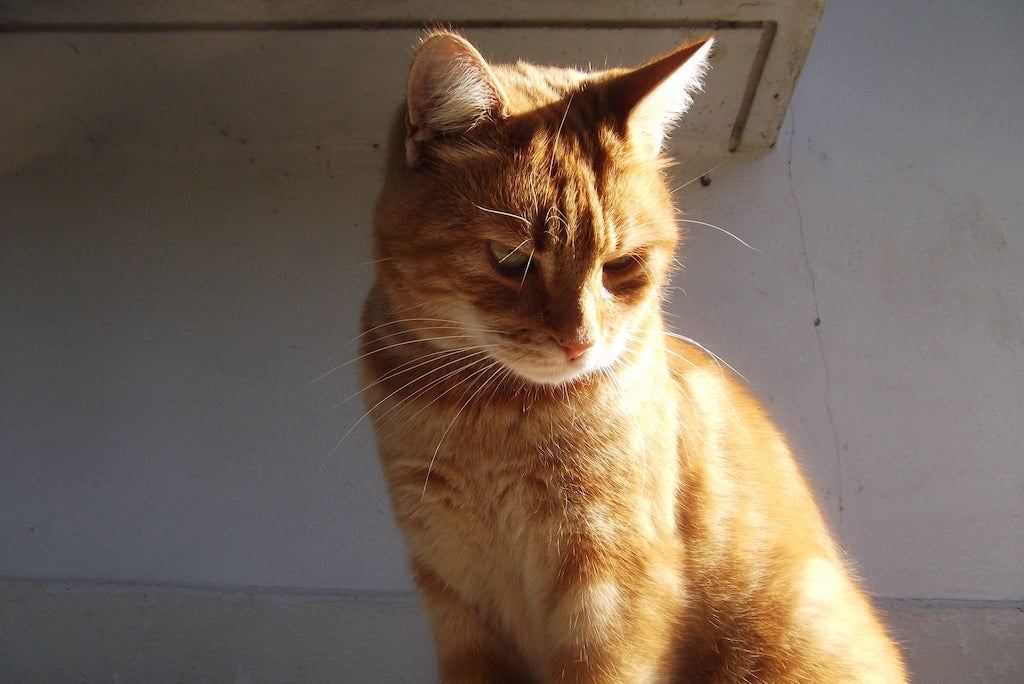
Cats in heat are often very emotionally unstable. This is a period when they are prone to problematic behaviors, and their meows and odors can become a nuisance to neighbors.
If you don't plan to breed, we recommend having your cat spayed or neutered before their first heat cycle.
While spaying or neutering may not eliminate all problematic behaviors during heat, the benefits of preventing hormone-related diseases are significant.
Even indoor cats need heat cycle management
Even indoor cats may respond to the sounds and smells of cats in heat outside, leading to excessive meowing and spraying behaviors.
Immediate measures for managing the heat cycle include "blocking their view of outside," "relieving stress through play," and "increasing the number of scratching posts."
During the heat cycle, cats are easily agitated and experience pent-up stress, so it's important to create a suitable living environment and help them release that stress effectively.
Summary
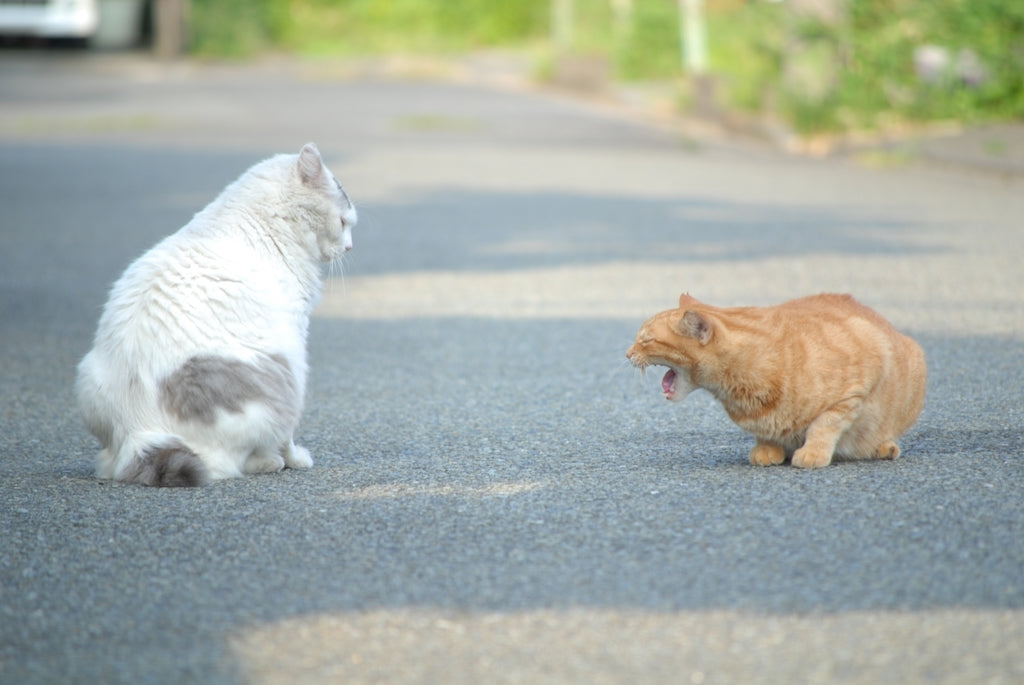
A cat's heat cycle occurs twice a year, in spring (February to April) and summer (June to August). First, female cats go into heat.
Female cats howling loudly, spraying urine, and marking their territory with pheromones encourage male cats to go into heat.
The heat cycle is driven by breeding instinct and is a very natural occurrence. However, if aggressive behavior becomes pronounced or there's a risk of escape, consider spaying or neutering.
To ensure both cats and their owners can live stress-free, it's important to understand the cat's heat cycle correctly and take appropriate measures.
Author Profile


![[Vet-supervised] Cat hates wearing a collar? Reasons why and how to get them used to it](http://www.poponeko.jp/cdn/shop/articles/a0fdc9ee82de7f01afb932f1e1e60236_da240718-be68-4e99-8a8c-64449f63d83e.jpg?height=400&v=1780975808)

![[Set] Leaf Ribbon - Moda Old World Yuletide & Cat Collar - MUJI Cotton Plain Autumn Sky](http://www.poponeko.jp/cdn/shop/files/260618_00174.jpg?v=1784451812&width=600 "[Set] Leaf Ribbon - Moda Old World Yuletide & Cat Collar - MUJI Cotton Plain Autumn Sky")
![[Set] Leaf Ribbon & Cat Collar - Arabesque Swirl, Teal](http://www.poponeko.jp/cdn/shop/files/2608_00118.jpg?v=1789044775&width=600 "[Set] Leaf Ribbon & Cat Collar - Arabesque Swirl, Teal")
![[Set] Leaf Ribbon moda Lydia Lace & Cat Collar Ayakasuri Akane](http://www.poponeko.jp/cdn/shop/files/260618_00159.jpg?v=1784451813&width=600 "[Set] Leaf Ribbon moda Lydia Lace & Cat Collar Ayakasuri Akane")
![[Set] Leaf Ribbon & Cat Collar - Hannari Sakura Purple](http://www.poponeko.jp/cdn/shop/files/2608_00128.jpg?v=1789197917&width=600 "[Set] Leaf Ribbon & Cat Collar - Hannari Sakura Purple")

Leave a comment