

Cats soothe us with their adorable gestures. Even just sitting there, they are irresistibly cute.
But did you know that those "sitting postures" actually have names and meanings?
In this article, we'll focus on cat sitting positions and explain what they reveal about your cat's mood. It's a must-read for owners who want to understand how their cat is feeling!
What Your Cat's Sitting Posture Says About Their Mood
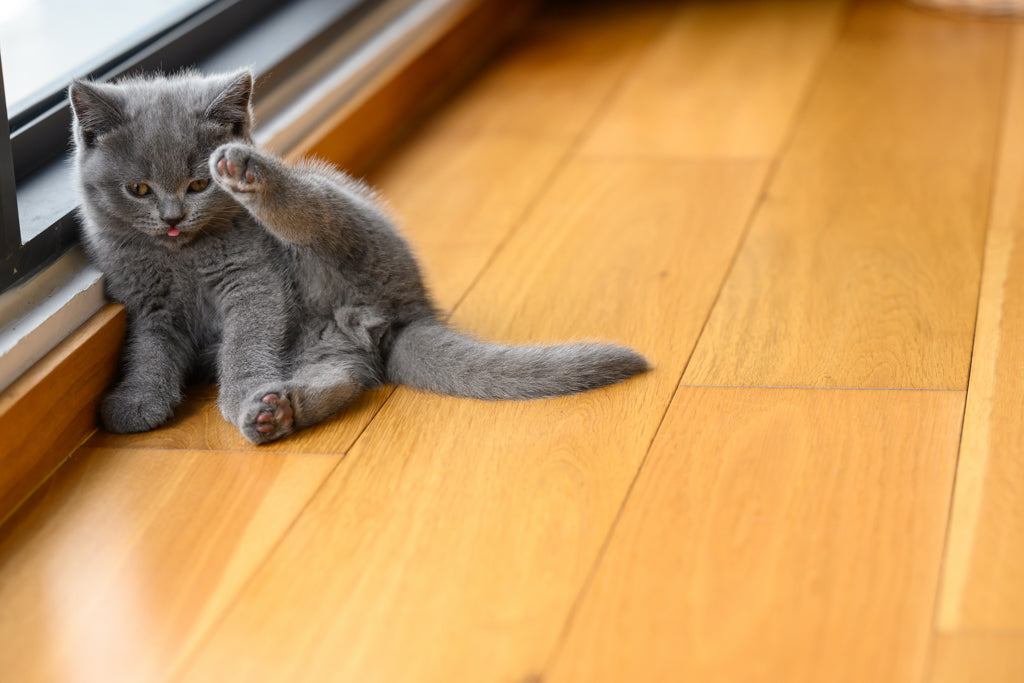
There are six representative sitting postures for cats.
- Loaf (Kobako)
- Sphinx
- Side-sit
- Egyptian
- Tail-wrap
- Scottish Fold Sit (Sco-sit)
Actually, you can read your cat’s level of relaxation or alertness from how they sit. Since each has a name, we will explain them in detail.
Loaf (Kobako)
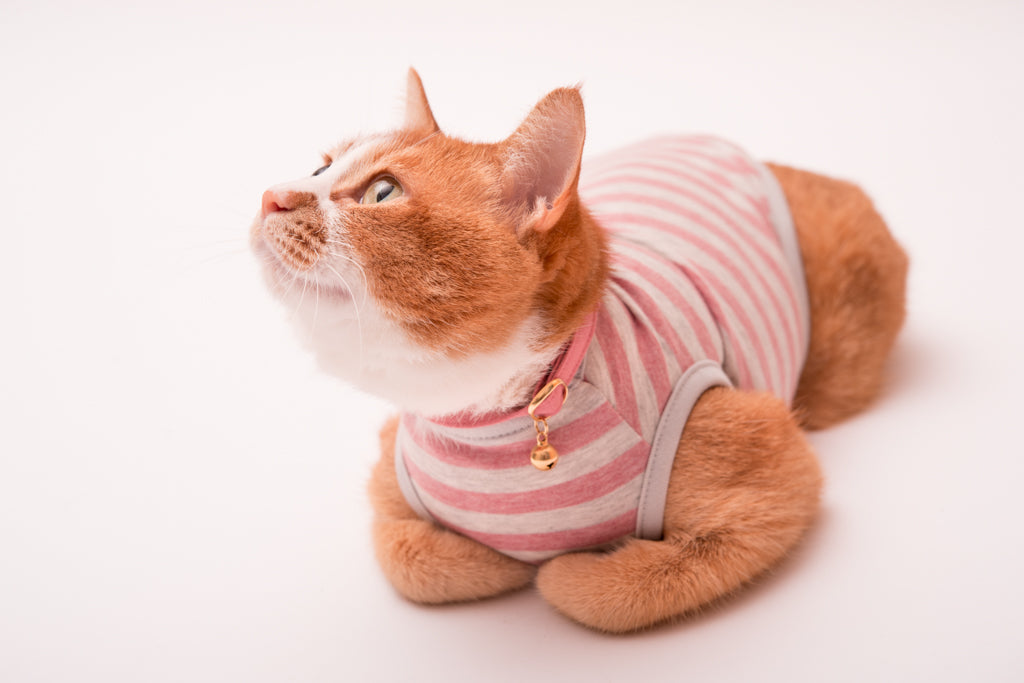
The Loaf (or "Kobako-zuwari" in Japanese) is named after the traditional wooden incense boxes that look like rectangular boxes when a cat tucks its limbs underneath.
Because the front and hind legs are neatly tucked away, it's a popular pose on social media often referred to as "no hands."
Since this posture makes it difficult to move quickly, it indicates that the cat is calm and relaxed.
Sphinx
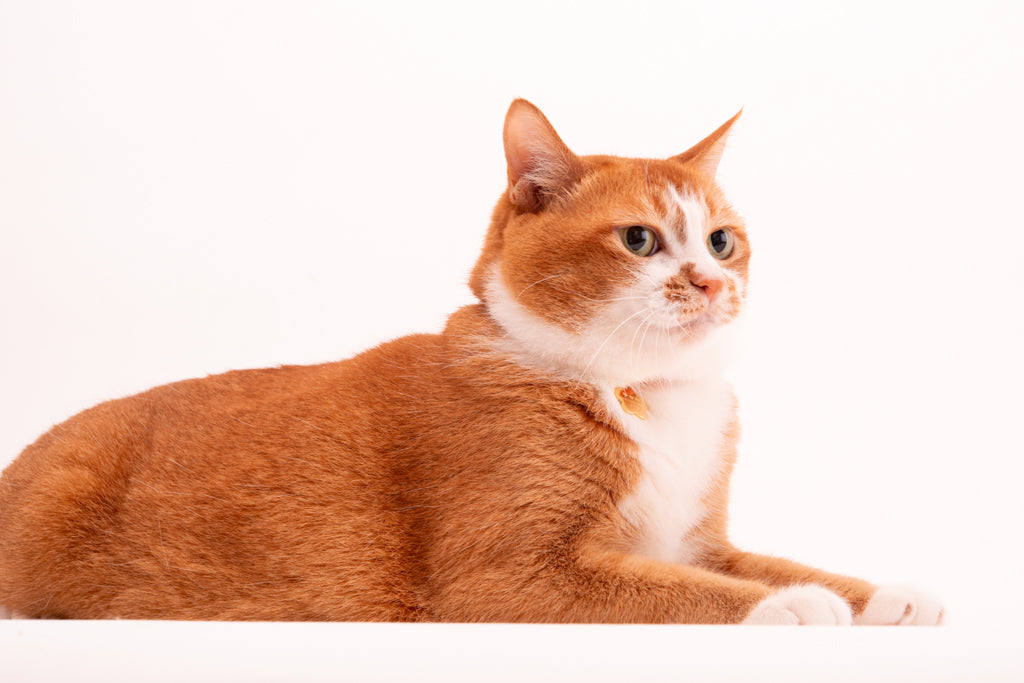
A sitting position similar to a dog lying down is called the "Sphinx." It is named after the Egyptian Sphinx because of their shared posture.
Since the front legs are stretched out, it is easier to move compared to the loaf pose. It suggests a slight sense of alertness. If the front legs are raised slightly, the cat is even more on guard.
However, some cats are not great at the "loaf" pose. Some have trouble tucking their front legs, so you might see a position somewhere between a loaf and a sphinx. It's unique and adorable.
Side-sit
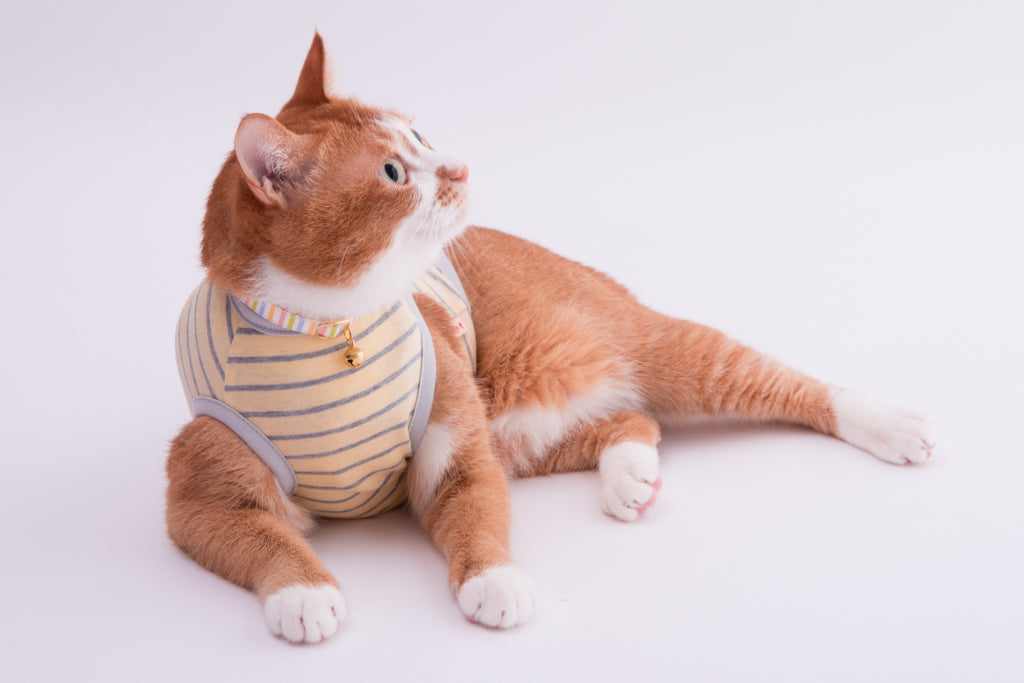
A posture where the cat lies down and shifts its hind legs to one side is called a "Side-sit."
This relaxed, lounging posture indicates deep comfort. If they also stretch out their front paws or rest their chin on the floor, it means they are feeling sleepy.
Many cats will often fall asleep with their bellies exposed in this position, but be careful—they might get annoyed if you suddenly touch their tummy! Just because a cat is exposing their belly doesn't mean it's an invitation to touch it, so be aware.
|
[Related Articles] |
Egyptian
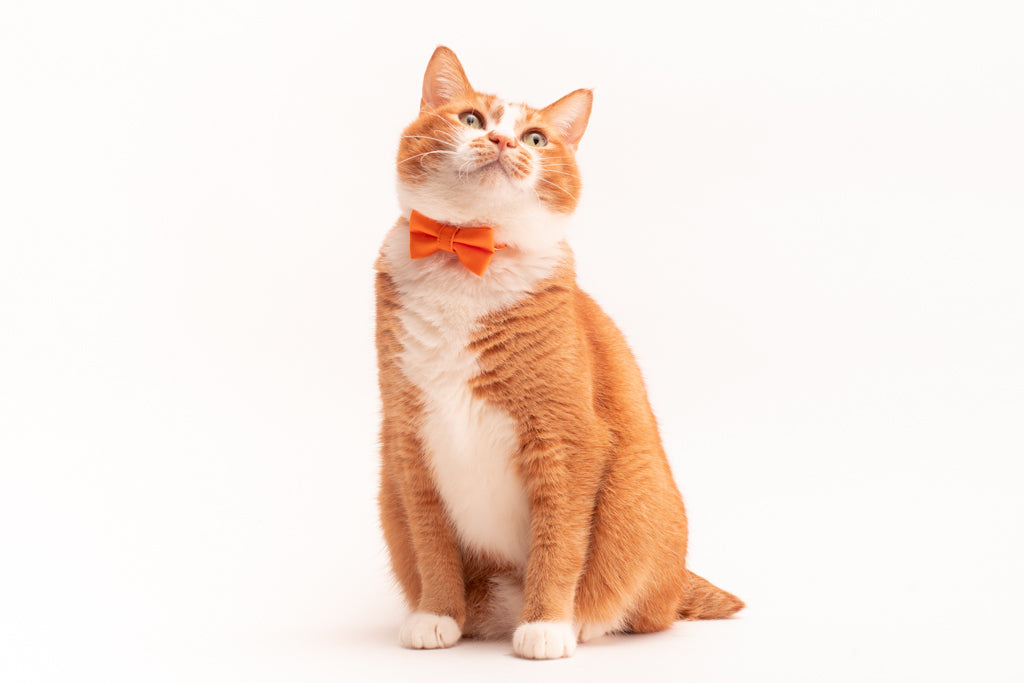
A posture that looks like a dog "sitting" is called an "Egyptian" sit. Like the Sphinx, it is derived from Bastet, the cat-headed goddess in Egyptian mythology.
Because their upper body is upright, they can move quickly if needed. It is a posture that suggests they are monitoring their surroundings.
Tail-wrap

An Egyptian sit where the cat wraps its tail neatly around its feet is called a "Tail-wrap." Sometimes called a "tail scarf" on social media, it highlights the inherent elegance of cats.
This posture is said to be used when a cat is alert or slightly irritated.
On the other hand, there are theories that they do this to keep their tail clean or because they feel cold. If your cat is in a tail-wrap, take a moment to check the room environment.
Scottish Fold Sit (Sco-sit)
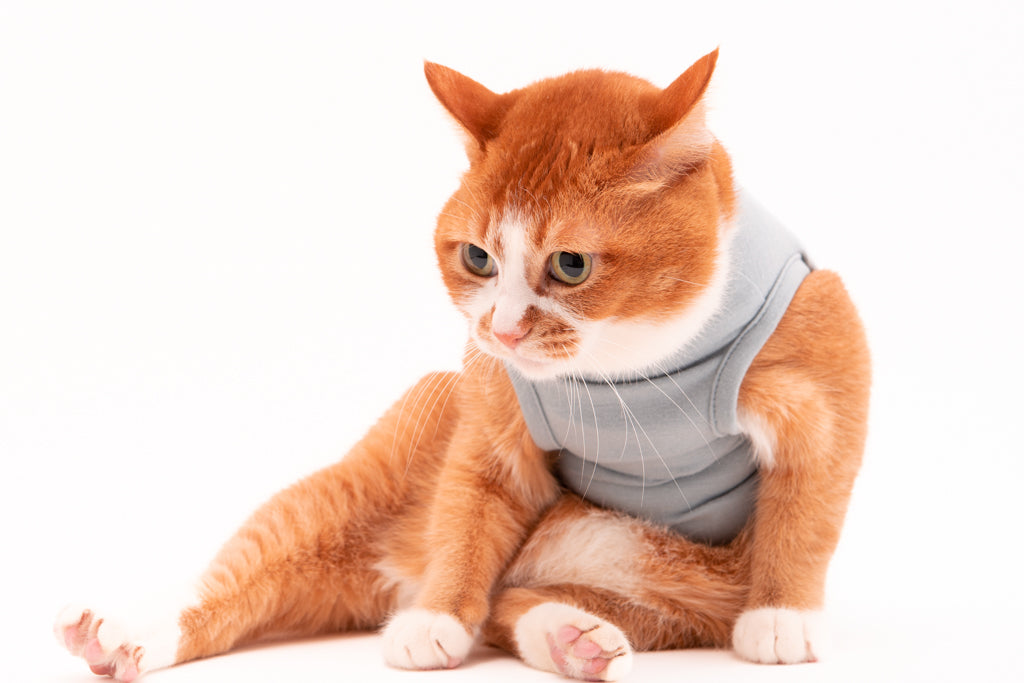
A posture where the cat stretches its hind legs forward like a human is called a "Sco-sit." It's often seen in Scottish Folds, hence the name.
Because of this quirky posture, it's sometimes jokingly called an "old man sit."
Cats other than Scottish Folds also frequently sit this way while grooming. Since their vulnerable belly is fully exposed and they cannot react instantly to movement, it indicates they are very relaxed.
However, they may also sit this way if they are experiencing joint pain. Observe how they walk and their appetite; if anything seems off, consult a veterinarian.
|
[Related Articles] |
Could their posture be a sign of illness?
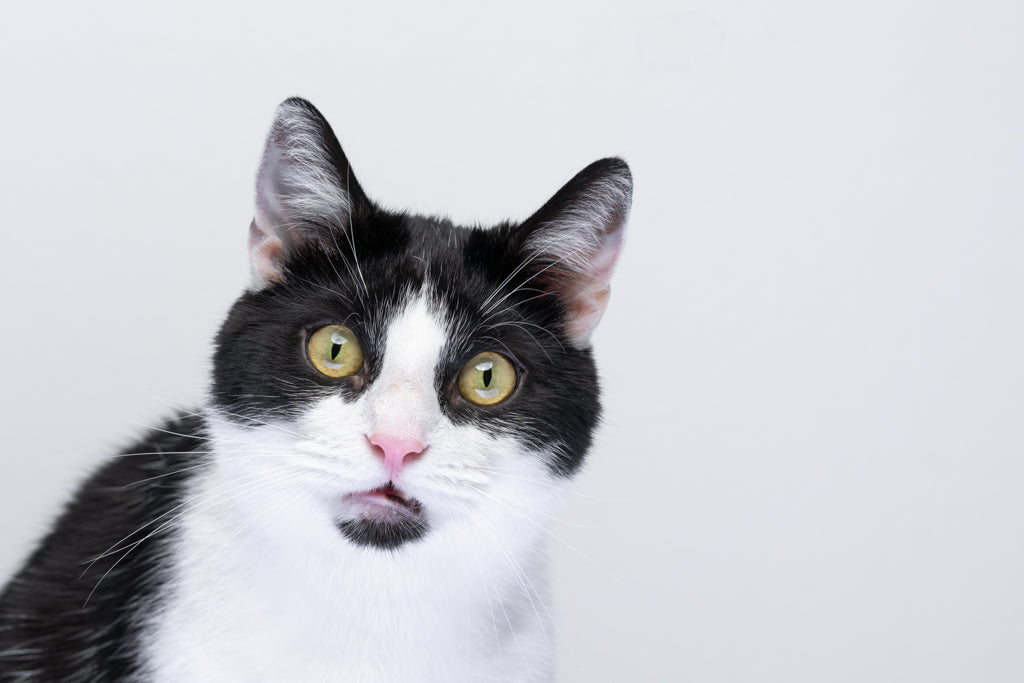
If your cat is sitting in an unusual way, it might be hiding an illness.
Posture is different than usual
If a cat is trying to protect a painful area, they might adopt an awkward sitting posture. Since this could be due to an injury or joint pain from a cat cold, see a vet if you notice something unusual.
Scooting or "Cat Tank"
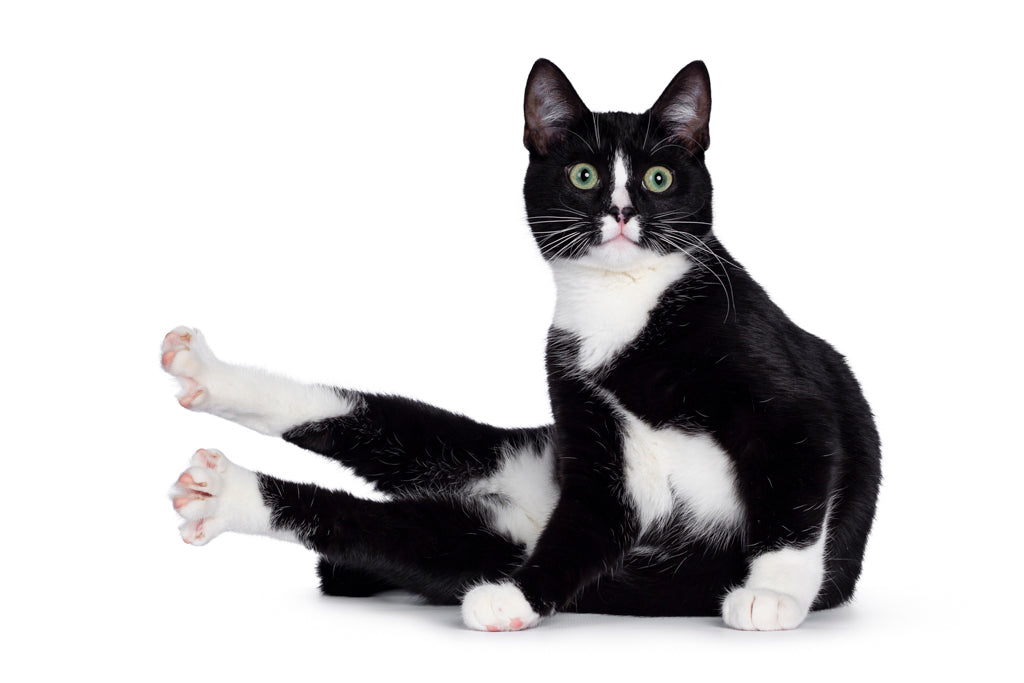
Have you ever seen a cat stretch their legs out and crawl across the floor by dragging their bottom? This is commonly called "scooting" or "cat tank." It may actually be a sign that their anal glands are full.
|
[Related Articles] |
Summary
Every cat sitting posture has a name and a meaning.
Sometimes, these postures can help you detect signs of illness. If you notice any anomalies—such as a posture that is unusual for your cat or if they are hesitant to sit—please consult a veterinarian.
Understanding your cat's current mood makes communication more fun. Much like sitting postures, you can also learn to read your cat's feelings through the movement of their ears and whiskers.
Be sure to keep an eye on your cat's casual little gestures!
|
[Related Articles] |
Author Profile







Leave a comment