
A disease that can be said to be fate for cats is "kidney disease."
Although kidney disease is a life-threatening illness, it is known to be very difficult to detect early. What should cat owners do to protect the health of their beloved cats?
This time, we will explain the symptoms, treatments, and prevention methods of kidney disease in cats in an easy-to-understand manner.
Causes of kidney disease in cats
The reason why cats are prone to kidney disease is thought to be due to their body structure.
The ancestors of cats lived in dry deserts. To survive in an environment with little water, they had to lose as little water as possible from their bodies.
This is where the "kidneys" play an active role.
The kidneys are organs that excrete waste products as urine, maintain the body's water content, and regulate blood pressure.
To effectively utilize water in the body, the kidneys filter blood and produce concentrated urine that contains only condensed waste products. This mechanism is thought to put a strain on the cat's kidneys.
Symptoms of kidney disease in cats
Kidney disease in cats includes "acute kidney injury (acute renal failure)" and "chronic kidney disease (chronic renal failure)."
Symptoms of acute kidney injury (acute renal failure)
Acute kidney injury is a disease in which kidney function rapidly declines due to dehydration, poisoning, infection, or urinary stones.
Symptoms include "no urination," "loss of appetite," "dehydration," and "convulsions," but recovery can be expected if treated at an early stage.
Symptoms of chronic kidney disease (chronic renal failure)
Chronic kidney disease is a disease in which kidney function gradually declines as the kidneys continue to be damaged, eventually becoming dysfunctional.
There are almost no initial symptoms, and it is not uncommon for it to be "quite advanced" by the time it is noticed.
The progression of chronic kidney disease in cats is divided into four stages. It is surprising that there are almost no symptoms until kidney function drops below 25%.
|
Stage |
Kidney function |
Symptoms |
|
Stage 1 |
Approx. 33% |
・No symptoms ・Abnormalities may be found in urine tests |
|
Stage 2 |
Below 25% |
・Increased urination ・Drinks a lot of water |
|
Stage 3 |
Below 10% |
・Bad breath ・Oral ulcers ・Loss of appetite ・Weight loss ・Vomiting ・Diarrhea ・Dull coat |
|
Stage 4 |
Below 5% |
・Worsening uremia, no urination ・Almost unable to get up ・Convulsions ・Decreased consciousness |
|
[Related articles here] |
Beware of polydipsia and polyuria in cats!
"Polydipsia and polyuria" are signs of chronic kidney disease in cats.
When kidney function declines, the cat becomes unable to concentrate urine, and produces large amounts of dilute urine. As a result, the cat becomes dehydrated and drinks a lot of water.
To notice symptoms of polydipsia and polyuria, it is important to observe the amount and frequency of urination and water intake daily. If you notice polydipsia and polyuria, do not wait and visit a veterinary hospital.
|
[Related articles here] |
Treatment for kidney disease in cats
If your cat is diagnosed with kidney disease, what kind of treatment will be necessary?
We will explain the treatment methods for "acute kidney injury (acute renal failure)" and "chronic kidney disease (chronic renal failure)" separately.
Treatment for acute kidney injury (acute renal failure)
If there are acute symptoms, the cat will be hospitalized for treatment. Treatment will be tailored to the cause and symptoms, such as intravenous fluids for dehydration or antibiotics for infection.
The goal is to restore kidney function through early detection and treatment, but if it does not recover, it may progress to chronic kidney disease.
Treatment for chronic kidney disease (chronic renal failure)
Currently, there are no drugs or treatments that can cure chronic kidney disease. Unfortunately, kidney function damaged by chronic kidney disease cannot be restored through treatment.
Treatment for chronic kidney disease primarily focuses on facilitating the excretion of waste products from the blood and slowing the progression of the disease.
・Intravenous fluid therapy
Intravenous fluids are administered to replenish fluids and slow the progression of kidney disease. Since intravenous fluids need to be given at least once a week, owners sometimes administer them at home.
・Dietary therapy
To prevent waste products from accumulating in the body and reduce the burden on the kidneys, a prescription diet for kidney disease that has adjusted amounts of sodium, phosphorus, and protein is given.
・Drug therapy
Medications are prescribed to alleviate symptoms of kidney disease such as proteinuria, anemia, and gastric ulcers. Activated carbon supplements that adsorb waste products may also be prescribed.
・Dialysis treatment
While specialized equipment is necessary, some veterinary hospitals also offer hemodialysis and peritoneal dialysis.
Prevention of kidney disease in cats
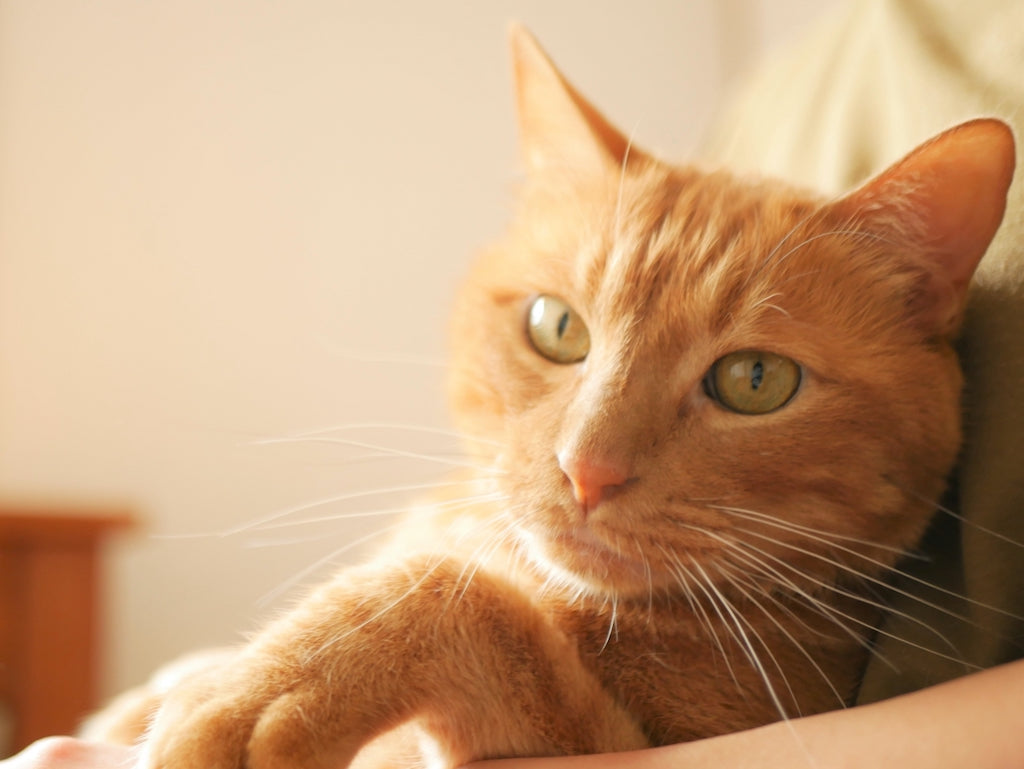
Cats are prone to kidney disease. Moreover, it is difficult to notice and cannot be cured. Let's learn about kidney disease prevention methods so that cats do not suffer from kidney disease.
Increase water intake
To reduce the burden on the kidneys, encourage your cat to drink plenty of water regularly.
This also helps prevent urinary stones, so make efforts to increase water intake by providing multiple water bowls or topping their dry food with wet food.
|
[Related articles here] |
Observe the amount and frequency of urination
Chronic kidney disease can be detected by the "amount of urine." Always observe the amount of urine, and if it increases more than usual, be careful.
Also, changes can be noticed in the color and odor of urine. If symptoms of polydipsia and polyuria appear, the urine will be lighter in color and have less of a distinct odor.
Do not place anything that can cause poisoning
Some things, such as lilies, can cause poisoning and damage the kidneys if ingested by cats.
Always keep your cat's living space clean and do not leave anything that could cause poisoning.
|
[Related articles here] |
Even healthy cats should have a health checkup once a year
Even if there are no particular health problems, have a health checkup once a year. Since the risk of kidney disease increases from around 7 years of age, it is recommended to have a health checkup every six months.
Chronic kidney disease is difficult to notice from the outside because there are no initial symptoms, but it can sometimes be discovered through blood and urine tests.
|
[Related articles here] |
Summary
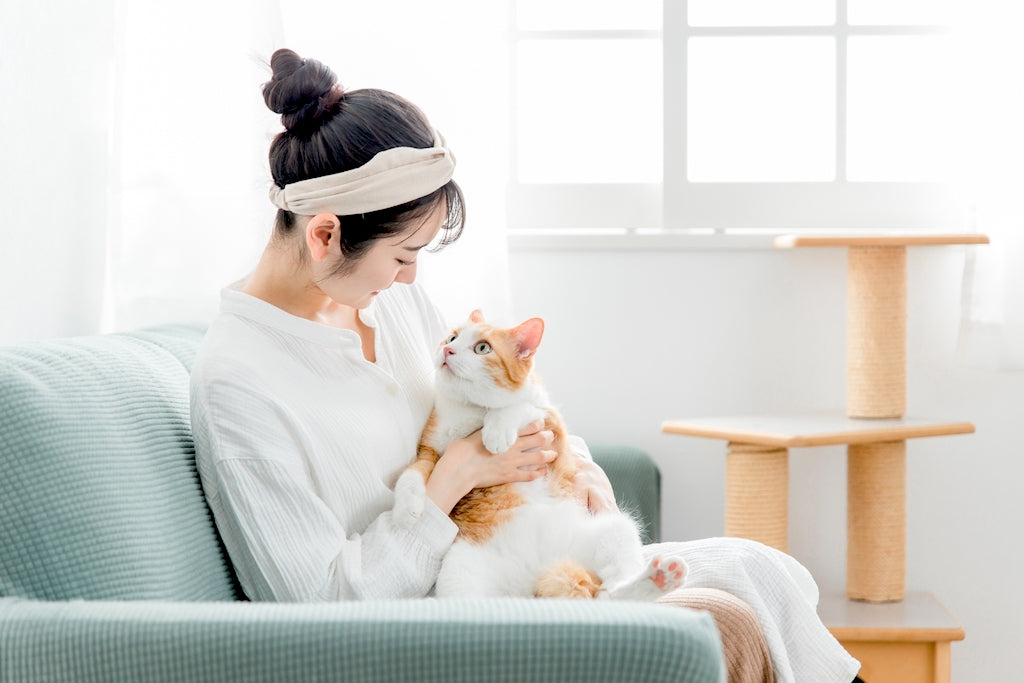
Cats have a habit of hiding their discomfort.
In the wild, if they appear weak or unwell, they are more likely to be targeted by enemies.
Because of this, you might not easily notice changes in your cat's health. Owners have no choice but to observe their cats carefully to avoid missing any abnormalities.
First, start by observing your cat's water intake, and the amount and frequency of urination. Making a note of these in a "Cat Health Journal" will make it easier to notice changes in their health.
Why not introduce a new habit into your life with your cat?
|
[Related products here] |
Author Profile



![Feline Infectious Peritonitis (FIP) Treatment Guide [2024 Edition]: Latest Information and Treatment Options](http://www.poponeko.jp/cdn/shop/articles/shutterstock_1633580878.jpg?height=400&v=1727181737)


![[Set] Leaf Ribbon & Cat Collar - Champ de Fleurs, Raspberry](http://www.poponeko.jp/cdn/shop/files/DSC00099_6b51f9b4-93c7-4c58-b439-108715aa361f.jpg?v=1780663183&width=600 "[Set] Leaf Ribbon & Cat Collar - Champ de Fleurs, Raspberry")
![[Set] Leaf Ribbon moda Star Spangled & Cat Collar Denim Navy](http://www.poponeko.jp/cdn/shop/files/260618_00160.jpg?v=1784451813&width=600 "[Set] Leaf Ribbon moda Star Spangled & Cat Collar Denim Navy")
![[Set] Leaf Ribbon & Scrunchie Cat Collar Champ de Fleurs Pink](http://www.poponeko.jp/cdn/shop/files/DSC00086_92430f49-b816-4514-8687-7fd9a6e57988.jpg?v=1780663183&width=600 "[Set] Leaf Ribbon & Scrunchie Cat Collar Champ de Fleurs Pink")
![[Set] Leaf Ribbon & Cat Collar - Hannari Sakura Pink](http://www.poponeko.jp/cdn/shop/files/2608_00125.jpg?v=1789197917&width=600 "[Set] Leaf Ribbon & Cat Collar - Hannari Sakura Pink")
![[Set] Leaf Ribbon moda Lydia Lace & Cat Collar Ayakasuri Akane](http://www.poponeko.jp/cdn/shop/files/260618_00159.jpg?v=1784451813&width=600 "[Set] Leaf Ribbon moda Lydia Lace & Cat Collar Ayakasuri Akane")

Leave a comment