

It's natural to worry when your beloved cat vigorously scratches its neck with its hind legs. When a cat repeatedly scratches its neck or face with its paws, creating wounds, this is referred to as "head and neck excoriations" or, more simply, "scratched-open wounds." The scary thing about neck problems is that once a wound appears, it's easy for the cat to fall into a vicious cycle of scratching it even more.
This time, a veterinarian will explain the causes of a cat scratching its neck raw, the correct actions owners should take, and preventive measures to protect their cat's skin.
Why? 5 Reasons Why Cats Scratch Their Necks Raw

1. "Infections" such as fleas, ticks, and fungi (mold)
Even indoor cats can get fleas and ticks carried in on their owner's clothes or shoe soles. Also, if they go outside or if a stray cat is taken in, pathogens like fleas, ticks, mites, or fungi can cause skin irritation leading to scratching.
Some of these infections can not only cause itching in humans but also, especially fleas and ticks, can transmit life-threatening diseases.
2. Allergic Dermatitis and Atopic Dermatitis (Non-flea, Non-food Allergic Dermatitis)
Skin inflammation can occur due to food allergies such as beef, dairy products, or fish, or due to house dust or pollen. In cases of allergies, cats tend to scratch intensely around their neck, face, and ears.
If external parasites like fleas, bacteria, and fungi are ruled out, and the condition doesn't improve with hypoallergenic food (elimination diet), it is diagnosed as non-flea, non-food allergic dermatitis, also known as feline atopy, by exclusion.
3. "Stress (Psychogenic)" from environmental changes or anxiety
When cats experience strong stress due to things like the arrival of a new cat, moving, redecorating, or a dirty litter box, they may excessively scratch or persistently lick themselves as a displacement activity to distract themselves, which can lead to dermatitis.
4. Otitis externa
When otitis externa causes itching or discomfort, cats will frequently shake their heads or scratch their face and neck with their paws. Otitis externa is caused by bacteria, fungi, or ear mites, and can lead to a strong odor from the ears, black earwax, or ear discharge.
5. Friction from a hard or heavy "collar" (bald spots / contact dermatitis)
In fact, a very common issue is **skin problems caused by collars**.
This occurs when a hard collar made of synthetic fibers like nylon, or a collar with heavy decorations, rubs against the skin, causing bald spots (alopecia). The cat then feels discomfort and scratches with its hind legs.
Related Articles

Leaving it untreated is dangerous! The vicious cycle of skin problems from scratching the neck raw

"Bacterial infection" leading to bleeding and pus
Many bacteria reside in a cat's claws and mouth. If bacteria enter a wound created by scratching, it can lead to suppuration, making the area gooey and causing severe pain. While fungal infections like Malassezia or dermatophytes themselves don't cause intense itching, if bacterial infection occurs due to scratching, it can cause severe itching, leading to scratching and persistent licking. Bacterial infections can also spread to surrounding healthy skin, potentially causing systemic dermatitis.
When should you go to the vet? What to do when you notice your cat excessively grooming its neck

If there is blood or pus, seek veterinary care immediately.
If the skin is already broken and bleeding, if there is **fluid (exudate)**, or if there is widespread hair loss, do not wait at home; take your pet to the veterinary hospital immediately.
Treatment for scratched-open wounds varies depending on the cause. If a secondary bacterial infection has occurred, it's necessary to use appropriate antibiotics while also addressing the underlying cause. Additionally, depending on the veterinarian's diagnosis, antipruritics, antiparasitics, or psychotropic drugs may need to be considered if the cause is psychological stress.
Physically protect the affected area (Elizabethan collar/protective clothing)
In parallel with treatment, create an environment where the cat cannot physically scratch or lick to prevent further worsening of the wound.
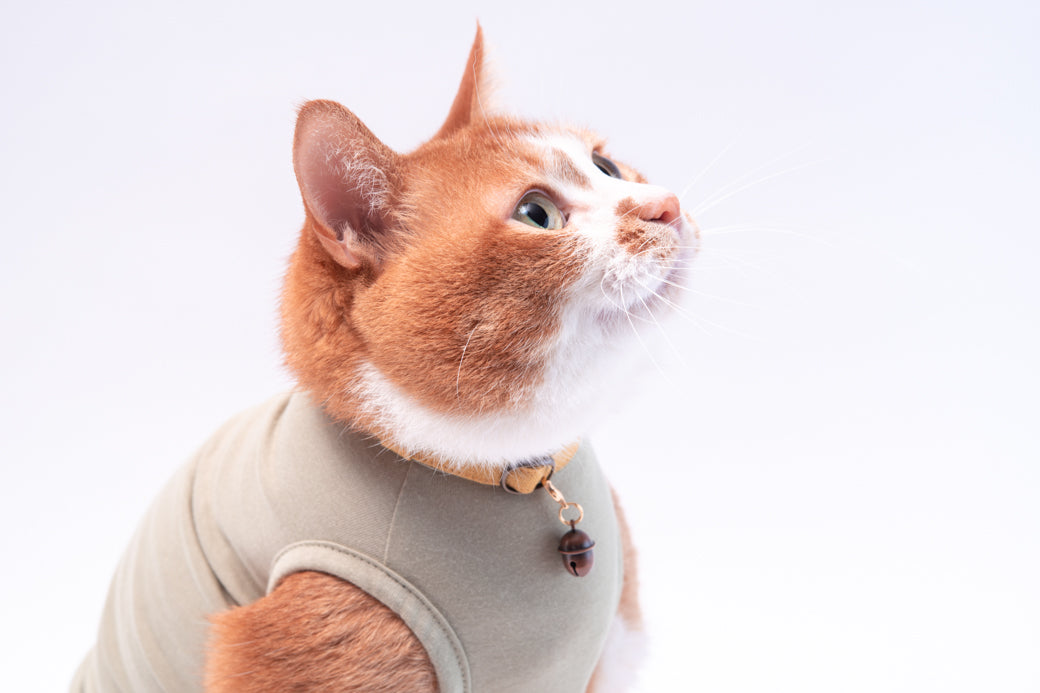
If the wound is on the neck, a hard plastic Elizabethan collar can cause pain by pressing on the affected area. Therefore, a soft fabric Elizabethan collar or protective clothing for skin conditions (full-body type) may be necessary. Consult with your veterinarian to choose what is best for your cat.
Protect Your Beloved Cat's Skin! Preventive Measures for "Neck Scratching" You Can Do at Home

Regular nail trimming
Neck excoriations are not only caused by frequent scratching of the neck, but also by overgrown nails, which can easily injure the skin and worsen dermatitis.
Regular flea and tick control
Even indoor cats can be infested with fleas and ticks. Skin problems caused by flea and tick infestations not only lead to itching and discomfort but also cause infections. Regardless of whether there are open wounds from scratching, regular flea and tick control should be carried out.
Creating a stress-free environment
To prevent psychogenic excessive grooming, review the living environment by keeping the litter box consistently clean and providing high places or hiding spots where the cat can feel secure. If you are concerned about compatibility with other cats in the household, measures such as isolating rooms may be necessary.
Reconsider the collar! Switch to a "lightweight, skin-friendly material"
To prevent skin problems on the neck, the most important thing to reconsider is the "material of the collar your cat wears daily." Although a cat's skin is covered in fur, it is actually very thin and delicate. Avoid heavy or hard materials, and choose a fabric collar made of cotton or linen, which is breathable and soft against the skin.
It is also important to wash it regularly and keep it clean to prevent bacterial growth.
Summary: Early detection and early intervention are key for "cat neck scratching"

The causes of cats scratching their necks raw vary widely, from infections to stress and collar friction. Observe how often your cat scratches its neck, and regularly check for hair loss, redness, wounds, or ear abnormalities during daily interactions.
To protect your beloved cat's delicate skin, consult a veterinarian early if you notice any abnormalities, and when choosing items your cat wears daily, prioritize "gentleness to the skin."


![Feline Infectious Peritonitis (FIP) Treatment Guide [2024 Edition]: Latest Information and Treatment Options](http://www.poponeko.jp/cdn/shop/articles/shutterstock_1633580878.jpg?height=400&v=1727181737)


![[Set] Leaf Ribbon & Scrunchie Cat Collar Champ de Fleurs Pink](http://www.poponeko.jp/cdn/shop/files/DSC00086_92430f49-b816-4514-8687-7fd9a6e57988.jpg?v=1780663183&width=600 "[Set] Leaf Ribbon & Scrunchie Cat Collar Champ de Fleurs Pink")
![[Set] Leaf Ribbon & Scrunchie Cat Collar - Champ de Fleurs Blue](http://www.poponeko.jp/cdn/shop/files/DSC00087_94f6c056-010c-400c-bd97-b15ffaf7d230.jpg?v=1780663183&width=600 "[Set] Leaf Ribbon & Scrunchie Cat Collar - Champ de Fleurs Blue")
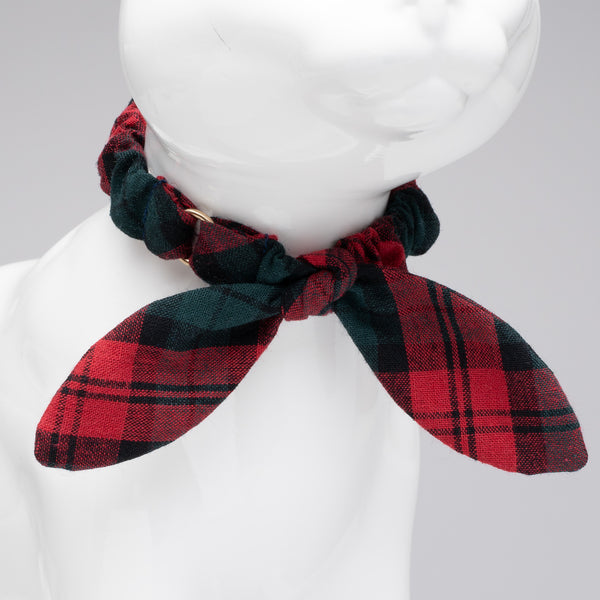
![[Set] Leaf Ribbon & Cat Collar - Gingham Check Pink](http://www.poponeko.jp/cdn/shop/files/DSC00107_be0c6dc2-1e03-4ba3-9fbe-dcb40be6c72c.jpg?v=1780663891&width=600 "[Set] Leaf Ribbon & Cat Collar - Gingham Check Pink")
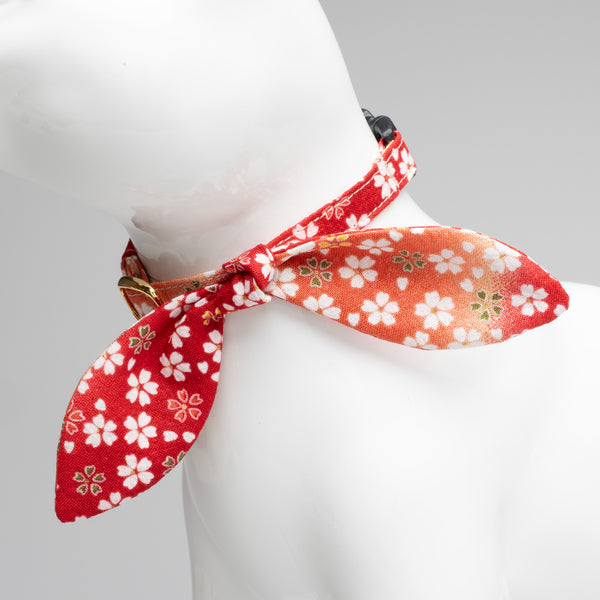
![[Set] Leaf Ribbon & Scrunchie Cat Collar, Gingham Check, Yellow](http://www.poponeko.jp/cdn/shop/files/DSC00094_3cfceafb-3dec-4966-8fb0-98d2b6a0f857.jpg?v=1780663891&width=600 "[Set] Leaf Ribbon & Scrunchie Cat Collar, Gingham Check, Yellow")

Leave a comment