

Collars are useful for attaching ID tags in case your cat escapes, or simply as a fashionable accessory.
However, it is common for hair loss to occur in the area where the collar is worn.
Does wearing a collar inevitably lead to hair loss? We will explain the causes, treatments, and prevention of "collar alopecia."
What causes collar alopecia in cats?


Causes of hair loss due to collars include friction, dermatitis from the material, skin issues caused by bacteria, stress, and the use of flea-control collars. We will explain each of these below.
Hair loss due to friction
If a collar is too tight, or if the material is heavy or easily tangled in fur, friction on the skin and fur can cause hair loss. Initially, this manifests as broken hairs, but if left unaddressed, the skin and hair follicles can also become damaged, leading to persistent hair loss.
Dermatitis due to material
If the collar material is not compatible with the cat’s skin or if the cat has allergies, it can cause contact dermatitis, leading to hair loss. In this case, the skin in contact with the collar will become red and inflamed.
Skin issues due to bacteria
If a cat's collar is dirty or stays wet, it becomes a breeding ground for bacteria. This bacteria can cause skin inflammation and subsequent hair loss, as well as rashes.
Stress
Cats generally do not like wearing collars or clothing. If there is a bell attached, they may also dislike the sound. Stress can alter the hair shedding cycle, or cause the cat to scratch at the area with its hind legs to try to remove the collar, leading to hair loss around the neck.
Use of flea-control collars
Commercially available flea-control collars are infused with insecticide ingredients to kill external parasites. Since these chemicals permeate the entire collar, skin irritation from the medication can lead to hair loss in the area where the collar is worn.
How to treat collar alopecia in cats


Hair loss from a collar begins with broken fur around the neck. If the hair follicles are damaged, hair may stop growing altogether. Therefore, early detection is crucial.
If you notice broken fur, stop using the collar immediately.
Additionally, if the skin is red or inflamed, please consult a veterinarian.
Should cats wear collars? How to prevent collar alopecia

If you choose to use a collar, you can prevent collar alopecia by paying attention to the size and material. Here are some prevention methods.
Adjust the size
Some collars are categorized by weight or neck size. Choose the correct size. When fitting the collar, you should be able to comfortably fit two fingers between the collar and the skin. If you cannot, the collar is too tight and should be adjusted.
|
[Related Article] |
Choose a lightweight collar
If the collar is heavy, it will press more firmly against the fur, increasing the likelihood of hair loss. Materials like leather or collars with heavy decorations add unnecessary weight. Opt for the lightest materials possible.
Review the collar material
Nylon can be heavy and may cause friction with the fur. Switching to organic materials like cotton may be a good alternative.
Keep the skin clean
Wash collars frequently or replace them regularly. A damp collar is a breeding ground for bacteria. Make sure the collar is completely dry before putting it back on. If you smell an odor coming from the skin, it may indicate a bacterial infection; please see a vet.
Brush regularly
For long-haired breeds, fur easily tangles under a collar, leading to breakage and mats. Brushing helps prevent these issues and keeps the skin healthy. For long-haired cats, twice a day is recommended. Brushing short-haired cats once a day also helps maintain skin health.
Don't use a collar
If a collar is not strictly necessary, removing it can prevent hair loss. If hair loss has already occurred, we recommend keeping the collar off until the hair grows back, provided the hair follicles are not damaged.
If the hair loss is stress-related, putting the collar back on will likely cause the hair loss to return. In such cases, not using a collar at all may be the best choice.
If you use a collar for ID purposes, other measures such as microchipping can serve as an alternative.
|
[Related Article] |
Summary

Collars are helpful for identifying an owner if a cat escapes, especially if it carries an ID tag. Be sure to choose the right material and size for your cat.
If you notice any problems like broken hair, hair loss, or dermatitis, stop using the collar promptly and consult your veterinarian.
Early detection is key to managing collar-related hair loss. Check your cat's skin condition frequently and keep up with regular grooming.
|
[Related Article] |
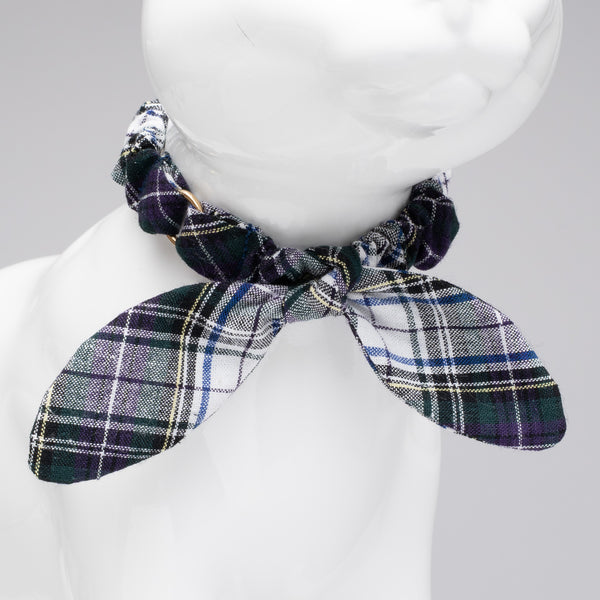
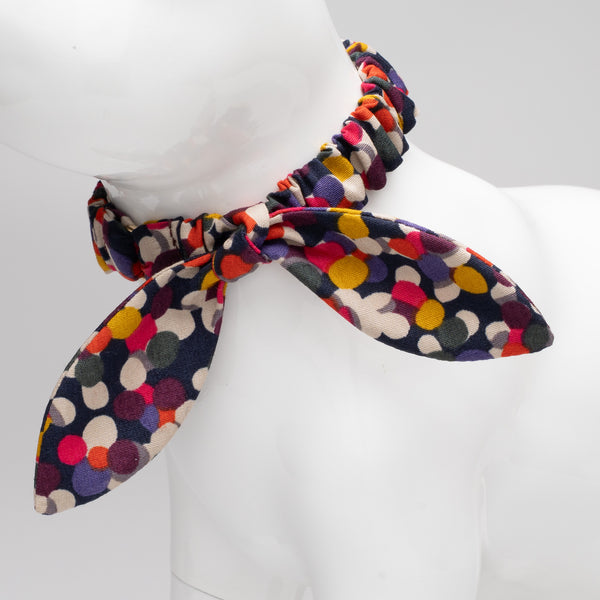
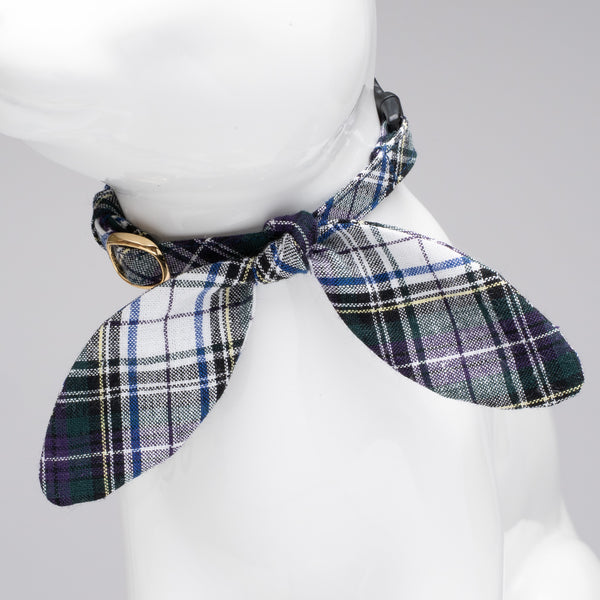
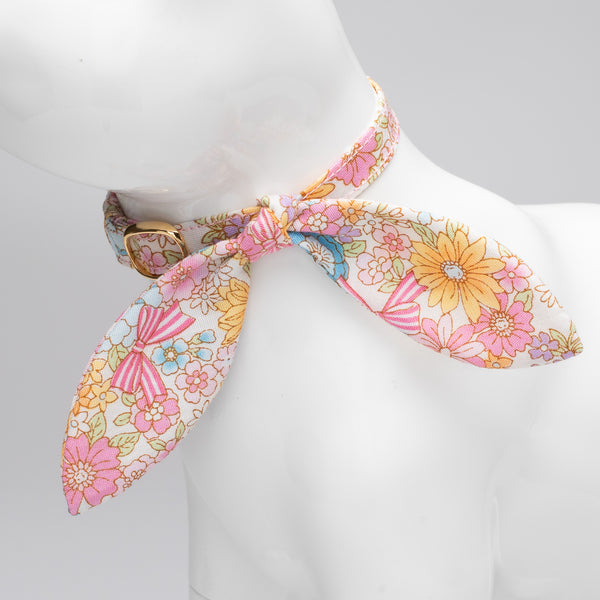
100% Organic Cotton Collars, Even Down to the Thread
Gently Protect Your Cat's Neck: Skin-Protective Neck Guards






長年首輪をしていましたが気付くとハゲてしまっていました。
思い切って首輪をやめたところ1年経たないくらいで完全に元通りになりました。
また抜けてしまってはかわいそうなので首輪の使用は控えることにします。
首輪で出来たハゲのところは
毛生えて来ますか?
Leave a comment