

From ginger (red tabby) and brown tabby to calico, tortoiseshell, bicolor, white, and black—cats come in a rich variety of colors and patterns. It is not at all rare for parents and siblings to have completely different colors and patterns.
Perhaps many people find these aspects of cats mysterious and adorable. To better understand your cat, it can be fun to learn what these coat colors and patterns are called.
In this article, we will take a detailed look at how a cat's coat color and pattern are determined, and what kinds of types exist.
How Cat Coat Colors and Patterns are Determined

A cat's coat color and pattern are determined by the combination of genes inherited from its parents.
There are mainly nine types of genes related to a cat's coat color and pattern. Cats are born with various looks because of the combinations of dominant and recessive genes.
Incidentally, purebred cats have a limited set of color-related genes, which is why they tend to have similar coat colors.
- W (White): White
- B (Black): Black
- O (Orange): Red
- I (Inhibitor): Produces silver
- T (Tabby): Striped pattern
- A (Agouti): Each hair has brown and black stripes
- C (Colorpoint): Full color or no shading
- D (Dilute): Deep dark color
- S (Spotting): White patches on the body
Siblings can have different fathers
To ensure pregnancy, female cats may mate with different males multiple times. It is not uncommon for kittens in the same litter to have different fathers. This is one of the reasons why siblings can have completely different colors and patterns.
Four Main Categories of Cat Coat Colors and Patterns

Cat coat colors and patterns can be broadly divided into four categories. The shading of the color and the way the patterns appear are unique to each cat.
Let's look at the characteristics of each.
1. Solid

Cats with no pattern and one color over their entire body are called "solid colors."
Black and white cats are the most classic examples. Other names for solid colors include blue (gray, like the Russian Blue), chocolate, cinnamon, red, lilac, fawn, and cream.
They sound almost good enough to eat!
|
【Related Articles】 |
2. Tabby

"Tabby" refers to a striped pattern. The tips of the overcoat hairs are colored, creating beautiful striped designs.
In Japan, these are commonly known as "tiger patterns," with red, brown (mackerel/tabby), and silver tabby being typical.
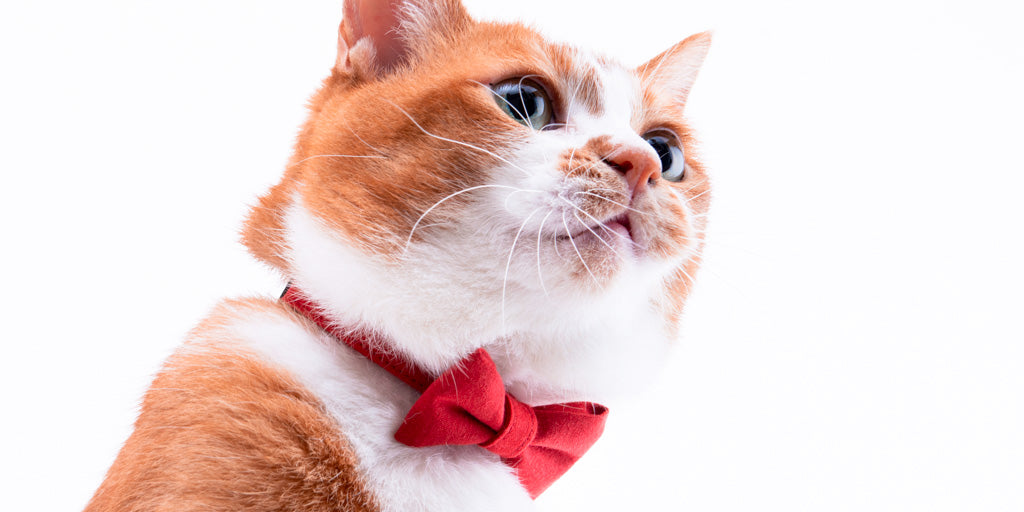
Ginger cats are referred to as red tabby, brown tabbies are the standard brown striped ones, silver tabbies have a gray-and-white look, and brown tabbies with white areas are called brown tabby & white.
The roots of the tabby pattern lie in the African wildcat, the ancestor of domestic cats. The brown tabby pattern, in particular, looks similar to the African wildcat's appearance, and many such cats are said to inherit a wild and active personality.
A Wide Variety of Tabby Patterns
Even within tabbies, the name changes depending on the shape and placement of the stripes.
A tabby pattern with swirls on the sides of the body, like the American Shorthair, is called a "classic tabby."
Other patterns include the "mackerel tabby," with fish-bone-like stripes, the "spotted tabby," with spots like a Bengal cat, and the "agouti tabby" or "ticked tabby," where each individual hair has multiple colors, as seen in the Somali.
|
【Related Articles】 |
3. Combination Patterns (Bicolor, Party-color, Calico)

Cats with combinations of two or three colors from white, black, and brown (orange) are called "bicolor," "party-color," or "calico."
Bicolor refers to cats with two colors, white and black. These cats often have unique markings, such as "mustache" patterns or markings that look like a wig. "Hachiware" (mask-and-mantle) patterns are also a type of bicolor.
Party-color refers to a combination of two colors other than white. The tortoiseshell cat commonly seen in Japan is also known as a "tortie." Torbie (a blend of tabby and tortoiseshell) refers to a party-color cat that also has a tabby pattern.
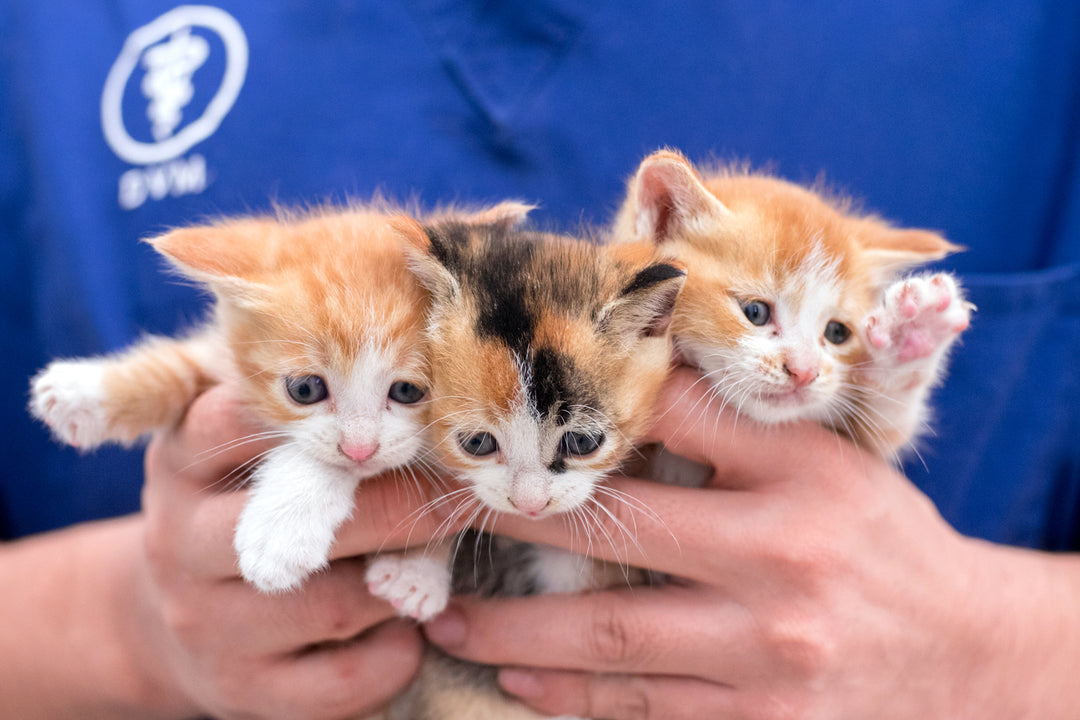
Calico is the classic three-colored cat (mi-ke). It is a cat with three colors: white, brown, and black.
Male Calico and Tortoiseshell Cats are Rare
Male sex chromosomes are XY, and females are XX. Because the genes for black and orange colors are found only on the X chromosome, a male can only carry either the black or the orange gene.
Rarely, a male calico or tortoiseshell cat with XXY chromosomes is born, but the probability is said to be about 1 in 30,000.
4. Others (Pointed, Shaded, etc.)

Beyond the colors and patterns introduced so far, there are several others seen in specific cat breeds.
The "pointed" pattern, where the color is darker on the extremities such as the face, ears, legs, and tail (like in Siamese and Ragdoll cats), is also fascinating. It is said that the color is darker in areas with lower body temperatures.
There are also breeds like the Persian, where only the tips of the hair have a dark color. The name changes depending on the proportion of color, with hair having only dark tips called "chinchilla" or "tipped."
If the color reaches halfway down the hair, it is called "shaded," and if the color reaches the root, it is called "smoke."
|
【Related Articles】 |
Summary

It is often said that a cat's coat color and pattern look "as if sauce was poured over its back."
If you look closely at a cat, indeed, patterns are often concentrated on the back, head, and sides, while many have white bellies. Furthermore, no two cats, even of the same breed, have the exact same pattern.
Additionally, you can sometimes get an idea of a cat's personality from its coat color and pattern.
Observing your own cat's color and pattern while imagining their roots and personality is a fun way to spend time.
Author Profile







Leave a comment