

Vaccination is necessary to protect your cat from infectious diseases. While human vaccines are often a topic of discussion, you may also be concerned about side effects, timing, and costs.
In this article, we will explain in detail whether cats really need vaccines, the different types available, and which diseases they can prevent.
What is a cat vaccine?

Essentially, a vaccine is a substance containing neutralized or attenuated pathogens. By administering this liquid through a subcutaneous injection, it serves to build immunity against infectious diseases.
Just like in humans, there are diseases that cats can avoid through vaccination.
Feline infectious diseases preventable by vaccines
There are two types of feline vaccines: "core vaccines," which prevent life-threatening diseases, and "non-core vaccines," which are administered based on risk.
【Core Vaccines】
- Feline Panleukopenia (Feline Parvovirus / FPV)
- Feline Viral Rhinotracheitis (Feline Herpesvirus / FHV)
- Feline Calicivirus (FCV)
【Non-Core Vaccines】
- Feline Leukemia Virus (FeLV)
- Feline Chlamydia (FChF)
- Feline Immunodeficiency Virus (Feline AIDS / FIV)
Why cat vaccination is necessary

Unlike the rabies vaccine for dogs, feline vaccines are not legally required.
However, if you care about your cat's health, you should take proper precautions against preventable diseases.
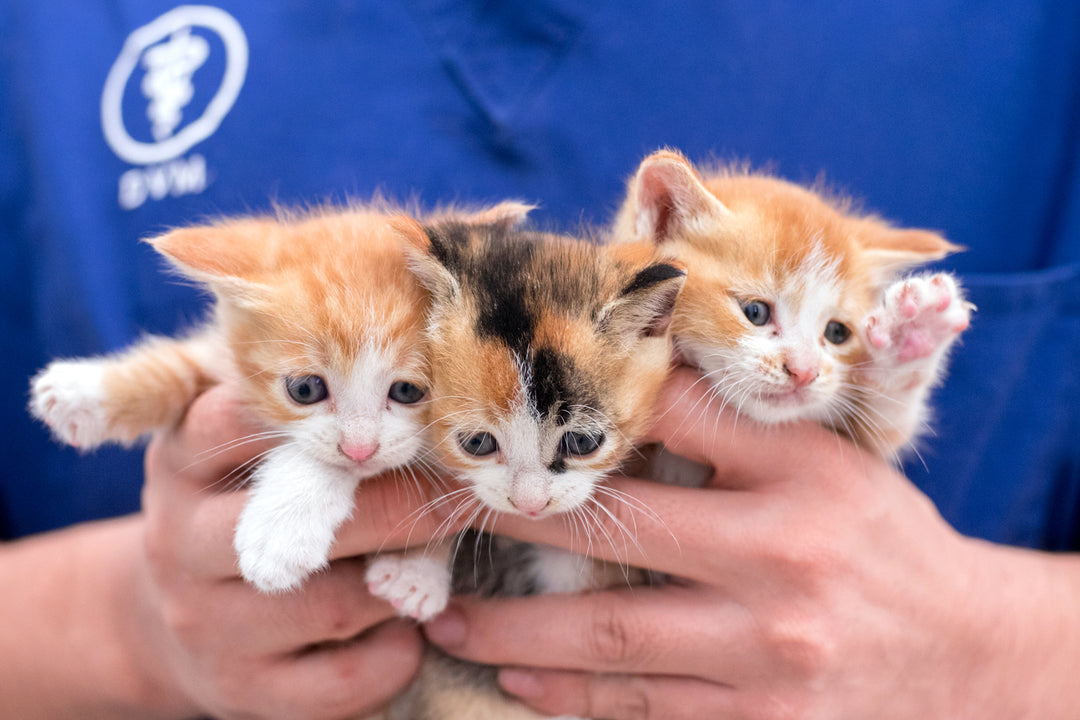
Kittens, in particular, have weak resistance and are susceptible to infectious diseases. We believe vaccination is necessary to protect them from life-threatening conditions or diseases that may leave lasting effects.
Of course, adult cats are also at risk of infection. If you have adopted a rescue cat, we recommend consulting with a veterinarian to arrange appropriate vaccinations, taking into account their age and the results of any antibody tests.
Is vaccination necessary for strictly indoor cats?
It is known that the infectious diseases covered by core vaccines can be airborne. Contact with other cats can occur through screen doors, and there is also a risk of owners carrying viruses into the home.
Furthermore, in multi-cat households, cats may pass viruses to each other. Even if your cat is kept strictly indoors, vaccination is necessary.
Vaccination is mandatory for evacuation with your cat during disasters
In the event of a disaster such as an earthquake, you may need to evacuate to a shelter with your cat.
Since there will be many other cats at evacuation centers, vaccination and parasite prevention are essential. In some cases, cats may not be accepted if they have not been protected against infectious diseases, so it is important to be well-prepared.
We have summarized more details about evacuating with your cat and preparing emergency supplies in the article below.
|
【Related Article】 |
Types of vaccines and costs

There are a total of 6 types of feline vaccines.
The core vaccines are: Feline Panleukopenia (FPV), Feline Viral Rhinotracheitis (FHV), and Feline Calicivirus (FCV).
Rather than getting these three vaccines in separate doses, your cat receives a "3-in-1 combination vaccine" that combines all three.
A 4-in-1 combination vaccine includes the three core vaccines plus the Feline Leukemia Virus (FeLV) vaccine, and a 5-in-1 combination vaccine adds the Feline Chlamydia (FChF) vaccine.
The Feline Immunodeficiency Virus (FIV) vaccine is administered separately.
|
Vaccine Type |
3-in-1 |
4-in-1 |
5-in-1 |
|
|
Core |
Feline Panleukopenia (FPV) |
● |
● |
● |
|
Feline Viral Rhinotracheitis (FHV) |
● |
● |
● |
|
|
Feline Calicivirus (FCV) |
● |
● |
● |
|
|
Non-Core |
Feline Leukemia Virus (FeLV) |
● |
● |
|
|
Feline Chlamydia (FChF) |
● |
|||
|
Feline Immunodeficiency Virus (FIV) |
||||
Is a 5-in-1 better than a 3-in-1?
Whether to administer non-core vaccines depends on your cat's lifestyle and environment.
For instance, if your cat goes outdoors, stays in pet hotels, or lives with a cat that is positive for Feline Leukemia Virus, 4-in-1 or 5-in-1 combination vaccines may be necessary.
Consult with your veterinarian to determine the most appropriate vaccination plan.
Estimated cost of cat vaccines
The cost of cat vaccinations varies by veterinary clinic. On average, a 3-in-1 costs between 4,000 and 6,000 yen, a 4-in-1 ranges from 5,000 to 7,000 yen, and a 5-in-1 ranges from 6,000 to 8,000 yen.
If an antibody test is required before vaccination, an additional fee of 3,000 to 5,000 yen will apply.
Note that pet insurance generally does not cover vaccination costs, as they are considered preventative care rather than treatment for illness.
Cat vaccination timing and schedule

Newborn kittens are protected by immunity passed on from their mothers. However, this immunity fades over time, so vaccination is usually necessary starting around two months of age.
Adult cats also require regular vaccinations to prevent dangerous diseases.
Cat vaccination schedule
"Vaccination" refers to a planned schedule of injections to build immunity.
According to the World Small Animal Veterinary Association (WSAVA) guidelines, it is recommended to "begin at 6–8 weeks of age and repeat every 2–4 weeks until 16 weeks of age or older."
Generally, the first vaccine is given around two months of age, with a second dose given one month later. Depending on the cat's physical condition and environment, a third dose may be administered another month later.
For adult cats receiving their first vaccination, the second dose is also given one month after the first.
Consistent immunity is then maintained through regular booster shots.
Frequency of vaccination
After the kitten series is complete, booster shots are given either once a year or once every three years.
Cats in multi-cat households or those with exposure to many other cats are at higher risk and require annual vaccinations, while indoor-only cats that do not frequent pet hotels may be vaccinated every three years.
Be sure to discuss your cat's vaccination program with your regular veterinarian alongside considerations for spaying/neutering, flea/tick prevention, and heartworm prevention.
What about side effects?

When considering vaccination, "side effects" are a natural concern.
After receiving a vaccine, try to keep your cat calm; avoid vigorous play and keep an eye on their condition.
Due to the stress of the outing, your cat might seem lethargic or sluggish for a while. If you notice side effects such as fever, vomiting, or diarrhea, contact your veterinarian immediately.
Summary

Vaccination does not guarantee 100% prevention of all illnesses, and there are some diseases for which vaccines are not effective.
Furthermore, booster shots are required annually or every three years.
Although there is a cost involved, vaccination is essential for your cat’s health.
To ensure you don’t forget the vaccination dates, write them down in a dedicated health record book for your cat. It is also helpful to schedule annual check-ups and flea/tick/heartworm prevention for the same time of year.
Please make sure to stay informed about vaccinations so your cat can live a long, healthy life.
|
【Related Products】 |
Author Profile










内の猫ちゃん今膀胱炎で薬飲んでますし血液検査で肝臓の数値が高く薬飲んでます
かかりつけ医の先生にストレスですか?と聞くと違うと言いますが、?猫ちゃん一人にする時間が多いです。
Leave a comment