

As the weather gets colder, your beloved cat might seem to get fluffier. You might think they've gained a little weight, but it's actually because they're growing their winter coat.
Cats have two shedding seasons ("Kankoki") a year, where their fur changes from summer coat to winter coat, and then from winter coat back to summer coat. Shedding season is also when hair loss increases.
This article will explain in detail about your cat's winter coat, including the difference in roles between winter and summer coats, and when the winter coat sheds. We'll also introduce tips for managing your cat's shedding, so please use it as a reference.
What's the difference between a cat's winter and summer coats?
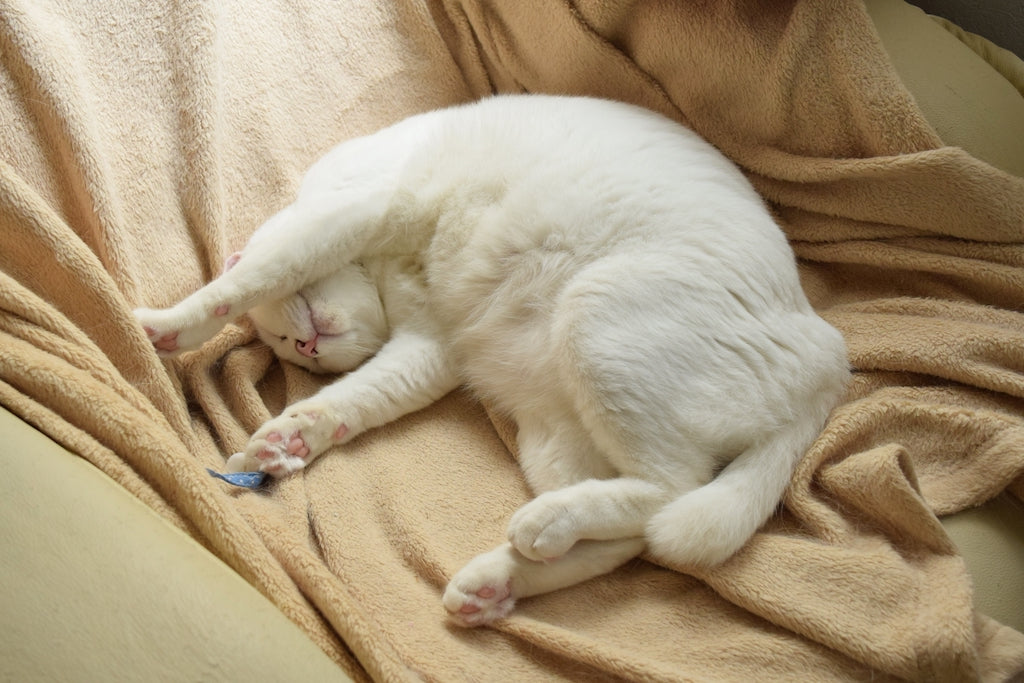
A cat's winter coat is soft and fluffy, protecting them from the cold. Conversely, in summer, they shed their winter coat to stay cool. As such, a cat's summer and winter coats each have their own distinct roles.
How cat fur works
First, let's understand how cat fur works. Cat fur has a double structure consisting of an "overcoat" and an "undercoat."
The overcoat, also called the topcoat, is the outermost layer of fur. It has a hard and firm texture and serves to protect the skin from UV rays and dirt.
The undercoat is soft and fluffy, growing densely beneath the overcoat. It plays a role in retaining body heat.
Characteristics of a cat's winter coat
A cat's winter coat begins to grow in the fall as the weather gets colder. The dense growth of the fluffy undercoat gives them a soft, plump appearance. It has high insulation and excellent waterproofing, allowing them to stay warm even in winter.
Characteristics of a cat's summer coat
After the cold winter ends, the cat sheds its winter coat for its summer coat in early spring when it starts to get warmer. The insulating undercoat sheds, and stiff overcoat hairs grow in its place. The overcoat grows less densely, allowing for better ventilation to regulate body temperature.
When does a cat's winter coat shed?
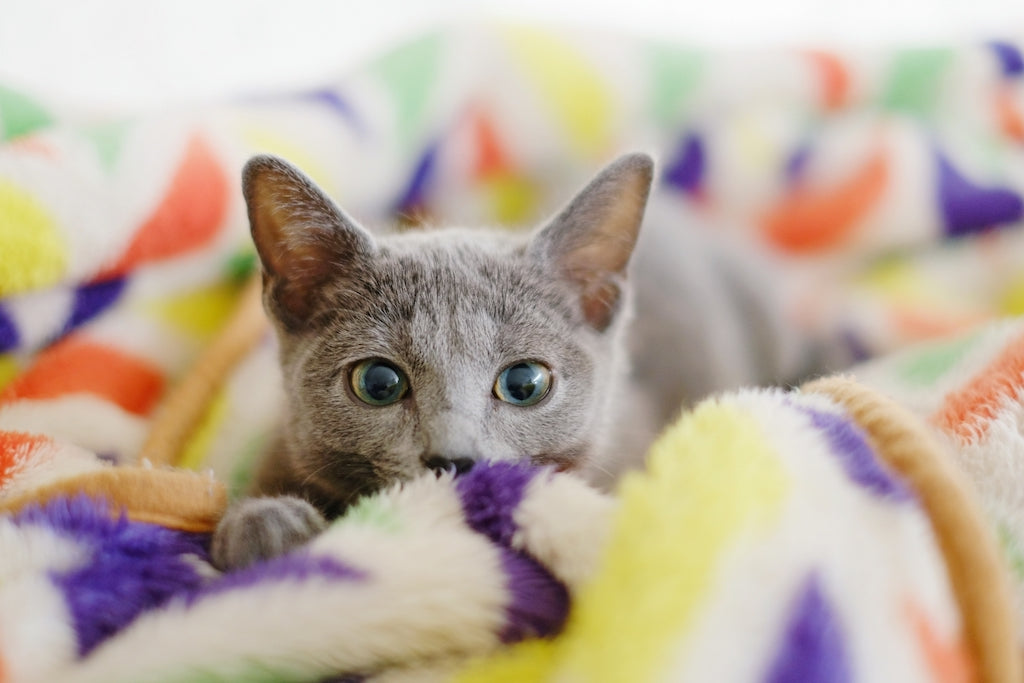
A cat's winter coat features an increase in fluffy undercoat, while its summer coat sees the undercoat shed and an increase in breathable overcoat.
This process of changing fur with the seasons to regulate body temperature is called "shedding season." Cats don't have sweat glands, so they effectively control their body temperature with their summer and winter coats.
While it varies depending on the region and environment, the transition from winter coat to summer coat occurs around March, and from summer coat to winter coat around November. It is said to last for up to about 90 days. While cats shed year-round, during shedding season, they shed a large amount all at once, resulting in a surprising increase in the amount of loose fur.
Solutions for winter coat issues in cats
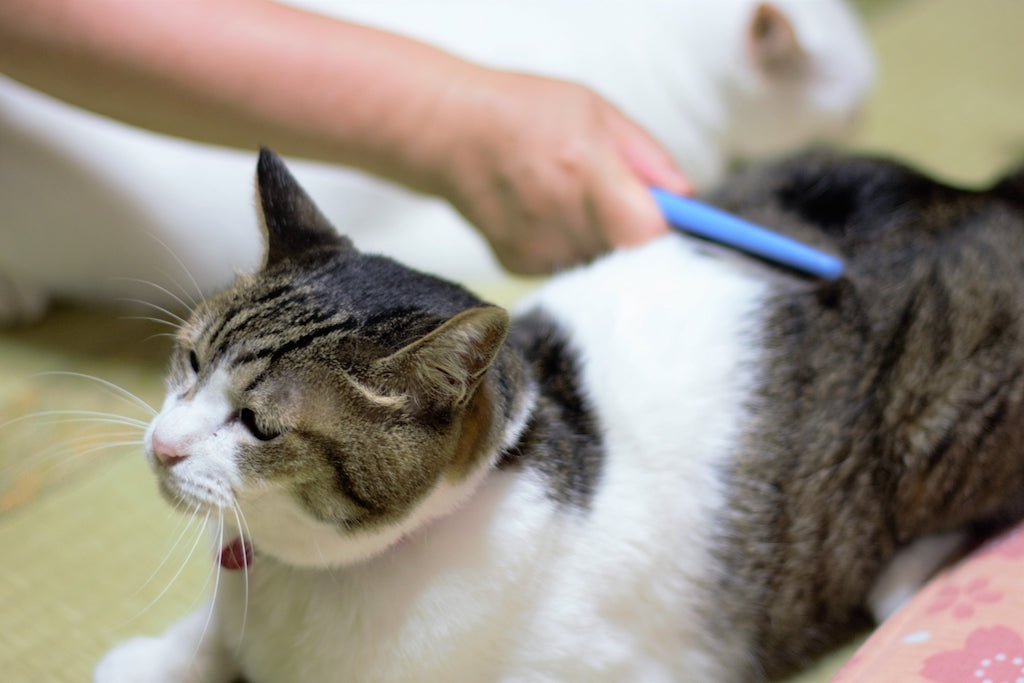
The spring shedding season, when winter fur gives way to summer fur, results in more hair loss than the autumn shedding season, when summer fur gives way to winter fur. Fluffy undercoat floats everywhere. Many cat owners probably find themselves struggling with hair cleanup in early spring.
Also, since many cats are now kept exclusively indoors, some may not experience a distinct shedding season. Some owners worry that their cat's winter coat is already shedding after just growing in, or that their cat seems cold because their winter coat isn't growing in.
Other concerns include matted fur and worries about their cat ingesting hair. Let's consider some solutions for common winter coat problems in cats.
Shedding対策
Around November, when the summer coat changes to the winter coat, stiff summer hairs fall out. While not as abundant as winter fur, these hairs can embed themselves in clothes and carpets. Additionally, if the indoor temperature is warm, winter fur may grow in but then shed quickly.
In such cases, brushing will remove loose hair before it can spread. Silicone brushes, natural bristle brushes, metal combs, etc., are all fine, as long as they suit your cat's preference. Brushing once a day, or twice a day for long-haired cats, is effective.
Cold weather preparation
For cats kept exclusively indoors in warm environments, some may not grow a winter coat, or their winter coat may shed quickly. Additionally, cats with single coats, such as Siamese and Maine Coons, do not grow a winter coat. If your cat appears cold, please use appropriate heating appliances or cat clothing to protect them from the cold.
Hairball prevention
Fluffy winter fur is prone to tangling and matting, so be careful. If mats form, the area can become damp and lead to dermatitis, so brush regularly. Shampooing is also effective.
Hairball disease prevention
Cats ingest hair through grooming. Normally, they would regurgitate it, but if they swallow a large amount of hair, it can damage their internal organs, leading to hairball disease (trichobezoar). This is especially a concern during shedding season. Pay attention to any changes in your cat's condition, and consider incorporating cat grass or hairball care food.
Summary

When your cat gets its fluffy winter coat, you can't help but want to bury your face in its belly. That's how densely its winter fur grows.
In the cold season, stiff summer fur sheds, and as it gets warmer, the fluffy winter fur sheds all at once. The two shedding seasons a year are not only difficult for cleaning up loose fur, but can also cause matting and hairball disease.
Regular brushing and removing loose fur before it spreads is a good way to manage this.
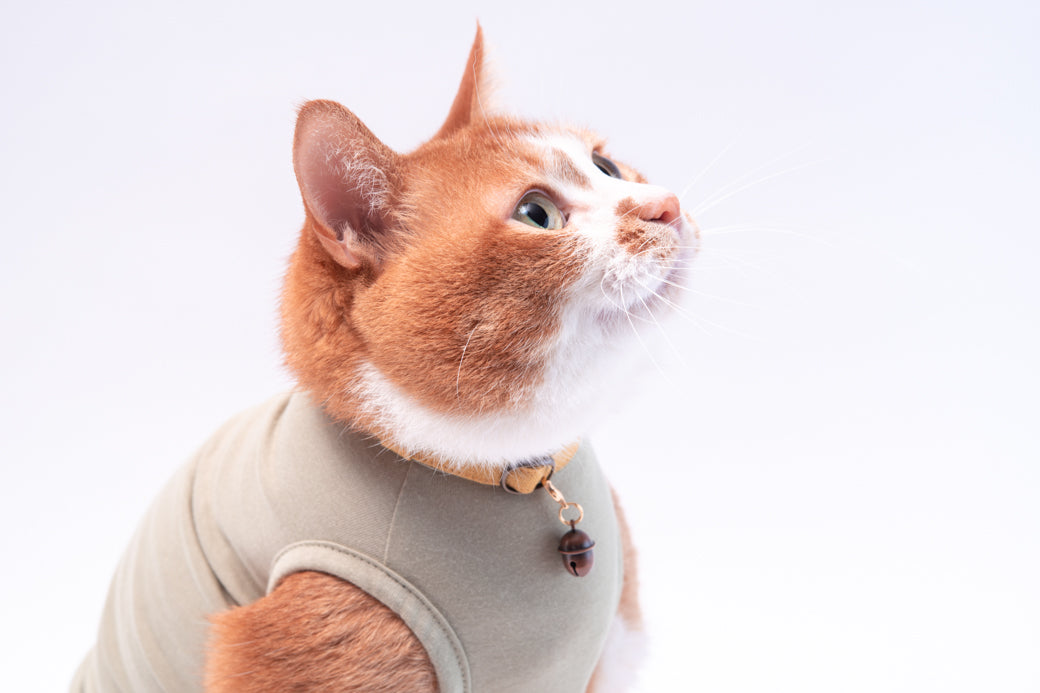
When you have unexpected visitors or need to take your cat out, dressing them in cat clothes is also an option. This not only prevents loose fur from scattering but also prevents your cat from ingesting fur. Cat clothes are also recommended for cats that dislike the cold or have excessive grooming habits.
During the season when your cat sports its fluffy winter coat, be sure to brush regularly and make good use of items like cat clothes to keep them comfortable!
|
【Related Products】 |
|
【Related Articles】 |

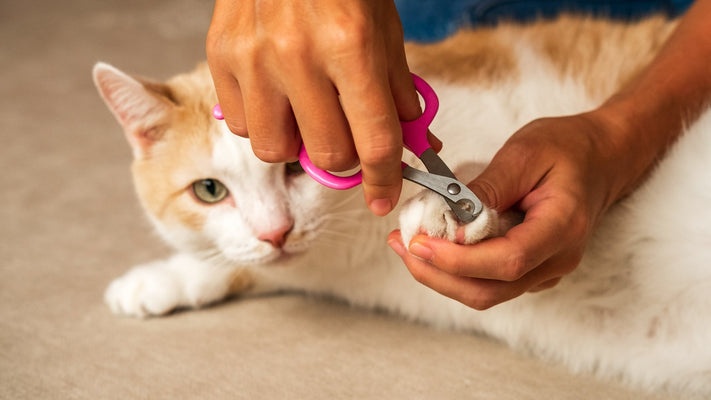
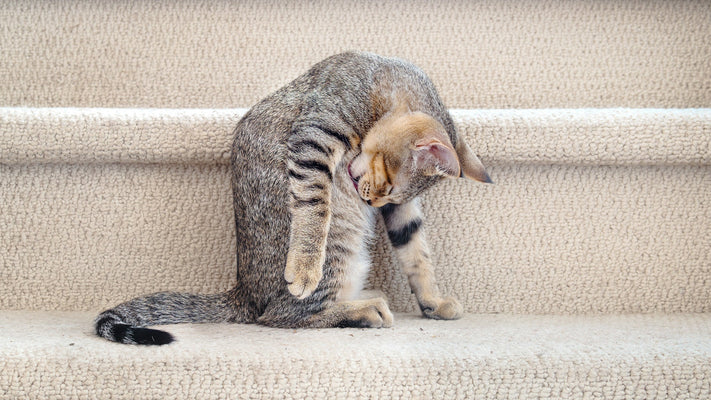
![[Written by a Veterinarian] Is excessive paw grooming in cats a sign to trim their nails? Stress-free care methods](http://www.poponeko.jp/cdn/shop/articles/shutterstock_2431101915_ffb64d55-478e-40f0-a31b-29b648867e1e.jpg?height=400&v=1784983750)
![[Set] Leaf Ribbon Fleurage Purple & Cat Collar Belgian Linen Turquoise](http://www.poponeko.jp/cdn/shop/files/2608_00123.jpg?v=1789197487&width=600 "[Set] Leaf Ribbon Fleurage Purple & Cat Collar Belgian Linen Turquoise")
![[Set] Leaf Ribbon & Scrunchie Cat Collar - Hannari Cherry Blossom Blue](http://www.poponeko.jp/cdn/shop/files/2608_00139.jpg?v=1789197917&width=600 "[Set] Leaf Ribbon & Scrunchie Cat Collar - Hannari Cherry Blossom Blue")
![[Set Item] Leaf Ribbon & Cat Collar: Vidro - Akane](http://www.poponeko.jp/cdn/shop/files/2608_00401.jpg?v=1789826564&width=600 "[Set Item] Leaf Ribbon & Cat Collar: Vidro - Akane")
![[Slightly Imperfect] Cat-Friendly Skin Protection Suit (Coverall) for Cats](http://www.poponeko.jp/cdn/shop/files/DSC05845.jpg?v=1769403729&width=600 "[Slightly Imperfect] Cat-Friendly Skin Protection Suit (Coverall) for Cats")
![[Set] Leaf Ribbon & Scrunchie Cat Collar, Gingham Check, Tomato Red](http://www.poponeko.jp/cdn/shop/files/DSC00091_c37cc8a7-d056-4cf1-a8ec-9defb7c0c502.jpg?v=1780663891&width=600 "[Set] Leaf Ribbon & Scrunchie Cat Collar, Gingham Check, Tomato Red")
![[Set] Leaf Ribbon & Cat Collar - Tartan Check Trench Beige](http://www.poponeko.jp/cdn/shop/files/2606_00015.jpg?v=1785759845&width=600 "[Set] Leaf Ribbon & Cat Collar - Tartan Check Trench Beige")

Leave a comment