

One of the worries of living with a cat is the "heat period."
It can be quite unsettling when your beloved cat suddenly starts meowing loudly or acting strangely one day.
In this article, we will explain in detail about the feline heat period, including when it begins, what behaviors to expect, and how to manage the changes that occur during this time. We will also cover some helpful tips and important precautions for helping your cat get through their heat period calmly.
What is a cat's heat period?

A cat's heat period refers to the time they are in their reproductive cycle. Driven by the instinct to propagate their species, they will exhibit behaviors to seek out cats of the opposite sex.
When is a cat's heat period?
First, let's learn about the mechanism of feline heat, which is surprisingly little-known.
Cats are "seasonal breeders", meaning they enter their breeding season during warmer times of the year. They do not have a "heat" (menstruation) like dogs. It is thought that the start of the heat period is influenced by daylight hours; the cycle begins once the length of the day exceeds 14 hours.
While it varies by region, the peak of the heat season is generally around spring (February–April) and summer (June–August).
At what age does a cat's heat begin?
The age at which a cat experiences their first heat varies significantly by individual. For unspayed female cats, the first heat usually occurs around 6 to 8 months of age.
For unneutered male cats, their first interest in mating occurs around 7 months to 1 year of age. Actually, male cats do not have a "heat cycle" themselves; they are stimulated to mate by the calls and pheromones of a female cat in heat.
The mechanism is that female cats enter heat first due to daylight hours, and male cats are then triggered to enter their breeding state by the female.
Behaviors specific to a cat's heat period

During a cat's heat period, they will begin to exhibit behaviors unique to this stage.
The behaviors differ between males and females. Let's start by understanding the heat cycle of female cats.
The female cat's heat cycle and behaviors
Female cats repeat a heat cycle consisting of "proestrus," "estrus," "interestrus," and "diestrus." The period from proestrus to diestrus usually ends in about 1 to 2 weeks.
1. Proestrus
Proestrus lasts for 1–5 days, during which the cat becomes more restless than usual. You may notice they become more active or urinate more frequently. They may also approach and cuddle up to their owners more often.
2. Estrus
This is when the cat is ready to accept a male and begins behaviors to attract one. This is the stage when they let out loud, crying-like meows, often sounding like a baby.
The peak of the heat lasts for about 4–14 days, characterized by specific behaviors:
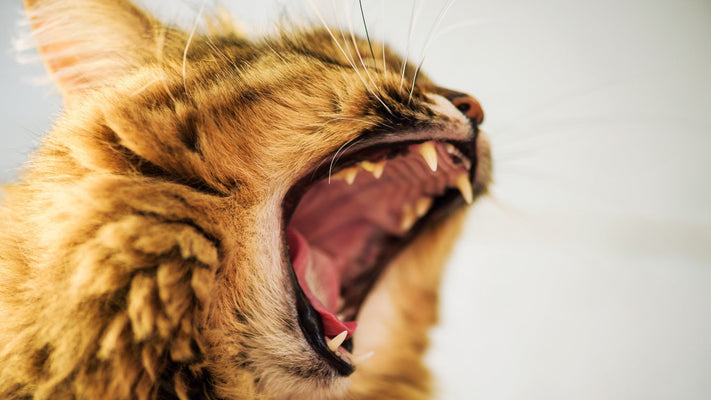
- Loud meowing
- Rubbing their face or body against the owner
- Rolling around on the floor
- Lifting their hindquarters high (lordosis)
- Urine spraying or inappropriate elimination
3. Interestrus
Behaviors specific to the heat period gradually subside as the cycle comes to an end.
4. Diestrus
This is the resting phase after the heat cycle concludes, waiting for the next one.
Cats are induced ovulators, meaning ovulation is triggered by the act of mating. If pregnancy occurs, the heat cycle ends and they give birth about two months later.
If they do not mate during this time and pregnancy does not occur, the cycle will begin again in 1–2 weeks.
Male cat mating behaviors
Male cats respond to the calls and pheromones of a female in heat. Males can also become problematic, including letting out loud, repetitive yowling.
- Restlessness
- Increased aggression
- Loud vocalization
- Attempting to escape outside
- Urine spraying
How to handle the heat period and precautions

Behaviors specific to the heat period are a physiological phenomenon and cannot be controlled. Scolding your cat will not stop these behaviors.
Here, we will explain how to handle these behavioral issues and important precautions.
Is there a way to end the heat period sooner?
Many people search online for "how to end a cat's heat early," but there is no way to shorten the heat period...
You may see information suggesting stimulation of the female's genitalia with a damp cotton swab, but this is a very dangerous practice and should not be done. Giving large amounts of catnip to try and calm them down can also have the opposite effect.
Refrain from excessive physical contact
Female cats in heat may seem more affectionate or beg to be picked up more than usual. While it is very cute, interacting more than necessary can sometimes exacerbate the problematic behaviors.
Take soundproofing measures
The loud meowing associated with heat can be a concern for your neighbors. As an immediate measure, cover windows with soundproof curtains or cardboard.
Additionally, if the night-time yowling is severe, ensuring they get plenty of physical exercise during the day is important.
Manage urine spraying
Limiting the cat's living area during the heat period can make soundproofing and managing urine spraying easier. However, do not lock them in a cage, as this can cause excessive stress.
Place puppy pads in areas where the cat is likely to spray urine. Using waterproof sheets on surfaces will also make cleaning much easier.
Take measures to prevent escape
Be even more vigilant about escape prevention during this time. Even indoor cats will want to get outside in response to the calls and pheromones of neighborhood cats, so avoid letting them sunbathe on balconies or in gardens.
Just like with soundproofing, blocking windows with curtains or cardboard is effective here as well.
Consult your veterinarian and consider spaying/neutering

One way to help calm a cat in heat is to consult your veterinarian about the use of pheromone products.
Also, if you do not plan on breeding, consider getting your cat spayed or neutered. This can reduce problematic behaviors related to the heat period and has the added benefit of preventing certain hormone-related diseases.
Of course, there are also disadvantages, so please consult your veterinarian and carefully weigh your options regarding surgery.
|
[Related Articles] |
Summary

Many cat owners are troubled by the behavioral problems associated with the heat period. Although it is a physiological phenomenon, your cat may also be feeling distressed, experiencing restlessness or emotional instability.
It is difficult to stop these problems through scolding, and they cannot be fixed through training. There is also almost no way to end the heat period early.
To help your cat get through the spring–summer heat season as calmly as possible, you may need to take steps such as soundproofing windows and refraining from excessive physical contact. Please be attentive to your cat's needs and watch over them quietly.
Also, while considering the possibility of spaying or neutering, ensure that you manage the situation appropriately.
Author Profile











二匹雌猫がいて、一匹目は早めに手術しましたが、傷跡が気になり8年たってもまだ舐めてお腹はハゲたまま、かわいそうなので2匹目は考え中ですが、お尻ポンポンすると落ちついてる気がして、やってましたが、構い過ぎるといけないと言うのでいけないことしたのでしょうか?
Leave a comment