

We often picture cats curled up in a kotatsu, as they really don't like the cold, don't we?
Winter is a season of cold and dry air, making it easy for humans to catch a cold. Likewise, it’s a time of year when cats are prone to feeling under the weather. Even for strictly indoor cats, it is important to be mindful of room temperature and humidity.
So, in this article, I would like to explain in detail how to live with your cat in winter and how to keep them warm so they can spend the season comfortably.
Why cats are sensitive to the cold
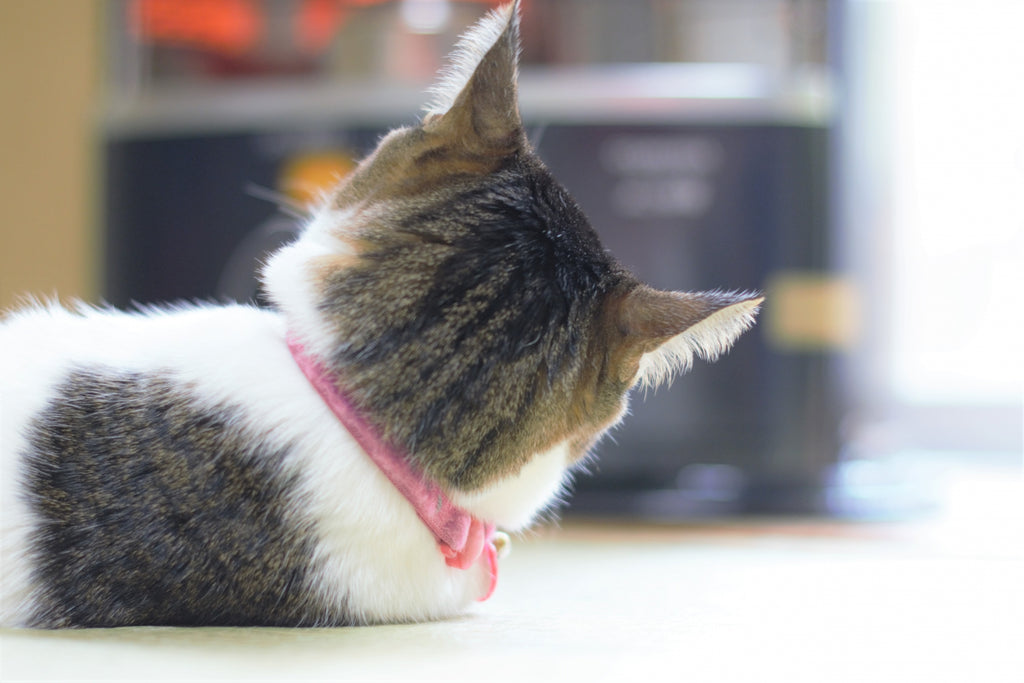
Cats sleeping in a ball on your lap, or cats piled up together in a "cat dumpling." Just watching them makes you feel incredibly happy, doesn't it?
With such fluffy fur, you might think they would be resistant to the cold... but in fact, most cats are sensitive to the cold.
It makes sense, too; since cats' ancestors lived in the desert, they aren't fond of cold weather. When exposed to the cold, it can lead to poor health, such as catching a "cat cold" or suffering from an upset stomach.
While cats with gorgeous coats like the Norwegian Forest Cat are said to have adapted to colder climates, cats living in Japan still need protection from the cold. For the sake of your cat's well-being, be sure to take proper measures against the cold.
What temperature do cats find cold?
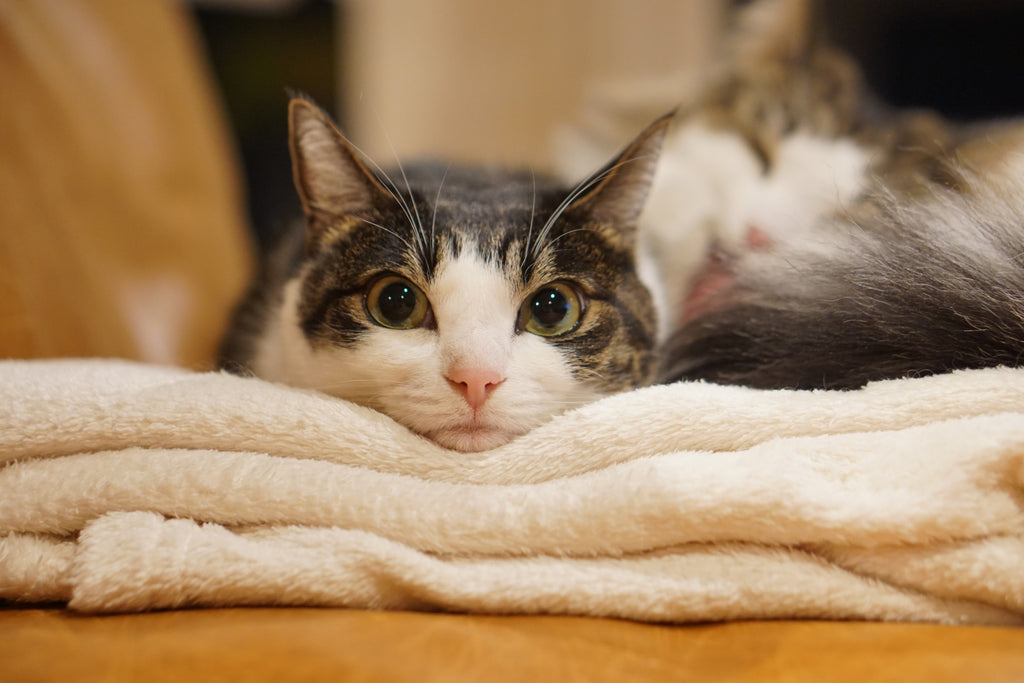
A cat's normal body temperature is roughly 38–39°C (100–102°F), which is slightly higher than that of humans.
Therefore, it is said that the temperature range cats find comfortable is 20–28°C (68–82°F). It is generally thought that they feel comfortable at 26–30°C in the summer and around 18–23°C in the winter.
Be especially mindful of the room temperature for kittens and senior cats with lower activity levels, slim cats with less muscle mass, or cats that cannot exercise much due to injuries or disabilities, as they are more sensitive to the cold.
Signs your cat is feeling cold
When your cat feels cold, you might observe the following behaviors. Try to observe your cat's condition closely.
Since humans and cats perceive temperature differently, having a thermometer and hygrometer can be very useful.
- Curled up into a ball
- Fluffing up their fur to look bigger
- Hiding in dark corners or under blankets
- Refusing to leave your lap or a heating device
- Not drinking water
|
[Related Articles] |

Ensure thorough winter cold protection
When it comes to using heating appliances, safety is a concern. Considering the risks of burns and fires, using an air conditioner seems like a good idea, though one might worry about excessive dryness.
Let's consider the best cold protection methods by keeping in mind how to use heating appliances and their safety precautions.
Using an air conditioner
If the room temperature drops below 20°C (68°F), use an air conditioner. Set it to heating mode at around 20–22°C (68–72°F).
When using the air conditioner, don't seal off the room entirely; allow your cat to move into other rooms. This way, if your cat feels too warm, they can find a comfortable spot on their own.
Also, since warm air rises, it is a good idea to place a bed on a cat tower or a shelf.
Using a heated carpet or floor heating
Some cats dislike the breeze from an air conditioner. In such cases, try using a heated carpet or floor heating. If you provide a blanket, they can burrow into it to get warm even if they feel a bit chilly.
"Small heaters" or "cat kotatsus" designed for pets are also convenient. Some come with temperature control features, which prevents them from getting too warm and provides peace of mind.
However, because there is a risk of "low-temperature burns," avoid long-term use and do not use them while you are away.
Using stoves or fan heaters
Kerosene stoves, ceramic fan heaters, halogen heaters, and oil heaters are convenient because they warm up quickly, but they pose concerns regarding "fire" and "accidents."
You must take proper safety measures to ensure your cat doesn't chew on power cords, get electrocuted, or get burned. Avoid using them while you are out, and unplug power cords when not in use.
Beware of temperature differences in cold winter!
In the cold season, haven't you ever shivered in the changing room after a hot bath?
Winter is a season where you must be careful about "heat shock." Heat shock is when a sudden change in temperature causes a sudden change in blood pressure, placing a heavy strain on the heart.
Heat shock is also dangerous for cats.
For instance, be careful if there is a large temperature difference between the room where your cat usually spends time and their water bowl or litter box, or if you turn off the heat while you are out or sleeping.
If possible, keep the air conditioner on while you're away, and while sleeping, try using a small pet heater, putting a hot water bottle in their bed, or having them wear cat clothes to keep temperature changes to a minimum.
Also be careful of "dryness" and "dehydration" in winter
When using heating appliances, also watch out for "dryness." When the air is dry, there is a risk of infections like cat colds, and their paw pads may crack or their skin may become flaky.
In winter, try to keep the humidity at 50–60% using a humidifier or damp towels.
Also, some cats may avoid drinking water if their water bowl is in a cold location. This can lead to urinary tract problems or dehydration even in the winter.
Try placing water in a warm spot, provide lukewarm water if the water is too cold, or use wet food to help them get moisture.
Summary
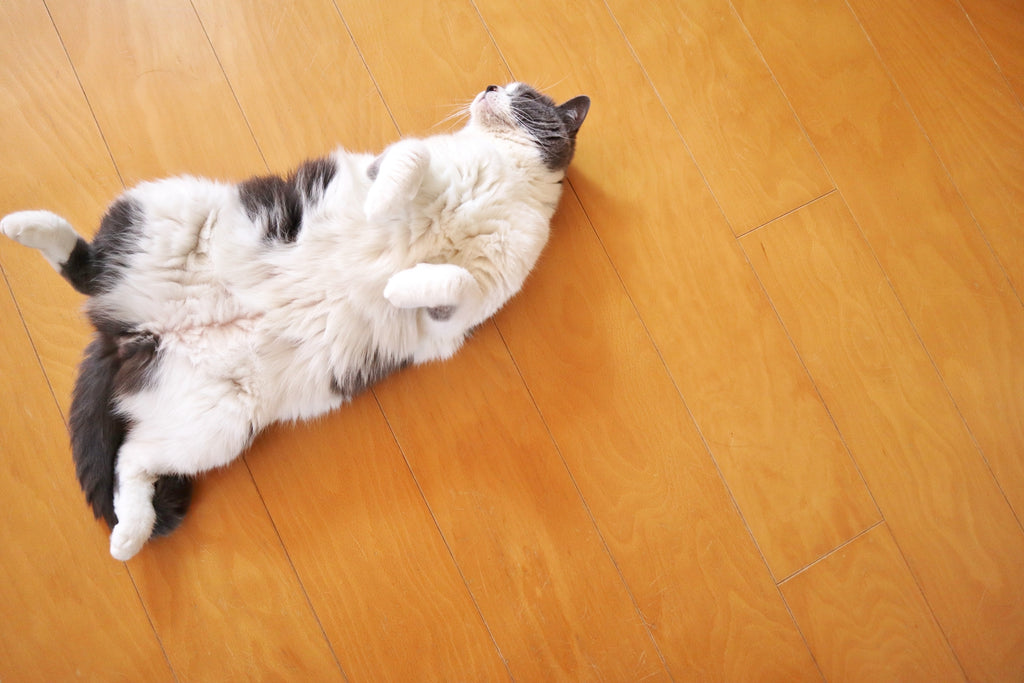
Cats are not fond of the winter cold. It is very important to take proper measures to ensure your cat isn't shivering in the cold.
We recommend combining the clever use of air conditioners with heated carpets, small pet heaters, blankets, hot water bottles, and cat clothes to stay warm.
Observe your cat closely and provide a comfortable environment so that both you and your cat can spend the season in relaxation.
|
[Related Articles] |
Author Profile








Leave a comment