

For your cat's health and peaceful life, neutering is essential.
In male cats, neutering is known to calm aggressive behavior and reduce problem behaviors and urine spraying caused by estrus.
Neutering offers many benefits for both your cat and you as the owner. However, general anesthesia and surgery can be a source of worry.
This time, we will focus on neutering male cats and explain in detail the post-operative care methods, precautions, and changes after surgery.
About Neutering Male Cats

Let's learn the basics of neutering male cats, such as the ideal age for the procedure and how the surgery is performed.
When should male cats be neutered?
Neutering can be done at any age. However, it is ideal to perform the surgery before the first estrus, around 6 months of age. Since the degree of maturity varies greatly between individuals, it is best to consult with your veterinarian about the timing of the neutering surgery.
Neutering Method
Neutering is performed under general anesthesia. It is a procedure where an incision of about 1 cm is made in the scrotal skin, and the testicles are removed. The surgery takes approximately 10 minutes. Hospitalization is usually not required, and in most cases, the cat can return home on the same day.
After neutering, the scrotum becomes smaller. Since the "cat balls" are considered a charming feature of male cats, some owners take commemorative photos before the surgery.
Neutering Procedure for Male Cats
[1. Pre-operative examination]
A physical examination (interview, visual inspection, palpation, auscultation) and blood tests are performed to check for illnesses, infections, and whether the cat can withstand general anesthesia.
[2. Day before surgery]
A fast of at least 12 hours is required before surgery under general anesthesia.
[3. Day of surgery]
If there are no problems after a physical examination and temperature check, general anesthesia is administered. The testicles are removed while monitoring the electrocardiogram, blood pressure, etc. Whether or not the wound is sutured and whether dissolvable sutures are used depends on the veterinary clinic and the cat's condition. After waking up from anesthesia, you will receive instructions on post-operative care before returning home.
[4. Post-operative care at home]
Follow the veterinarian's instructions for post-operative care, such as administering medication. If an Elizabethan collar is necessary, do not remove it.
Post-operative Care Methods

For most cats, neutering is probably their first surgery.
The experience of being in an unfamiliar place surrounded by strangers must have been frightening and anxiety-inducing. Both mentally and physically exhausted, they are in a very nervous state.
First, let them rest in a quiet place. Even if they hide somewhere and don't come out, there's no need to force them. Gently watch over them until they calm down.
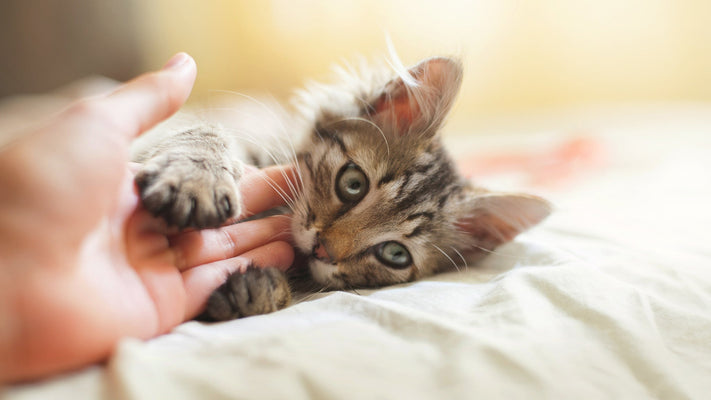
If your cat enjoys physical contact, hold them or gently stroke them to help them relax.
When can they eat?
You may be instructed to withhold food on the day of surgery. Although you might want to give them a treat when they return home safely, please follow your veterinarian's instructions.
When feeding, give small amounts with intervals in between. Water should also be given in small sips.
If your cat still has no appetite the next day, or shows symptoms of vomiting or diarrhea, seek veterinary attention immediately.
Precautions when your cat dislikes the Elizabethan collar
They may thrash around trying to remove the Elizabethan collar or freeze and become immobile. If they are bumping into things, clear away obstacles, remove toilet lids, and adjust their environment.
Not being able to groom freely is also stressful, so gently wipe their body with a warm towel and brush them carefully. Also, gently check the condition of their wound.
|
[Related Articles] |
Is exercise allowed?
To prevent the wound from opening, avoid vigorous exercise and exciting play. Some cats may be energetic enough to climb a cat tower immediately after returning home, but rest is the top priority. If you're concerned, have them spend some time in a cage or a room with few steps.
Changes After Neutering

After neutering, the stress of estrus disappears, but changes in hormone balance can also lead to changes in "appetite" and "personality."
Do neutered cats gain weight more easily?
After neutering, a cat's metabolism slows down, and it becomes harder for them to build muscle. Additionally, their appetite increases, making them prone to weight gain.
Even with the same amount of food as before, they may gain weight, so switching to cat food specifically for neutered cats is recommended. Obesity in cats increases the risk of various diseases, so it's important to manage their health by monitoring their weight.
|
[Related Articles] |
Is it true that a cat's personality changes after neutering?
Along with the cessation of estrus-related problem behaviors, their combative nature often calms down. The cat's personality itself does not drastically change.
Male cats are often playful and affectionate, but their aggression tends to increase as they mature. However, neutering at a young age often allows them to retain their "kitten-like affectionate personality."
Of course, there are individual differences, but you might notice personality changes such as becoming calmer or much more affectionate.
Summary

If a male cat is not neutered, he will experience estrus. During estrus, he is likely to feel restless and unsettled, experiencing significant stress.
For owners, this is also a period when they are troubled by problem behaviors such as constant loud meowing, urine spraying for marking, aggression, and escaping.
Many owners consider neutering to live peacefully without stress for both parties, and to prevent future illnesses.
Neutering is a simple procedure that takes about 10 minutes. However, cats experience significant physical and mental damage.
Post-operative care is very important after neutering. Furthermore, they must adapt to changes in their lifestyle and diet. Knowing the correct post-operative care methods will help ensure your neutered cat can relax and recover comfortably.

![[Vet-supervised] Cat hates wearing a collar? Reasons why and how to get them used to it](http://www.poponeko.jp/cdn/shop/articles/a0fdc9ee82de7f01afb932f1e1e60236_da240718-be68-4e99-8a8c-64449f63d83e.jpg?height=400&v=1780975808)

![[Preservation Edition] Cat Evacuation and Disaster Preparedness Guide | How to Evacuate Together and a Checklist of Items You Need Now](http://www.poponeko.jp/cdn/shop/articles/shutterstock_2416909603_396ccf81-25ff-4b28-a40f-9b7ce9ae8797.jpg?height=400&v=1785383138)
![[Set] Leaf Ribbon moda The Fleeting Outdoors & Cat Collar Stain-Resistant Water-Repellent Oil-Repellent Black](http://www.poponeko.jp/cdn/shop/files/260618_00173-2.jpg?v=1784452166&width=600 "[Set] Leaf Ribbon moda The Fleeting Outdoors & Cat Collar Stain-Resistant Water-Repellent Oil-Repellent Black")
![[Set] Leaf Ribbon & Cat Collar - Hannari Sakura Blue](http://www.poponeko.jp/cdn/shop/files/2608_00126.jpg?v=1789197917&width=600 "[Set] Leaf Ribbon & Cat Collar - Hannari Sakura Blue")
![[Set] Leaf Ribbon Moda Fab-Boo-Lous & Cat Collar Cotton Oxford Orchid](http://www.poponeko.jp/cdn/shop/files/260618_00166.jpg?v=1784451812&width=600 "[Set] Leaf Ribbon Moda Fab-Boo-Lous & Cat Collar Cotton Oxford Orchid")
![[Set] Leaf Ribbon - Moda Old World Yuletide & Cat Collar - MUJI Cotton Plain Autumn Sky](http://www.poponeko.jp/cdn/shop/files/260618_00174.jpg?v=1784451812&width=600 "[Set] Leaf Ribbon - Moda Old World Yuletide & Cat Collar - MUJI Cotton Plain Autumn Sky")
![[Set] Leaf Ribbon Fleurage Blue & Cat Collar Belgian Linen Mustard](http://www.poponeko.jp/cdn/shop/files/2608_00121.jpg?v=1789197487&width=600 "[Set] Leaf Ribbon Fleurage Blue & Cat Collar Belgian Linen Mustard")

Leave a comment