

Even though you know that spaying your cat is necessary, you’re probably full of anxiety about them having an incision made in their abdomen.
Your cat feels the same anxiety. That's why post-spay care by the owner is paramount.
This article focuses on spaying female cats, detailing post-operative care methods, precautions, and changes after the surgery.
About spaying female cats
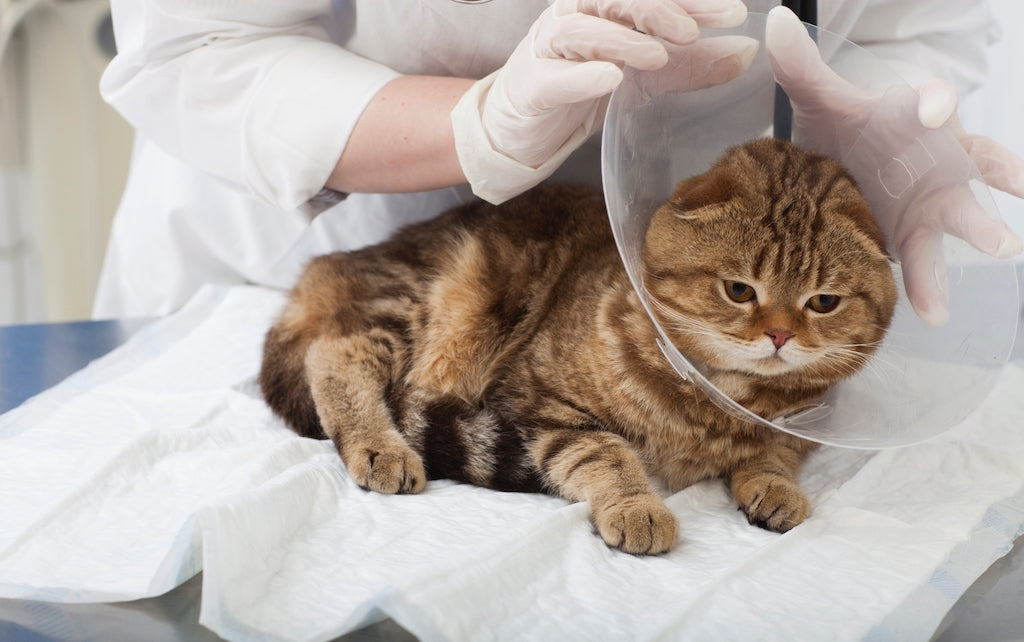
Let’s review the basics of spaying female cats, including when they should have the surgery and what kind of procedure it is.
When should a female cat be spayed?
It is ideal to perform spaying by around 5 months of age, before the first estrus. However, depending on the cat's development, it may be better to postpone the surgery. Spaying can be done at any age, so discuss the timing of the surgery thoroughly with your veterinarian.
Spaying methods
There are two methods for spaying: "ovary and uterus removal" and "ovary removal only".
Removing only the ovaries is less invasive. However, to prevent diseases such as pyometra and endometrial hyperplasia, it is necessary to remove both the ovaries and the uterus.
Spaying is performed as "laparotomy," which involves general anesthesia and a several-centimeter incision in the abdomen. Some veterinary hospitals may also perform "laparoscopic surgery," which leaves smaller scars than laparotomy.
The surgery takes approximately one hour. In some cases, cats can return home the same day, but depending on the cat's condition, they may stay for 1-2 nights for observation.
Female cat spaying procedure
[1. Pre-operative examination]
A physical examination (consultation, visual inspection, palpation, auscultation), blood tests, and X-rays are performed to check for illnesses, infections, and whether the cat can tolerate general anesthesia.
[2. Day before surgery]
As general anesthesia and recovery surgery will be performed, fasting and withholding water from the night before are necessary.
[3. Day of surgery]
If there are no problems after palpation and temperature check, general anesthesia is administered, and the hair on the abdomen is shaved. The ovaries only, or both ovaries and uterus, are removed while monitoring the electrocardiogram, blood pressure, etc. The surgery is completed after suturing the wound. Some veterinary hospitals may use dissolvable stitches that do not require removal.
[4. Hospitalization]
After waking from anesthesia, the cat either returns home immediately or is hospitalized for 1-2 nights for observation. The wound is protected with an Elizabethan collar or recovery suit to prevent the cat from licking it.
[5. Post-operative care at home]
If there are no problems, you will receive instructions on post-operative care before returning home. Follow your veterinarian's instructions for medication and other post-operative care.
[6. Suture removal]
Sutures are removed 1 to 10 days after surgery. If there are no problems, the cat can return to its normal life.
Post-spay care methods
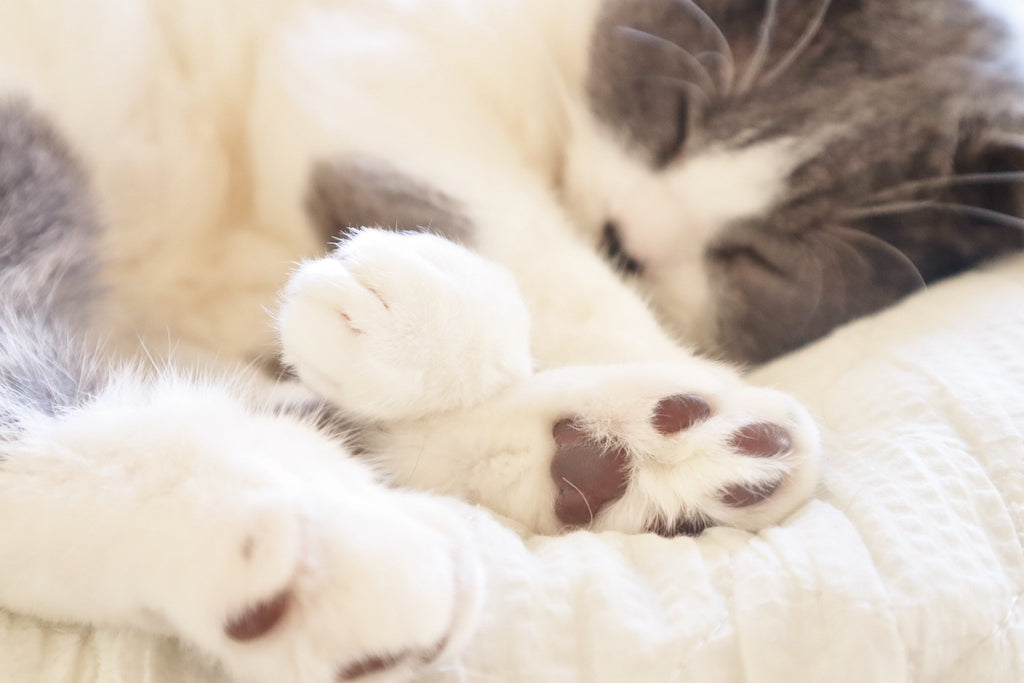
Spaying female cats is a more invasive procedure than neutering male cats, and they are more likely to experience pain and discomfort after surgery.
While the surgery itself is painless due to general anesthesia, the experience of undergoing surgery in an unfamiliar place can be terrifying and anxiety-inducing.
Once home, first let your cat rest in a quiet place. Then, make sure they wear an Elizabethan collar or recovery suit to prevent them from licking the surgical wound.
When can my cat eat after spaying?
For day surgeries, you may be advised to refrain from feeding your cat on the day of the surgery. You might be tempted to give them a treat, but please follow your veterinarian's instructions. If your cat has no appetite, or shows symptoms of vomiting or diarrhea, consult your veterinarian immediately.
An Elizabethan collar is needed for one week after surgery.
Since spaying a female cat is an open abdominal surgery, an Elizabethan collar is essential to prevent the cat from licking the surgical wound. The Elizabethan collar will be worn for 1 to 10 days until the sutures are removed.
Cats may resist the Elizabethan collar, trying to remove it or freezing up. They should get used to it after a while, so please be patient.
It's also important to adjust their environment so they can live stress-free with the Elizabethan collar, such as clearing obstacles, removing toilet lids, and using elevated food bowls. Since grooming will be difficult, wipe their body with a warm towel and brush them.
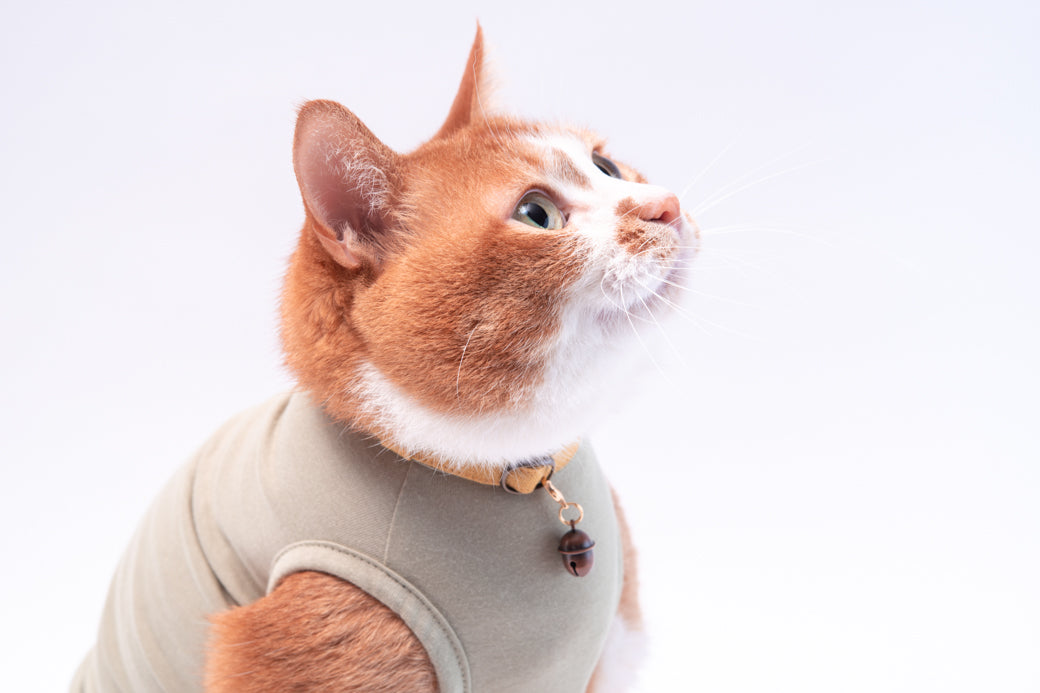
Recently, some veterinary hospitals use recovery suits specifically for cats as an alternative to Elizabethan collars. These are recommended as they are less uncomfortable than Elizabethan collars and allow cats to eat and use the litter box without stress.
|
[Related articles] |
|
[Related products] |
How long should they rest?
If stitches need to be removed, the rest period is 1 to 10 days. Even if stitches don't need to be removed, it's best to allow for a similar period of rest. Of course, bathing is also prohibited during the rest period.
Avoid strenuous exercise or exciting play to prevent the wound from opening. If you have other cats, isolate them in a separate room or cage for a while.
Because of pain and discomfort at the stitches, cats often lie down and don't move as usual. However, they may be running around energetically a few days later.
Always monitor the wound and consult a veterinarian immediately if you notice any abnormalities, such as bleeding or broken stitches.
Changes after spaying
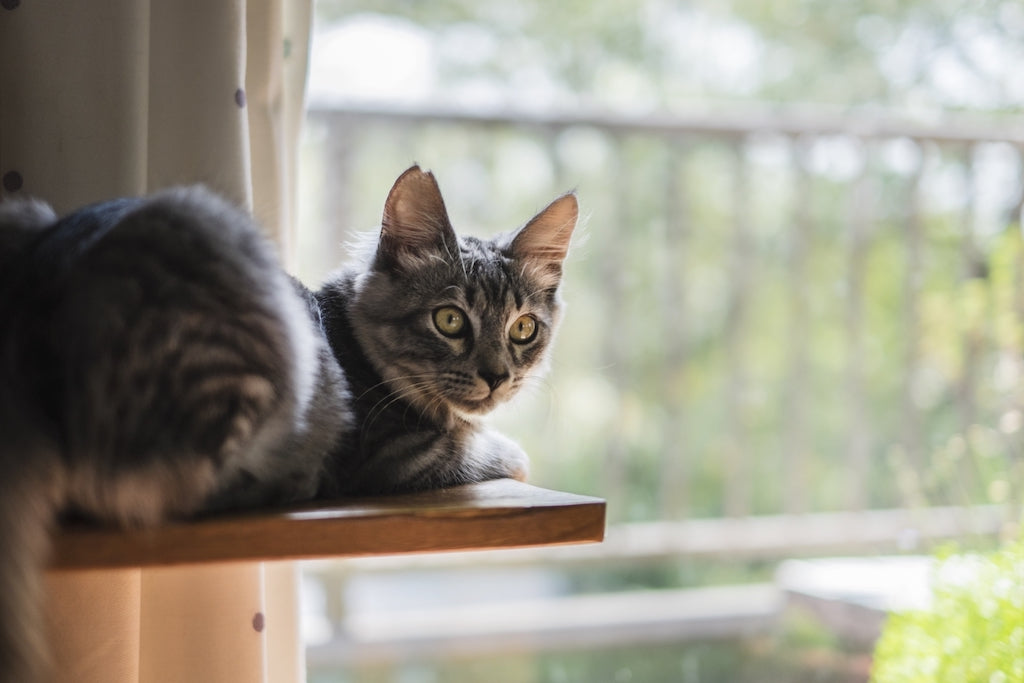
After spaying, the stress of estrus is eliminated, and cats can live more calmly. However, changes in hormone balance can also lead to physical changes in cats.
Cats are prone to gaining weight after spaying.
After spaying, a cat's metabolism slows down, making them prone to weight gain. Some cats may also experience an increased appetite.
Since obesity can occur, it is recommended to increase their exercise and switch to cat food specifically for spayed cats.
|
[Related articles] |
Does spaying change a cat's personality?
Compared to male cats, female cats rarely experience personality changes.
Female cats often have a tsundere and cat-like personality, but some may want to be pampered by their owners due to pain or fear from the surgery. It seems they recall their kitten days when they clung to their mothers.
Summary

Unlike neutering male cats, spaying female cats requires abdominal surgery. Even though spaying is necessary for your cat, you might be concerned about post-operative pain and their physical condition.
Post-operative care by the owner is paramount after spaying.
Check their eating and excretion habits, examine the wound, and create an environment where they can rest as peacefully as possible. Since post-operative care may vary depending on the surgical method, please follow your veterinarian's instructions.
Also, if you are anxious and restless, your cat won't be able to relax and rest. For the sake of your cat, who has undergone surgery, make sure you know the correct post-operative care methods.




![[B-Grade] Cat Collar Parts: Oval Buckle, 10mm Inner Diameter (Strap Adjuster)](http://www.poponeko.jp/cdn/shop/products/DSC00031_622b63fc-15a2-4175-8207-4069d17065e0.jpg?v=1680097864&width=600 "[B-Grade] Cat Collar Parts: Oval Buckle, 10mm Inner Diameter (Strap Adjuster)")
![Graphic Cat Collar - Nordic Herb Garden Sage Garden [Limited Model]](http://www.poponeko.jp/cdn/shop/files/DSC00050_b44bd78c-9aca-46dc-81c7-6e2f49a3eccd.jpg?v=1772799982&width=600 "Graphic Cat Collar - Nordic Herb Garden Sage Garden [Limited Model]")


昨日避妊手術をして本日家に戻ってきました。他にもう1匹いるのですがその子が警戒し「ウー」っと唸っています。
とりあえず様子は見てますがお互い別の場所で静かにしています。わかりやすい解説で勉強になりました。ありがとうございます。
今日 我が家の仔猫ちゃんの避妊手術を行いました。術後にどう過ごさせたら良いか読んでとても参考になりました。
Leave a comment