

Do you know what a "rescue cat" is? It literally means "a cat that has been rescued."
But do you know how rescue cats are rescued and where they are housed after being rescued?
In recent years, the number of people who want to adopt rescue cats has increased, but if you don't properly understand rescue cats, it can lead to problems such as being unable to continue caring for them later on.
This time, we would like to explain rescue cats in detail.
What is a rescue cat?
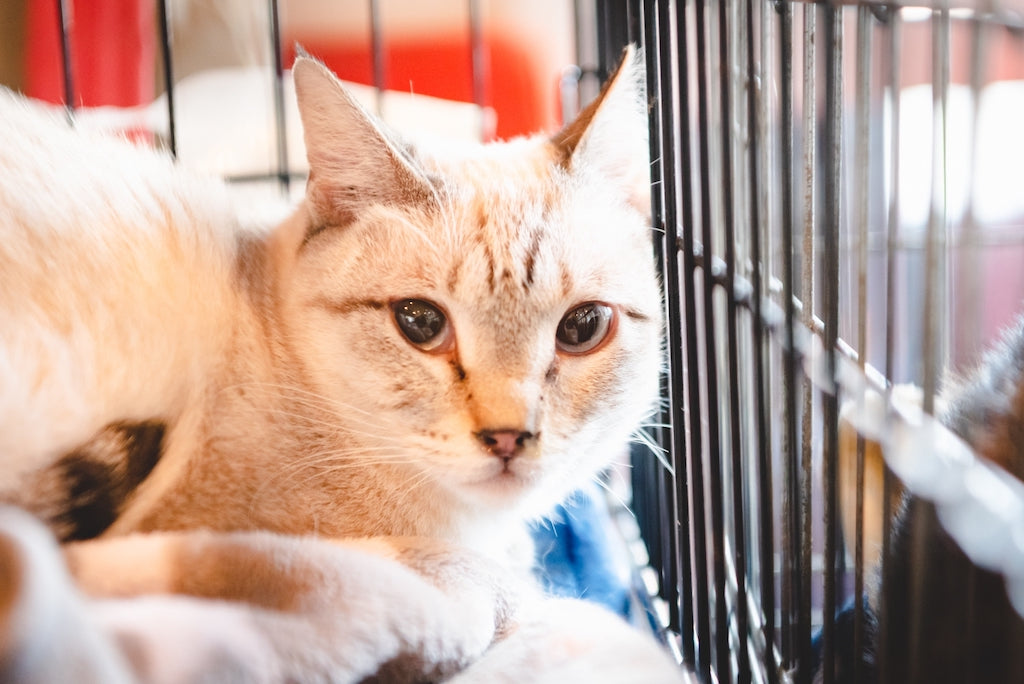
It literally means a "rescued cat."
Stray cats, abandoned cats, and cats that can no longer be kept for various reasons are protected in animal welfare centers and by rescue volunteer organizations.
The living environment for these rescue cats can be outdoors or indoors in poor conditions. As a result, it's not uncommon for them to be sick or injured. They may also have been abandoned or abused. Many rescue cats carry physical and emotional scars, and they can be very wary of people.
Furthermore, if a rescue cat doesn't find a new family, it may become a candidate for euthanasia.
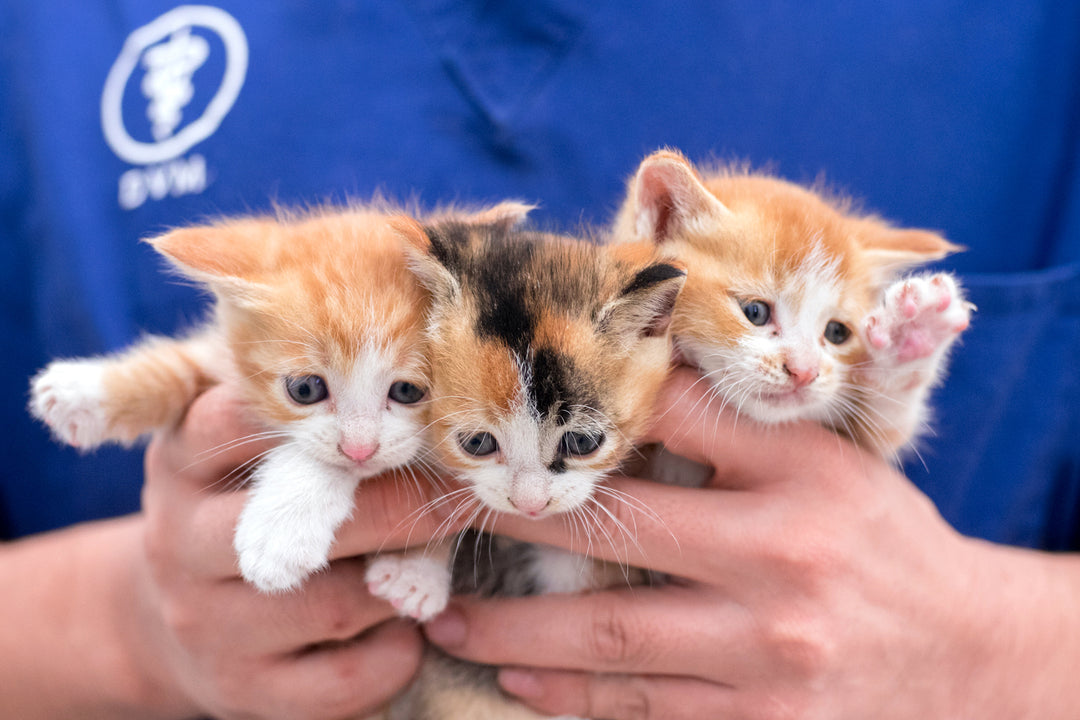
According to statistics from the Ministry of the Environment for fiscal year 2021, approximately 35,000 cats (about 20,000 kittens) were taken in, and of those, approximately 12,000 cats (about 7,500 kittens) were euthanized. This means that one-third of the cats taken in were euthanized. It also shows that most of them were kittens.
Efforts are being made to reduce euthanasia, but the current situation is that it has not reached zero.
How to acquire a rescue cat
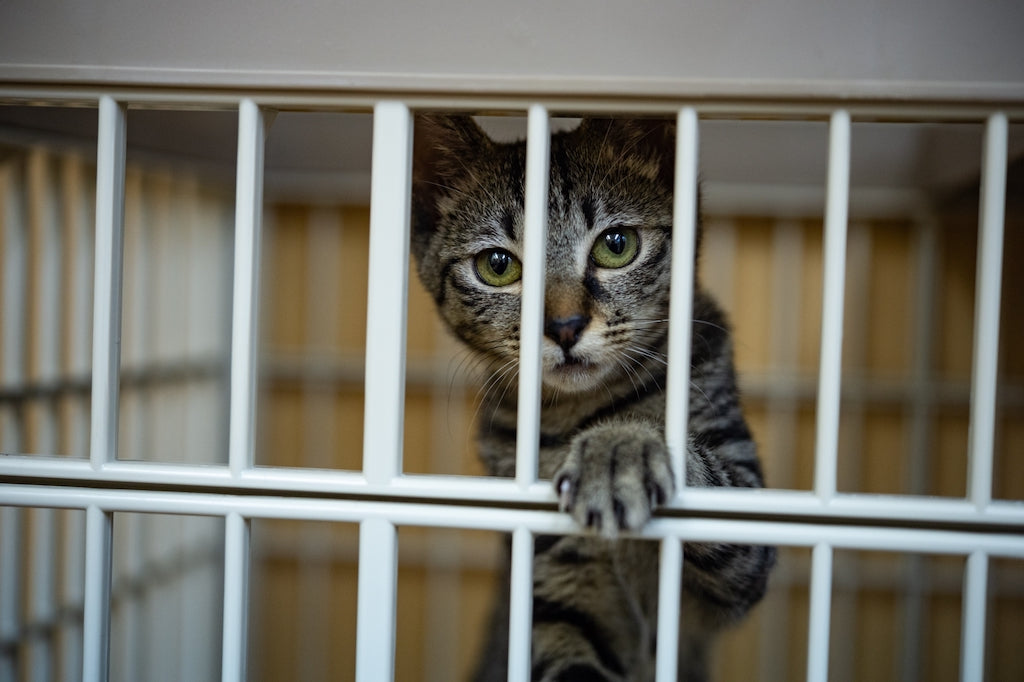
Most rescue cats are acquired through adoption from rescue facilities. Recently, acquiring them through foster parent matching websites has also become common.
We will explain the main sources for obtaining rescue cats, their characteristics, costs, and precautions.
Animal Welfare Centers
These are what are commonly known as "public health centers." They are prefectural facilities and are now called Animal Welfare Centers. Animal Welfare Centers regularly hold cat adoption events. To participate in a cat adoption event, there are certain conditions, such as participating in a cat care class held at the facility, declaring family composition and housing conditions, and agreeing to lifelong and indoor ownership.
At adoption events, adult cats are given priority for adoption. This is not suitable for those looking for kittens. While they are basically mixed breeds, it is rare to encounter purebreds.
The system is set up so that you apply for the cat you want, and adoption is decided by lottery. Therefore, there is a possibility that you may not be able to adopt the cat you want.
Before adoption, training such as getting used to people and nail trimming may be conducted at the facility. Spaying/neutering, parasite extermination, and vaccinations are usually already done.
The cost is generally free. The facility may contact you regularly, and foster parent get-togethers may be held. They also offer advice on pet care.
The situation before protection is often unknown, and there is a possibility that the cat may have some illness.
Rescue Volunteers
Rescue cats are housed in facilities run by rescue volunteers. Adoption events are held regularly, and it's also possible to visit the facilities directly.
You can find not only adult cats but also kittens. They are generally mixed breeds, but you might occasionally find a purebred.
Popular cats are often chosen by lottery, so there's a chance you might not be able to adopt the cat you want.
Some facilities offer a trial period, allowing you to live with the rescue cat you're interested in to see if you can care for it.
The adoption conditions vary depending on the facility, and some facilities have very strict requirements.
Costs also vary by facility.
The situation before rescue is often unknown, and there is a possibility that the cat may have some illness. Also, if the facility's hygiene is poor, diseases are often rampant.
Veterinary clinics
Some veterinary clinics carry out adoption activities for rescue cats.
Upon rescue, health checks, parasite extermination, and vaccinations are performed, and if treatment is necessary, it will be provided until the cat is ready for adoption.
While they are often kittens, they are not always available for rescue, so it is recommended to check their website for information.
Adoption conditions vary by clinic. Rescue cats are generally mixed breeds.
The cost is sometimes free, but vaccination fees and other expenses may be required.
As they are veterinary clinics, you have the advantage of being able to consult about cat care and training, and find a regular veterinarian.
The situation before rescue is often unknown, and there is a possibility that the cat may have some illness. Also, cats rescued by veterinary clinics often have poor general health and frequently require ongoing treatment for illnesses or injuries.
Foster parent bulletin boards and matching sites, etc.
In recent years, online searches for foster parents for rescue cats and foster parent matching sites have emerged.
Information about rescue cats is posted online, and direct communication between the rescuer and the adopter leads to adoption.
For those who find it difficult to attend adoption events, this is convenient because they can view cat information at any time. There is also a possibility of finding a foster parent opportunity close to home.
Some rescuers may allow a trial period.
Since you communicate directly with the rescuer, financial problems are not uncommon. While it's easy to search, you need to be cautious.
Consider adopting a rescue cat
The current situation in Japan is that euthanasia has not reached zero. The reason for this is the limited capacity of animal welfare centers. Among the cats brought to animal welfare centers, kittens requiring artificial rearing and cats needing treatment are subject to euthanasia. Also, if a cat is judged to be highly aggressive and difficult to acclimate to humans, it is also subject to euthanasia.
Even animal welfare centers are actively holding adoption events, striving to help as many cats as possible find new families.
Rescue volunteers also work to take rescue cats from animal welfare centers.
If you go to a pet shop, you can find popular purebred kittens and easily start caring for them. However, this incurs high costs for purchasing the animal.
Rescue cats are often more affordable, and there's frequently comprehensive post-adoption support. Most importantly, a precious life is saved.
If you're thinking about getting a cat, why not consider adopting a rescue cat instead of buying one from a pet shop?
Summary
This time, I explained about rescue cats.
Rescue cats can have both physical and emotional scars. If they don't find a family after being rescued, an even sadder future awaits them.
From the current state of euthanasia in Japan, it is still not at zero.
I hope that as many rescue cats as possible can find new families, and that people will consider the option of "adopting a cat instead of buying one."
Related articles

|
【Related Articles】 |


![[Written by a Veterinarian] Is Buying a Cat from a Pet Store a Good Idea? Pros, Cons, and Checkpoints for Identifying a Healthy Kitten](http://www.poponeko.jp/cdn/shop/articles/petshop_cat.jpg?height=400&v=1778304000)
![[Written by a Veterinarian] Before You Worry About Your Rescue Cat Not Warming Up to You: How to Build a Bond with a Skittish Cat and Train Them to Be More Sociable](http://www.poponeko.jp/cdn/shop/articles/shutterstock_2626846741_c3619e26-699b-4722-a0b0-0c99f5414d1b.jpg?height=400&v=1778305548)
![[Written by a Veterinarian] How to Prepare for a Successful Foster Cat "Trial Period": Environment and 2-Week Schedule](http://www.poponeko.jp/cdn/shop/articles/2_a624e34a-ac59-4dfe-88cb-6a373ea44e7d.jpg?height=400&v=1778305479)
![[Written by a Veterinarian] How to tell the age of a rescue cat: Identifying "estimated age" from teeth and eyes and care by age group](http://www.poponeko.jp/cdn/shop/articles/pixta_121706085_L_547a4397-8d02-4a59-804f-238d8151b72e.jpg?height=400&v=1783812906)
![[Set] Leaf Ribbon Fleurage Purple & Cat Collar Belgian Linen Turquoise](http://www.poponeko.jp/cdn/shop/files/2608_00123.jpg?v=1789197487&width=600 "[Set] Leaf Ribbon Fleurage Purple & Cat Collar Belgian Linen Turquoise")
![[Set] Leaf Ribbon & Scrunchie Cat Collar, Elegant Cherry Blossom, Red](http://www.poponeko.jp/cdn/shop/files/2608_00137.jpg?v=1789197917&width=600 "[Set] Leaf Ribbon & Scrunchie Cat Collar, Elegant Cherry Blossom, Red")
![[Set Product] Leaf Ribbon & Scrunchie Cat Collar - Hannari Sakura Green](http://www.poponeko.jp/cdn/shop/files/2608_00140.jpg?v=1789197917&width=600 "[Set Product] Leaf Ribbon & Scrunchie Cat Collar - Hannari Sakura Green")
![[Set] Leaf Ribbon & Cat Collar - Gingham Check (Raspberry)](http://www.poponeko.jp/cdn/shop/files/DSC00111_50fa7dfb-0b92-465f-96f3-373274a75e62.jpg?v=1780663890&width=600 "[Set] Leaf Ribbon & Cat Collar - Gingham Check (Raspberry)")
![[Set] Leaf Ribbon & Cat Collar: Vidro - Shion](http://www.poponeko.jp/cdn/shop/files/2608_00403.jpg?v=1789826564&width=600 "[Set] Leaf Ribbon & Cat Collar: Vidro - Shion")
![[Set] Leaf Ribbon & Scrunchie Cat Collar: Sunny Mimosa](http://www.poponeko.jp/cdn/shop/files/2608_00412_15b3d5d4-db6f-4704-a2bc-cfcf4a47d898.jpg?v=1790033858&width=600 "[Set] Leaf Ribbon & Scrunchie Cat Collar: Sunny Mimosa")

Leave a comment