

Spring is the season for "rabies prevention" and "heartworm prevention." While both might seem to be exclusively for dogs, that's not the case. In fact, heartworm disease can also infect cats.
Feline heartworm disease is a very frightening illness that can be life-threatening.
This time, we will explain in detail what feline heartworm disease is and how to prevent it.
What is heartworm disease?
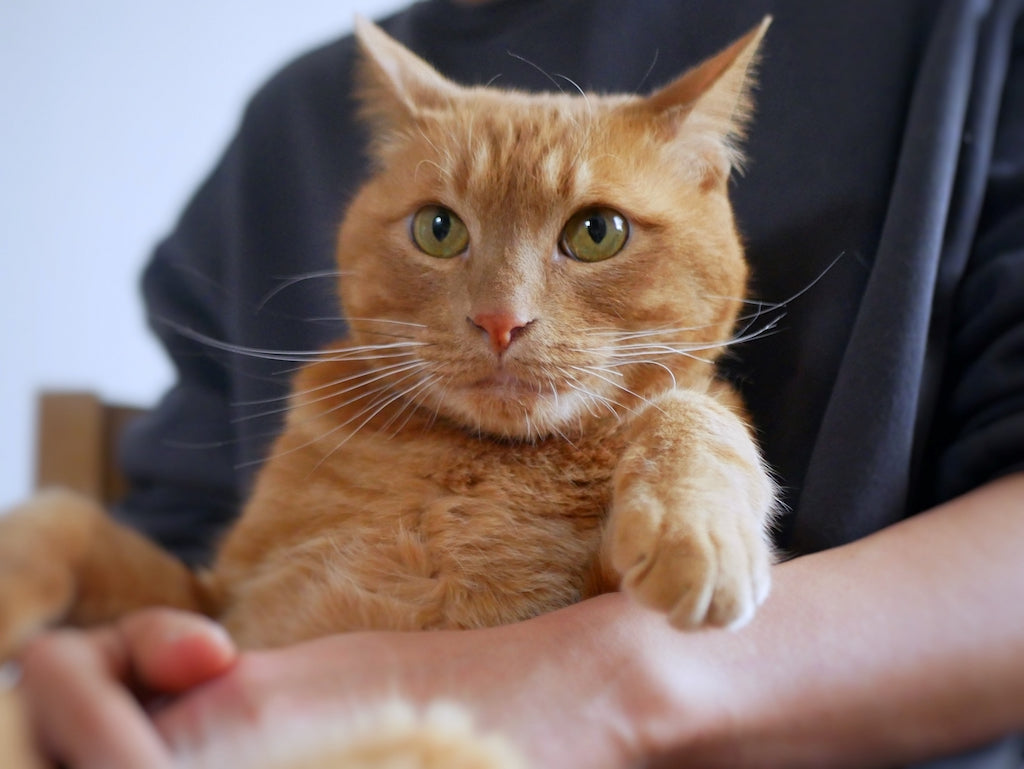
First, let's understand what heartworm disease is.
Causes of heartworm disease
Heartworm disease is an infectious disease caused by the parasitic worm called heartworm. The scientific name for heartworm is "Dirofilaria immitis," and it primarily infects dogs.
The transmission route of heartworm is through mosquitoes. A mosquito that has bitten a heartworm-infected dog will transmit the parasite when it bites another dog.
Heartworm larvae that enter a dog's body travel through the bloodstream to the heart and lungs, where they mature into thread-like adult worms. While larvae are about 1mm long, adult worms can grow to be 15 to 30 cm long.
It is said that dozens of these worms can parasitize at once, and they can survive in a dog's body for about 5 years.
Symptoms of heartworm disease
The presence of heartworms puts a strain on the heart and lungs. This can result in symptoms such as heart attack, ascites due to heart failure, fainting, and coughing. Symptoms can also appear many years after infection.
Adult heartworms can also clog blood vessels in the heart, leading to sudden death.
Treatment for heartworm disease
Whether a dog is infected with heartworms can be determined by a blood test. If heartworm infection is confirmed, the heartworms are removed with deworming medication or surgery.
What is feline heartworm disease?
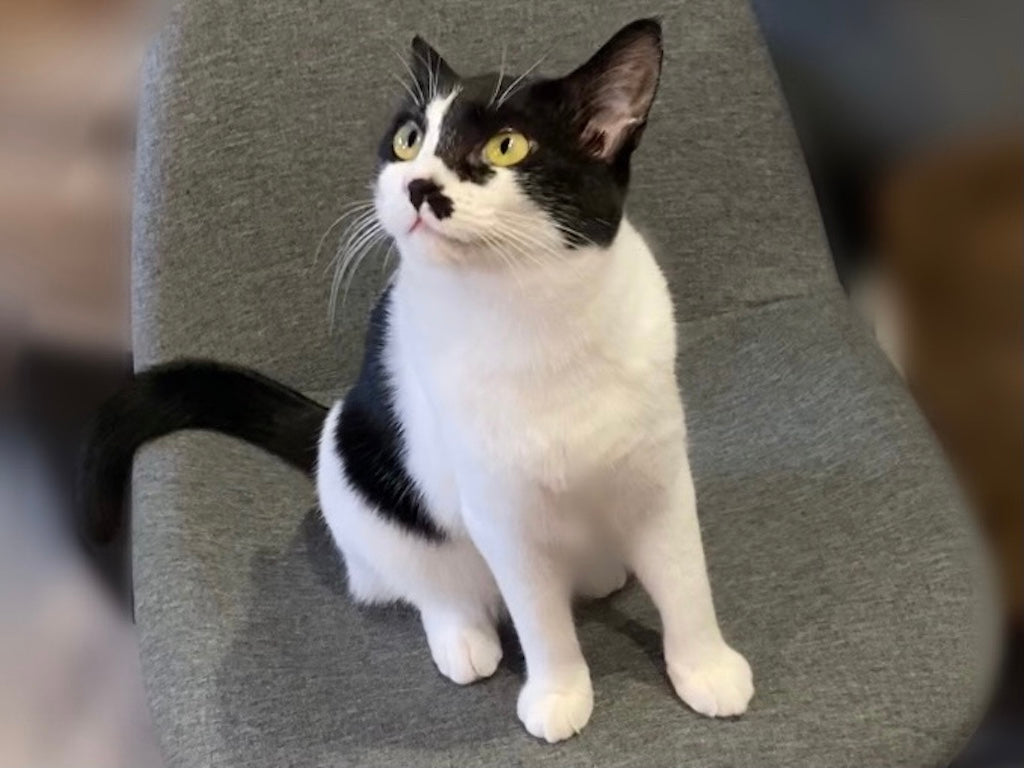
As explained so far, heartworm disease is common in dogs, but it has been found to rarely infect cats.
The transmission route is the same as in dogs. However, since the natural host for heartworms is dogs, most of them are said to die in a cat's body.
The problem with feline heartworm infection lies precisely there.
"Immune reactions to dead heartworm larvae" and "the small number of heartworms that mature into adults, making them difficult to detect with blood tests" make diagnosis very difficult.
Symptoms of feline heartworm disease
Heartworm disease is just as life-threatening for cats.
When dead heartworm larvae reach the lungs, an immune reaction can cause respiratory symptoms such as coughing and difficulty breathing. Other symptoms include vomiting, loss of appetite, lethargy, and weight loss.
Also, just like in dogs, adult heartworms can clog blood vessels in the heart, posing a risk of sudden death.
In either case, it is difficult to detect through tests, and diagnosis remains challenging.
Treatment for feline heartworm disease
In cats, a strong immune reaction to dead heartworms can sometimes occur. Therefore, deworming medication is not a suitable treatment.
Additionally, surgical procedures on small cats must be carefully considered.
The focus of treatment to prevent symptoms from worsening is symptomatic therapy, such as using steroids. Depending on the symptoms, lifelong medication may be necessary.
Heartworm prevention is also necessary for cats!
Since the cause of heartworm disease is mosquitoes, even indoor cats are at risk of infection. As it is a difficult disease to diagnose and treat, heartworm prevention is necessary for cats as well.
Methods of heartworm prevention
Feline heartworm disease can be prevented with medication. Most medications are "spot-on" types applied to the back of the neck, so even cats that dislike medication can be safely treated. Few adverse reactions have been reported.
Common heartworm prevention medications for cats include "Revolution" and "Broadline." In addition to heartworm prevention, they are also effective against fleas and ticks.
The appropriate heartworm preventive medication will vary depending on your cat's lifestyle and the region you live in, so be sure to have it prescribed by a veterinarian.
When is heartworm prevention needed?
Heartworm preventive medication works by applying it to the back of the neck once a month. Since heartworms are transmitted by mosquitoes, medication is necessary from before mosquitoes become active until they disappear.
As a general guideline, medication should be given monthly from approximately May to December. In Hokkaido and Tohoku, it may be from June to November, and in Okinawa, year-round medication may be necessary.
Cost of heartworm prevention
The average cost of heartworm preventive medication for cats is around 2,000 to 4,000 yen per dose. You will need to purchase this for the required number of months.
Since the cost varies depending on your cat's weight, the type of preventive medication, and how long it's needed, please confirm the cost of heartworm preventive medication with your veterinary clinic.
|
【Related articles here】 |
Summary
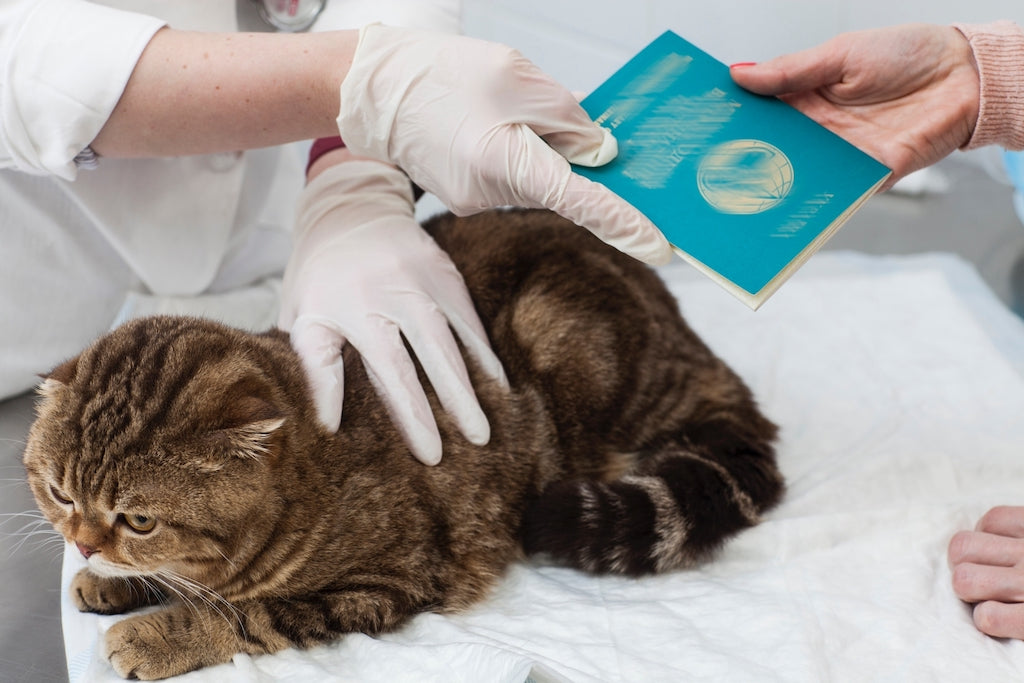
Heartworm disease can also infect cats. Heartworm larvae enter the body through mosquitoes and cause severe symptoms by maturing into adult worms in the heart and lungs. It is also known as a frightening disease that can cause sudden death.
However, it is a preventable disease with proper prevention. Of course, prevention is necessary even for strictly indoor cats.
It's a good idea to note the monthly medication schedule on a calendar or in your cat's dedicated health record book. Along with annual health check-ups and vaccinations, don't forget flea, tick, and heartworm prevention.
To ensure your beloved cat lives a long and healthy life, it's important to be properly informed about feline diseases and their prevention.
|
【Related products here】 |
Author Profile



![Feline Infectious Peritonitis (FIP) Treatment Guide [2024 Edition]: Latest Information and Treatment Options](http://www.poponeko.jp/cdn/shop/articles/shutterstock_1633580878.jpg?height=400&v=1727181737)


![[Set] Leaf Ribbon & Cat Collar - Hannari Sakura Blue](http://www.poponeko.jp/cdn/shop/files/2608_00126.jpg?v=1789197917&width=600 "[Set] Leaf Ribbon & Cat Collar - Hannari Sakura Blue")
![[Set] Leaf Ribbon "Fleurage" Pink & Scrunchie Cat Collar "Belgian Linen" Wine Rose](http://www.poponeko.jp/cdn/shop/files/2608_00132.jpg?v=1789197487&width=600 "[Set] Leaf Ribbon \"Fleurage\" Pink & Scrunchie Cat Collar \"Belgian Linen\" Wine Rose")
![[Set Product] Leaf Ribbon & Scrunchie Cat Collar - Hannari Sakura Green](http://www.poponeko.jp/cdn/shop/files/2608_00140.jpg?v=1789197917&width=600 "[Set Product] Leaf Ribbon & Scrunchie Cat Collar - Hannari Sakura Green")
![[Set] Leaf Ribbon & Cat Collar - Gingham Check (Raspberry)](http://www.poponeko.jp/cdn/shop/files/DSC00111_50fa7dfb-0b92-465f-96f3-373274a75e62.jpg?v=1780663890&width=600 "[Set] Leaf Ribbon & Cat Collar - Gingham Check (Raspberry)")
![[Set] Leaf Ribbon & Cat Collar: Petit Fleur, Blue](http://www.poponeko.jp/cdn/shop/files/2608_00407.jpg?v=1789946167&width=600 "[Set] Leaf Ribbon & Cat Collar: Petit Fleur, Blue")
![[Set Item] Leaf Ribbon & Scrunchie Cat Collar, Petit Fleur, Pink](http://www.poponeko.jp/cdn/shop/files/2608_00405.jpg?v=1789946167&width=600 "[Set Item] Leaf Ribbon & Scrunchie Cat Collar, Petit Fleur, Pink")

Leave a comment