

When thinking of cat eye diseases, "conjunctivitis" comes to mind.
Symptoms such as red, bloodshot eyes, tears or discharge, and itching could be conjunctivitis. Cats can get conjunctivitis just like humans.
We will explain the symptoms, causes, and prevention methods of cat conjunctivitis, which can sometimes require surgery if it worsens, in an easy-to-understand manner.
What are the symptoms of conjunctivitis in cats?

Conjunctivitis in cats is a condition where inflammation occurs in the conjunctiva.
The conjunctiva is the mucous membrane lining the inside of the eyelid, covering the white of the eye and the nictitating membrane. When inflammation occurs here, symptoms of "redness" and "tears/eye discharge" appear.
If your cat exhibits any of the following symptoms, conjunctivitis may be suspected.
Red, bloodshot eyes
The blood vessels in the white of the eye and the inner eyelid become prominent, leading to redness and congestion. Inflammation can sometimes spread beyond the conjunctiva to the entire eye.
Increased tears and eye discharge
An increase in the amount of tears and eye discharge is also a characteristic symptom of conjunctivitis.
If a bacterial infection occurs, yellow or green eye discharge may appear. In severe cases, eye discharge can become so crusted that the cat cannot open its eyes.
Paying attention to or itching eyes
Even if not visible, if your cat is bothering its eyes or scratching them frequently, conjunctivitis may be the cause. It's also important to be vigilant if your cat is squinting or rubbing its eyes against walls or other objects.
Causes of conjunctivitis in cats

Conjunctivitis in cats is often caused by "infection" or "foreign bodies." It could be a sign of some other illness, so it's important to understand the causes of conjunctivitis.
Cat flu
Conjunctivitis symptoms can appear if your cat is infected with viruses or bacteria such as "herpesvirus," "calicivirus," or "chlamydia," which are also causes of cat flu.
If severe, in addition to severe eye discharge, symptoms like nasal discharge, sneezing, and fever may also be observed. Kittens with weaker immune systems are particularly at risk.
Infection
In addition to cat flu, conjunctivitis can also be caused by microorganisms or bacteria.
During seasonal changes or dry weather, immunity tends to decrease. Be careful, as conjunctivitis is also more likely to occur.
Foreign objects
Inflammation can also occur when foreign objects such as dust, dirt, sand, pollen, or hair get into the eye. A characteristic of this is that symptoms appear only in one eye, not both.
Allergies
Just like humans, allergies such as hay fever can also cause conjunctivitis.
| 【Related articles】 |
What is the treatment for conjunctivitis? How long does it take to heal?
If you suspect conjunctivitis, seek veterinary attention immediately.
Do not give human eye drops to cats. Also, washing the eyes with water or boric acid solution is dangerous. Do not wait and take your cat to the animal hospital as soon as possible.
For conjunctivitis treatment, eye drops or other medications will be prescribed depending on the symptoms and cause. Follow your veterinarian's instructions and continue treatment patiently.
Treat with eye drops
Conjunctivitis in cats can often be improved with eye drops.
Depending on the symptoms, anti-inflammatory or antibiotic eye drops, or ophthalmic ointment, are used. If a viral infection is suspected, interferon eye drops are also used.
Many cats dislike eye drops, but it is important to continue patiently.
Tips for administering eye drops to your cat
First, it is important to properly restrain your cat. Use two people or wrap your cat in a towel to prevent it from moving.
【How to apply eye drops】
- Hold your cat securely from behind.
- With your left hand, support your cat's chin and gently pull up the eyelid.
- Bring the eye drops close from behind, out of your cat's sight.
- Administer the drops from about 1 cm above your cat's eye.
- Gently wipe away any excess eye drops that overflow.
- Give them a treat and praise them.
|
【Related articles】 |
Keep the area around the eyes clean
Hair around the eyes can sometimes cause conjunctivitis. Trim overly long hair to prevent it from getting into the eyes.
If stained with tears or eye discharge, gently wipe with a clean cloth and lukewarm water. Forcibly peeling off eye discharge or rubbing the eyes can cause injury, so consult your veterinarian for proper cleaning methods.
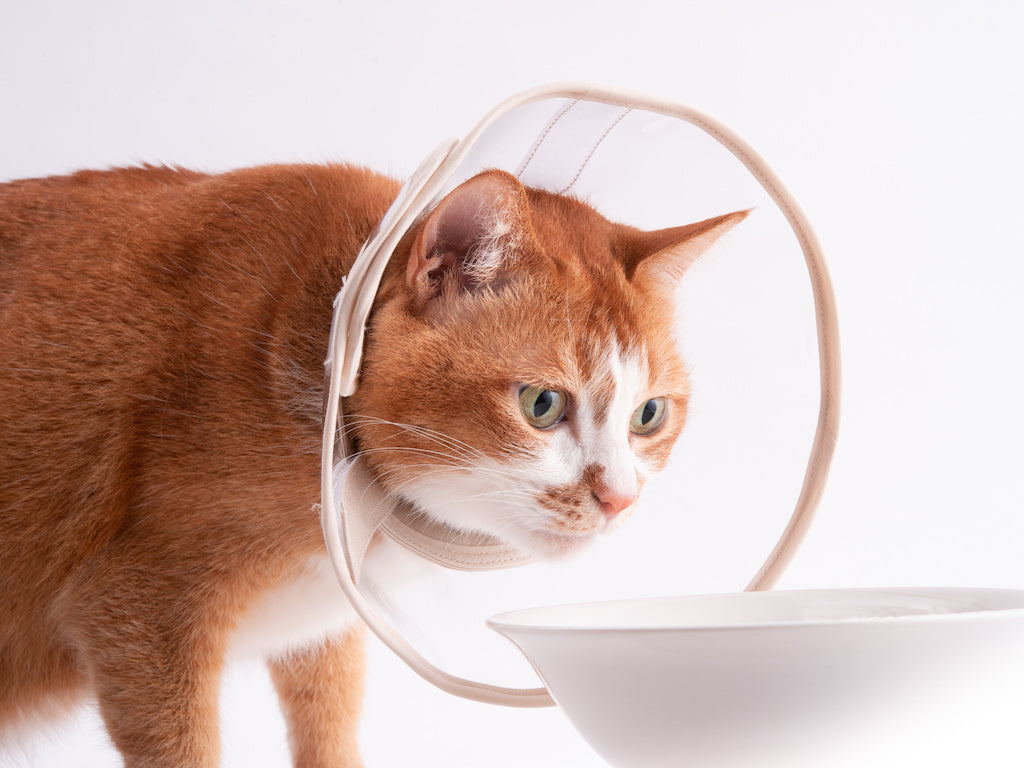
Wear an Elizabethan collar
Excessive scratching of the eyes can damage the cornea and potentially lead to blindness. If your cat keeps scratching its eyes, try to stop it as much as possible. As an emergency measure, using an Elizabethan collar can provide peace of mind.
|
【Related products】 |
Prevention methods for conjunctivitis in cats

To prevent conjunctivitis in cats, responsible pet ownership and health management are essential.
First, keeping your cat strictly indoors is a must. Although cat conjunctivitis is not transmissible to humans, it can spread between cats.
By strictly keeping your cat indoors and ensuring vaccinations are up-to-date, you can prevent conjunctivitis caused by cat flu. Even if an infection does occur, it can help prevent it from becoming severe.
It's also important for owners not to bring in infections. Be sure to wash your hands thoroughly after touching other cats.
Furthermore, providing an environment that allows for exercise and stress relief is key to your cat's health. This can boost their immune system and help prevent not only conjunctivitis but also other illnesses like cat flu.
|
【Related articles】 |
Summary

Feline conjunctivitis is a common health problem.
Leaving it untreated as "just conjunctivitis" will not lead to spontaneous healing. The longer the symptoms persist, the higher the risk of severe complications, and surgery may even be required.
Conjunctivitis in cats can be a sign of illness. It is important to observe your cat and notice any subtle changes.
If you notice any eye symptoms, jotting down observations about your cat's condition can be helpful for the diagnosis. It's also a good idea to note when the symptoms started and what they look like, along with your cat's vaccination history, to ensure a smoother visit.
Poponeko's "Cat Health Handbook" allows you to keep all information about your cat's health in one place. It's very convenient as you can record changes in their condition chronologically.

▲Cat Health Handbook
Why not start managing your cat's health with the goal of a long and healthy life?
|
【Related Products】 |
Author Profile



![Feline Infectious Peritonitis (FIP) Treatment Guide [2024 Edition]: Latest Information and Treatment Options](http://www.poponeko.jp/cdn/shop/articles/shutterstock_1633580878.jpg?height=400&v=1727181737)


![[Set] Leaf Ribbon moda Old Glory & Cat Collar Okayama Kojima Denim Black](http://www.poponeko.jp/cdn/shop/files/260618_00167.jpg?v=1784451812&width=600 "[Set] Leaf Ribbon moda Old Glory & Cat Collar Okayama Kojima Denim Black")

![[Set] Leaf Ribbon & Cat Collar - Hannari Sakura Purple](http://www.poponeko.jp/cdn/shop/files/2608_00128.jpg?v=1789197917&width=600 "[Set] Leaf Ribbon & Cat Collar - Hannari Sakura Purple")
![[Set] Leaf Ribbon Fleurage Purple & Scrunchie Cat Collar Belgian Linen Turquoise](http://www.poponeko.jp/cdn/shop/files/2608_00136.jpg?v=1789197487&width=600 "[Set] Leaf Ribbon Fleurage Purple & Scrunchie Cat Collar Belgian Linen Turquoise")
![[Set] Leaf Ribbon & Scrunchie Cat Collar - Hannari Cherry Blossom Blue](http://www.poponeko.jp/cdn/shop/files/2608_00139.jpg?v=1789197917&width=600 "[Set] Leaf Ribbon & Scrunchie Cat Collar - Hannari Cherry Blossom Blue")
![[Set] Leaf Ribbon & Scrunchie Cat Collar, Petit Fleur, Pastel Pink [Limited Color]](http://www.poponeko.jp/cdn/shop/files/2608_00420.jpg?v=1789946167&width=600 "[Set] Leaf Ribbon & Scrunchie Cat Collar, Petit Fleur, Pastel Pink [Limited Color]")
Leave a comment