
Your cat seems unwell... but giving them human medicine is strictly forbidden!
Human medicine is poison to cats. If ingested accidentally, it can cause severe poisoning and even lead to death.
It's important to understand the dangers human medicines pose to cats.
Why You Shouldn't Give Human Medicine to Cats
When you visit a veterinary clinic, sometimes the same medications used for humans are prescribed.
In fact, most cat medications are the same as those used for humans.
However, veterinarians calculate the necessary dosage based on the cat's symptoms and weight.
Giving over-the-counter human medicine to your cat based on your own judgment is strictly forbidden.
Cats Can Suffer from Poisoning if They Take Human Medicine
The mechanisms for drug absorption and metabolism differ significantly between cats and humans. Therefore, some medications can cause poisoning if ingested by cats.
For example, it is known that a cat's liver has a significantly low capacity for "glucuronide conjugation," which is involved in drug metabolism.
As a result, cats cannot properly absorb and metabolize drugs. They also cannot excrete them, leading to accumulation in the body and causing poisoning.
Human Medications Dangerous to Cats
Human medications are dangerous for cats.
Accidental ingestion can lead to symptoms beyond just vomiting and diarrhea, such as acute kidney failure, liver damage, and arrhythmia. Even a small amount can be fatal.
To avoid endangering your cat, learn which human medications should absolutely never be given to them.
Acetaminophen
The pain reliever and fever reducer "acetaminophen" is an ingredient found in over-the-counter cold remedies, headache medications, and pain relievers.
It is commonly sold under brand names like Bufferin and Contac, making it a very familiar medication for humans.
However, a cat's liver cannot metabolize acetaminophen. Even a small amount can cause poisoning, destroying red blood cells. In the worst cases, it can be fatal.
Ibuprofen
"Ibuprofen" is also a common ingredient in pain relievers and fever reducers, sold under brand names like Advil and Benadryl.
If ingested by a cat, it can cause vomiting and diarrhea, and if a large amount is consumed, severe symptoms such as acute kidney injury, seizures, and coma may occur.
Loxoprofen
"Loxoprofen," known by the brand name Loxonin, is also dangerous for cats. It can cause symptoms such as vomiting and bleeding, as well as acute kidney failure.
Even if you suspect your cat has a fever or is in pain, never give them Loxonin.
Antibiotics
Antibiotics are used in the treatment of cats, but it is not okay to give your cat human antibiotics prescribed to you.
Some dog antibiotics can also be harmful to cats.
With antibiotics, the dosage and duration are crucial. Excessive amounts can damage the kidneys and liver. Always ensure the medication is prescribed by a veterinarian.
Alpha-Lipoic Acid
Human supplements also require caution, similar to medications.
Especially dangerous is "alpha-lipoic acid," popular as a beauty supplement. If ingested by cats, it can cause severe hypoglycemia and liver dysfunction. There is currently no specific treatment, and it can lead to death from multiple organ failure.
Topical Creams
If cats lick human ointments or hand creams, they can suffer from poisoning.
Do not let your cat lick areas where steroid or antibiotic ointments have been applied, and avoid touching your cat immediately after applying hand cream.
Cats can also experience poisoning from food.
Human medications are not the only things dangerous to cats.
Cats can also suffer from poisoning from human foods. Particularly dangerous are "chocolate," "onions and related plants," "grapes," and "avocados."
The plant "lily" is also highly toxic, so be careful of pollen and water from flower vases.

|
【Related articles here】 |
What to Do if Your Cat Eats Human Medicine
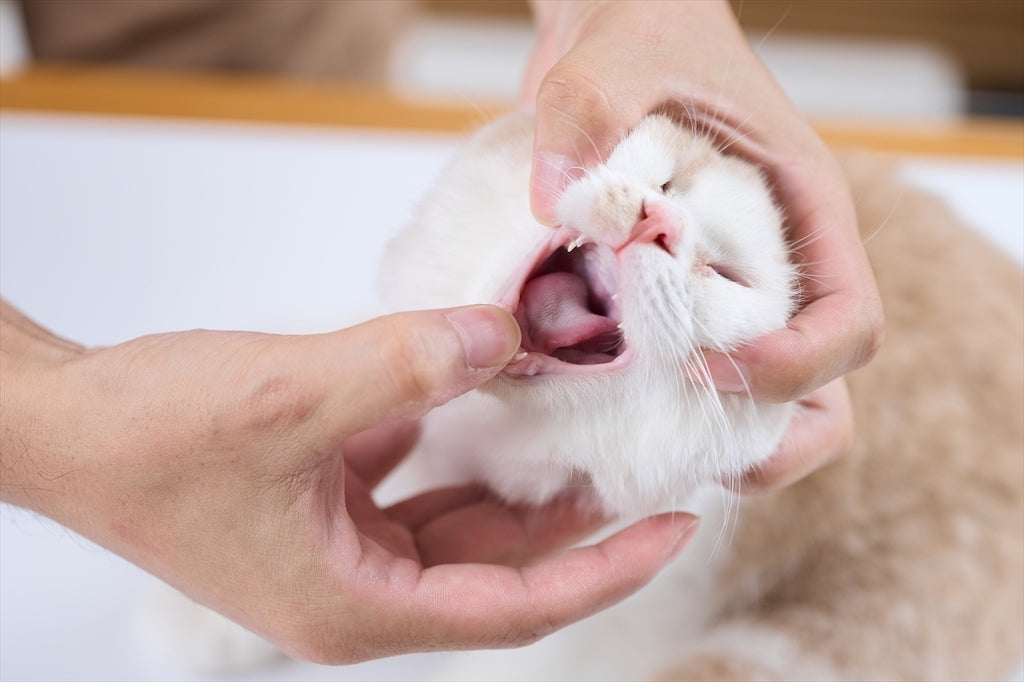
If your cat has ingested human medicine, or if you suspect accidental ingestion, seek veterinary attention as soon as possible.
At that time, the more detailed information you can provide about when, what kind of medicine, and how much was ingested, the more accurate the treatment can be.
If it's immediately after ingestion, the veterinarian may induce vomiting or perform gastric lavage, in addition to treatments to alleviate symptoms. If kidney or liver damage is suspected, ongoing preventive treatment may be necessary.
Depending on the symptoms, hospitalization may be required. Accidental ingestion of human medicine is an incident we absolutely want to prevent.
Summary
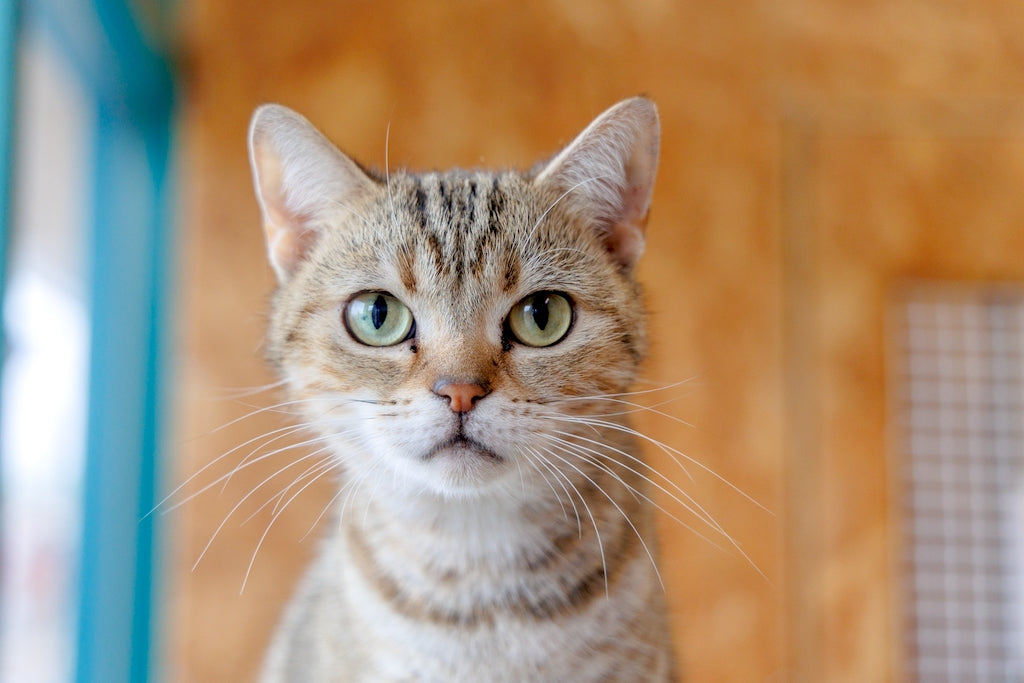
While it may be medicine for humans, it can be a dangerous poison for cats.
Even a single pill can be fatal, so you must never give human medicine to your cat.
Furthermore, preventing accidental ingestion is the owner's responsibility. Accidents such as a cat swallowing a dropped pill or eating it mistaking it for a treat are common.
Store medications out of your cat's reach and be careful to prevent accidental ingestion.
|
【Related articles here】 |
Author Profile



![Feline Infectious Peritonitis (FIP) Treatment Guide [2024 Edition]: Latest Information and Treatment Options](http://www.poponeko.jp/cdn/shop/articles/shutterstock_1633580878.jpg?height=400&v=1727181737)


![[Set Item] Leaf Ribbon & Cat Collar: Vidro - Lapis Lazuli](http://www.poponeko.jp/cdn/shop/files/2608_00402.jpg?v=1789826564&width=600 "[Set Item] Leaf Ribbon & Cat Collar: Vidro - Lapis Lazuli")
![[Set Product] Leaf Ribbon & Cat Collar - Gingham Check Green](http://www.poponeko.jp/cdn/shop/files/DSC00113_9928b03b-5bce-4bf5-b54f-3a4ef263fb16.jpg?v=1780663891&width=600 "[Set Product] Leaf Ribbon & Cat Collar - Gingham Check Green")
![[Set] Leaf Ribbon & Scrunchie Cat Collar, Gingham Check, Tomato Red](http://www.poponeko.jp/cdn/shop/files/DSC00091_c37cc8a7-d056-4cf1-a8ec-9defb7c0c502.jpg?v=1780663891&width=600 "[Set] Leaf Ribbon & Scrunchie Cat Collar, Gingham Check, Tomato Red")
![[Set] Leaf Ribbon & Scrunchie Cat Collar, Arabesque Swirl, Teal](http://www.poponeko.jp/cdn/shop/files/2608_00131.jpg?v=1789044775&width=600 "[Set] Leaf Ribbon & Scrunchie Cat Collar, Arabesque Swirl, Teal")
![[Set] Leaf Ribbon "Fleurage" Pink & Scrunchie Cat Collar "Belgian Linen" Wine Rose](http://www.poponeko.jp/cdn/shop/files/2608_00132.jpg?v=1789197487&width=600 "[Set] Leaf Ribbon \"Fleurage\" Pink & Scrunchie Cat Collar \"Belgian Linen\" Wine Rose")
![[Set] Leaf Ribbon "Fleurage" Pink & Cat Collar "Belgian Linen" Wine Rose](http://www.poponeko.jp/cdn/shop/files/2608_00119.jpg?v=1789197487&width=600 "[Set] Leaf Ribbon \"Fleurage\" Pink & Cat Collar \"Belgian Linen\" Wine Rose")
Leave a comment